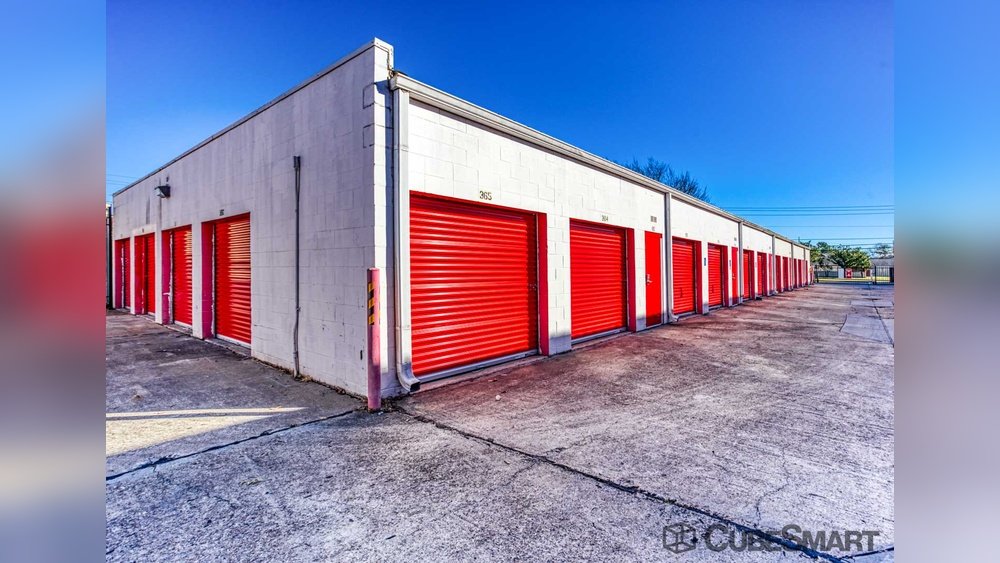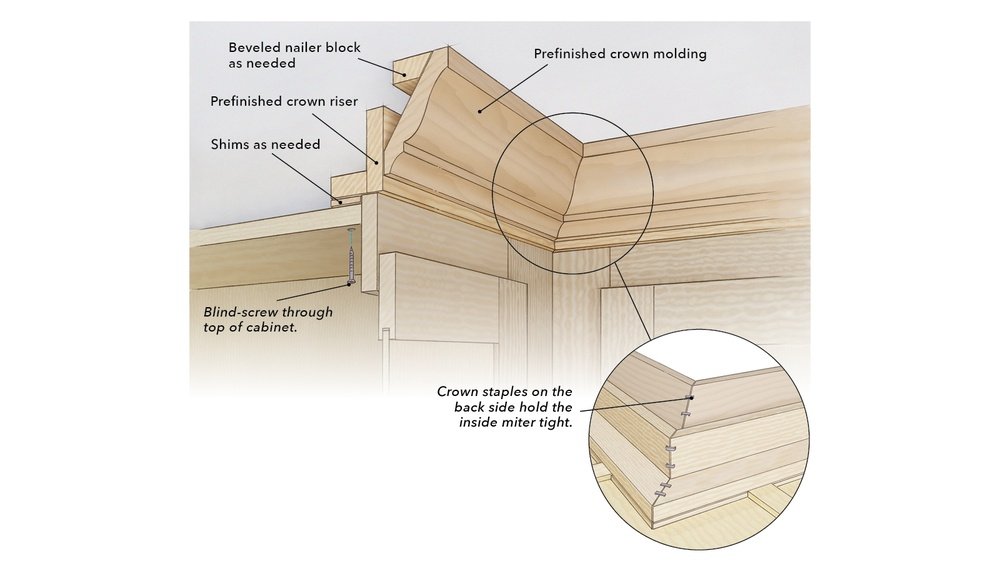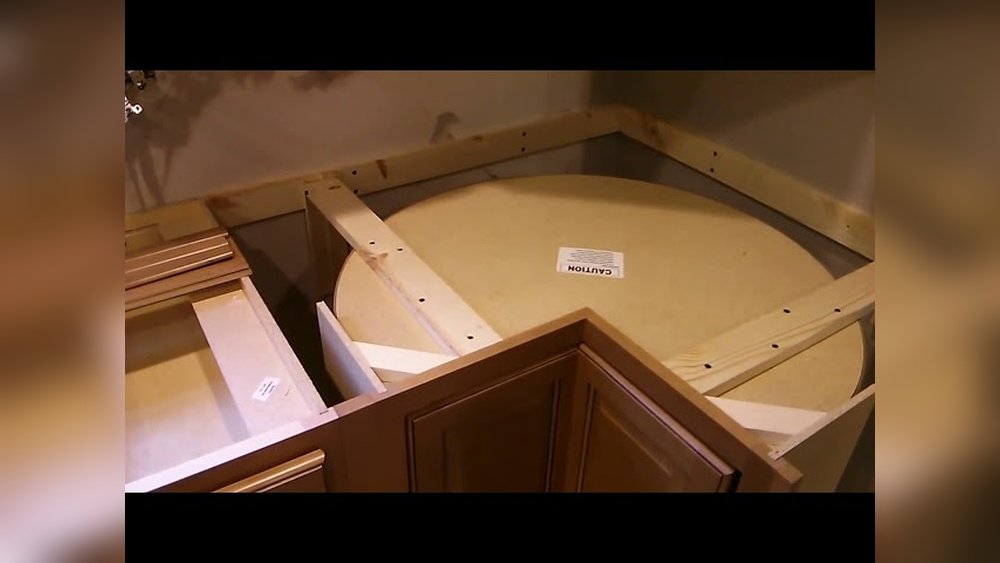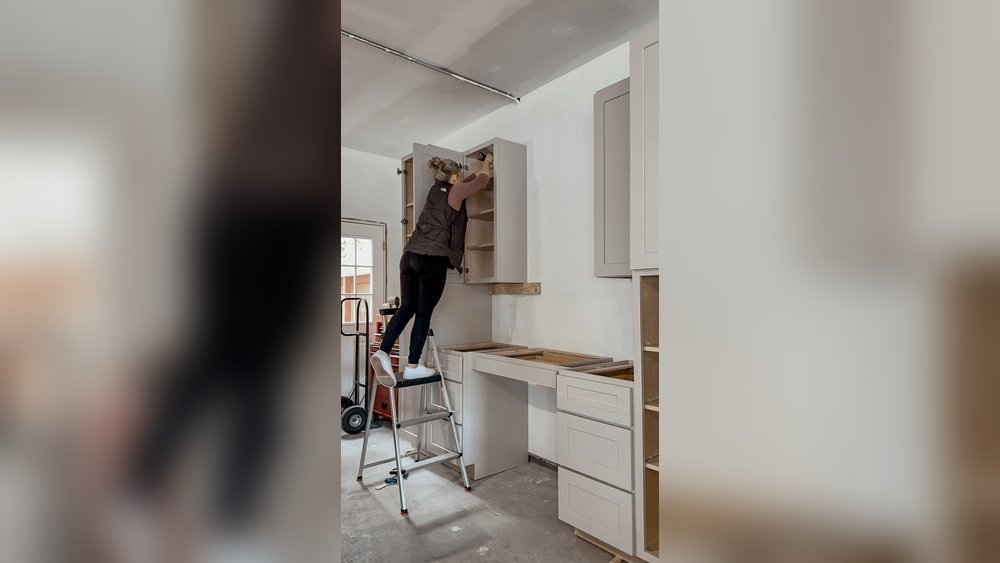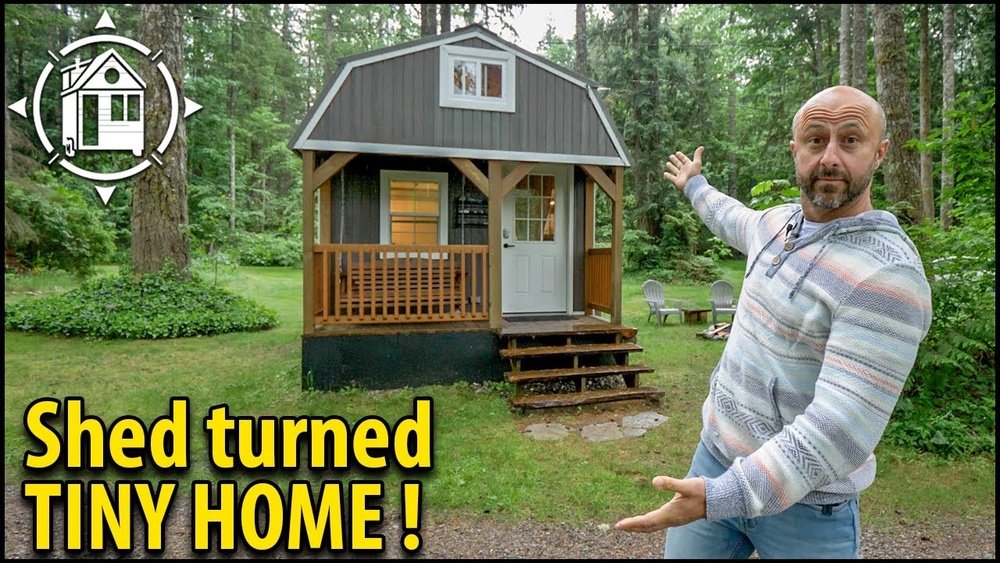
Transforming a storage shed into a tiny home is more than a creative project—it’s an adventure in smart living. For many, the idea starts with a simple question: how can a small, unused structure become a comfortable, functional place to live? Whether you’re looking for a guest house, a rental property, or your own minimalist retreat, this path blends affordability with freedom. You don’t need to be a professional builder, but you do need vision, careful planning, and a willingness to adapt.
Converting a shed involves more than adding furniture. You must think about insulation, utilities, safety, and making the most of every inch. This guide walks you through every key step, from legal basics to interior design. You’ll find practical advice, real examples, and tips that most beginners miss.
Let’s turn that simple shed into a home you’ll love.
Understanding Local Laws And Permits
Before you pick up a tool, check your local rules. Most cities and counties have regulations about turning a shed into a home. These rules protect your safety and property value, but they can vary a lot.
- Zoning laws decide where people can live. Some places allow tiny homes in backyards, but others don’t. Ask your city hall or county office if a shed home is legal.
- Building permits are usually required for major changes, like adding plumbing or electricity. Getting a permit may feel slow, but it keeps you safe and avoids fines later.
- Utility connections also follow codes. Your electrical and plumbing work often needs inspection.
- Minimum size: Some areas set a minimum square footage for living spaces. Make sure your shed meets these requirements.
Beginner insight: People often forget about permits for small sheds. But inspectors can ask you to remove or redo unapproved work. Start with local rules—it saves time and money.
Planning Your Shed-to-home Conversion
A successful tiny home starts with a solid plan. This is where you decide how you’ll use your space, what you need, and how much you can spend.
- Set a budget. Tiny homes are cheaper than traditional houses, but costs can add up. Common expenses include insulation, wiring, plumbing, heating, cooling, and interior finishes.
- Choose your shed. Not all sheds work well for homes. Look for one at least 10×12 feet (120 square feet) for a single person. A taller roof gives more headroom and loft options.
- Sketch your layout. List your must-haves: Bed, bathroom, kitchen, storage, and workspace. Use graph paper or simple design tools. Think about where the doors, windows, and utilities will go.
- Plan for the future. Will you add solar panels or a composting toilet later? Leave space and access for upgrades.
Pro tip: Measure your furniture before you design the floor plan. Many people forget that a standard bed or fridge may not fit in a small space.

Credit: www.cnbc.com
Preparing The Site And Foundation
Even the best shed won’t last long without a stable base. Your foundation must keep the building level, dry, and secure.
| Foundation Type | Pros | Cons |
|---|---|---|
| Gravel Pad | Affordable, easy to build, good drainage | Not for heavy structures |
| Concrete Slab | Very strong, moisture proof | More expensive, needs pro installation |
| Concrete Blocks | Cheap, quick to set up, adjustable | Less stable on soft soil |
- Clear and level the site. Remove grass, roots, and rocks. Compact the soil so the shed won’t shift.
- Choose the right foundation. A concrete slab is best for permanent homes, but gravel or blocks work for many sheds.
- Anchor the shed. Use ground anchors or bolts to prevent wind damage.
Overlooked detail: Good drainage is critical. Water pooling under your shed can cause rot and mold. Always slope the ground away from the foundation.
Insulating And Weatherproofing
Comfort in a tiny home depends on good insulation and weatherproofing. Sheds are not built for living, so you need to upgrade the walls, floor, and roof.
| Insulation Material | R-Value per Inch | Best For |
|---|---|---|
| Fiberglass Batts | 2.9-3.8 | Walls, easy DIY |
| Spray Foam | 6-7 | Floors, roof, air sealing |
| Foam Board | 3.6-5 | Under floors, walls |
- Seal gaps. Use caulk or spray foam around windows, doors, and roof joints.
- Install insulation. Fit your chosen material tightly to avoid cold spots.
- Add a vapor barrier. Plastic sheeting under floors and inside walls keeps moisture out.
- Upgrade doors and windows. Install insulated, weather-sealed units if possible.
Beginner mistake: Skipping insulation may save money upfront, but it will cost you in heating, cooling, and comfort. Even in mild climates, shed homes need proper insulation.
Credit: www.patiowell.com
Installing Utilities: Power, Water, And Waste
Living in a tiny home means reliable utilities. This can be the trickiest part, especially if you’re new to building.
Power Options
- Grid power: Running a line from your main house is simplest if allowed.
- Solar panels: Great for off-grid use, but plan for battery storage.
- Generator: Useful as a backup, but noisy and less eco-friendly.
Water Supply
- City water: Best for convenience, but needs trenching and plumbing.
- Rainwater collection: Use for gardens or toilets, but filter for drinking.
- Well water: Expensive to install, but fully independent.
Waste Management
- Sewer/septic: Connect to city or home septic if possible.
- Composting toilet: Popular for tiny homes, simple to maintain.
- RV-style tanks: Practical for mobile sheds.
Practical insight: Plan utility routes before you finish walls and floors. Retrofitting wires or pipes later is much harder.
Creating A Functional Layout
Tiny homes succeed or fail based on space efficiency. Every inch matters, so smart design is key.
- Loft beds: Raise your sleeping area to create storage or workspace below.
- Murphy beds or futons: Turn your bedroom into a living room by day.
- Fold-down tables: Eat, work, and fold away when not needed.
- Built-in benches with storage: Combine seating with hidden drawers.
Overlooked tip: Place your kitchen and bathroom on the same wall. This makes plumbing much simpler and cheaper.
Heating, Cooling, And Ventilation
Keeping your tiny home comfortable year-round is essential, especially in extreme climates.
- Mini-split heat pumps: Provide both heating and cooling in a compact unit.
- Electric baseboard heaters: Simple to install, good for cold areas.
- Ceiling or wall fans: Improve airflow and reduce heat in summer.
- Proper ventilation: Use exhaust fans in bathrooms and kitchens to prevent mold.
Experience-based advice: Small spaces heat up and cool down quickly. Use a programmable thermostat to avoid energy waste.
Interior Finishing And Design
This is where your shed home starts to feel like a real house.
- Wall panels or drywall: Choose moisture-resistant materials. Many use shiplap or plywood for a rustic look.
- Flooring: Vinyl planks are durable, waterproof, and easy to install. Avoid carpet, as it traps moisture.
- Lighting: Use LED fixtures for low power use and bright light. Add task lighting in the kitchen and desk areas.
- Paint: Light colors make small rooms feel bigger. Use mold-resistant paint in damp areas.
Uncommon tip: Vertical storage (shelves, hooks) frees up floor space and keeps things organized.
Storage Solutions For Small Spaces
Smart storage makes life in a tiny home much easier.
- Under-bed drawers: Perfect for clothes, shoes, or linens.
- Wall-mounted shelves: Use every bit of vertical space.
- Overhead cabinets: Good for kitchen supplies or books.
- Multi-use furniture: Ottomans or benches with hidden compartments.
Extra insight: Custom storage solutions, like stairs with built-in drawers, maximize space in ways standard furniture cannot.
Safety And Security
A shed tiny home needs to be as safe as any regular house.
- Smoke and carbon monoxide detectors: Install at least one of each.
- Fire extinguisher: Keep one near the kitchen.
- Secure doors and windows: Use deadbolts and window locks.
- Exterior lighting: Motion sensors deter break-ins.
Beginner mistake: Many skip basic safety steps because of the shed’s small size. But fire and theft risks are real in any home.
Cost Comparison: Shed Vs. Traditional Tiny Home
To help you decide if a shed conversion is worth it, here’s a typical cost comparison:
| Feature | Shed Conversion | Custom Tiny Home |
|---|---|---|
| Purchase Price | $2,000–$8,000 | $30,000–$70,000 |
| Utilities & Permits | $5,000–$12,000 | $8,000–$15,000 |
| Interior Finishing | $4,000–$10,000 | $10,000–$25,000 |
| Total | $11,000–$30,000 | $48,000–$110,000 |
A shed-to-home conversion can save you tens of thousands of dollars. But remember, you must do more work yourself and solve unique challenges.
Real-life Examples
Many people have successfully turned sheds into beautiful homes. For example, a couple in Texas converted a 12×24-foot shed into a cozy cabin with a loft bedroom, full kitchen, and composting toilet for under $20,000. Another owner in Oregon added solar panels and rainwater collection to live off-grid in their backyard.
You’ll find more inspiring stories and design tips on sites like the Tiny House Movement Wikipedia page.

Credit: www.youtube.com
Frequently Asked Questions
How Much Does It Cost To Turn A Shed Into A Tiny Home?
Most shed conversions cost between $11,000 and $30,000, depending on size, location, and finishes. Doing more work yourself saves money, but hiring professionals for electrical, plumbing, or foundation work is often necessary.
Do I Need A Permit To Live In A Shed Tiny Home?
In most areas, permits are required for residential use, especially if you add plumbing and electricity. Always check local building and zoning laws before starting your project.
What Is The Best Size For A Shed Tiny Home?
A good starting size is 10×12 feet for one person or 12×24 feet for a couple. Larger sizes give more comfort but may need extra permits.
Can I Use Solar Panels For All My Power Needs?
Yes, you can run a shed home entirely on solar power if you design your system well and use energy-efficient appliances. However, cloudy climates and high power use may require a backup generator or grid connection.
How Do I Keep My Shed Home Warm In Winter?
Use proper insulation, draft sealing, and an efficient heating source like a mini-split or baseboard heater. Small spaces lose heat fast, so good insulation and a reliable heater are essential.
Turning a storage shed into a tiny home is an exciting way to build affordable, creative housing. With smart planning, practical upgrades, and attention to detail, your simple shed can become a warm, inviting, and functional place to live.