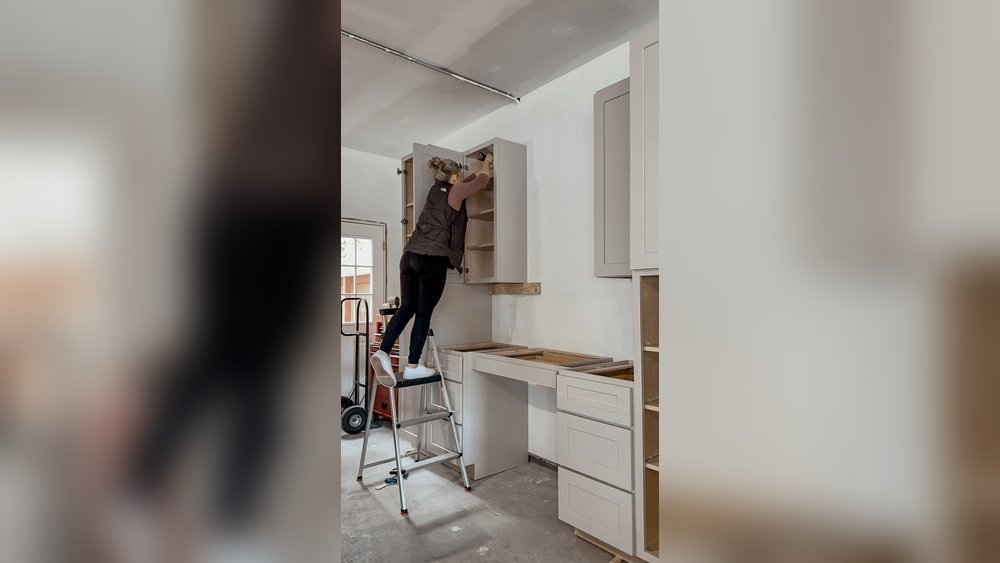
Hanging cabinets on a wall might seem like a big project, but with the right steps, anyone can do it safely and confidently. Whether you’re updating your kitchen, laundry room, or garage, learning how to mount cabinets is a useful skill that adds value to your home.
This guide will walk you through every step, from preparation to finishing touches. Along the way, you’ll find practical tips, clear explanations, and solutions to common problems. By the end, you’ll understand everything you need to hang cabinets securely and make your space look professional.
Understanding What You Need Before You Start
Good preparation makes the job much easier. Gather all tools and materials before you begin. Here’s a list to help you get ready:
- Stud finder
- Level
- Tape measure
- Drill and drill bits
- Screwdriver
- Cabinet screws (typically 2.5 to 3 inches)
- Pencil
- Shims
- Clamps
- Ladder or sturdy step stool
- Safety glasses and gloves
- Cabinet hanging ledger board (optional, but recommended for beginners)
Check your cabinets for any missing hardware. Many cabinets come with their own mounting screws and brackets, but not all do. If you’re working with heavy cabinets or older walls, consider getting heavy-duty wall anchors.
Cabinets And Wall Types
Not all walls are the same. Most homes use wood studs behind drywall, but some walls are concrete, brick, or made from steel studs. Always check your wall type. For wood studs, use cabinet screws. For concrete or brick, use masonry anchors. Steel studs require special toggle bolts. If you’re unsure, drill a small test hole to check what’s behind the wall.
Measuring And Marking: The Foundation For Success
Accurate measurements are the secret to cabinets that look straight and stay in place. Rushing this step is the most common mistake—take your time.
- Measure the wall space where you want to hang cabinets. Mark the top and bottom edge of the cabinet area with a pencil.
- Find and mark the studs with a stud finder. Mark the center of each stud—this is where you’ll drive your screws.
- Mark cabinet heights. Standard upper cabinets are usually 54 inches from the floor to the bottom of the cabinet (assuming standard 36-inch base cabinets and 18 inches of space above).
- Draw reference lines for both the top and bottom of the cabinets using a level. These lines keep everything straight, even if your floor or ceiling isn’t perfectly level.
Example Cabinet Height Calculations
If you’re installing cabinets above a countertop:
- Countertop height: 36 inches
- Space above counter: 18 inches
- Bottom of cabinet: 36 + 18 = 54 inches from the floor
For garage or utility cabinets, you can adjust heights as needed for your specific use.
Installing A Ledger Board For Easier Mounting
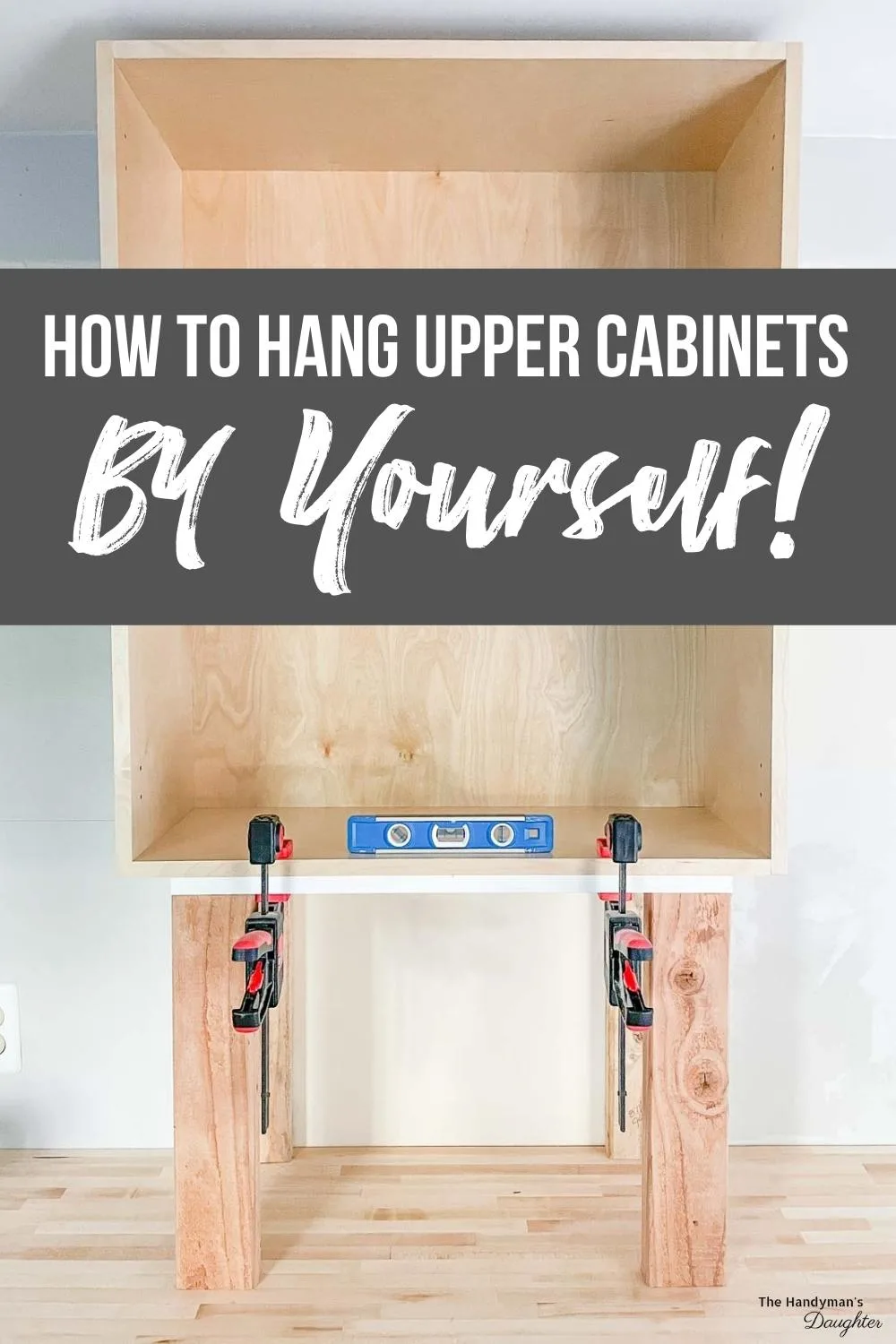
A ledger board is a temporary support piece screwed into the wall at the bottom line of your cabinets. This board holds the cabinet’s weight while you fasten it, making the process safer and easier—especially if you’re working alone.
- Attach a straight 1×3 or 2×4 board just below your bottom line.
- Make sure it’s level. This board will support the cabinets as you mount them.
- After installation, remove the ledger board and patch the holes.
This step is optional but highly recommended for beginners or when working with heavy cabinets.
Preparing The Cabinets
Before you hang anything, do some prep work on the cabinets themselves.
- Remove cabinet doors and shelves. This makes the cabinets lighter and easier to handle.
- Drill pilot holes in the top and bottom back panels of the cabinets where screws will go into the studs.
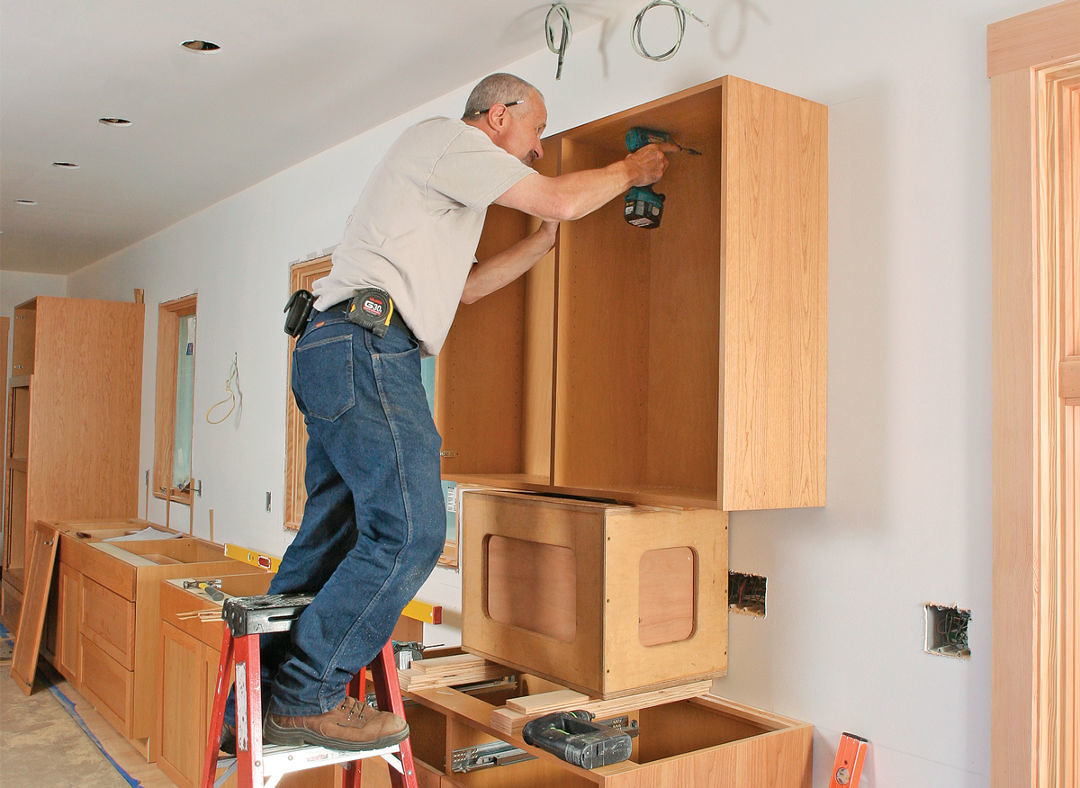
- Join cabinets together if you’re hanging several in a row. Clamp them side by side, drill small holes through the side walls, and screw them together. This helps them line up perfectly on the wall.
Non-obvious Tip
Many beginners skip joining cabinets before mounting. However, pre-joining gives a seamless look and makes installation faster. If your cabinets have a face frame, align those edges before tightening.
Credit: www.finehomebuilding.com
Mounting The Cabinets: Step-by-step
Here’s the main event. This section breaks down the process so you won’t miss anything.
1. Start With The Corner Cabinet
- Always hang the corner or first cabinet first. It serves as your anchor for the rest.
- Lift the cabinet onto the ledger board (or have a helper hold it in place).
- Align the cabinet with your reference lines and stud marks.
- Drive cabinet screws through the pre-drilled holes into the wall studs. Start with the top screw, then check for level before adding the rest.
2. Add Remaining Cabinets
- Hang each next cabinet so the top and bottom edges match your lines.
- Clamp each cabinet to the one next to it and screw them together through the side walls.
- Insert shims behind the cabinets as needed to keep everything level and plumb.
- Use the level to check your work after each cabinet.
3. Secure All Cabinets
- Once all cabinets are up, go back and tighten all screws.
- Remove clamps and the ledger board.
- Replace the shelves and doors.
Common Mistake: Overtightening Screws
Tighten screws until the cabinet is snug to the wall, but don’t crush the cabinet back or strip the wood. Overtightening can damage both the cabinet and the wall.
Adjusting And Finishing Touches
Once cabinets are up, small adjustments make a big difference in the final look.
Door And Drawer Alignment
- Many cabinet doors have adjustable hinges. Use these to fine-tune gaps and alignment.
- Make sure all doors open and close smoothly.
- Adjust drawers if needed for even spacing.
Filling Gaps
- Use trim or molding to cover small gaps between cabinets or between cabinets and the wall.
- Caulk can seal small gaps for a more finished look.
Clean-up
- Wipe down the cabinets and surrounding area.
- Patch any holes left by the ledger board or mistakes.
Safety And Quality Checks
Don’t skip this step. A quick safety check can prevent future accidents.
- Open and close all doors to ensure nothing is loose.
- Press down gently on shelves to check stability.
- Make sure all screws are tight and in studs or strong anchors.
Non-obvious Insight
After installation, load cabinets with only light items at first. This way, if something is not secure, you’ll notice before placing heavy items inside.
Comparison: Wall Types And Fastening Methods
Choosing the right fastening method is critical. Here’s a comparison for common wall types:
| Wall Type | Best Fastener | Special Considerations |
|---|---|---|
| Wood Studs | Cabinet Screws | Always hit the center of the stud |
| Concrete/Brick | Masonry Anchors | Use a hammer drill and dust mask |
| Steel Studs | Toggle Bolts | Check bolt length for cabinet thickness |
| Plaster | Wood Screws into Studs | Drill slowly to avoid cracking |
Credit: www.thehandymansdaughter.com
Cost And Time: What To Expect
Understanding the time and cost involved will help you plan your project better.
| Task | DIY Time Estimate | Typical Cost (USD) |
|---|---|---|
| Measuring & Marking | 30-45 min | Free |
| Cabinet Prep | 30 min | Free |
| Hanging (per cabinet) | 30-45 min | Free if DIY |
| Tools & Hardware | – | $30–$100 |
| Professional Install | – | $100–$400 per cabinet |
Pro tip: Doing it yourself can save hundreds of dollars, but always factor in your time and safety.
Mistakes To Avoid
Many people make these errors when hanging cabinets. Knowing them ahead of time helps you avoid problems.
- Skipping stud finding. Cabinets hung only on drywall will fall down.
- Rushing measurements. One wrong line means crooked cabinets.
- Ignoring wall types. Using the wrong anchor can cause failure.
- Not leveling. Cabinets that aren’t level look bad and make doors swing open or shut.
- Overloading immediately. Wait 24 hours before placing heavy items inside.
If you run into unexpected problems, ask for help. Sometimes, hiring a pro for tricky situations—like uneven walls or extra-large cabinets—is a smart choice.
When To Call A Professional
Most people can hang cabinets with patience and the right tools. But if you have these situations, consider hiring help:
- Very heavy or custom cabinets
- Walls that are badly damaged or not straight
- No experience using power tools
- No helper available for lifting
A professional can also install cabinets faster and handle plumbing or electrical issues if needed.
Extra Tips For A Flawless Finish
- Paint or finish walls before hanging cabinets for a clean look.
- Label shelves and doors before removing them to make reassembly easier.
- Use painter’s tape to protect countertops or floors from damage.
- Double-check all measurements before drilling—measure twice, drill once.
- Keep all screws and hardware in a small container to avoid losing them.

Credit: www.thisoldhouse.com
External Resource
For more detailed cabinet installation guides and advice, check the Family Handyman Cabinet Hanging Guide.
Frequently Asked Questions
How Do I Find The Studs In My Wall Before Hanging Cabinets?
Use an electronic stud finder and slowly move it across the wall where cabinets will go. Mark each stud’s center with a pencil. If you don’t have a stud finder, tap gently on the wall and listen for a solid sound, then use a small nail to check.
Can I Hang Cabinets On Drywall Without Hitting Studs?
No. Drywall alone cannot support cabinets. Always screw into wall studs or use heavy-duty anchors for other wall types. Never rely on drywall alone, even with anchors, for heavy cabinets.
How Much Weight Can Wall Cabinets Hold?
Properly installed cabinets screwed into studs can hold up to 500 pounds or more, depending on the cabinet and fasteners. Always follow the cabinet manufacturer’s recommendations.
What If My Wall Is Not Perfectly Flat Or Straight?
Use shims behind the cabinet at screw points to adjust for uneven walls. Place shims where needed to keep cabinets flush and level. Trim excess shim material after installation.
Is It Necessary To Remove Cabinet Doors And Shelves Before Installation?
Yes, it’s best to remove doors and shelves before hanging cabinets. This makes cabinets lighter, easier to handle, and reduces the risk of damage during installation.
Hanging cabinets might take some patience, but the reward is a strong, attractive storage solution that lasts for years. With careful steps and attention to detail, your cabinets will be safe, level, and ready for everyday use.