If you’re planning a home renovation in Texas, you probably have a lot on your mind. Finding the right contractor, picking colors, and arranging schedules are just the start. But one important detail people often overlook is storage unit size. Choosing the right storage unit can protect your things, keep your project moving, and help you avoid extra costs.
The Texas climate, with its hot summers and sudden storms, adds more to consider. You need space for furniture, appliances, boxes, and sometimes even building materials. This guide will walk you through every detail about picking the best storage unit size for your home renovation in Texas.
You’ll learn practical steps, get real examples, and avoid costly mistakes that beginners often make.
Why Storage Units Matter During Home Renovation
During a renovation, your home becomes a work zone. Dust, paint, and moving workers can put your belongings at risk. Storage units offer a safe place for furniture, electronics, and personal items. This not only protects your things but gives contractors the space they need to work efficiently.
Many Texas homeowners also find that their garages, sheds, or spare rooms fill up fast. Renting the right size unit means you won’t have to squeeze belongings into spaces that aren’t made for storage. You avoid damage, save time, and reduce stress.
Common Storage Unit Sizes And What They Fit
Texas storage facilities offer many unit sizes. Here’s a look at the most common options and what each one can hold.
| Unit Size | Approximate Dimensions | What Fits |
|---|---|---|
| 5×5 | 25 sq. ft. | Small boxes, seasonal items, a few chairs |
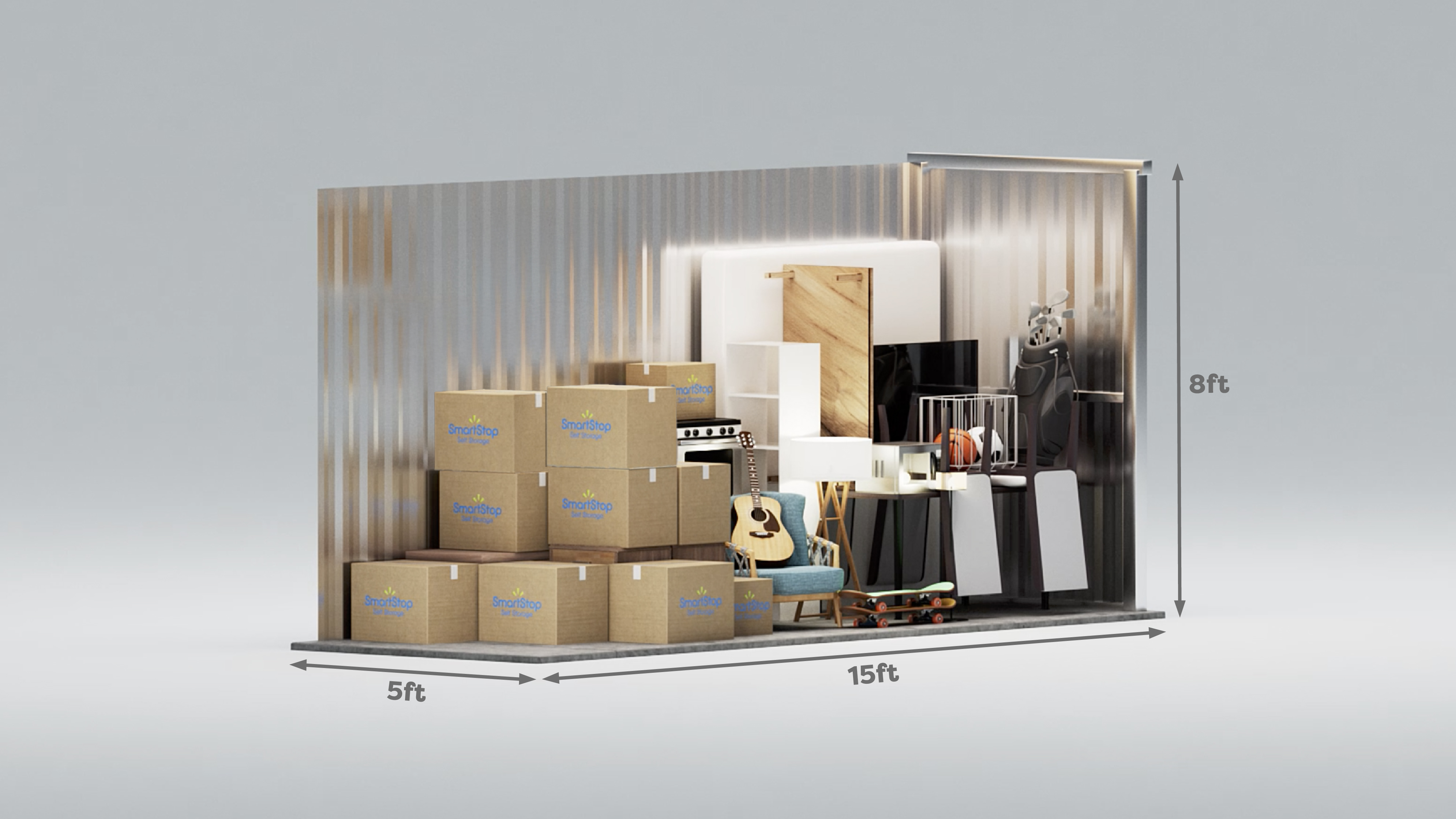
| 5×10 | 50 sq. ft. | Small sofa, mattress, medium boxes, lamps |
| 10×10 | 100 sq. ft. | Contents of 1 bedroom, appliances, large boxes |
| 10×15 | 150 sq. ft. | Furniture from 2–3 rooms, appliances, bikes |
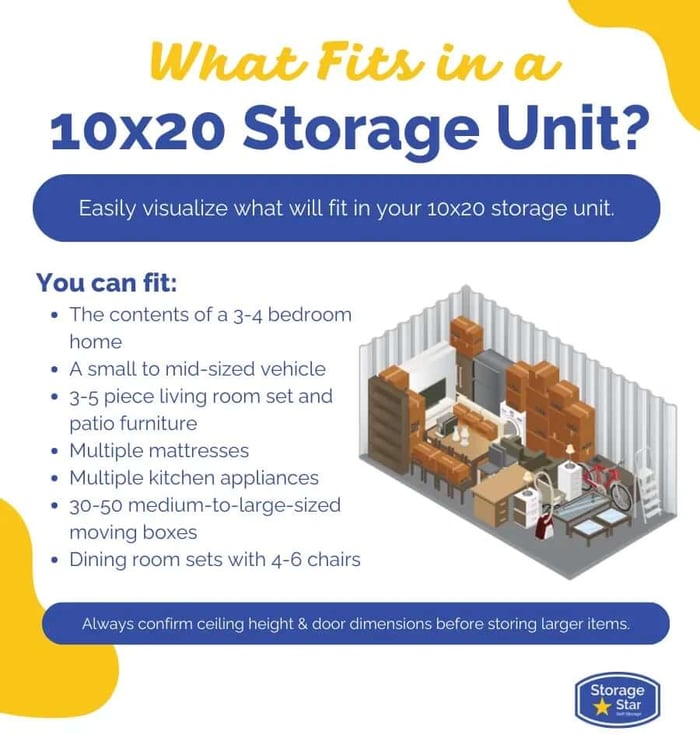
| 10×20 | 200 sq. ft. | Contents of full house (2–3 bedrooms) |
| 10×30 | 300 sq. ft. | Large homes, vehicles, building materials |
Non-obvious insight: Most people underestimate how much space furniture actually takes. For example, a couch can take up more than 35 square feet. Always measure large items before picking a unit.
How To Estimate Your Storage Needs
Before you choose a unit, you need a clear idea of what will go inside. Here’s how to estimate your needs:
- List all items you want to store. Include furniture, appliances, boxes, and any special items like bikes or tools.
- Measure large items with a tape measure. Write down the length, width, and height.
- Count your boxes and group them by size: Small, medium, large.
- Add 10-15% extra space for easy access and to avoid stacking too high.
Here’s an example estimation for a typical Texas living room:
- 1 three-seat sofa (7×3 ft)
- 1 armchair (3×3 ft)
- 1 coffee table (4×2 ft)
- 10 medium boxes (2×2 ft each)
- 1 TV (boxed, 4×2 ft)
- 2 floor lamps
Add the dimensions, and you’ll see these items need about 70–80 square feet. A 10×10 unit would work, but a 10×15 gives extra space to move around.
Factors To Consider When Choosing Storage Unit Size
Every home renovation is different. Here are the main things to think about:
1. Size Of Your Project
A small bathroom remodel may only need a 5×10 unit for towels, toiletries, and a few cabinets. But a whole-home makeover could require 10×20 or larger.
2. Duration Of Storage
If you plan to store items for several months, leave extra space for ventilation. This helps prevent humidity damage, which is a concern in humid Texas summers.
3. Access Needs
Will you need to get things out during the renovation? If yes, pick a unit that allows you to create aisles. This makes it easy to find what you need without unpacking the whole unit.
4. Special Items
Texas homes often have outdoor furniture, grills, or even small boats. These need more space, and sometimes climate control. Make a separate list for these large or sensitive items.
5. Climate Control
Texas heat can damage wooden furniture, electronics, and artwork. Consider a climate-controlled unit for these items, especially if storing for more than a few weeks.
6. Local Facility Options
Not every facility offers every unit size. In rural Texas towns, you may find fewer options. In big cities like Houston or Dallas, you might have dozens of choices.
Non-obvious insight: Some storage facilities allow you to “size up” later. If you’re unsure, ask about flexibility before signing a contract.
Credit: www.storagestar.com
Real-life Examples: Matching Storage Units To Renovation Projects
To make things clear, here are real Texas home renovation scenarios:
Example 1: Kitchen Remodel In Austin
- Items to store: Table, 6 chairs, 2 cabinets, 8 boxes of kitchenware.
- Best unit: 5×10 (if you break down the table and stack boxes neatly).
Example 2: Full Living Room Upgrade In Dallas
- Items: Couch, 2 armchairs, entertainment center, TV, 12 boxes, area rug.
- Best unit: 10×10 (offers room for all furniture and boxes, with space to walk inside).
Example 3: Whole House Renovation In Houston
- Items: All bedroom furniture, living room set, kitchen appliances, 30+ boxes, outdoor grill, bikes.
- Best unit: 10×20 or 10×30 (you’ll need space for large items and easy access).
Mistakes To Avoid When Selecting Storage Unit Size
Even experienced homeowners can make mistakes. Here are some to watch for:
- Choosing the cheapest unit and running out of space. You’ll end up renting a second unit or cramming things in.
- Not considering access needs. If you pack a small unit too full, getting to something at the back is nearly impossible.
- Forgetting about climate control. Texas heat can warp wood, melt candles, and ruin electronics.
- Ignoring insurance. Some storage units require you to have insurance for your items.
- Underestimating moving supplies. Boxes, plastic wrap, and blankets take up space too.
Tip: Take photos of your items before moving them. This helps with insurance and lets you check what’s stored without opening every box.
Credit: smartstopselfstorage.com
Comparing Storage Unit Sizes And Costs In Texas
Price matters, especially during a renovation. Here’s a comparison of average monthly costs for standard storage units in Texas cities.
| Unit Size | Houston | Dallas | San Antonio |
|---|---|---|---|
| 5×5 | $40–$60 | $35–$55 | $30–$50 |
| 5×10 | $60–$90 | $55–$85 | $50–$80 |
| 10×10 | $90–$140 | $85–$130 | $80–$120 |
| 10×20 | $160–$220 | $150–$210 | $140–$200 |
| 10×30 | $240–$320 | $220–$300 | $200–$280 |
Prices can change based on location, demand, and features like climate control.
Practical Tips For Packing Your Storage Unit
- Disassemble large furniture if possible. Remove legs from tables and couches to save space.
- Use sturdy, same-size boxes for easy stacking and less wasted space.
- Label boxes clearly on multiple sides.
- Place heavy items on the bottom and lighter ones on top.
- Leave a walkway for easy access if you’ll need things during the renovation.
- Cover items with cloth or plastic to protect from dust—even in climate-controlled units.
Non-obvious insight: Stack boxes along the walls and leave a center aisle. This makes it much easier to find or remove items as your project goes on.
When To Reserve Your Storage Unit In Texas
Storage units fill up fast during busy renovation months—usually spring and summer. It’s smart to reserve your unit at least 2–4 weeks in advance. This gives you the best selection of sizes and features.
If you live in a smaller Texas town, ask about reservation policies. Some facilities let you reserve online, while others require a phone call or in-person visit.
Climate And Security Considerations
Texas weather can be harsh. If you’re storing valuable or sensitive items, check for:
- Climate control: Keeps temperature and humidity steady.
- 24/7 surveillance: Most modern Texas facilities have cameras and secure gates.
- On-site staff: Helpful if you have questions or need assistance.
- Flood protection: Ask if the facility is in a flood-prone area, especially in Houston.
For more about Texas climate and storage protection, see the National Weather Service.
Credit: www.cubesmart.com
How To Make The Final Choice
When you’re ready to pick a storage unit size:
- Review your item list and measurements.
- Decide if you need climate control.
- Consider your access needs and how long you’ll store items.
- Compare costs and ask about special deals or flexibility.
- Tour the facility if possible to check cleanliness and security.
Don’t rush this decision. It’s easier to start with a slightly larger unit than to move everything again if you run out of space.
Frequently Asked Questions
How Do I Know If I Need Climate-controlled Storage In Texas?
If you’re storing wood furniture, electronics, artwork, or anything sensitive to heat or humidity, climate control is a smart choice. Texas summers can reach over 100°F, which can damage many household items.
Can I Change My Storage Unit Size After Moving In?
Many Texas storage facilities allow you to upgrade to a larger unit if needed, but availability can be limited during busy seasons. Always ask about their policy before you sign a rental agreement.
What’s The Best Way To Stack Furniture In A Storage Unit?
Disassemble furniture when possible. Place heavier items on the bottom and lighter pieces on top. Keep sofas and mattresses upright along the walls to save floor space.
How Much Does A Storage Unit Cost During Home Renovation In Texas?
Prices vary by city, unit size, and features. A 5×10 unit might cost $50–$90 per month, while a 10×20 unit can range from $140–$220. Climate control adds about 15–30% more to the price.
What Happens If I Don’t Rent A Big Enough Unit?
You may have to rent a second unit, which costs more time and money. It’s better to choose a unit slightly larger than your estimate to avoid this problem.
Choosing the right storage unit size for your home renovation in Texas can save you stress, money, and protect your belongings. By following these practical steps, you’ll make your renovation smoother and your storage experience worry-free.