A bathroom closet can be a hidden treasure or a stressful mess. For many, it’s a place where towels, toiletries, and cleaning supplies pile up without order. If you’ve ever struggled to find a clean towel or spent too much time hunting for shampoo, you know the importance of organizing this small but essential space.
A well-arranged bathroom closet not only saves time but also creates a calming environment that makes daily routines easier. With a few smart strategies and practical tips, you can turn your bathroom closet from chaos into order—no matter its size or layout.
Understanding Your Bathroom Closet’s Potential
Every bathroom closet is unique. Some are deep and narrow, others are wide with adjustable shelves. The first step is to understand what you have. Measure the height, width, and depth. Pay attention to door swing and shelf placement. If your closet is small, vertical space is crucial.
Larger closets offer more flexibility, but can quickly become cluttered if not managed.
A common mistake is ignoring unused corners or failing to adjust shelves. Most bathroom closets aren’t designed for optimal storage, but you can change that. Evaluate the space and list what you want to store: towels, toilet paper, cleaning products, personal care items, or medical supplies. This simple inventory helps you plan a system that fits your needs.
Decluttering: The Foundation Of Organization
Before you organize, you must declutter. Too many people skip this step and end up organizing things they don’t need. Empty the closet completely and sort everything into three groups:
- Keep: Items you use regularly.
- Donate or Recycle: Products in good condition, but unused.
- Dispose: Expired, broken, or useless items.
Check expiration dates on medicines, skincare, and cleaning supplies. Old towels can be repurposed as cleaning rags. If you find duplicate items, keep only what you need. Decluttering is often the hardest part, but it’s the key to a lasting system.
Categorizing Items For Smart Storage
Once you’ve decluttered, group items by category. This step prevents random mixing and makes it easier to find things later. Common bathroom closet categories include:
- Towels and linens
- Toiletries
- Cleaning products
- First aid and medicines
- Toilet paper and tissue
- Hair tools and accessories
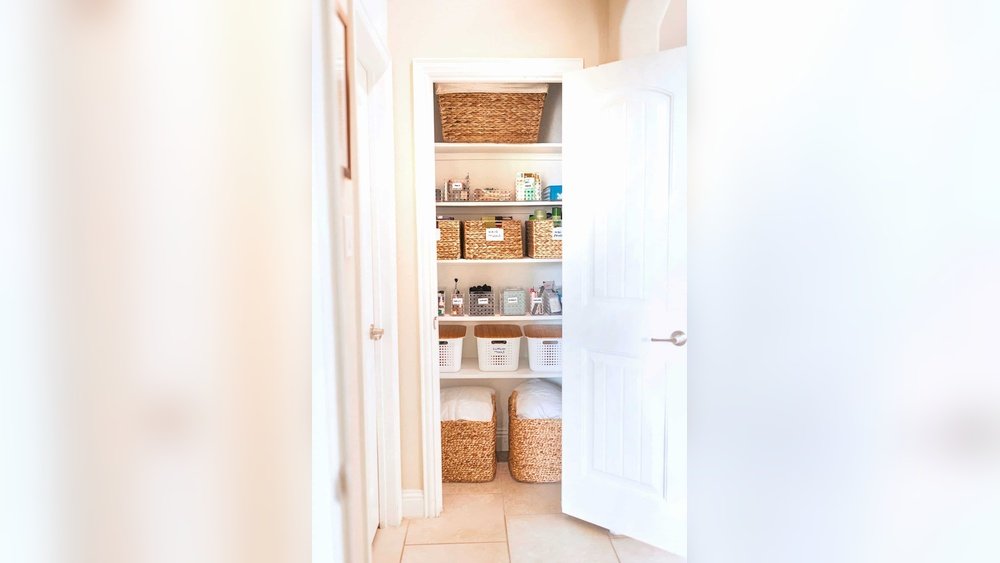
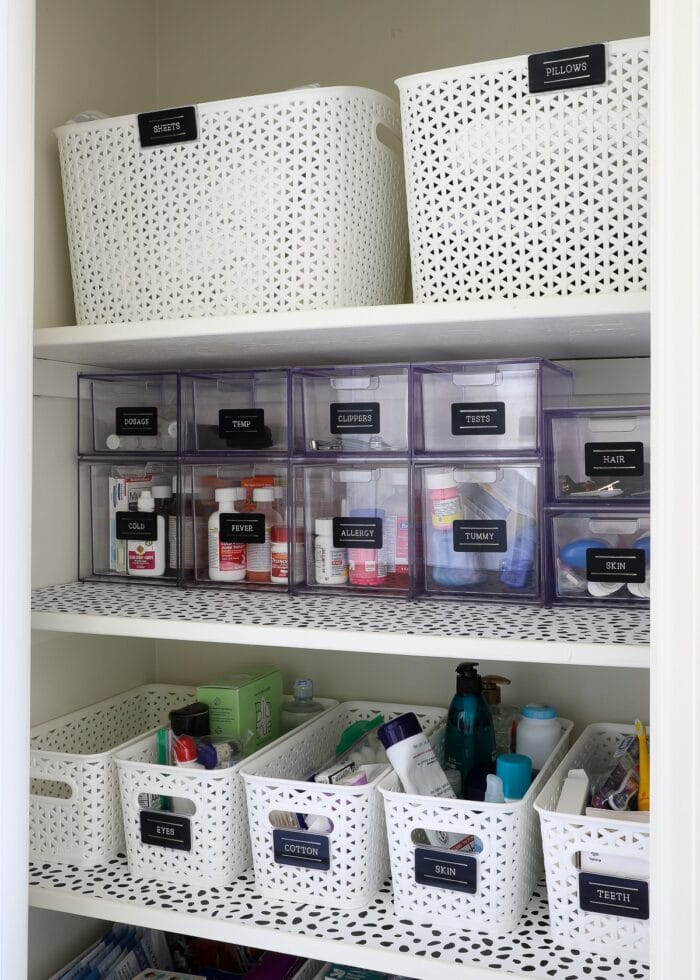
Store similar items together in bins or baskets. For example, keep all shower gels in one container, and all dental care products in another. This method saves time and reduces confusion.
Choosing Storage Solutions
Selecting the right storage tools is essential. Not all bins and baskets fit every closet. Below is a comparison of popular storage options for bathroom closets:
| Storage Solution | Best For | Pros | Cons |
|---|---|---|---|
| Plastic Bins | Toiletries, medicines | Easy to clean, affordable | Can crack over time |
| Wire Baskets | Towels, linens | Visible contents, sturdy | Items may snag |
| Fabric Bins | Hair tools, accessories | Soft, flexible | Can stain easily |
| Drawer Organizers | Small items | Divides space, reduces mess | Limited size |
Measure your shelves before buying containers. Stackable bins work well for narrow closets. Clear bins help you see contents quickly, but opaque bins are good for hiding clutter. Don’t overlook door organizers—they can hold brushes, razors, and small bottles.

Credit: www.blesserhouse.com
Arranging Shelves For Maximum Efficiency
Shelf arrangement makes a big difference. If possible, adjust shelf height to fit your largest items. Place frequently-used items at eye level, and heavier items (like cleaning supplies) on lower shelves for safety. Reserve high shelves for spare towels or backup products.
Here’s a typical shelf layout for a standard bathroom closet:
| Shelf Level | Suggested Items |
|---|---|
| Top Shelf | Extra towels, bulk items |
| Middle Shelves | Daily toiletries, medicines |
| Lower Shelves | Cleaning products, toilet paper |
This arrangement keeps essentials within reach and reduces bending or stretching.
Labeling: The Secret To Staying Organized
Labels are often overlooked, but they help everyone in the household keep the closet tidy. Use simple labels on bins, baskets, or shelves. You don’t need fancy stickers; handwritten notes work too. Clear labeling prevents confusion and saves time.
For example, label bins as “Shampoo & Conditioner,”“First Aid,” or “Towels.” If you share a bathroom, labels make it easy for others to find and return items.
Creating A System For Restocking And Maintenance
An organized closet is only effective if you keep it that way. Set a regular schedule for restocking and cleaning. Once a month, check for low supplies and expired products. Make a quick shopping list for essentials like toilet paper, soap, and toothpaste.
An easy system is a simple checklist taped inside the closet door:
- Check towel supply
- Replace expired medicines
- Restock toiletries
- Refill cleaning products
This habit prevents clutter and ensures you’re never caught without basics.
Handling Small Or Unusual Closet Spaces
Not every bathroom closet is standard. Some are very small, while others are oddly shaped. For tiny closets, maximize vertical space with stackable bins and hanging organizers. Use hooks or adhesive shelves on doors and walls.
If your closet is deep but narrow, use pull-out bins or sliding baskets. This prevents items from getting lost in the back. For unusual shapes, custom-fit containers or adjustable shelves help.
Here’s a comparison of solutions for small vs. large closets:
| Closet Type | Best Storage Solutions | Common Challenges |
|---|---|---|
| Small Closet | Stackable bins, door organizers, hooks | Limited space, clutter buildup |
| Large Closet | Adjustable shelves, large baskets, zoning | Items lost, overstocking |
Tips For Keeping Your Bathroom Closet Fresh
A bathroom closet can get damp or musty. To keep it fresh, try these tips:
- Use moisture absorbers like silica gel or charcoal packets.
- Wipe shelves regularly with disinfectant.
- Leave the door open occasionally to air out.
- Avoid storing wet towels or open containers.
- Install a small fan or vent if humidity is a problem.
These simple steps help prevent mold and odors, protecting your supplies.
Common Mistakes And How To Avoid Them
Many people make mistakes when organizing their bathroom closet. Here are a few to watch out for:
- Overstuffing: Trying to fit too much makes it hard to find anything.
- Ignoring shelf height: Shelves that don’t fit your items waste space.
- No system for restocking: Running out of essentials creates stress.
- Skipping labels: Without labels, the closet quickly becomes messy again.
- Storing hazardous items in reach of children: Always keep medicines and cleaning products out of reach.
Avoiding these mistakes keeps your closet efficient and safe.
Credit: thehomesihavemade.com
Non-obvious Insights For Lasting Organization
Some smart ideas are often missed by beginners:
- Zone your closet: Divide the space into zones for different types of items—like a towel zone, a cleaning zone, and a toiletries zone. This reduces cross-contamination and speeds up restocking.
- Rotate supplies: When you buy new products, place them behind older ones. This helps you use older items first, preventing waste.
- Track usage: Keep a small notepad or use your phone to note which items run out quickly. This data helps you shop smarter and avoid overbuying.
These strategies add depth to your organization and save money over time.
Example: A Real-life Bathroom Closet Makeover
Let’s look at a practical example. Julia, a busy mom, had a cramped bathroom closet overflowing with towels and old shampoo bottles. She started by decluttering, removing expired products and donating unused items. Next, she grouped supplies into categories and bought clear plastic bins for toiletries and wire baskets for towels.
Julia labeled each bin and adjusted the shelves so her children could reach their own supplies. She set a monthly reminder to restock and wipe shelves. Within a week, her closet was neat, easy to use, and stayed organized longer than before.
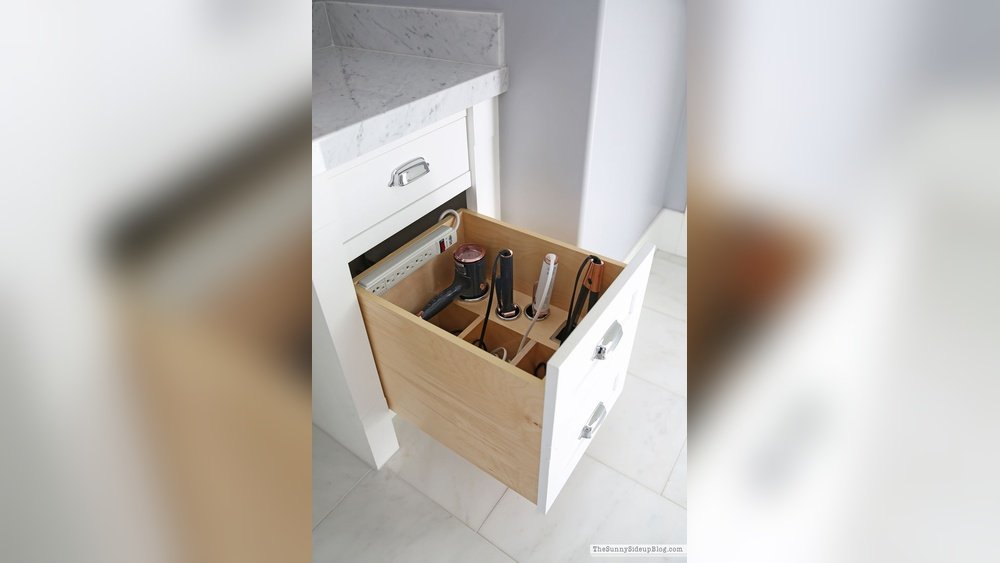
Her key insight: Keeping a checklist and rotating supplies made a big difference. She also found that using door organizers for hair tools freed up shelf space.
When To Get Professional Help
Some closets are beyond simple fixes—especially if you have plumbing issues, mold, or need major renovations. If your closet is damp, has leaks, or needs custom shelving, consider hiring a professional organizer or contractor. Professional help can save time and prevent damage to your home.
For expert advice on home organization, visit Good Housekeeping.
Frequently Asked Questions
How Do I Organize A Bathroom Closet With No Shelves?
If your closet lacks shelves, use freestanding stackable bins or install adjustable wire racks. Hanging organizers or hooks on the door can also help maximize space.
What Should Not Be Stored In A Bathroom Closet?
Avoid storing open food, batteries, and electronics. Moisture can damage these items or create health risks. Keep medicines in sealed containers and out of reach of children.
How Often Should I Clean And Declutter My Bathroom Closet?
Clean and declutter at least once a month. Check for expired products, wipe shelves, and restock supplies. Regular maintenance prevents buildup and keeps the closet fresh.
Can I Use The Bathroom Closet For Linen Storage?
Yes, but keep linens in dry, sealed bins to protect from moisture. Store towels and sheets separately from toiletries and cleaning products for hygiene.
What Are The Best Moisture Control Solutions For Bathroom Closets?
Use silica gel packets, charcoal absorbers, or moisture-proof bins. Install a small fan or vent if humidity is a problem. Avoid storing wet items and air out the closet regularly.
Organizing a bathroom closet is not just about tidiness—it’s about creating a space that supports your daily routine. With thoughtful decluttering, smart storage solutions, and regular maintenance, you can keep your bathroom closet efficient and stress-free. Even the smallest closet can be transformed with a little planning and creativity.
Start today, and enjoy the calm that comes with a well-organized space.
:max_bytes(150000):strip_icc()/277215173_5263654970353201_6870035683876288802_n-ed534d5acadd4a979945050099100cb0.jpg)
Credit: www.thespruce.com