Thinking about installing a reverse osmosis system in your home? You’re probably wondering if it’s really worth it.
After all, clean water is essential, but every solution has its ups and downs. What if your water filter removes more than just impurities? What if maintenance costs or slow water flow become daily hassles? You’ll discover the real pros and cons of reverse osmosis systems—so you can make a smart choice for your health, your budget, and your lifestyle.
Keep reading to find out what you need to know before making one of the most important decisions for your home’s water quality.

Credit: www.livingwhole.com.au
Benefits Of Reverse Osmosis
Reverse osmosis (RO) systems offer many benefits for home water filtration. They provide cleaner water by removing various impurities. These systems improve water quality, taste, and safety. Many families choose RO systems to enjoy fresh and healthy water every day.
Effective Contaminant Removal
RO systems remove up to 99% of harmful contaminants. This includes lead, chlorine, pesticides, and bacteria. The membrane filters out tiny particles that other filters miss. This makes the water safer for drinking and cooking. It also protects appliances from damage caused by minerals.
Improved Water Taste And Odor
Removing chlorine and other chemicals improves water taste. The result is fresher, cleaner water with no strange smells. Many people notice a big difference in flavor after installing RO systems. Better-tasting water encourages more hydration and healthier habits.
Health Advantages For Sensitive Groups
RO water benefits children, pregnant women, and elderly people. It reduces exposure to harmful substances like lead and nitrates. This helps lower health risks for people with weak immune systems. Clean water supports overall well-being and protects vulnerable groups.
Environmental Impact Reduction
Using RO water cuts down on bottled water use. This lowers plastic waste and pollution. RO systems also reduce the need for harsh chemical treatments. Saving resources helps protect the environment for future generations. Clean water with less waste supports a healthier planet.
Drawbacks Of Reverse Osmosis
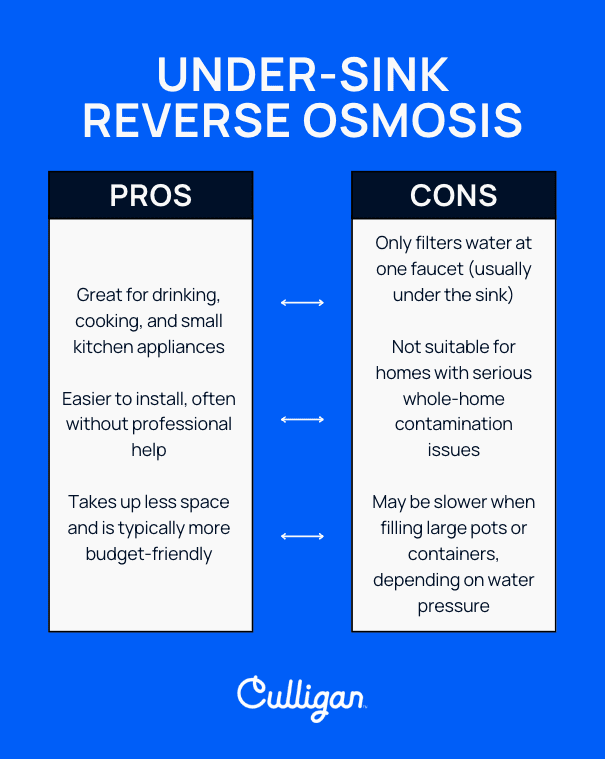
Reverse osmosis systems effectively purify water but carry some drawbacks. Understanding these downsides helps in making a well-informed choice. Below are key issues to consider before installing an RO system.
Mineral Removal Concerns
Reverse osmosis removes not only harmful substances but also essential minerals. Calcium, magnesium, and potassium often get filtered out. This can lead to water that tastes flat or bland. Long-term consumption of demineralized water may affect health. Some people prefer to add minerals back after filtration.
Water Wastage Issues
RO systems typically waste more water than they produce. For every gallon of purified water, several gallons may be discarded. This inefficiency raises environmental concerns and can increase water bills. Some newer models reduce waste but still use more water than other filters.
System Installation Costs
Installing a reverse osmosis system can be costly. The initial price includes equipment and professional setup. Complex plumbing may increase expenses further. Budget considerations are essential, especially for whole-house systems. Cheaper units might lack important features or durability.
Maintenance Requirements
Regular maintenance is necessary to keep RO systems working well. Filters and membranes need periodic replacement. Neglecting maintenance can reduce water quality and system lifespan. Maintenance costs add up over time. Users must commit to cleaning and monitoring the system regularly.
Common Problems With Ro Systems
Reverse osmosis (RO) systems offer clean water but may face some common problems. These issues can affect water quality and system performance. Understanding these problems helps in timely maintenance and repair. Here are the typical problems users report with RO systems.
Slow Water Flow
Slow water flow is a frequent complaint with RO systems. It often happens when filters or membranes clog with dirt. Low water pressure can also reduce flow speed. Regular filter changes keep water flowing smoothly. A clogged flow restrictor may also cause slow output.
Leaks And Loose Fittings
Leaks appear around fittings and connections in many RO units. Loose or damaged O-rings can cause water to drip. Tightening fittings or replacing worn parts usually stops leaks. Check all connections during routine maintenance to avoid water damage.
Noisy Operation
Some RO systems produce noises during use. Gurgling sounds are normal as water moves through the tank. Humming or buzzing may indicate a pump or valve issue. Noises can signal the need for part replacement or adjustment. Quiet operation means the system works well.
Cloudy Or Bad Tasting Water
Cloudy or bad tasting water may suggest filter or membrane problems. Old filters lose effectiveness and allow impurities through. Contaminants can cause unpleasant taste or odor. Changing filters regularly ensures clean, clear water. Flushing the system after filter replacement helps too.
Constant Draining Issues
RO systems drain some water during filtration, but constant draining is a problem. A clogged or faulty flow restrictor often causes this issue. It wastes water and reduces system efficiency. Replacing the flow restrictor or checking the drain line stops unnecessary water loss.
Fixes And Maintenance Tips
Maintaining a reverse osmosis (RO) system ensures clean water and extends its life. Regular fixes and care keep the system running smoothly. Simple checks and timely replacements prevent common problems.
Filter And Membrane Replacement
Replace filters every 6 to 12 months to maintain water quality. The RO membrane lasts 2 to 3 years. Old filters or membranes reduce efficiency and water taste. Use manufacturer-recommended parts for best results.
Checking Water Pressure
Water pressure affects the RO system’s performance. Low pressure slows water flow and reduces filtration. Use a pressure gauge to monitor it monthly. Adjust or fix your home’s water pressure if needed.
Storage Tank Care
Check the storage tank for leaks and proper pressure. A tank with a damaged bladder holds less water and wastes energy. Drain and refill the tank yearly to keep water fresh and prevent bacteria.
Flow Restrictor Maintenance
The flow restrictor controls water flow through the membrane. A clogged restrictor lowers system efficiency. Clean or replace the flow restrictor if water flow slows or stops. This keeps the system balanced and effective.
Sanitizing The System
Sanitize the RO system annually to prevent bacteria growth. Use a food-safe sanitizer or bleach solution as per instructions. Rinse the system thoroughly after sanitizing to avoid taste problems.
Health Considerations
Health considerations are vital when choosing a reverse osmosis (RO) system. This filtration method changes water composition by removing many substances. Understanding the effects on your health helps you make a smart choice. Below, we explore key health topics related to RO water.
Impact Of Demineralized Water
Reverse osmosis removes most minerals from water. This results in demineralized water that lacks calcium, magnesium, and other essential minerals. Drinking only demineralized water may reduce mineral intake. Low mineral water can taste flat or bland. Some studies suggest long-term use might affect bone health and electrolyte balance. The body usually gets minerals from food, but water can also be a source.
Using Remineralizing Filters
Many RO systems include remineralizing filters. These filters add back important minerals after purification. They improve the taste and restore mineral content. Remineralizing filters help balance pH and reduce acidity. They provide calcium and magnesium, supporting overall health. Using these filters can make RO water healthier and more enjoyable to drink.
Suitability For Pregnant Women And Children
RO water removes harmful contaminants, making it safer for pregnant women and children. It reduces lead, bacteria, and nitrates that pose risks. However, the lack of minerals means extra care is needed. Pregnant women and children should have a balanced diet to get enough minerals. Consult a healthcare provider if you rely on RO water daily. Proper mineral intake is important for growth and development.
Choosing The Right Ro System
Choosing the right reverse osmosis (RO) system is important for clean and safe water. Each home has different water needs. Picking a system that fits your situation saves money and improves water quality.
Consider your water source, budget, and maintenance ability. The right system removes harmful substances and keeps water fresh. Understanding options helps you make a smart choice.
Evaluating Water Quality Needs
Test your water before buying an RO system. Check for contaminants like lead, chlorine, or nitrates. Some systems filter more impurities than others.
Think about your family’s health. Babies and elderly need purer water. Also, check if your water is hard or soft. This affects the system’s performance.
Comparing Brands And Features
Look at different RO brands and their features. Some have multiple filtration stages for better cleaning. Others save water or have easy filter changes.
Read user reviews to know the system’s reliability. Warranty length and customer support matter too. Pick a model that fits your home and daily use.
Local Water Conditions In Austin, Texas
Austin’s water has specific issues like hard water and occasional contaminants. Knowing local water reports helps choose the right RO system.
Some systems are better for Austin’s minerals and chemicals. Local experts can guide you on the best setup. This ensures you get clean, safe water every day.
Installation And Warranty Insights
Understanding the installation process and warranty details helps you decide on the right reverse osmosis system. Installation affects system performance and your long-term satisfaction. Warranty coverage ensures protection against defects and failures. Both factors are key to a smooth ownership experience.
Professional Vs Diy Installation
Professional installation ensures the system fits perfectly and works efficiently. Experts handle plumbing and electrical connections safely. This reduces risks of leaks or damage. DIY installation may save money upfront. Yet, it requires tools, skills, and patience. Mistakes can lead to poor water quality or system failure.
Choosing professional help avoids headaches and saves time. DIY suits those confident in plumbing tasks and willing to follow instructions carefully. Check if your warranty requires professional installation to stay valid.
Warranty Coverage And Support
Most reverse osmosis systems come with limited warranties. They cover defects in parts and workmanship for a set time. Typical warranty periods range from one to five years. Some brands offer extended plans or full system coverage. Read warranty terms closely to know what is included.
Good warranty support offers free repairs or replacements. Customer service availability is important for quick problem resolution. Keep proof of purchase and installation details ready for warranty claims.
Local Service Providers
Having local service providers simplifies maintenance and repairs. They respond faster to service calls. Local experts understand common water issues in your area. They can recommend suitable system upgrades or filter replacements.
Check for authorized technicians near you. Some manufacturers list certified installers on their websites. Local service reduces downtime and protects your investment in the long run.
Credit: culliganla.com

Credit: culliganla.com
Frequently Asked Questions
What Is The Downside Of Reverse Osmosis?
The downside of reverse osmosis includes water waste, removal of beneficial minerals, slow filtration, and higher maintenance costs.
Is Reverse Osmosis Water Safe For Pregnancy?
Reverse osmosis water is safe during pregnancy as it removes harmful contaminants. Consider adding minerals back for balanced nutrition.
What Is The Common Problem In Ro?
Common RO problems include slow water flow, leaks, noise, and poor water taste or smell. These issues often stem from clogged filters, low water pressure, faulty tanks, or worn parts needing replacement or maintenance.
What Cannot Be Removed By Reverse Osmosis?
Reverse osmosis cannot remove dissolved gases, some pesticides, volatile organic compounds (VOCs), and certain chemicals like chlorine. It also leaves beneficial minerals behind.
Conclusion
Reverse osmosis systems offer clean, safe water by removing many contaminants. They use energy and may waste some water during filtration. Maintenance is necessary to keep the system working well. Consider your water needs and budget before choosing this system.
Overall, reverse osmosis can improve water quality but requires care and attention. Choose wisely for healthier drinking water in your home.