Opening a locked file cabinet without a key is a challenge many people face at some point, whether you’ve lost your key, inherited a locked cabinet, or need urgent access to important documents. While it’s always best to use the key or call a professional locksmith, sometimes that’s not an option.
In this article, you’ll learn several safe, effective methods to unlock a file cabinet, the tools you might need, and what to do if things go wrong. We’ll also discuss the risks and when it’s best to stop and call for help.
Understanding File Cabinet Locks
Most file cabinets use simple locking mechanisms. The most common types are cam locks (a metal bar that rotates behind the drawer), tubular locks, and central locking bars for multi-drawer cabinets. These locks are designed to keep documents away from casual access, not to resist skilled entry. However, there are big differences in difficulty, depending on the lock type, age, and cabinet material.
Common File Cabinet Lock Types
| Lock Type | Security Level | Common Tools Needed |
|---|---|---|
| Cam Lock | Low | Paperclip, screwdriver, lock pick set |
| Tubular Lock | Medium | Bump key, tubular pick |
| Central Locking Bar | Medium | Drill, long tool, coat hanger |
Knowing your lock type helps you pick the best method and avoid damaging the cabinet.
Preparing To Open Your File Cabinet
Before you try any unlocking method, take a few steps to avoid unnecessary damage.
- Check for a Spare Key: Sometimes, a replacement key is taped to the back or bottom of the cabinet, or with your office manager.
- Look for a Key Code: Many locks have a small code stamped near the keyhole. This code can help you order a new key online.
- Remove Obstructions: Clear the area around the lock. Remove any visible covers or trim panels that might block your tools.
- Gather Tools: Depending on your chosen method, you might need paperclips, screwdrivers, pliers, a lock pick set, or even a drill.
Non-destructive Entry Methods
Whenever possible, start with methods that don’t damage the lock or cabinet. These are ideal for most home and office cabinets.
1. Picking The Lock With Simple Tools
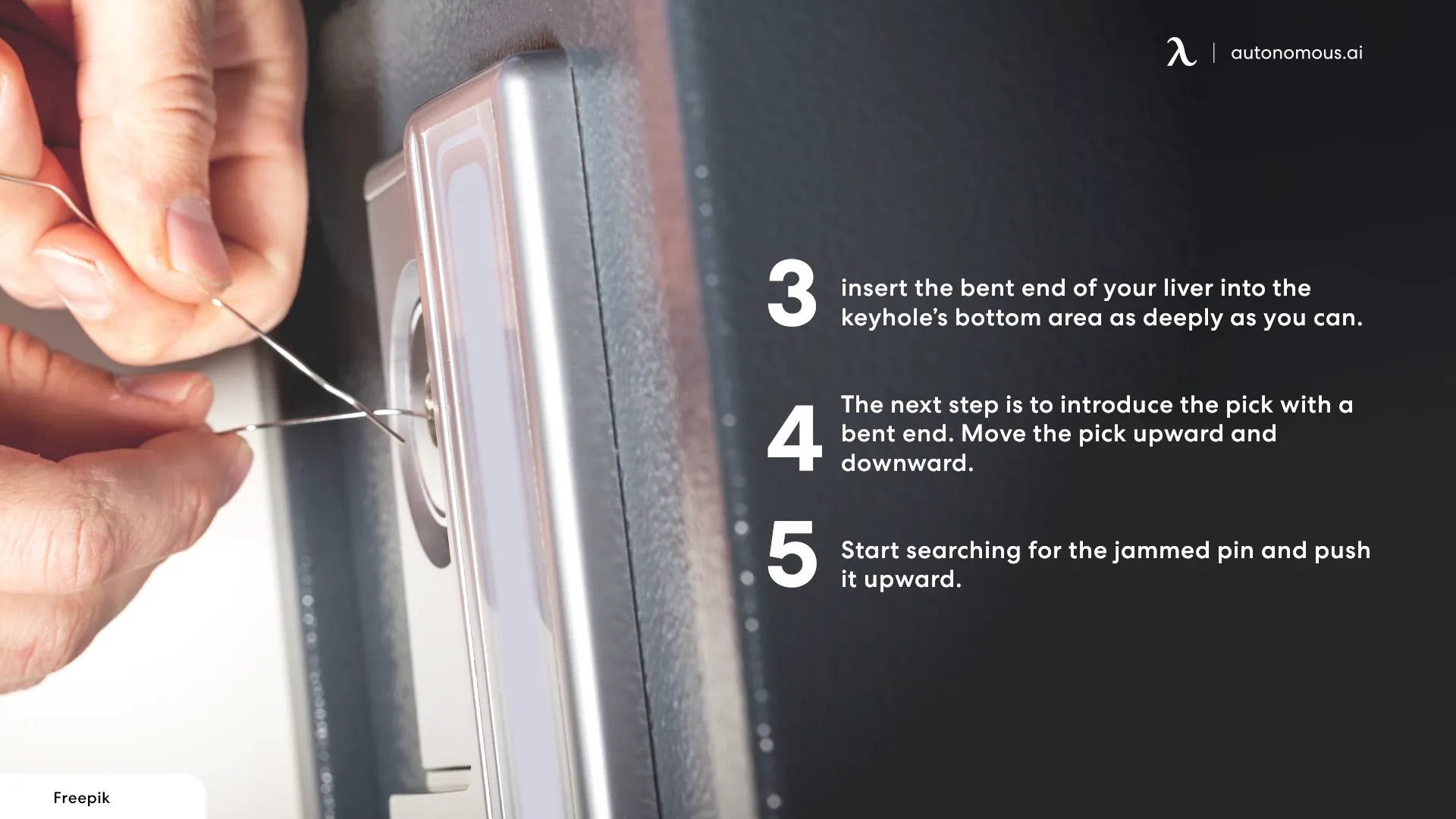
Lock picking sounds complicated, but most file cabinet locks are not high-security. You can often pick them with a paperclip or bobby pin.
- Step 1: Straighten a paperclip and bend the tip slightly.
- Step 2: Insert the paperclip into the keyhole and feel for pins.
- Step 3: Use gentle up-and-down motion while turning the clip like a key.
For stubborn locks, a small flat-head screwdriver and a tension wrench can help. This method requires patience but is less likely to cause damage.
2. Raking With A Lock Pick Set
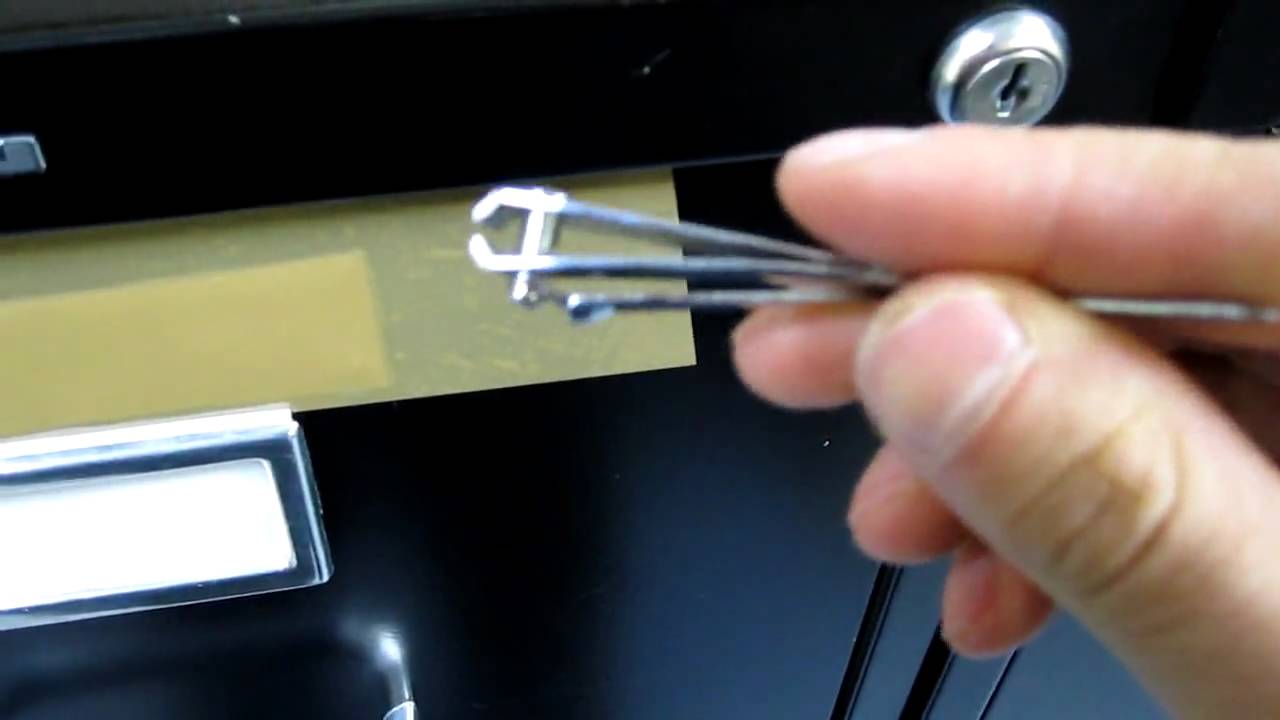
A basic lock pick set, available online for under $20, works on most file cabinet locks. Raking is a technique where you insert a rake pick into the lock and quickly move it in and out while applying gentle turning pressure with a tension tool.
- Tip: Practice on an old lock first if you’re new to picking.
3. Using A Bump Key
A bump key is a special key cut to the maximum depth. Insert the bump key, apply slight turning force, and tap the end of the key lightly with a small mallet or screwdriver handle. The pins jump, and the lock can turn.
- Warning: Not all file cabinet locks accept bump keys. Tubular locks need tubular bump keys, which are less common.
4. Manipulating The Lock With A Flat Tool
Some file cabinets can be unlocked by sliding a thin, stiff tool (like a metal ruler or butter knife) between the drawer and cabinet frame, aiming for the locking bar.
- Step 1: Insert the tool above or below the lock.
- Step 2: Wiggle and push until you feel resistance.
- Step 3: Push the bar or cam sideways to release the lock.
This works best on older cabinets with worn locks.
Destructive Entry Methods (last Resort)
If you need urgent access and don’t care about the lock, destructive methods are a last resort. These can damage the cabinet and may void warranties.
1. Drilling Out The Lock
Drilling is the most common last-resort method for locked file cabinets.
- Step 1: Use a 1/8” drill bit and drill directly into the keyhole, aiming for the center.
- Step 2: Increase bit size if needed until the pins break.
- Step 3: Use a screwdriver to turn the lock.
Caution: Drilling creates metal shavings—wear eye protection and clean up well.
2. Forcing The Lock Open
A flat-head screwdriver or pry bar can sometimes turn or break the cam inside the lock.
- Step 1: Insert the tool into the keyhole.
- Step 2: Apply steady, firm pressure to turn or snap the lock.
This often damages the lock and should only be used if you plan to replace it.
3. Removing The Hinges Or Drawer
Some cabinets allow you to remove the drawer or hinges from the back or underside.
- Step 1: Look for screws or retaining clips.
- Step 2: Unscrew and carefully slide out the drawer to access the lock mechanism.
This avoids damaging the main cabinet but can still cause cosmetic harm.
Credit: www.autonomous.ai
Comparing Non-destructive Vs Destructive Methods
Here’s a quick side-by-side look at common methods:
| Method | Damage Level | Success Rate | Time Needed |
|---|---|---|---|
| Lock Picking | None | High (simple locks) | 5–20 minutes |
| Lock Raking | None | Moderate | 2–10 minutes |
| Bump Key | None | Low–Moderate | 2–5 minutes |
| Drilling | High | Very High | 2–5 minutes |
| Forcing Open | High | High | 1–2 minutes |
Non-destructive methods are safer and cheaper in the long run.
Safety Precautions And Legal Considerations
Unlocking a file cabinet without a key is legal if you own the cabinet or have permission. Never try these methods on someone else’s property. If the cabinet holds sensitive or legal documents, consider contacting your office manager or a locksmith.
- Wear eye protection when drilling.
- Keep hands clear of sharp edges and tools.
- Work slowly to avoid injury or damage.
When To Call A Professional
Sometimes, a lock simply won’t open, or you need to avoid damage at all costs. Professional locksmiths can usually open file cabinets within minutes using specialized tools. If your cabinet is expensive, antique, or contains sensitive material, a locksmith is the safest choice.
Cost: Locksmiths typically charge $50–$150 for this service, depending on location and time.
- Tip: If you have a fireproof or high-security cabinet, always use a pro.
Practical Tips To Avoid Future Lockouts
After you’ve opened your cabinet, it’s wise to prevent the problem from happening again.
- Order Spare Keys: Use the key code to order spares online or from the manufacturer.
- Label Your Keys: Attach a tag or label to avoid mixing them up.
- Record the Key Code: Write it down and keep it in a safe place.
- Lubricate the Lock: A little graphite lubricant once a year keeps locks turning smoothly.
- Don’t Force Keys: If a key is sticky, fix the lock instead of forcing it.
Non-obvious insight: Many office supply companies keep master keys for common file cabinets. If you work in an office, check with building management before trying to open the lock yourself.
Credit: www.youtube.com
Real-world Example: Office File Cabinet Emergency
Imagine you’re closing for the day, and you suddenly realize you’ve locked an important contract inside your file cabinet. You try every key you have, but nothing works. Instead of panicking:
- Check for a spare or master key with your office manager.
- If unavailable, try the paperclip method first—most office cabinets use cam locks.
- If that fails and the documents are urgently needed, consider drilling the lock, but only after checking company policy.
In most cases, a non-destructive method will work if you’re patient and careful.
Why Some File Cabinets Are Harder To Open
You might find your file cabinet refuses all basic methods. Here’s why:
- High-security locks: Some cabinets, especially fireproof models, use advanced lock designs.
- Worn or damaged locks: Old locks may jam or break internally.
- Tamper-resistant features: Some modern cabinets have anti-pick shields.
Non-obvious insight: If your cabinet is fireproof, drilling can damage its fire resistance. Always research your cabinet brand before trying any destructive method.

Credit: www.wikihow.com
Frequently Asked Questions
What Should I Do If I Break The Key Inside The Lock?
If the broken piece is visible, try to pull it out with tweezers or needle-nose pliers. Avoid pushing it deeper. If you can’t remove it, use a lock pick to turn the barrel, or call a locksmith.
Can I Buy A Universal Key For My File Cabinet?
Some file cabinets use universal keys, especially in office settings. Search the lock code online or check with your cabinet’s manufacturer. Never use universal keys on cabinets you do not own.
Is It Possible To Open A File Cabinet With A Credit Card?
A credit card can sometimes push back the cam or bar in older or loose locks. Insert the card between the drawer and frame, then wiggle and push. This won’t work on most modern cabinets.
Will Opening The Cabinet Without A Key Void My Warranty?
Using destructive methods like drilling or prying almost always voids the warranty. Non-destructive entry may not, but check your cabinet documentation or ask the manufacturer.
Where Can I Find A Locksmith If I Get Stuck?
Search online for a local locksmith, or use directories like the Associated Locksmiths of America. For more advice and standards, visit the Locksmithing Wikipedia page.
Gaining access to a locked file cabinet without a key can feel stressful, but with the right tools and methods, most cabinets can be opened quickly and safely. Always start with the least destructive option, and don’t hesitate to call a professional if you’re unsure.
With a little planning, you can avoid future lockouts and keep your documents secure.