Sliding beds are a common frustration, especially for people with wood, tile, or laminate floors. When your bed moves every time you sit, sleep, or change sheets, it’s not just annoying—it can be unsafe, damage your floor, and make your room look untidy.
Fortunately, stopping your bed from sliding is easier than you might think. With the right approach, you can keep your bed in place and enjoy a more stable, comfortable sleep space. This guide explores practical solutions, essential tips, and smart fixes for all types of beds and floors.
Why Beds Slide: Understanding The Causes
Before you fix the problem, it helps to know why it happens. Beds slide mainly because of friction and weight distribution. Most bed frames are made of metal or wood, with legs that sit directly on smooth floors. If the floor is slippery and the bed legs have little grip, even a small movement can push the whole frame.
Other factors include:
- Bed frame shape: Narrow, lightweight frames move more easily.
- Floor material: Tile, laminate, and polished wood are slippery.
- Missing pads or feet: Some beds have rubber feet, but many don’t.
- Heavy movement: Jumping, turning, or leaning can shift the bed.
A few less obvious causes are worth noting. For example, uneven floors make beds wobble, which increases sliding. Also, frames without center supports can twist and move sideways.
Simple Fixes: Quick Ways To Stop Bed Sliding
You don’t always need expensive tools or major changes. Here are fast, affordable ways to stop your bed from sliding:
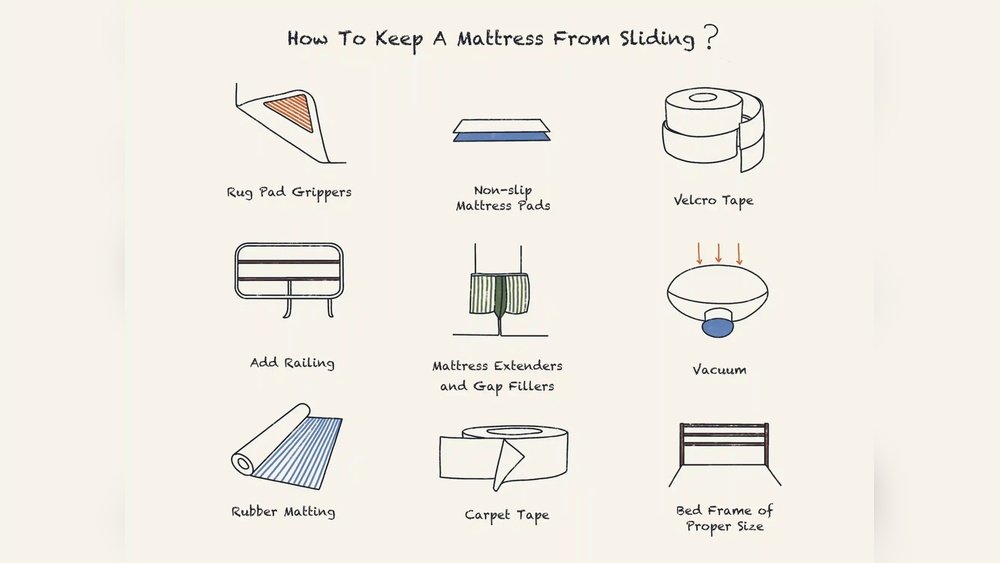
1. Rubber Floor Pads
These are small, thick pads that sit under each bed leg. They increase friction and protect your floor. You can find them in hardware stores or online. The best pads are made from non-slip rubber and are about 1/4 inch thick.
2. Rug Or Carpet Under Bed
Placing a large rug under your bed helps anchor it. Rugs grip the floor and provide extra friction. Make sure the rug covers all four legs, not just the center.
3. Furniture Grippers
Special grippers are available for beds and sofas. They stick to the bottom of the bed legs and hold tight to wood, tile, or laminate. Look for grippers with adhesive backing for maximum hold.
4. Velcro Strips
Attaching heavy-duty Velcro to the bed legs and floor can work well, especially for platform beds. Clean both surfaces before applying.
5. Wedges Or Stoppers
Rubber or wood wedges can be placed under two legs to keep the bed from moving sideways. This is ideal if your bed mostly slides in one direction.
These quick fixes solve most sliding problems, but it’s important to choose the right option for your bed and floor type.
Choosing The Best Solution For Your Floor Type
Different floor materials need different solutions. Here’s a comparison to help you decide:
| Floor Type | Best Solution | Notes |
|---|---|---|
| Wood | Rubber pads, grippers, rug | Protects against scratches |
| Tile | Grippers, wedges, Velcro | Needs strong friction |
| Laminate | Rug, grippers | Easy to scratch |
| Carpet | Usually no fix needed | Bed rarely slides |
If you have a floor with a special finish (like glossy wood), avoid adhesives or rough pads that could damage it. Instead, use soft rubber pads or a thick rug.
Advanced Solutions: Permanent And Heavy-duty Fixes
Sometimes, beds slide even after using basic fixes. For heavy beds, or if you want a permanent solution, try these advanced options:
Bed Frame Modifications
1. Attach Non-slip Feet
Replace the original bed feet with non-slip rubber feet. Some hardware stores sell universal feet that screw onto metal or wood frames.
2. Secure Bed Frame To Wall
For platform beds, you can anchor the frame to the wall using brackets. This works best in rooms where the bed is always against a wall.
3. Use Bed Connectors
If you have two twin beds pushed together, use special connectors to lock the frames. This prevents them from separating or sliding.
Floor Anchoring
1. Bolt Bed To Floor
Some people bolt their bed frame directly to the floor. This is common in hotels or hospitals. While it’s permanent, it’s not ideal for most homes because it damages the floor.
2. Heavy Furniture Stops
Large stops or blocks made of rubber or wood can be placed at the head and foot of the bed. These are especially useful for king-size beds.
Comparison Of Permanent Vs Temporary Fixes
| Solution Type | Cost | Difficulty | Best For |
|---|---|---|---|
| Rubber Pads | Low | Easy | Light beds |
| Wall Brackets | Medium | Moderate | Platform beds |
| Bolting | High | Hard | Heavy beds, permanent fix |

Credit: www.wikihow.com
Common Mistakes When Trying To Stop Bed Sliding
Many people try to stop their bed from sliding but make mistakes that waste time or damage their furniture. Here are a few to avoid:
- Using thin pads: Very thin or cheap pads wear out fast and lose grip.
- Ignoring bed weight: Heavy beds need strong solutions; light fixes won’t work.
- Placing rug only in the center: This leaves bed legs exposed, so sliding continues.
- Using tape or glue: Tape and glue can stick for a short time but often damage floors and don’t last.
- Not cleaning the floor: Dust and dirt reduce friction. Always clean before applying pads or grippers.
One non-obvious tip: measure the bed’s movement direction. If your bed slides mostly sideways, focus on two legs. If it moves forward or backward, anchor those sides.
Non-slip Products: How To Choose The Best One
There are many anti-slide products for beds. Picking the right one depends on your needs and budget.
What To Look For
- Material: Rubber is best for most floors.
- Thickness: At least 1/4 inch for durability.
- Size: Bigger pads cover more area and grip better.
- Adhesive vs Non-Adhesive: Adhesive works well but may leave marks; non-adhesive pads are safer for sensitive floors.
Popular Product Examples
- SlipToGrip Furniture Grippers: Strong grip, works for beds, sofas, tables.
- GorillaPads: Thick rubber, protects floor, lasts longer.
- Bed Stopper Blocks: Large blocks for heavy beds.
It’s wise to check reviews and product ratings. According to a study by Consumer Reports, furniture grippers reduce sliding by up to 80% compared to bare bed legs.
Diy Solutions: Make Your Own Bed Stopper
If you want to save money or enjoy DIY projects, you can make your own bed stopper.
Steps For A Diy Rubber Pad
- Buy a thick rubber mat (like the kind used for yoga or exercise).
- Cut the mat into small squares (about 3 x 3 inches).
- Place one square under each bed leg.
- For extra grip, glue the rubber to the bottom of the leg (optional).
Diy Wood Wedges
- Find a small piece of wood.
- Cut into wedge shapes.
- Place wedges under the legs that move most.
DIY solutions work well for short-term fixes, but store-bought pads usually last longer.
Bed Frame Types And Sliding Risk
Different bed frames slide in different ways. Here’s a quick overview:
| Bed Frame Type | Sliding Risk | Best Fix |
|---|---|---|
| Metal Frame | High | Rubber pads, grippers |
| Wood Frame | Medium | Rug, rubber pads |
| Platform Bed | Low | Wall brackets, rug |
| Adjustable Bed | Medium | Grippers, heavy stoppers |
Metal frames are the worst offenders—they slide easily on all smooth floors. Platform beds are heavier and usually have more contact points, so they slide less.
Floor Protection: Preventing Scratches And Damage
Stopping bed sliding isn’t just about stability. It also protects your floor from scratches, dents, and stains. Here’s how to keep your floor safe:
- Use thick rubber pads: They cushion the bed legs and absorb shock.
- Avoid metal-on-floor contact: Metal legs scratch wood and tile.
- Clean under bed regularly: Dirt and grit act like sandpaper.
- Place rug or carpet: Adds extra protection and style.
Some floor types, like bamboo or soft wood, are more sensitive. Always choose soft, non-abrasive materials for these floors.
Real-life Examples: How Others Solved Bed Sliding
Let’s look at some practical examples:
- Emma from Seattle had a metal frame on laminate. Her bed moved every night. She tried rubber pads, but they wore out quickly. She switched to GorillaPads and placed a rug under the bed. Now, her bed stays in place and her floor is safe.
- Carlos in Miami lives in a hot, humid climate. His tile floor made the bed slide all the time. He used adhesive furniture grippers and wood wedges for the two legs that moved most. The bed stopped sliding, even during storms.
- A hotel chain in New York bolts beds to the floor for safety and to meet regulations. They use special brackets that can be removed when needed.
These examples show that the best solution depends on your floor, bed, and how much movement you want to prevent.

Credit: www.turmerry.com
Extra Tips For A Stable Bedroom
- Check bed frame regularly: Loose screws or joints can make sliding worse.
- Balance the weight: If you use storage under the bed, spread items evenly.
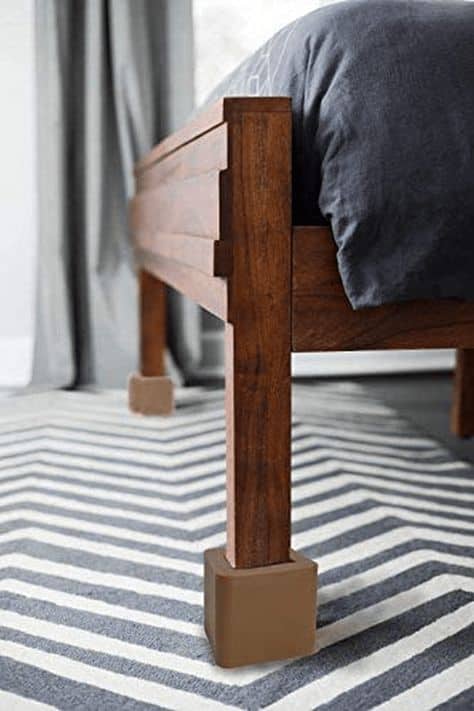
- Try bed risers with grip pads: They add height and stability.
- Avoid placing bed near uneven floor or slopes: Sliding is worse on sloped surfaces.
Many people forget that bed sliding can affect sleep quality. A stable bed feels safer and more comfortable. If you’re renting, use non-permanent fixes like pads or rugs.
When To Call A Professional
In rare cases, sliding beds are caused by structural issues like uneven floors or broken bed frames. If you try several fixes and nothing works, it may be time to call a handyman or flooring expert. They can check for floor problems, install heavy-duty anchors, or recommend the best solution for your room.
For more advanced advice on furniture placement and stability, you can visit the Consumer Reports Home & Garden section.
Credit: www.136home.com
Frequently Asked Questions
Why Does My Bed Slide Even With A Rug Underneath?
If your rug is too thin, slippery, or smaller than the bed frame, it won’t create enough friction. Try a thicker rug or add rubber pads under the legs.
Can I Use Double-sided Tape To Stop Bed Sliding?
Double-sided tape works for a short time but often leaves sticky marks on the floor and loses grip quickly. Rubber pads or furniture grippers are better choices.
Is It Safe To Bolt My Bed To The Floor?
Bolting is safe but permanent. It can damage the floor and is hard to remove later. Only use this method if you don’t plan to move your bed for years.
Will Anti-slide Pads Damage My Floor?
Good-quality rubber pads are safe for most floors. Avoid pads with rough surfaces or adhesives if you have delicate wood or laminate.
How Often Should I Check My Bed For Sliding Problems?
Check your bed every few months, especially after moving furniture or cleaning. Pads and grippers can wear out, so replace them as needed.
Stopping your bed from sliding is simple with the right tools and knowledge. Whether you choose quick fixes or permanent solutions, a stable bed means better sleep and less stress. Use these tips and examples to create a comfortable, safe bedroom that stays in place—no matter how much you move.