Installing a Lazy Susan in your kitchen cabinet can make your storage much more efficient. Many people struggle to reach items in the back of corner cabinets. With a Lazy Susan, you simply spin the tray to access what you need. Whether you are updating an old cabinet or planning a new kitchen, learning how to install a Lazy Susan is a valuable skill. This guide will walk you through each step, from choosing the right type to final adjustments, and will help you avoid common mistakes. If you want your kitchen to work better, this is a project worth considering.
Understanding The Lazy Susan
A Lazy Susan is a rotating tray, usually circular, that makes it easier to reach items stored in hard-to-access places. Most often, you will find them in corner kitchen cabinets, but they are also used in pantries and on tables. There are two main types for cabinets: shelf-mounted (attached to a shelf) and pole-mounted (attached to a center pole running from top to bottom).
Not all Lazy Susans are the same. Some have one tray, while others have two or three. Materials range from plastic and wood to metal. The size and mechanism you choose will affect how it fits and works in your cabinet. Knowing these options will help you pick the best one for your space.
Tools And Materials Needed
Before you start, gather everything you need. Missing tools can slow you down or lead to mistakes.
- Lazy Susan kit (check if it includes mounting hardware and instructions)
- Measuring tape
- Drill and drill bits
- Screwdriver (manual or powered)
- Pencil
- Level
- Safety glasses
- Masking tape
- Screws (sometimes not included with the kit)
- Cleaning cloth (for dust)
If you’re installing in a new cabinet, you may also need a jigsaw to cut shelf holes. Always double-check the kit instructions for extra tools or parts.
Measuring Your Cabinet
Accurate measurements are key to a successful installation. Too often, people guess the size and end up buying the wrong Lazy Susan.
- Open the cabinet fully and remove any existing shelves.
- Measure the width, depth, and height inside the cabinet.
- If your cabinet has a face frame, measure the door opening as well—this is often smaller than the inside space.
- Check for hinges or obstructions that could block the Lazy Susan’s rotation.
For corner cabinets, measure both wall sides to see if they are equal. Write down all numbers and compare them with the Lazy Susan sizes listed on the box or in the instructions.
| Cabinet Shape | Typical Lazy Susan Sizes (Diameter) | Minimum Opening Needed |
|---|---|---|
| Standard Corner | 24″, 28″, 32″ | At least 2″ larger than tray diameter |
| Blind Corner | 18″, 24″ | At least tray diameter + 1″ |
| Base Cabinet | 16″, 18″ | Tray diameter + 1″ |
Choosing The Right Lazy Susan
Picking the right model is just as important as good installation. There are a few things to keep in mind:
Number Of Tiers
- Single-tier: Good for large pots or tall items.
- Double-tier: Most common, holds more but needs more vertical space.
- Triple-tier: For tall cabinets and lighter items.
Material
- Plastic: Affordable, easy to clean, but not as strong.
- Wood: Classic look, strong, but can be heavy.
- Metal: Durable, holds heavy pots, but can be noisy.
Mounting Type
- Pole-mounted: More stable, supports more weight.
- Shelf-mounted: Easier to install, but less strong.
Mechanism
- Full-round: Spins 360°, best for regular corner cabinets.
- D-shaped: Flat edge allows for more room at the cabinet door.
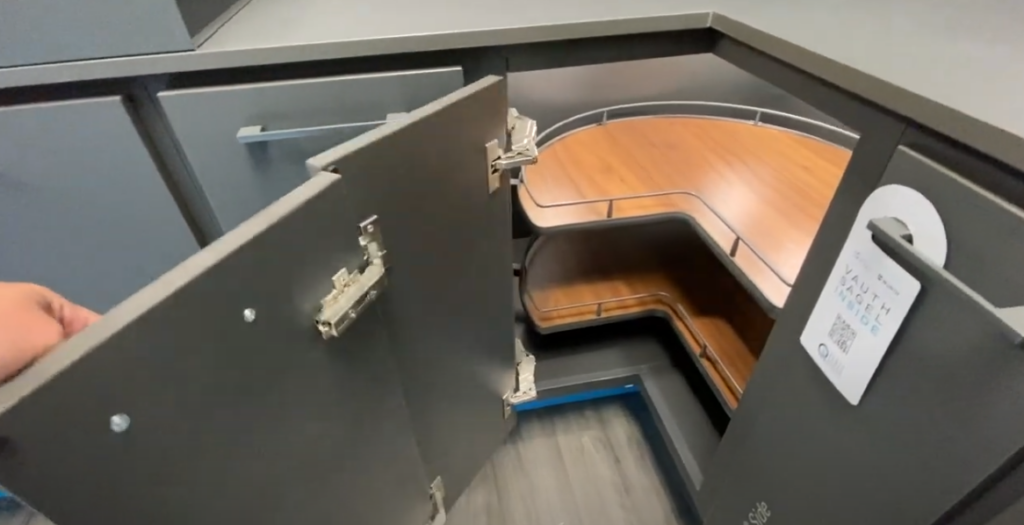
- Kidney-shaped: Fits L-shaped corner cabinets, maximizes space.
Non-obvious tip: Some high-end models have soft-close features to prevent slamming and damage. If your kitchen is busy, this feature is worth the extra cost.
Preparing The Cabinet
Before you start, clear the area and make sure the cabinet is clean. Take out all shelves and items inside. Wipe away dust and grease so the mounting hardware will stick well.
If your cabinet has adjustable shelves, remove them. Some Lazy Susans require a hole in the shelf for the center pole. Mark the center point of the shelf using a measuring tape and pencil. Use masking tape to protect the surface if you need to cut.
Expert insight: Always check for electrical wires or plumbing behind the cabinet if you are drilling holes. Older homes sometimes have unexpected surprises.
Step-by-step Installation
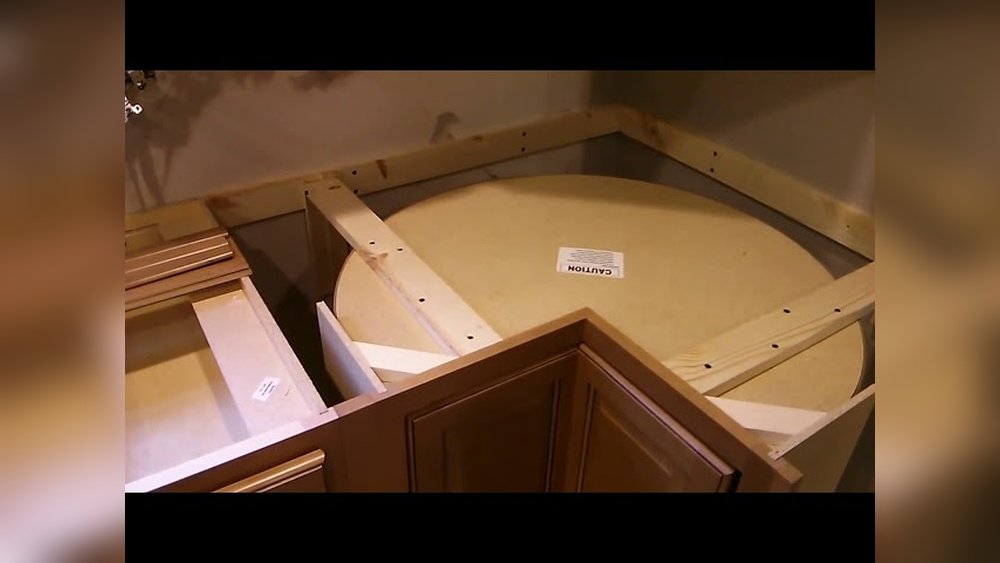
Now you’re ready to install your Lazy Susan. The steps can vary by model, but the process below works for most pole-mounted and shelf-mounted types.
1. Mark The Center
Find the exact center of the cabinet floor and (if using) the upper shelf. Use a measuring tape to find the midpoint and mark with a pencil. For corner cabinets, draw lines from corner to corner to find the center.
2. Drill Pilot Holes
Use a small drill bit to make pilot holes where screws will go. This prevents wood from splitting and makes screw placement easier.
3. Install The Bottom Mount
Attach the bottom bracket or base plate to the center mark. Use screws provided in your kit. Make sure the bracket is level; use a level to check.
4. Mount The Center Pole (if Needed)
Insert the center pole into the bottom bracket. Some kits require attaching the pole to both the bottom and top of the cabinet. Adjust the pole height to fit your cabinet.
5. Attach The Shelves
Slide the trays or shelves onto the pole. Most kits have a locking collar to hold the trays in place. Set the trays at the desired height and tighten the collars with a screwdriver.
6. Secure The Top Mount
If your Lazy Susan uses a top mount, attach the upper bracket to the cabinet ceiling or top shelf. Double-check the pole is straight with your level.
7. Test The Rotation
Spin the trays to make sure they move freely. Adjust the height or tighten screws if there is any wobble or drag.
8. Reinstall Cabinet Shelves (if Needed)
If your cabinet had extra shelves, you may be able to put them back above or below the Lazy Susan. Make sure they don’t block movement.
Pro tip: If the Lazy Susan feels loose, check all screws again. Tighten by hand, but don’t over-tighten, which could crack plastic parts.
Common Mistakes And How To Avoid Them
Many first-time installers run into problems that are easy to avoid.
- Buying the wrong size: Always measure both the inside and the door opening. Some Lazy Susans fit inside but won’t go through the door.
- Skipping pilot holes: Screws can split wood if you drill directly without a pilot hole.
- Forgetting door swing: Make sure the trays won’t hit the cabinet door when spinning.
- Not leveling the pole: A crooked pole causes poor spinning and shelf wear.
- Installing before cleaning: Dust and grease can make brackets slip over time.
Lesser-known tip: Some Lazy Susans allow for height adjustment after installation. Check your model—sometimes you can avoid uninstalling everything if a tray is too high or low.
Adjusting And Testing
After installation, it’s important to adjust the trays and test the Lazy Susan under load.
- Place some pots, pans, or canned goods on the trays.
- Spin each tier fully to check for rubbing or sticking.
- If you hear scraping, check for screws sticking out or trays that are not level.
- Adjust the tray height using the locking collars if needed.
For heavy items, put them on the lower tier. This keeps the center of gravity low and prevents tipping.
Advanced tip: If your Lazy Susan develops a squeak, a small amount of food-safe lubricant can make it silent again.
Credit: woodworkerexpress.com
Cleaning And Maintenance
A Lazy Susan is easy to maintain if you keep it clean and check it now and then.
- Wipe trays with a damp cloth every few weeks.
- For sticky spills, use mild soap and water.
- Check screws and mounts twice a year to make sure they’re tight.
- Avoid putting very heavy items on thin plastic trays.
If your Lazy Susan starts to wobble or jam, remove items and check for loose hardware. Most problems are easy to fix with a screwdriver.
Cost And Value
The cost of a Lazy Susan varies by size and material. On average:
| Type | Material | Average Cost | Durability |
|---|---|---|---|
| Pole-mounted | Plastic | $35–$60 | 5–10 years |
| Pole-mounted | Wood | $60–$120 | 10–20 years |
| Shelf-mounted | Metal | $50–$100 | 15+ years |
For most kitchens, a pole-mounted plastic or wood model is a good balance of price and performance. Some high-end metal versions cost more, but last much longer.
Not obvious: Investing in a better quality Lazy Susan usually pays off. Cheap models may wobble or break under heavy use, requiring early replacement.

Credit: www.anikasdiylife.com
When To Call A Professional
Installing a Lazy Susan is a DIY project for most people. However, you might need professional help if:
- You need to cut a hole in a solid wood shelf and don’t have the right tools.
- The cabinet has electrical wiring or plumbing nearby.
- The cabinet is custom or oddly shaped.
- You want a custom Lazy Susan built to fit unusual dimensions.
A pro can install your Lazy Susan quickly and safely, and they can often handle unexpected problems. For most standard cabinets, though, you can do the job yourself with basic tools.
Real-world Example
Let’s say you have a 36-inch corner cabinet with a 28-inch opening. You measure and buy a 28-inch, two-tier, pole-mounted Lazy Susan. The kit includes all hardware. After removing the old shelf, you mark the center, drill pilot holes, and attach the bottom bracket.
You set the pole, slide on the trays, and attach the top bracket. After a few small adjustments, the trays spin smoothly and now you can easily reach your pots, pans, and spices.
Where To Learn More
For more details, you can check the Lazy Susan Wikipedia page, which gives history, types, and more advanced options.
Frequently Asked Questions
How Do I Know What Size Lazy Susan Fits My Cabinet?
Measure both the inside width and the door opening. The Lazy Susan tray must fit through the door and spin freely inside. Most corner cabinets use 24″ or 28″ trays, but always check your measurements.
Can I Install A Lazy Susan In An Existing Cabinet?
Yes, most standard cabinets can be retrofitted. You may need to remove a shelf or cut a hole for the center pole. Make sure the cabinet is deep and tall enough for the Lazy Susan you choose.
What Should I Do If My Lazy Susan Wobbles?
Check that all screws are tight and that the pole is straight. Loose screws or an uneven base are common causes of wobbling. Adjust or re-tighten as needed.
Is It Safe To Put Heavy Pots And Pans On A Lazy Susan?
Heavy pots can be placed on sturdy, pole-mounted trays, especially metal or thick wood. For plastic trays, keep heavy items on the bottom tier or avoid overloading.
How Do I Maintain My Lazy Susan?
Clean trays with a damp cloth and mild soap. Check hardware twice a year and tighten screws if needed. If the tray squeaks, a bit of food-safe lubricant helps.
Installing a Lazy Susan is a smart upgrade for almost any kitchen. With careful planning and the right tools, you can enjoy smoother access to your kitchen items and make the most of your storage space. Taking your time and following these steps will help you get the job done right the first time.

Credit: www.youtube.com