If your water heater is not heating as efficiently as it used to, mineral buildup—also called scale—might be the culprit. Descaling your water heater is the key to restoring its performance and extending its lifespan.
But how do you descale a water heater without hassle or damage? You’ll discover simple, step-by-step methods to remove scale using easy-to-find solutions like vinegar, citric acid, or commercial descalers. Whether you have a traditional tank or a tankless model, you’ll learn the best practices to keep your heater running smoothly and save money on energy bills.
Keep reading to unlock the secrets of descaling your water heater like a pro—your hot water and wallet will thank you!
Why Descale Matters
Descaling a water heater is a crucial maintenance step. Scale buildup forms from minerals like calcium and magnesium in the water. Over time, this buildup affects the heater’s performance. Removing scale keeps your water heater running smoothly and lasts longer.
Impact Of Scale On Efficiency
Scale acts as an insulator inside the heater. It blocks heat transfer between the heating element and water. This forces the heater to work harder and use more energy. As a result, your energy bills rise. The water heats slower, reducing overall efficiency. Ignoring scale buildup can lead to costly repairs or early replacement.
Signs Your Heater Needs Descaling
Watch for these signs to know when to descale your heater. Water takes longer to heat up than usual. You hear strange noises like popping or cracking sounds. The water temperature fluctuates or feels less hot. There is visible rust or discoloration in the water. These symptoms signal mineral buildup inside the heater. Regular descaling prevents these problems and keeps hot water flowing.
Choosing Descaling Solutions
Choosing the right descaling solution is key to keeping your water heater efficient. Scale buildup reduces heating power and wastes energy. Different solutions work better for different heater types and scale levels. This section explains popular descaling options and their benefits.
Vinegar For Tank Heaters
White vinegar is a simple and cheap option for tank water heaters. It dissolves mild mineral deposits inside the tank. Drain the tank first, then fill it with vinegar. Let it sit for several hours or overnight. After soaking, drain and flush the tank thoroughly with water. Vinegar is gentle and safe for most tanks.
Citric Acid Benefits
Citric acid works faster and stronger than vinegar. It is a natural acid found in citrus fruits. This solution removes hard scale more effectively. Mix citric acid powder with water to create a descaling solution. Circulate it through the heater or soak the tank. Citric acid is safe on metal parts and environmentally friendly.
Commercial Descalers For Tough Scale
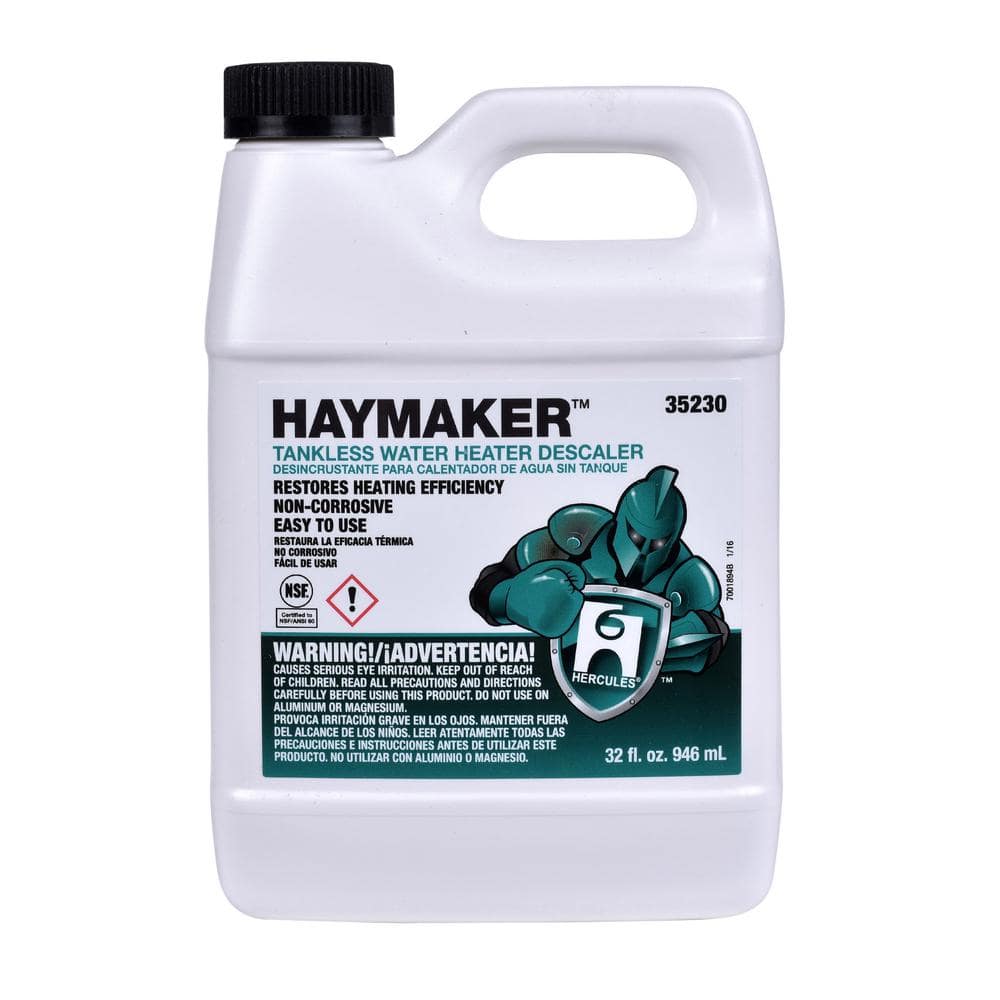
Heavy scale may need a commercial descaler. These products contain stronger acids like methanesulfonic acid or specialized formulas. They dissolve thick mineral buildup quickly. Use a pump or follow product instructions for circulation. Commercial descalers work for tankless and tank heaters. Always handle with care and wear protective gear.
Essential Tools
Descaling a water heater requires more than just the right chemicals. Having the proper tools makes the job easier and safer. These tools help remove mineral buildup effectively and protect you during the process. Preparing with essential tools ensures a smooth descaling experience.
Hoses And Pumps
Hoses are necessary to connect the water heater to the pump and drain. Use flexible, durable hoses to handle water flow without leaks. A pump circulates the descaling solution through the heater. This circulation helps break down scale inside the pipes quickly. Many professionals use submersible or utility pumps designed for descaling. The pump keeps the solution moving, improving cleaning results. Without these tools, descaling takes much longer and may be incomplete.
Safety Gear
Safety is a top priority during descaling. Wear gloves to protect your hands from harsh chemicals. Eye protection prevents splashes from causing injury. Long sleeves and closed shoes reduce skin exposure. Work in a well-ventilated area to avoid inhaling fumes. Having safety gear ready helps avoid accidents and health issues. Never skip wearing protective equipment when handling acids or commercial descalers.
Credit: www.homedepot.com
Preparing Your Water Heater
Preparing your water heater is a key step before descaling. It ensures safety and makes the process easier. Taking time to prepare helps protect your heater and your home. Follow these simple steps carefully for the best results.
Turning Off Power And Water
First, switch off the power to your water heater. For electric heaters, turn off the circuit breaker. For gas heaters, set the gas valve to the “off” position. This prevents accidents and damage during descaling.
Next, shut off the cold water supply to the heater. Locate the cold water valve on the pipe leading to the unit. Turn it clockwise until it stops. This stops new water from entering the tank while you work.
Draining The Tank Or System
Attach a garden hose to the drain valve at the bottom of the tank. Run the hose to a safe drainage area like a floor drain or outside. Open the drain valve slowly to let water flow out. Opening a hot water faucet inside your home helps air enter the system. This speeds up draining and prevents a vacuum.
Drain all the water from the tank to remove sediment. This step prepares the heater for the descaling solution. Be patient; draining may take 10 to 20 minutes depending on your tank size.
Step-by-step Descaling Process
Descaling your water heater removes mineral buildup that lowers efficiency. Follow this step-by-step descaling process to keep your heater working well. The process involves applying the descaling solution, letting it work inside, and flushing the system clean. Each step requires care and attention to detail.
Applying The Descaling Solution
Start by turning off the water heater and letting it cool. Drain some water from the tank to prepare for the solution. Use a descaling agent like white vinegar or a commercial product. Pour the solution into the heater according to instructions. Make sure the solution reaches all parts affected by scale.
Soaking Or Circulating The Solution
Allow the descaling solution to soak inside the heater. For tank heaters, let it sit for several hours or overnight. For tankless heaters, circulate the solution using a pump. This loosens and dissolves mineral deposits effectively. Do not rush this step; it is key to removing buildup.
Flushing The System Thoroughly
After soaking, drain the descaling solution completely. Flush the system with clean water to remove loosened minerals. Repeat flushing until the water runs clear. This step ensures no residue remains inside the heater. Turn the water heater back on only after flushing is complete.
Post-descaling Care
After completing the descaling process, proper care ensures your water heater works efficiently. Post-descaling care helps maintain the appliance’s longevity and performance. Take time to follow these important steps before using your water heater again.
Reconnecting And Restarting
Reconnect all parts you detached before descaling. Check hoses, valves, and electrical connections for tightness. Open the water supply slowly to avoid pressure shocks. Turn the power or gas supply back on carefully. Listen for unusual noises or leaks. Let the heater fill completely before turning it on. This avoids dry firing, which can damage the unit. Observe the water heater for a few minutes to confirm normal operation.
Regular Maintenance Tips
Flush your water heater at least once a year to prevent scale buildup. Use the manufacturer’s recommended descaling agents for safety. Check the temperature setting; keep it below 120°F to reduce mineral deposits. Inspect the anode rod every year and replace it if worn. Keep the area around the water heater clean and dry. Schedule professional inspections if you notice performance drops. Regular care keeps your water heater efficient and extends its life.
Tankless Water Heater Tips
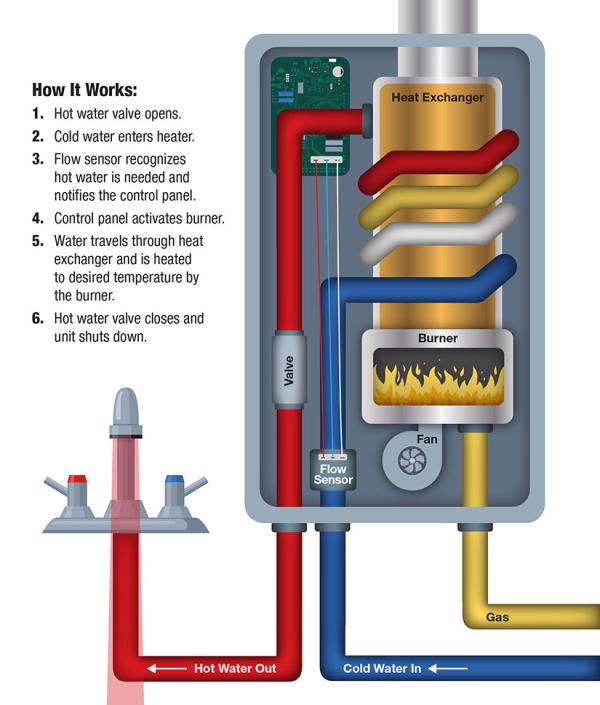
Tankless water heaters save space and energy but need regular care. Descaling keeps them working well and avoids damage. This section gives tips on how to descale tankless water heaters safely and effectively.
Tankless models have unique parts and flow paths. Descaling needs special steps to clean these without harm. Using the right products and following proper methods extends heater life and keeps water hot.
Special Considerations
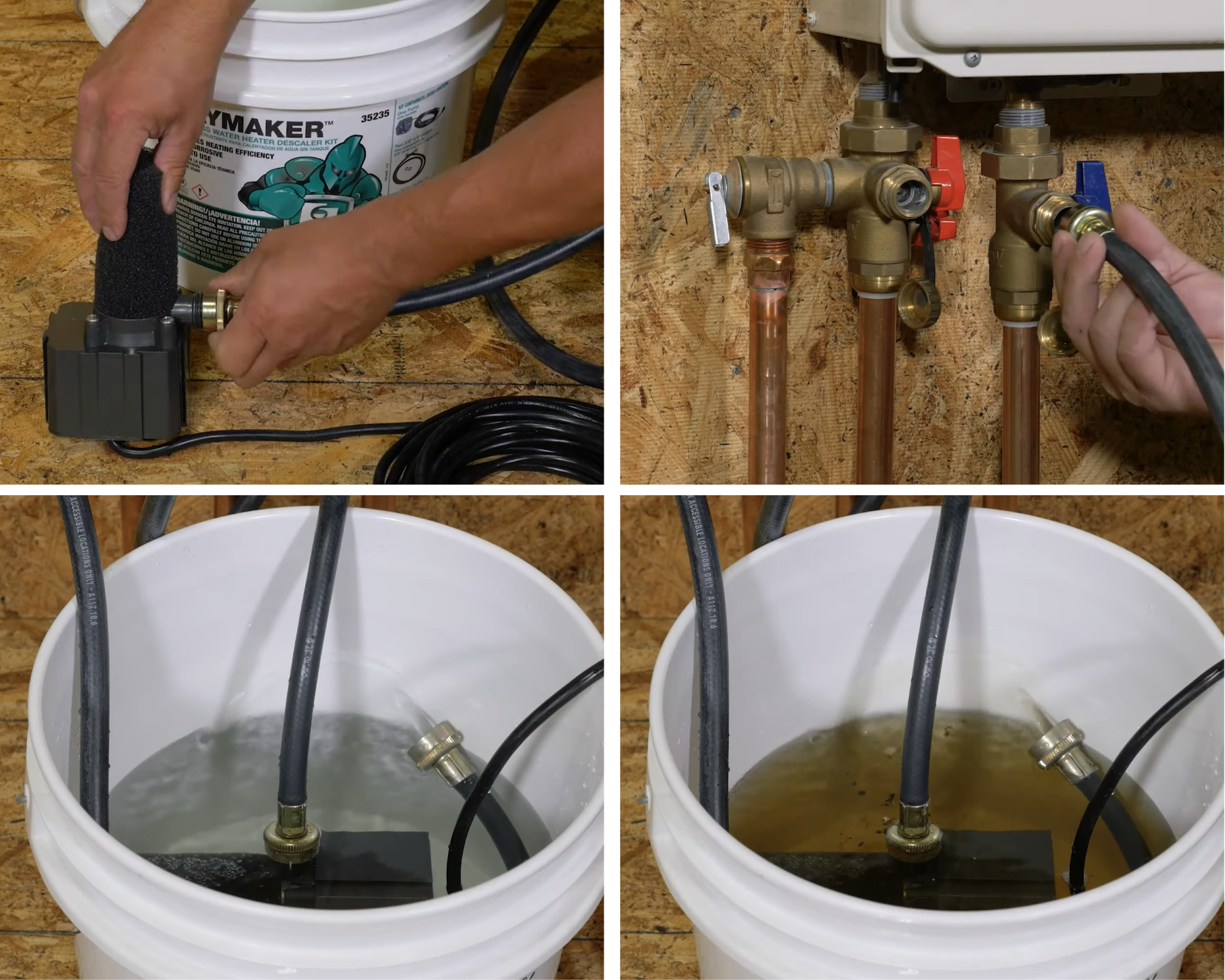
Turn off power and water before starting descaling. Use a pump to circulate the descaling solution through the heater. Avoid strong acids that can damage pipes and parts. Check the manufacturer’s guide for any warnings or specific steps. Wear gloves and eye protection to stay safe. Flush the system well after descaling to remove all residue. Regular descaling, at least once a year, prevents buildup and maintains efficiency.
Recommended Products
Use citric acid-based solutions for safe and effective descaling. These dissolve mineral scale without harming the heater. White vinegar is an affordable option but may take longer. Commercial descalers like Hercules Haymaker and QwikDescaler work fast on tough buildup. Avoid harsh chemicals like hydrochloric acid unless specified by the manufacturer. Always follow product instructions closely. Proper product choice helps keep your tankless water heater in top shape.
Credit: www.oatey.ca
Safety Precautions
Descaling a water heater involves using chemicals and tools that require care. Following safety precautions protects you and your home. Small mistakes can cause accidents or damage. Take time to prepare and stay alert during the process.
Handling Chemicals Safely
Wear gloves and eye protection before starting. Many descaling solutions are acidic and can irritate skin. Work in a well-ventilated area to avoid breathing fumes. Keep chemicals away from children and pets. Never mix different chemical products together. Read and follow all safety instructions on the label. Clean up spills immediately using water or recommended neutralizers.
Checking Manufacturer Guidelines
Review your water heater’s manual before descaling. Some models need specific products or methods. Using wrong chemicals may void warranties or harm the unit. Follow the recommended temperature and time limits for soaking. Confirm if power or water supply must be turned off. Contact customer support if unsure about any step. Proper adherence keeps your water heater safe and effective.
Credit: www.spec-school.org
Frequently Asked Questions
What Can I Use To Descale My Water Heater?
Use white vinegar, citric acid, or commercial descalers like Hercules Haymaker to dissolve mineral scale. Turn off power, drain, apply solution, soak, then flush thoroughly.
How Long Does It Take To Descale A Hot Water Heater?
Descaling a hot water heater usually takes 1 to 4 hours, depending on the method and scale buildup. Vinegar soaking requires several hours or overnight. Commercial descalers with pumps can complete the process in under an hour. Always follow your heater’s manual for best results.
Do Water Heaters Need To Be Descaled?
Yes, water heaters need descaling to remove mineral buildup. Descaling improves efficiency and extends heater lifespan. Use vinegar, citric acid, or commercial descalers. Regular descaling prevents clogs and damage. Always follow your heater’s manual for safe and proper descaling procedures.
How Do You Remove Heavy Sediment From A Hot Water Heater?
Turn off power and water supply. Drain the tank completely. Add vinegar, citric acid, or commercial descaler. Let it soak for hours or circulate solution. Flush thoroughly with fresh water. Reconnect and restore power. Follow your heater’s manual for specific instructions.
Conclusion
Descaling your water heater keeps it running smoothly and saves energy. Regular cleaning removes mineral buildup that blocks heat flow. Use safe products like vinegar or citric acid for best results. Always turn off power and water before starting. Follow simple steps: drain, apply solution, soak, then flush.
This routine extends your heater’s life and improves water quality. A little care goes a long way in home maintenance. Stay consistent, and your water heater will serve you well for years.