When it comes to the water you drink every day, you want to be sure it’s clean and safe. But how can you tell if a water filter actually does what it promises?
That’s where an NSF certified water filter comes in. You might have seen this label on filter packaging but wondered, “What does NSF certified really mean for my water? ” This certification is your guarantee that the filter has been tested and proven to remove harmful contaminants effectively.
You’ll discover why choosing an NSF certified water filter matters, how it protects your health, and what to look for when picking the right filter for your home. Keep reading to make sure your water is as pure and safe as it should be.
Nsf Certification Basics
Understanding NSF certification basics helps you choose safe water filters. This certification shows that a product meets strict safety and quality standards. It assures you the water filter has been tested for performance and contaminant removal.
NSF certification involves clear testing processes and standards. These give confidence in the filter’s ability to improve your drinking water. Let’s explore what NSF certification means, how testing works, and common standards for water filters.
What Nsf Certification Means
NSF certification means a water filter meets strict safety rules. It ensures the filter removes harmful substances from water. The certification comes from an independent organization called NSF International.
NSF tests the filter’s materials and performance. Certified filters provide clean water without adding harmful chemicals. The certification label shows consumers the product is reliable and safe.
How Nsf Tests Water Filters
NSF tests water filters in laboratories using real-world conditions. They check if the filter removes contaminants like lead, chlorine, or cysts. The filter also undergoes durability and material safety tests.
Testing includes repeated use to confirm the filter keeps working well. NSF looks for any harmful substances that might leach from the filter materials. Only filters passing all tests earn certification.
Common Nsf Standards For Filters
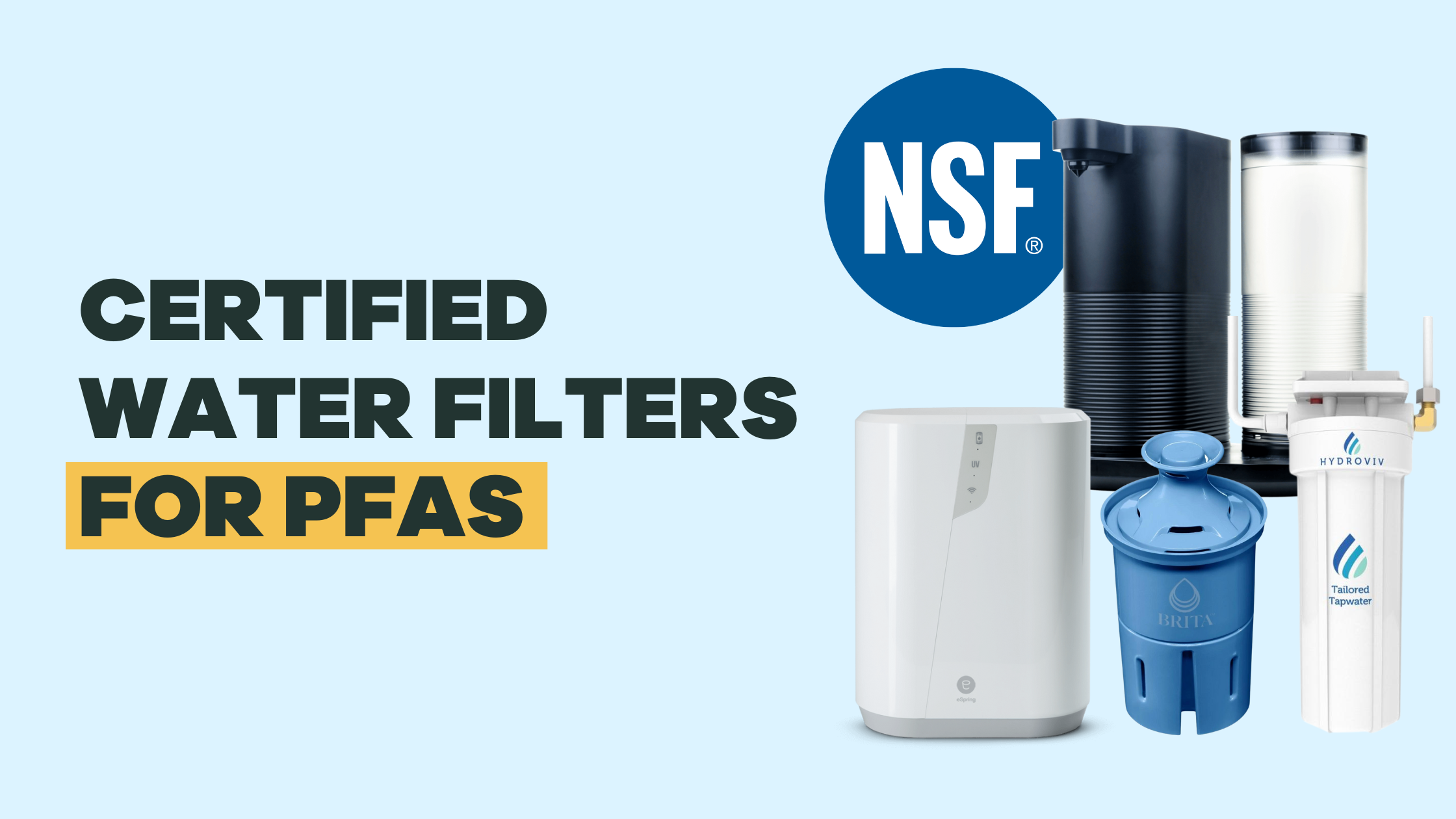
NSF uses several standards for water filters. Each targets specific contaminants or features. For example, NSF/ANSI 42 focuses on improving taste, odor, and chlorine reduction.
NSF/ANSI 53 targets health-related contaminants like lead and cysts. Other standards test for specific chemicals, microbiological reduction, or filter structural integrity. Check the certification number on packaging to see which standard applies.
Credit: mytapscore.com
Benefits Of Nsf Certified Filters
NSF certified filters offer many benefits for your drinking water. These filters meet strict standards to ensure water safety. Choosing an NSF certified filter means cleaner, healthier water for daily use.
Ensuring Safe Drinking Water
NSF certification guarantees that a filter removes harmful substances. It tests filters for safety and performance. This ensures contaminants do not pass through the filter. You can trust the water is safe to drink every day.
Reducing Harmful Contaminants
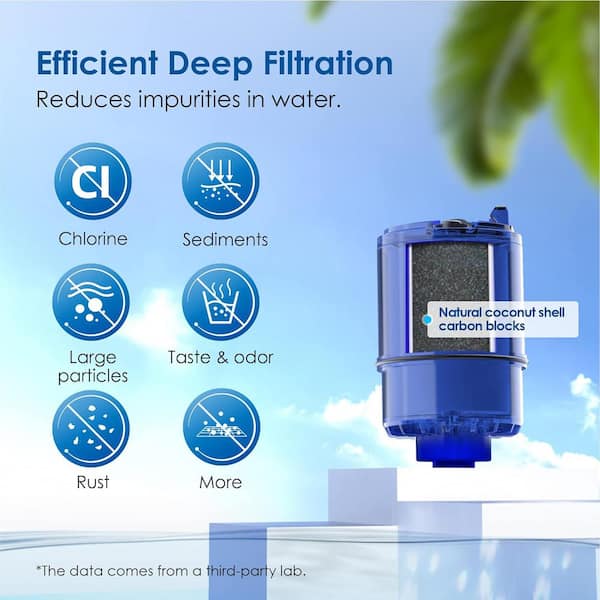
NSF certified filters reduce dangerous chemicals and particles. They target lead, chlorine, pesticides, and other toxins. Removing these contaminants lowers health risks. It protects your family from waterborne illnesses and pollutants.
Improving Taste And Odor
These filters also improve water taste and smell. They remove unpleasant chlorine and other odors. Fresh, clean water encourages better hydration. Enjoy drinking water that tastes pure and refreshing.
Types Of Nsf Certifications
NSF certification ensures water filters meet strict safety and quality rules. Different NSF certifications focus on various aspects of water filtration. Understanding these types helps you choose the right filter for clean, safe water. The main types include contaminant reduction, material safety, and performance standards. Each plays a key role in protecting your health.
Contaminant Reduction Standards
This certification shows how well a filter removes harmful substances. It tests for lead, chlorine, pesticides, cysts, and other pollutants. Filters with this certification guarantee they reduce these contaminants to safe levels. It helps users trust the water they drink every day.
Material Safety Standards
Filters must be made from safe materials that do not add harmful chemicals. This standard checks all parts that touch water. It ensures no toxic substances leach into your drinking water. This certification protects against new contaminants from the filter itself.
Performance And Durability Standards
This certification tests how well a filter works over time. It measures flow rate, lifespan, and filter strength. Filters must perform consistently and last as claimed by the manufacturer. This helps users avoid frequent replacements and ensures steady water quality.
Choosing Nsf Certified Water Filters
Choosing NSF certified water filters ensures safer, cleaner drinking water. These filters meet strict standards for contaminant removal. Selecting the right one depends on your water source and filtration needs. Understanding certification labels and maintenance helps maintain filter effectiveness. This section explains how to pick the best NSF certified water filter for your home.
Matching Filters To Water Sources
Different water sources contain various contaminants. Tap water often has chlorine and sediments. Well water may carry bacteria and heavy metals. Choose a filter certified to remove the specific impurities in your water. Check your water report or test results to know what to filter out. Using the right filter protects your health and improves taste.
Reading Certification Labels
NSF certification labels show what a filter can remove. Look for “NSF/ANSI” followed by a number. Each number means a different standard. For example, NSF/ANSI 53 filters health-related contaminants like lead. NSF/ANSI 42 targets taste and odor issues. Read these labels carefully to match your water concerns. Certified filters offer proven performance and safety.
Considering Filter Lifespan And Maintenance
Filter lifespan affects water quality and cost. Most filters need replacement after 3 to 6 months. Some last longer depending on use and water quality. Check the manufacturer’s guidelines for replacement schedules. Regular maintenance keeps filters working well. Clean or change filters on time to avoid bacteria build-up. Proper care ensures clean water every day.
Popular Nsf Certified Filters
NSF certified water filters ensure safe and clean drinking water. These filters pass strict tests to remove harmful substances. Many types of water filters carry the NSF mark. Here are some popular NSF certified filters commonly used in homes.
Gravity Filters
Gravity filters use no electricity. Water flows through the filter by gravity alone. These filters remove chlorine, bacteria, and sediments. They are easy to use and portable. Perfect for camping or emergency water supply. Many gravity filters meet NSF standards for safety and performance.
Refrigerator Filters
Refrigerator filters improve water and ice quality. They reduce chlorine taste and odor. Some remove lead and cysts as well. These filters fit inside the fridge water dispenser. NSF certification confirms they meet health protection claims. Regular replacement keeps water fresh and safe.
Under-sink Filters
Under-sink filters connect directly to your water supply. They offer advanced filtration for drinking and cooking. These filters reduce a wide range of contaminants. Many remove lead, chlorine, and volatile organic compounds. NSF certification shows they meet strict testing standards. Installation is simple and keeps counters clear.
Credit: www.homedepot.com
Trust And Reliability Of Nsf Certification
The trust and reliability of NSF certification make it a key factor in choosing water filters. This certification shows that a water filter meets strict safety and quality standards. Consumers can feel confident that certified filters remove harmful contaminants as claimed. The NSF mark on a product indicates it has passed rigorous testing and complies with industry regulations.
Independent Testing Procedures
NSF certification involves independent testing by third-party laboratories. These labs check the filter’s performance under real-world conditions. They test for removal of contaminants such as lead, chlorine, and bacteria. The testing uses standardized methods to ensure fairness and accuracy. This process helps verify that the filter works as promised before certification is given.
Ongoing Monitoring And Audits
Certification is not a one-time event. NSF performs ongoing monitoring and factory audits. These audits ensure that production maintains the same quality standards. Random samples from the factory are tested regularly. This continuous oversight guarantees consistent product safety and effectiveness. It also helps detect any changes that could affect filter performance.
Limitations To Certification Claims
NSF certification covers specific contaminants and performance levels. It does not mean the filter removes all possible impurities. Users should review the certification details to understand what is tested. Some contaminants may not be included in the certification scope. Certification also does not guarantee filter lifespan or maintenance needs. Proper use and replacement remain critical for safe water.
Improving Water Quality Beyond Certification
Improving water quality goes beyond just choosing an NSF certified water filter. Certification shows the filter meets certain standards, but real water quality depends on many factors. Taking extra steps helps ensure cleaner, safer water for daily use. Small actions can make a big difference in how pure and fresh your water tastes and feels.
Combining Filtration Methods
Using different filtration methods together improves water quality. For example, combining carbon filters with reverse osmosis removes more impurities. Each method targets different contaminants, so they work well as a team. This approach reduces chemicals, heavy metals, and bacteria more effectively than a single filter.
Regular Filter Replacement
Replacing filters on time keeps water clean and safe. Old filters clog and lose their ability to remove contaminants. Follow the manufacturer’s schedule to change filters regularly. This prevents dirt and germs from building up and ensures the filter works at its best.
Additional Water Quality Testing
Testing water beyond certification reveals hidden issues. Home water tests detect contaminants like lead, bacteria, and pesticides. Knowing your water’s exact condition helps choose the right filter and treatment. Regular testing keeps you informed and confident about your water quality.
Credit: info.nsf.org
Frequently Asked Questions
What Is Nsf Certified For Water Filters?
NSF certification means a water filter meets strict standards for contaminant removal and safety. It verifies tested, reliable performance. Certified filters display “NSF/ANSI” plus a standard number on packaging, ensuring cleaner, safer drinking water by reducing harmful substances like lead, chlorine, and cysts.
What Is Better, Nsf 42 Or 53?
NSF 42 focuses on improving taste and odor by reducing chlorine and particulates. NSF 53 targets health risks by removing lead, cysts, and VOCs. Choose NSF 42 for basic aesthetic improvements and NSF 53 for contaminant removal and safer drinking water.
What Is The Best Certification For A Water Filter?
The best certification for a water filter is NSF/ANSI certification. It ensures the filter meets strict safety and performance standards. NSF tests filters to verify contaminant removal and product reliability, giving consumers confidence in water quality and health protection.
Can I Trust Nsf Certified Water Filters?
Yes, NSF certified water filters undergo rigorous independent testing to ensure they effectively reduce contaminants. They meet strict safety and quality standards, providing reliable and safe drinking water. Choosing NSF certification guarantees trustworthy filtration performance.
Conclusion
Choosing an NSF certified water filter means trusting tested quality. These filters reduce harmful contaminants and improve water taste. Certification ensures the filter meets strict safety standards. It helps protect your family’s health every day. Always check for the NSF mark before buying.
Clean, safe water starts with informed choices.