Are you tired of dealing with hard water problems like stubborn stains, clogged pipes, or inefficient appliances? You might have heard about water descalers and water softeners, but which one is really right for your home?
Understanding the difference between a water descaler and a softener can save you time, money, and frustration. You’ll discover how each system works, what benefits they offer, and which one suits your needs best. Keep reading to make an informed choice that protects your plumbing and improves your water quality starting today.
Water Hardness Basics
Water hardness refers to the amount of minerals, mainly calcium and magnesium, in water. These minerals enter water as it passes through soil and rocks. Hard water can cause problems around the home. Understanding its basics helps in choosing the right treatment method.
Two common treatments are water descalers and softeners. Each works differently to manage hard water effects. Knowing the causes and impacts of hard water is key to picking the best option.
Causes Of Hard Water
Hard water forms when water flows through mineral-rich areas. Calcium and magnesium dissolve into the water. These minerals are natural and not harmful to health. They cause the water to become “hard.”
Water hardness levels vary by location. Some regions have very hard water due to local geology. Others have softer water with fewer minerals. Testing water hardness shows the mineral content.
Effects On Home Appliances
Hard water leaves mineral deposits inside appliances. These deposits cause scale build-up. Scale reduces appliance efficiency and life span.
Water heaters, dishwashers, and washing machines often suffer damage. Scale makes them work harder, increasing energy use. It can also clog pipes and reduce water flow.
Hard water causes spots on dishes and soap scum on surfaces. Laundry may feel stiff and look dull. Treating hard water protects appliances and improves daily life.
How Water Softeners Work
Water softeners help remove hard minerals from water. These minerals cause scale buildup and affect water quality. Understanding how water softeners work reveals why they are popular in homes with hard water. The process involves exchanging minerals and requires regular upkeep to keep the system running smoothly. Softened water offers many benefits for appliances and skin.
Ion-exchange Process
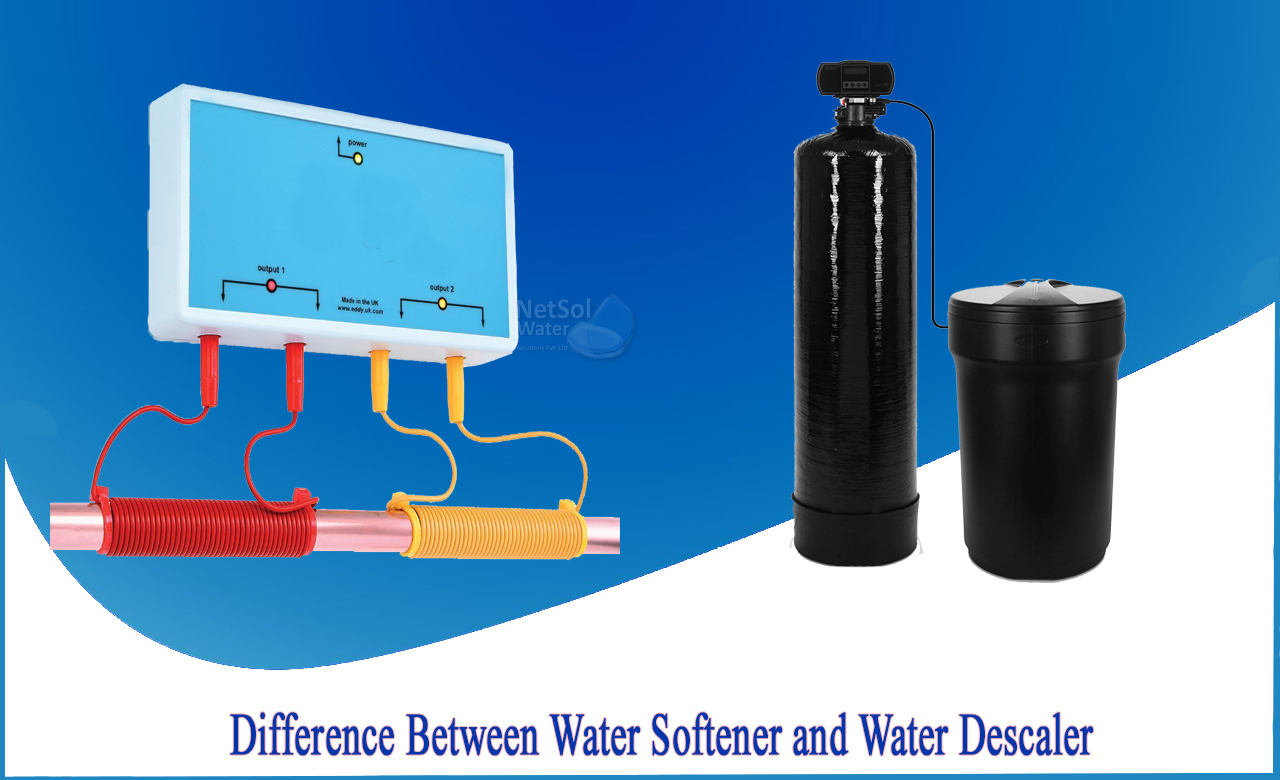
Water softeners use a method called ion exchange. Hard water contains calcium and magnesium ions. These ions cause hardness and scale. The softener has resin beads charged with sodium ions. When hard water passes through, calcium and magnesium swap places with sodium. This exchange removes hardness from the water. The result is softer water that feels smoother and cleans better.
Salt Usage And Maintenance
Salt is essential for the ion-exchange process. Softener tanks need salt to recharge resin beads. Over time, the beads lose sodium and must be refreshed. Adding salt to the brine tank restores the system. Maintenance includes checking salt levels and cleaning the tank. Proper care ensures the softener works efficiently and lasts longer.
Benefits Of Softened Water
Softened water protects pipes and appliances from scale buildup. It improves soap lathering and cleaning power. Skin and hair feel softer and less dry. Clothes washed in soft water stay brighter and last longer. Soft water also reduces spots on dishes and glassware. Overall, it enhances water quality and household comfort.
How Water Descalers Work
Water descalers offer an alternative way to handle hard water problems. Instead of removing minerals, they change how minerals behave. This prevents scale buildup in pipes and appliances. Understanding how water descalers work helps to choose the right system for your home.
Electromagnetic Wave Technology
Water descalers use electromagnetic waves or signals. These waves pass through the water pipe walls. They affect the minerals in the water without chemicals or salt. This process changes the structure of calcium and magnesium.
The minerals become less sticky and do not form hard scale. This technology works without removing minerals from the water. It is safe for the environment and plumbing systems.
Scale Prevention And Removal
The main goal of a water descaler is to prevent scale buildup. It changes mineral crystals so they stay suspended in water. These crystals cannot attach to pipes or appliances easily.
Over time, existing scale may also loosen and break down. This helps keep pipes clear and appliances working well. Scale prevention protects water heaters, kettles, and dishwashers. It reduces maintenance and repair costs.
Salt-free And Low Maintenance
Water descalers do not use salt or chemicals. This makes them easy to install and maintain. No need to add salt regularly or clean filters.
This salt-free system suits people who want low upkeep. It keeps water healthy for drinking and gardening. Water descalers save time and money on ongoing care.
Comparing Performance
Comparing the performance of water descalers and softeners helps you choose the right system. Each device handles hard water differently. Understanding their strengths guides better decisions for your home’s water quality.
Effectiveness In Scale Control
Water softeners remove calcium and magnesium from water, reducing scale buildup effectively. They replace hard minerals with sodium or potassium ions. Descalers change mineral structure, preventing them from sticking to surfaces. Softening offers stronger protection against scale than descaling. Descalers work well for mild to moderate hardness but may not eliminate all scale.
Impact On Water Feel
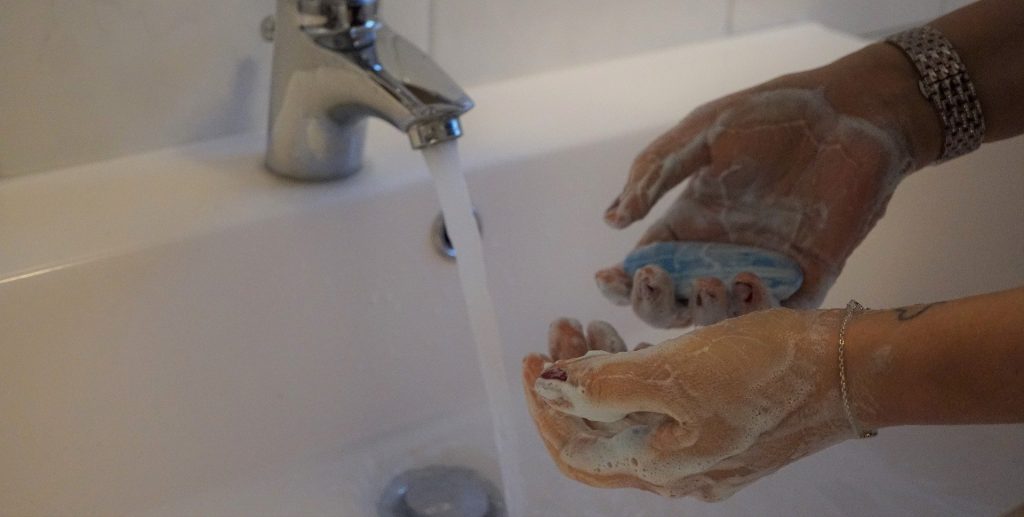
Softened water feels smooth and slippery due to the removal of hard minerals. It improves soap lathering and reduces dryness on skin and hair. Descaled water keeps minerals but changes their form, so the feel remains similar to hard water. Some users notice less soap scum with descalers but no silky sensation. Choosing between them depends on your preference for water texture.
Influence On Appliance Efficiency
Soft water improves appliance efficiency by stopping scale buildup inside machines. It extends the life of water heaters, dishwashers, and washing machines. Descalers reduce scale formation but cannot remove existing deposits. Appliances may still need occasional cleaning with descalers. Softening provides more reliable protection and helps appliances use less energy over time.
Limitations To Consider
Understanding the limitations of water descalers and softeners helps make the right choice. Each system has drawbacks that affect performance and suitability. Being aware of these helps avoid unwanted surprises after installation.
Softener Drawbacks
Water softeners remove hardness minerals by exchanging ions. This process uses salt, which adds sodium to water. People on low-sodium diets may need caution. Softened water may feel slippery or slick, which some dislike. Maintenance involves adding salt regularly and cleaning the system. Softener units take up more space and cost more upfront. They also waste some water during the regeneration cycle.
Descaler Drawbacks
Descalers do not remove minerals but change their structure. This means hardness minerals remain in water and may still cause issues. Descalers work best with mild to moderate hardness. They are less effective for very hard water. Some users notice less soap lather and no true “soft water” feel. Descalers require electricity or magnets and may need professional setup. Their effectiveness can vary depending on water chemistry and flow rates.
Handling High Iron Content
High iron levels complicate both softeners and descalers. Softeners may struggle as iron can clog and damage the resin. Iron buildup leads to more frequent maintenance and resin replacement. Descalers do not remove iron, so staining and odors may persist. Both systems might need pre-treatment with iron filters. Ignoring iron content reduces system lifespan and water quality. Proper testing and treatment plans are essential for iron-rich water.

Credit: www.carrollwater.com
Installation And Cost Factors
Understanding the installation and cost factors of water descalers and softeners helps make the right choice. Both systems target hard water issues but differ in setup and expenses. Knowing these differences supports better decisions for your home and budget.
Initial Investment
Water softeners usually require a higher upfront cost. They involve a larger unit and salt supply. Descalers tend to be less expensive initially. They are smaller and use electronic or magnetic components. The price gap depends on model size and brand.
Ongoing Maintenance Costs
Softener systems need regular salt refills. This adds to monthly expenses. They also need periodic cleaning and filter replacements. Descalers have minimal maintenance needs. They often only require occasional checks. No salt or filters are necessary for descalers.
Ease Of Installation
Water descalers are easier to install. Most models clamp around existing pipes. They require no plumbing changes. Softener installation is more complex. It involves cutting pipes and adding a bypass valve. Professional help is often needed for softeners.
Combining Both Systems
Combining a water descaler and a softener can offer a comprehensive solution for hard water issues. Each system works differently but complements the other well. Understanding when and why to use both helps you protect your home’s plumbing and appliances.
Many homeowners face challenges with scale buildup and mineral deposits. Using both systems together can reduce these problems more effectively than using one alone. This approach targets both the hardness minerals and the effects they cause.
When To Use Both
Use both systems in areas with very hard water. The softener removes calcium and magnesium ions from the water. The descaler changes how minerals behave inside pipes and appliances. It stops scale from sticking and forming hard deposits.
This dual setup benefits homes with old plumbing or sensitive appliances. It helps in places where softeners alone do not prevent all scale buildup. Also, it suits households wanting to extend the life of their water heaters and dishwashers.
Benefits Of Dual Approach
The main benefit is better protection against scale damage. The softener lowers mineral content, while the descaler keeps minerals from settling. This reduces cleaning time and maintenance costs.
Appliances run more efficiently and last longer. Water flow stays smooth, which reduces energy use. The dual system also cuts soap scum and water spots, improving water quality for daily use.
User Experiences And Reviews
User experiences and reviews provide valuable insights into the real benefits and limitations of water softeners and descalers. Many homeowners share their firsthand accounts, helping others decide which system suits their needs. These reviews highlight practical outcomes and common issues faced during use.
Common Feedback On Softeners
Users often praise softeners for effectively removing hard minerals from water. They note softer skin and cleaner dishes after installation. Many mention a noticeable reduction in scale buildup on appliances and pipes. Some users report the need for regular salt refills as a minor inconvenience. A few find softeners increase water usage slightly. Overall, most users feel softeners deliver a clear improvement in water quality.
Common Feedback On Descalers
Descaler users appreciate the low maintenance and easy installation process. Many say descalers reduce scale buildup without adding salt or chemicals. Users often report fewer spots on faucets and better appliance longevity. Some mention that water does not feel as soft compared to softeners. A portion of users find descalers less effective in very hard water areas. The general consensus is that descalers work well for mild to moderate hard water conditions.
Real-world Effectiveness
In real homes, softeners tend to perform better in areas with very hard water. They provide a true soft water experience by removing minerals. Descalers offer a practical alternative where salt use is a concern or water hardness is moderate. Many users combine both systems to maximize benefits. Reviews show that choosing depends on water hardness, budget, and maintenance willingness. Both systems have proven useful but serve different needs.
Choosing The Right Solution
Choosing the right water treatment solution can improve your home’s water quality. Water descalers and softeners serve different purposes. Understanding your water and household needs helps pick the best option. This guide breaks down key points for making a clear choice.
Assessing Water Quality
Start by testing your water hardness level. Hard water has high minerals like calcium and magnesium. These minerals cause scale buildup in pipes and appliances. Check for iron and other elements too. Knowing these details helps decide if you need softening or descaling. Some areas have very hard water, requiring stronger treatment. A water softener removes minerals. A descaler changes mineral behavior to reduce scale.
Evaluating Household Needs
Consider your home’s size and water use. Large families may need a powerful softener to treat all water. Small households might benefit from a descaler to prevent scale without removing minerals. Think about skin and hair sensitivity. Softened water feels smoother but contains less calcium. Appliances like water heaters and dishwashers last longer with less scale. If your plumbing has scale buildup, a descaler can help reduce it gradually.
Making An Informed Decision
Match your water quality and household needs to the right system. A softener suits very hard water with heavy scale issues. A descaler works well for moderate hardness and preventing new scale. Balance cost, installation, and maintenance needs. Softening requires salt and upkeep. Descaling systems need less maintenance but don’t remove minerals. Research product reviews and local water reports. Choose a solution that fits your lifestyle and water problems best.
Credit: americanhomewater.com
Credit: www.netsolwater.com
Frequently Asked Questions
Is A Water Descaler Worth It?
A water descaler reduces scale buildup, improves appliance efficiency, and requires no salt or chemicals. It doesn’t soften water but helps prevent stains and damage. It works well for moderate hard water but may be less effective with very high mineral content.
Do You Need To Descale If You Have A Water Softener?
Yes, you still need to descale with a water softener. Softening removes minerals, but scaling can occur in pipes and appliances. Descaling prevents buildup and extends appliance life, ensuring optimal performance and efficiency. Regular descaling complements water softening for complete hard water management.
What Does It Mean To Descale Water?
Descaling water means removing mineral deposits like calcium and magnesium from surfaces. It prevents scale buildup and improves appliance efficiency.
Does Scalesweeper Actually Work?
Yes, Scalesweeper works by altering mineral properties to reduce hard water scale buildup. It improves appliance efficiency but does not soften water like traditional softeners. Users notice less soap scum and fewer spots, though its effectiveness varies with very hard or iron-rich water.
Conclusion
Choosing between a water descaler and softener depends on your water needs. Softener removes hard minerals, making water feel smooth. Descaler changes minerals to stop scale buildup without removing them. Both help protect pipes and appliances in different ways. Consider water hardness, budget, and maintenance before deciding.
Proper care extends appliance life and improves water quality. Small steps lead to big savings and fewer repairs. Think about your home’s water issues and pick the best fit. Clear, soft water makes daily life easier and cleaner.