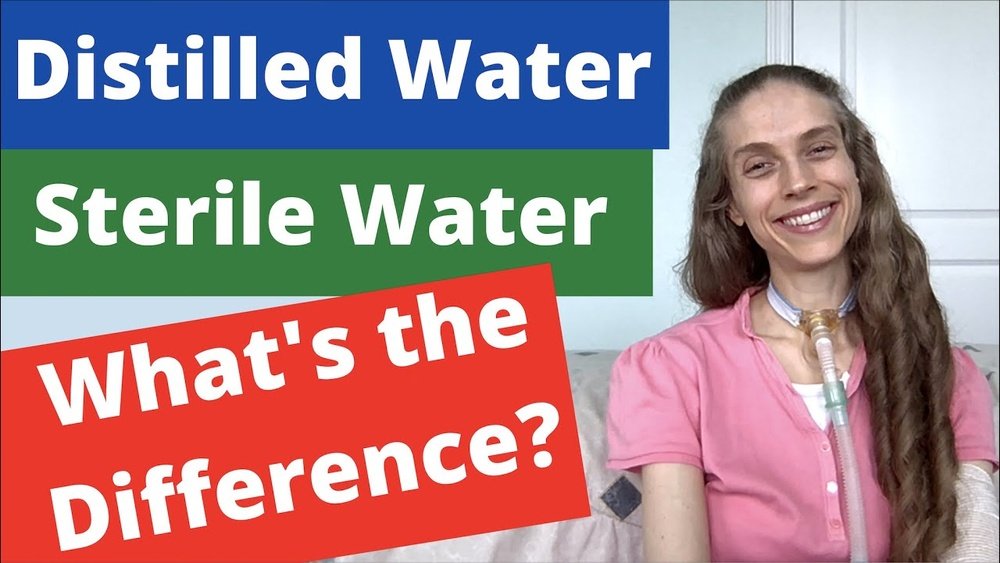
When it comes to choosing the right type of water for your needs, you might find yourself stuck between sterile water and distilled water. At first glance, they may seem quite similar—both are pure, both sound clean—but the truth is, they serve very different purposes.
You might be wondering, “Can I swap one for the other? ” or “Which one is safer for my health or devices? ” Understanding the real difference could save you from costly mistakes or even health risks. Keep reading, and you’ll discover exactly what sets sterile water apart from distilled water, when you should use each, and why this simple choice matters more than you think.

Credit: www.gbiosciences.com
Sterile Water Basics
Sterile water is specially prepared to remove all living microorganisms. It provides the highest level of microbial safety. This type of water is crucial in medical and laboratory settings. Understanding sterile water helps to see how it differs from distilled water.
Its purity and safety make it ideal for sensitive uses. The production process ensures no bacteria, viruses, or spores remain. This guarantees it is safe for direct contact with the human body.
Production Methods
Sterile water is made by purifying water first. Then, it undergoes sterilization methods like autoclaving or filtration. Autoclaving uses high heat and pressure to kill all microbes. Filtration passes water through very fine filters to remove microorganisms. These steps ensure the water is completely free from living germs.
Microbial Safety
Sterile water contains zero bacteria, viruses, or spores. It is tested to confirm no microbes are present. This high safety level prevents infections in medical use. It is safe for injections, wound cleaning, and surgical procedures. Its microbial purity is the key reason for its use in healthcare.
Common Uses
Sterile water is used mostly in medical environments. It is common in hospitals for injections and IV fluids. It cleans wounds without risking infection. Laboratories use it to grow cell cultures safely. Pharmaceutical companies mix it with medicines. Its purity supports many critical health and science tasks.
Distilled Water Basics
Distilled water is a type of purified water known for its high level of cleanliness. It undergoes a special process that removes most impurities, making it different from regular tap water. Understanding the basics of distilled water helps clarify how it differs from other types like sterile water.
Purification Process
Distilled water is made by boiling water to create steam. The steam rises, leaving behind minerals and impurities. Then, the steam cools and turns back into liquid water. This process removes most minerals, chemicals, and some microorganisms. It does not guarantee the removal of all microbes.
Chemical Purity
The main goal of distillation is to increase chemical purity. Distilled water has very low levels of dissolved solids. It lacks minerals like calcium and magnesium found in regular water. This makes it ideal for uses requiring clean, mineral-free water. It is not always completely free of microbes.
Typical Applications
Distilled water is used in many areas where purity matters. It is common in laboratories for experiments. People use it in steam irons to prevent mineral buildup. It also works well in car batteries and humidifiers. Distilled water is not recommended for injection or medical use without sterilization.
Microbial Differences
Understanding the microbial differences between sterile water and distilled water is important. These differences affect how each type of water is used. Sterile water is free from all living microbes. Distilled water is purified but may still have some microorganisms. The processes used to treat these waters shape their safety and applications.
Sterilization Vs Distillation
Sterilization kills all forms of microbial life. It uses methods like autoclaving or filtration. Distillation removes impurities by boiling and condensing water. This process eliminates many microbes but not all. Therefore, distilled water is not always completely microbe-free.
Survival Of Microorganisms
Microorganisms can survive distillation if they resist heat or are in vapor form. Spores and some bacteria may remain after distillation. Sterilization targets all microbes, including spores and viruses. This makes sterile water safer for medical uses where microbes must not be present.
Impact On Safety
Sterile water is safe for injections and surgical procedures. Its lack of microbes reduces infection risk. Distilled water is safe for laboratory and household uses. It is not recommended for medical procedures needing microbe-free water. Choosing the right water depends on the required level of microbial safety.
Purity And Composition
Understanding the purity and composition of sterile water and distilled water helps clarify their differences. Both types undergo processes to remove impurities, but their final contents vary. These differences affect how each water type is used across industries.
Examining mineral content, trace substances, and their effects on usage reveals what makes each water unique. This knowledge guides proper selection for specific needs.
Mineral Content
Sterile water usually contains almost no minerals. It is purified but may have tiny mineral traces left after sterilization. Distilled water is created by boiling and condensing steam, removing nearly all minerals. This makes distilled water extremely pure in terms of mineral content. Both types lack the minerals found in tap or spring water, but distilled water is typically purer in minerals than sterile water.
Trace Substances
Sterile water is free from living microbes but may contain some inorganic particles. The sterilization process kills bacteria and viruses but does not guarantee the removal of all chemical traces. Distilled water removes many chemicals and impurities through evaporation and condensation. Yet, some volatile substances can remain. The presence of trace substances in sterile water depends on its source and sterilization method. Distilled water is generally cleaner regarding chemical residues.
Effect On Usage
Sterile water’s microbial purity makes it ideal for medical uses, such as injections and wound cleaning. The presence of minor inorganic substances usually does not affect these uses. Distilled water’s low mineral and chemical content suits laboratory experiments and household appliances. It prevents mineral buildup in irons and humidifiers. Choosing between them depends on whether microbial safety or chemical purity is more important.
Medical And Laboratory Uses
Medical and laboratory settings demand water that meets strict quality standards. Both sterile water and distilled water serve important roles here. Their uses depend on how pure and microbe-free the water must be.
Understanding these roles helps avoid mistakes that could harm patients or compromise experiments.
Sterile Water In Healthcare
Sterile water contains no living microorganisms. It is safe for direct contact with the body. Doctors use it for injections, wound cleaning, and during surgeries. Sterile water prevents infections and supports healing. It also helps prepare medicines that must be free of germs. Hospitals rely on sterile water to protect patients from harmful bacteria.
Distilled Water In Labs
Distilled water is free from minerals and chemicals. Labs use it to avoid contamination in experiments. It provides consistent results by removing impurities. Scientists use distilled water to clean tools and mix solutions. It is vital for chemical reactions that need pure water. Distilled water does not guarantee the absence of microbes but is ideal for many lab tasks.
Risks Of Misuse
Using sterile water instead of distilled water may affect test accuracy. Using distilled water instead of sterile water can cause infections. Injecting non-sterile water into the body is dangerous. Contaminated water in medical use risks serious health issues. Labs must match water type to the specific task. Careful selection avoids harm and ensures success in both fields.
Household And Industrial Uses
Both sterile water and distilled water serve important roles in homes and industries. Their unique qualities suit different needs. Understanding their uses helps avoid damage and ensures safety. This section explores how each type works in daily and industrial settings.
Distilled Water In Appliances
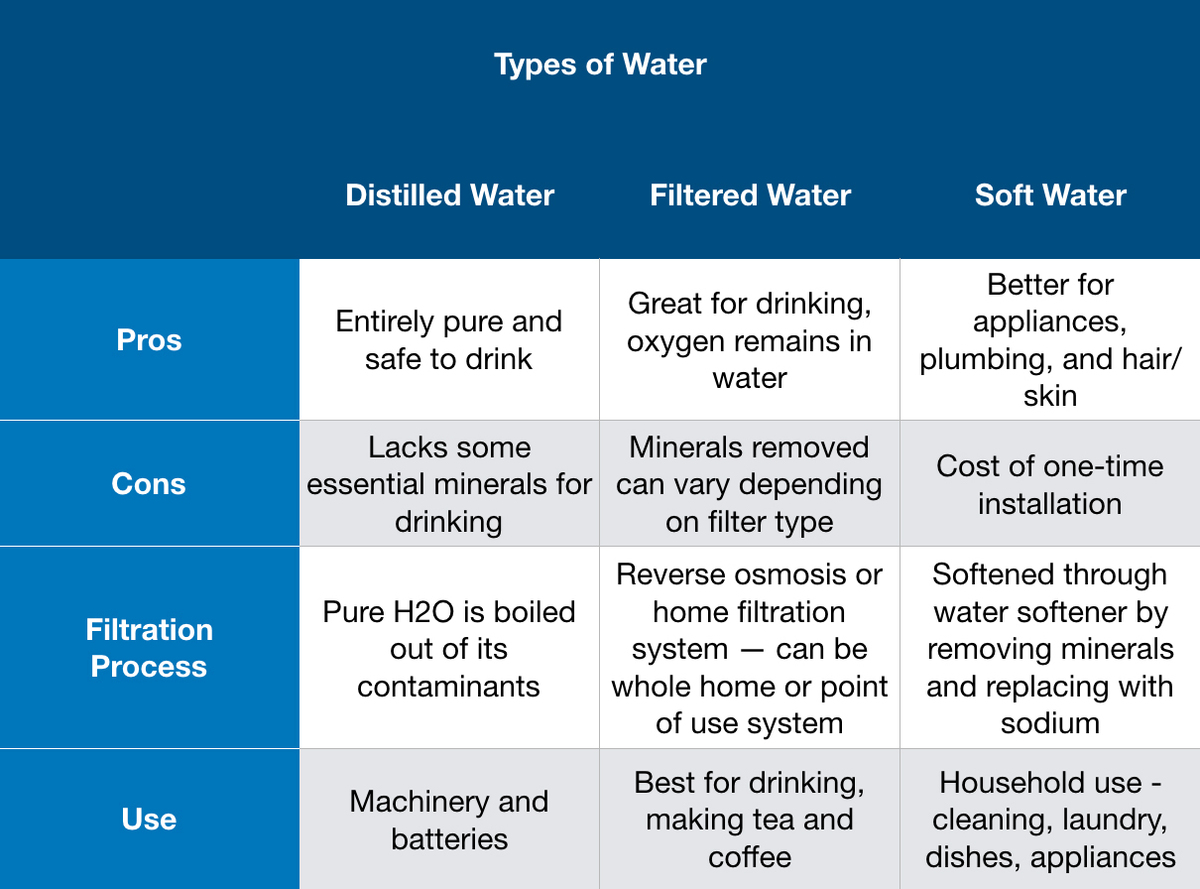
Distilled water is ideal for household appliances like irons and humidifiers. It prevents mineral buildup inside devices. Minerals in regular tap water can clog and damage machines. Using distilled water extends appliance life and keeps them working well. It also helps in car batteries and steam irons, where purity matters.
Sterile Water In Pharmaceuticals
Sterile water is crucial in the pharmaceutical industry. It is used to make injections and clean wounds. Its lack of microbes ensures safety in medical procedures. Sterile water is also important for mixing medicines. It helps avoid infections and contamination in hospitals and labs.
Choosing The Right Water
Select water based on the task. Use distilled water for appliances needing mineral-free water. Choose sterile water for medical and laboratory uses requiring microbe-free water. Incorrect water can cause damage or health risks. Knowing the difference helps make the right choice every time.
Substitutes And Alternatives
Choosing the right type of water is important for health and safety. Sterile water and distilled water serve different needs. Sometimes, you might need substitutes that fit your specific use. This section explores common alternatives and when to avoid them.
Bacteriostatic Water
Bacteriostatic water contains a small amount of preservative. This stops bacteria from growing in the water. It is used mainly for injections that need to stay sterile longer. Unlike sterile water, it can be stored after opening. It is not safe for all medical uses. Only use it when recommended by a healthcare professional.
Purified Water Options
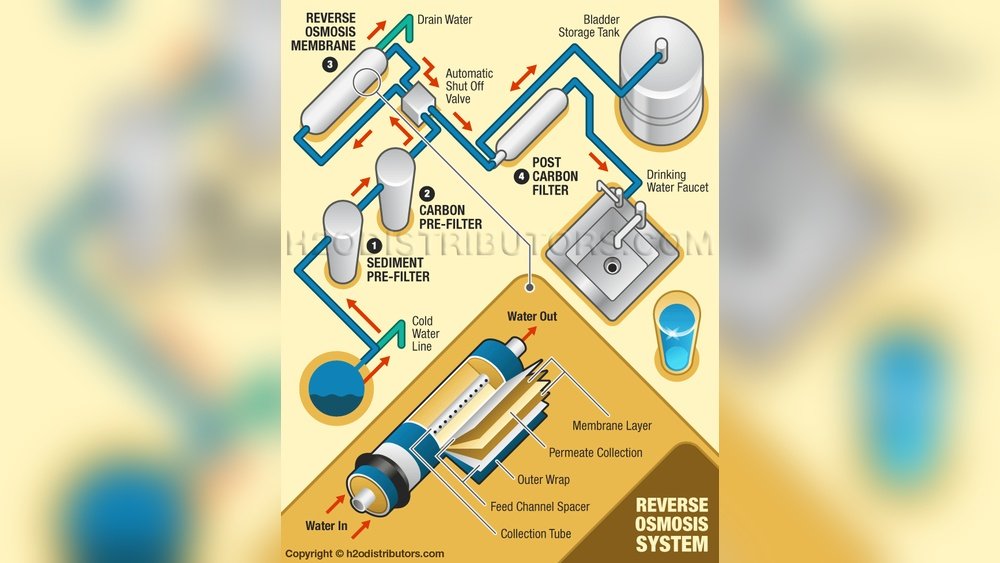
Purified water is treated to remove chemicals and impurities. It includes methods like reverse osmosis and deionization. Purified water is cleaner than tap water but not always sterile. It can replace distilled water in some lab tasks. It is not suitable for injections or wound cleaning. Always check the purity level before substituting.
When To Avoid Substitutes
Do not use substitutes for sterile water in critical medical settings. Injections, surgeries, and wound care require absolute sterility. Using non-sterile water can cause infections or complications. For non-medical uses, some substitutes may work fine. Always follow guidelines or ask an expert before switching water types.

Credit: hs770.com
Storage And Handling
Proper storage and handling of sterile and distilled water ensure their quality and safety. Both types require careful attention to prevent contamination and maintain their intended use. Handling them incorrectly can lead to microbial growth or chemical changes that reduce effectiveness.
Storing water in clean, sealed containers and in suitable environments keeps it reliable for various uses. Understanding the differences in storage needs between sterile and distilled water helps preserve their unique properties.
Maintaining Sterility
Sterile water must be kept in sealed, sterile containers at all times. Avoid opening containers unless necessary, to prevent germs from entering. Use sterile techniques, such as gloves and disinfected surfaces, when handling. Store it away from heat and direct sunlight to keep it stable.
Preventing Contamination
Keep distilled water in clean, tightly closed bottles to avoid dust and dirt. Avoid touching the inside of caps or containers with bare hands. Use clean tools to pour or transfer water. Always check containers for cracks or damage that may allow contaminants inside.
Best Practices
Label containers clearly to avoid confusion between sterile and distilled water. Store both types in cool, dry places away from chemicals. Use water within the recommended time frame to ensure freshness. Dispose of any water that looks cloudy or smells unusual to avoid risks.
Credit: www.watersmartsystems.com
Frequently Asked Questions
Can I Use Sterile Water In Place Of Distilled Water?
Sterile water is free of all microbes, making it safe for medical use. Distilled water lacks minerals but isn’t guaranteed microbe-free. Use sterile water for injections and distilled water for appliances or labs.
Is Sterile Water Just Boiled Water?
Sterile water is not just boiled water. It undergoes extra sterilization to remove all microbes. Boiling alone doesn’t ensure sterility.
Are Sterile Water Vs Distilled Water The Same?
Sterile water is free of all microbes, safe for medical use. Distilled water removes minerals but may contain microbes. They differ in purity and use.
What Is A Substitute For Sterile Water?
A substitute for sterile water is bacteriostatic water or distilled water only if sterility is not critical.
Conclusion
Sterile water and distilled water serve different needs. Sterile water is free from all microbes, making it safe for medical use. Distilled water removes minerals and most impurities but may still have some microbes. Choose sterile water for injections or wounds.
Use distilled water for appliances and lab work. Understanding these differences helps you pick the right water type. Clear and simple.