When it comes to choosing the right water for your health, you might wonder: should you go for spring water, distilled water, or purified water? Each type promises purity and benefits, but they are quite different in how they’re sourced and what they contain.
Understanding these differences can help you make smarter choices for your body and lifestyle. You’ll discover what sets spring, distilled, and purified water apart, which one fits your needs best, and why the water you drink matters more than you might think.
Keep reading to make sure every drop you drink truly supports your well-being.

Credit: 7esl.com
Types Of Drinking Water
Drinking water comes in many types, each with unique features and benefits. Understanding these types helps you choose the best water for your health and taste preferences. Some types focus on purity, while others offer natural minerals or special pH levels.
Here are the main types of drinking water you will find in stores and homes.
Filtered Tap Water
Filtered tap water starts as regular tap water. It goes through filters to remove chlorine, sediments, and some chemicals. Activated carbon filters improve taste and odor. This water keeps important minerals like calcium and magnesium. It is affordable and easy to access.
Spring Water
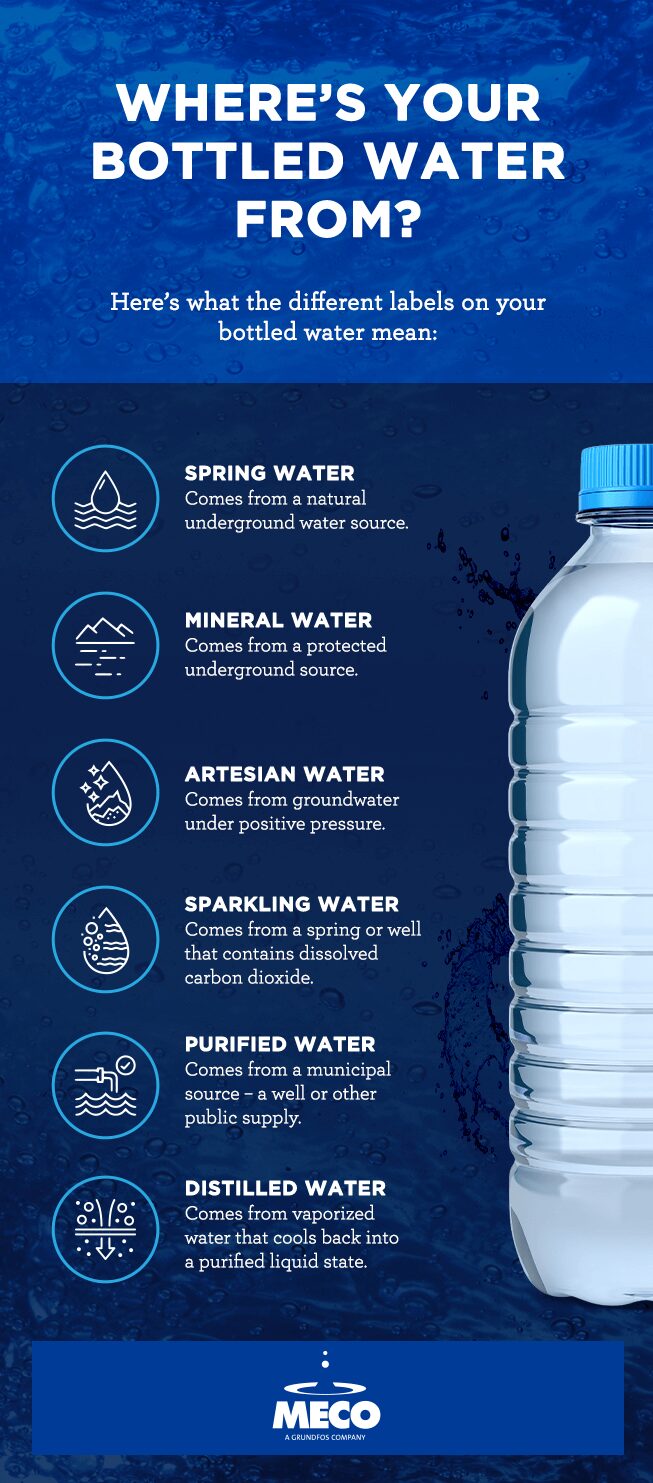
Spring water comes from natural underground sources. It flows to the surface naturally or by pumping. This water contains natural minerals such as calcium and magnesium. These minerals add flavor and nutrients. Spring water is often bottled at the source to keep it pure.
Mineral Water
Mineral water is a type of spring water. It must contain a certain level of minerals by law. These minerals include magnesium, calcium, and potassium. Mineral water often has a unique taste due to its mineral content. It is popular for its health benefits and refreshing flavor.
Purified And Distilled Water
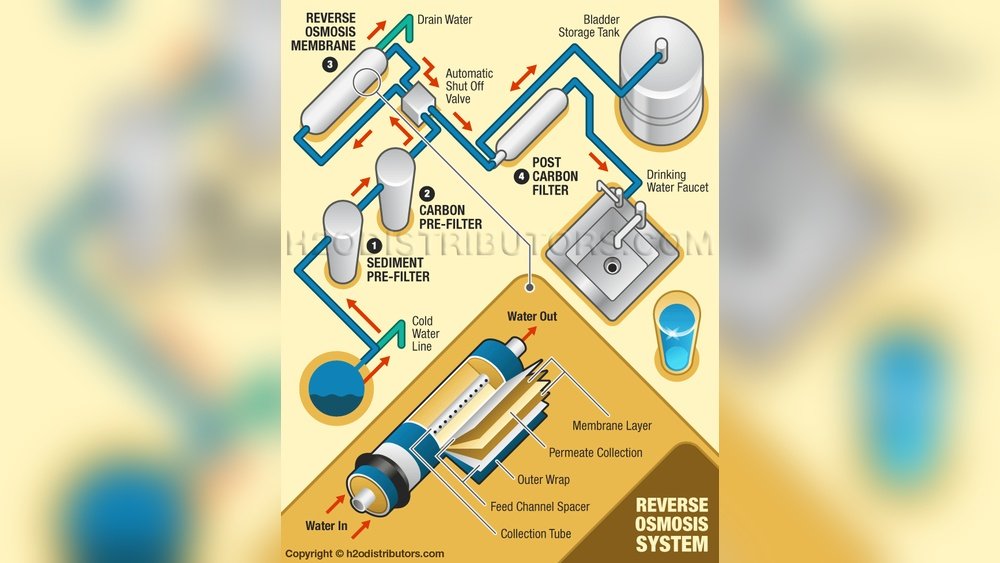
Purified water is cleaned to remove almost all impurities. It uses processes like reverse osmosis, deionization, or carbon filtration. Distilled water is a type of purified water. It is boiled to create steam, then condensed back to water. This removes minerals and contaminants completely. The water tastes very clean but lacks minerals.
Alkaline Water
Alkaline water has a higher pH than regular water. It usually has added minerals like calcium or magnesium to raise its pH. Some believe alkaline water helps balance body acidity. Scientific evidence is limited, so benefits remain unclear. It tastes smoother and may feel less acidic.
Credit: www.meco.com
Sources And Processing Methods
Understanding where water comes from and how it is processed helps you choose the right type. Spring water, distilled water, and purified water differ mainly in their sources and treatment methods. These factors affect taste, purity, and mineral content. Below, we explore these differences clearly.
Natural Springs And Aquifers
Spring water comes from natural springs and underground aquifers. Rainwater seeps into the ground and collects in these areas. The water rises to the surface naturally or is pumped out. It often contains minerals picked up from the soil and rocks. These minerals add flavor and some health benefits.
Filtration Techniques
Purified water undergoes filtration to remove impurities. Filters may use activated carbon, reverse osmosis, or UV light. These methods remove bacteria, chemicals, and other contaminants. The goal is to make water very clean and safe. Mineral content may be reduced or added back after filtering.
Distillation Process
Distilled water is made by boiling water and collecting the steam. The steam condenses into pure water, leaving impurities behind. This process removes almost all minerals and contaminants. Distilled water is very pure but lacks natural minerals. It tastes flat compared to spring water.
Mineral Content Variation
Mineral content varies widely among these water types. Spring water usually has natural minerals like calcium and magnesium. Purified water may have minerals added back after processing. Distilled water has almost no minerals. Minerals affect taste and may provide small health benefits. Choose water based on your preference for taste and mineral intake.
Health Benefits And Nutrient Content
Water quality affects health and nutrient intake. Different types offer unique benefits. Understanding nutrient content helps choose the best water for your body.
Some waters contain natural minerals. Others focus on purity and removing unwanted substances. Each has effects on hydration and health.
Electrolytes In Spring And Mineral Water
Spring water naturally contains electrolytes like calcium, magnesium, and potassium. These help keep your body balanced. Electrolytes support muscle function and nerve signals. Drinking spring or mineral water can boost these essential minerals. It aids hydration better than plain water alone.
Purity And Contaminant Removal
Purified water goes through processes to remove impurities. Filtration methods include reverse osmosis and UV light. These remove bacteria, chemicals, and metals. Purified water is very clean and safe to drink. It lacks minerals but protects from harmful contaminants.
Impact Of Mineral Removal In Distilled Water
Distilled water is boiled and condensed to remove all minerals and impurities. This produces pure water but strips beneficial minerals. Drinking distilled water regularly may lead to mineral deficiencies. It does not provide electrolytes needed for body function. People may miss out on natural nutrients found in other waters.
Alkaline Water And Ph Levels
Alkaline water has a higher pH than regular water. It may neutralize acid in the body and improve hydration. Some believe it reduces acid reflux and boosts energy. Scientific evidence is limited, but some users report benefits. pH levels in water affect taste and how the body absorbs it.
Taste And Sensory Differences
Water taste varies depending on its source and treatment. Spring water, distilled water, and purified water each offer unique sensory experiences. These differences affect how we enjoy drinking water daily. Understanding taste and sensory differences helps in choosing water that suits your palate.
Flavor Profiles Of Spring Vs Purified Water
Spring water often has a fresh and natural flavor. It contains minerals that add subtle taste notes. Purified water, including distilled water, tastes very clean and neutral. It lacks minerals, so the flavor is flat or plain. Some people prefer the crispness of purified water. Others enjoy the slight taste spring water offers.
Mineral Influence On Taste
Minerals like calcium, magnesium, and potassium shape water’s flavor. Spring water’s minerals create a slight sweetness or earthiness. These minerals also give a smooth mouthfeel. Purified water has most minerals removed, so it tastes bland. Distilled water is the purest form and can taste almost empty. Mineral content is the key factor in water taste differences.
Consumer Preferences
Many consumers choose water based on taste. Some like spring water for its natural flavor and minerals. Others prefer purified water for its clean, neutral taste. Distilled water appeals to those wanting no taste at all. Preferences vary by culture, habits, and health needs. Taste plays a major role in daily water choices.
Environmental And Cost Considerations
Choosing between spring water, distilled water, and purified water involves more than taste or health benefits. Environmental impact and cost play key roles in deciding which water suits your lifestyle and budget. Understanding these factors helps make smarter choices for daily hydration.
Sustainability Of Bottled Water
Bottled spring water often comes from natural sources. This can affect local ecosystems if overused. Distilled and purified water usually rely on energy-heavy processes. These processes increase carbon footprints. Refillable water systems reduce waste and lower environmental harm. Choosing local water reduces transportation emissions.
Cost Comparison Of Water Types
Spring water tends to be pricier due to source and packaging. Distilled water costs more because of the energy used in distillation. Purified water prices vary but often sit between spring and distilled water. Tap water remains the cheapest option. Using home filtration systems cuts long-term expenses.
Packaging And Waste Issues
Plastic bottles dominate the market for all water types. These bottles contribute to landfill and ocean pollution. Recycling rates are still low worldwide. Glass bottles offer a greener alternative but cost more. Reusable containers greatly reduce single-use plastic waste. Proper disposal and recycling help protect the environment.
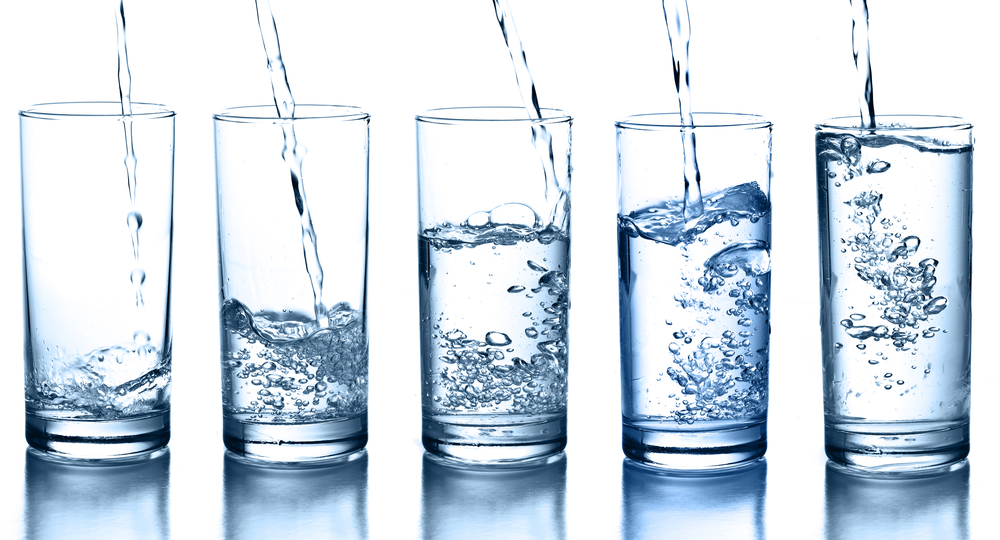
Credit: peacockwater.com
Safety And Quality Concerns
Safety and quality concerns are vital when choosing between spring water, distilled water, and purified water. Each type has different standards and potential risks. Knowing these helps pick water that is both safe and healthy. This section explains key safety points for each water type.
Testing Requirements For Well Water
Well water needs regular testing. It can contain bacteria, chemicals, or heavy metals. Testing ensures no harmful substances are present. Homeowners should check well water yearly. Local health departments often provide testing services. Testing includes checking for nitrates, coliform bacteria, and lead. Untested well water may cause illness.
Risks With Bottled Water
Bottled water is convenient but not risk-free. Plastic bottles can leach chemicals, especially if stored in heat. Some brands may not follow strict quality controls. Storage conditions affect water taste and safety. Over time, bottled water may develop microplastics. Always check expiration dates and store bottles in cool, dark places to reduce risks.
Additives And Contaminants To Watch
Spring water may contain natural minerals but also contaminants. These include pesticides or industrial pollutants from nearby land. Distilled water is free from minerals and impurities but lacks beneficial elements. Purified water undergoes filtration to remove chemicals and microbes, yet some additives like fluoride may be added. Consumers should read labels carefully and know what is in their water.
Choosing The Right Water For You
Choosing the right water impacts your health and daily routine. Water types differ in taste, mineral content, and purification levels. Understanding these differences helps pick the best option for your needs. Consider lifestyle, local water quality, and mineral balance before deciding.
Lifestyle And Hydration Needs
Your daily activities affect water choice. Active lifestyles may benefit from spring water’s natural minerals. They help replenish electrolytes lost through sweat. For those with sensitive digestion, distilled water offers purity without additives. Purified water suits most people, balancing cleanliness and taste. Choose water that supports your energy and hydration levels.
Local Water Quality Factors
Water quality varies by location. Some areas have clean tap water, while others do not. Check local reports on water safety and contaminants. If tap water is safe, filtered tap water can be ideal. In places with poor tap water, bottled spring or purified water may be safer. Knowing your local water quality guides smarter choices.
Balancing Purity And Mineral Intake
Pure water lacks minerals but is free of impurities. Distilled water removes almost everything, including helpful minerals. Spring water contains natural minerals that support health. Purified water removes contaminants but may keep some minerals. Balance purity with mineral intake to maintain good hydration and health. Choose water that fits your body’s needs best.
Frequently Asked Questions
What Is The Healthiest Type Of Water To Drink?
The healthiest water is clean, filtered tap water with minerals, removing harmful contaminants. Spring and mineral waters add natural electrolytes. Purified water offers purity but lacks minerals. Choose safe, consistently consumed water to stay well-hydrated and healthy.
Is Spring Water Good For You While Pregnant?
Spring water is good during pregnancy if it is clean and from a reliable source. It provides natural minerals and hydration. Always check for contamination risks to ensure safety for both mother and baby. Drinking safe, mineral-rich water supports healthy pregnancy hydration.
Why Is It Not Recommended To Drink Distilled Water?
Drinking distilled water is not recommended because it lacks essential minerals like calcium and magnesium. It may also taste flat and can leach minerals from the body, potentially causing mineral deficiencies over time. For daily hydration, mineral-rich water supports better health.
What Is The Difference Between Spring And Distilled Water?
Spring water comes from natural underground sources and contains minerals. Distilled water is purified by boiling and condensation, removing minerals and impurities completely.
Conclusion
Choosing between spring, distilled, and purified water depends on your needs. Spring water offers natural minerals and a fresh taste. Distilled water provides high purity but lacks minerals. Purified water removes contaminants effectively while being safe to drink. Drinking clean water regularly matters most for health.
Pick water that fits your lifestyle and preferences. Stay hydrated with water you trust every day.