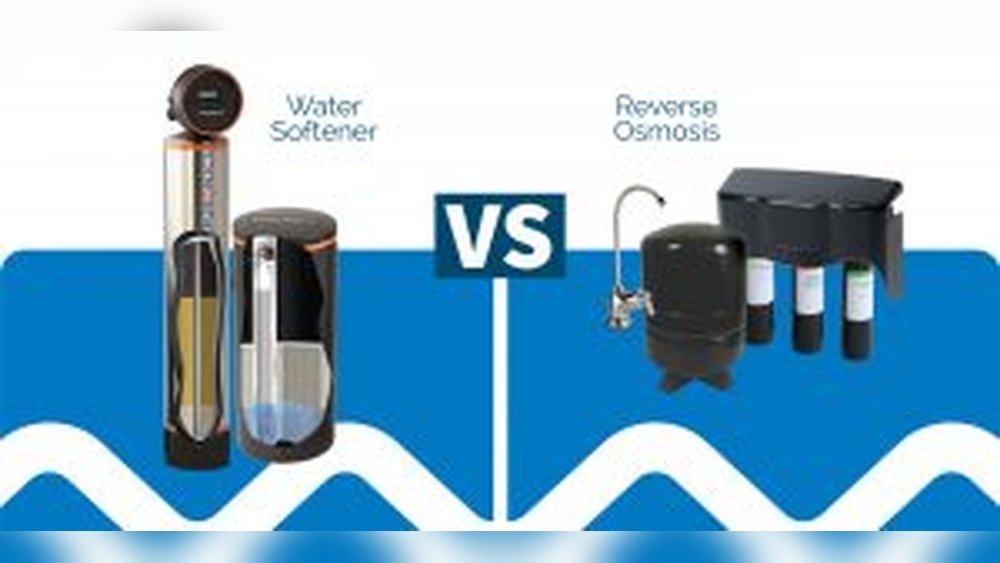
When it comes to improving your home’s water quality, you might be wondering: should you choose a reverse osmosis system or a water softener? Both promise cleaner, better water, but they work very differently—and the choice you make can impact your health, your appliances, and your wallet.
Are you looking to remove hard minerals that cause scale buildup, or are you more concerned about filtering out harmful contaminants? Understanding the key differences between these two popular options will help you make the right decision for your water needs.
Keep reading to uncover how each system works, their benefits, and what might be best for you and your family’s well-being.

Credit: www.alfaauv.com
How Reverse Osmosis Works
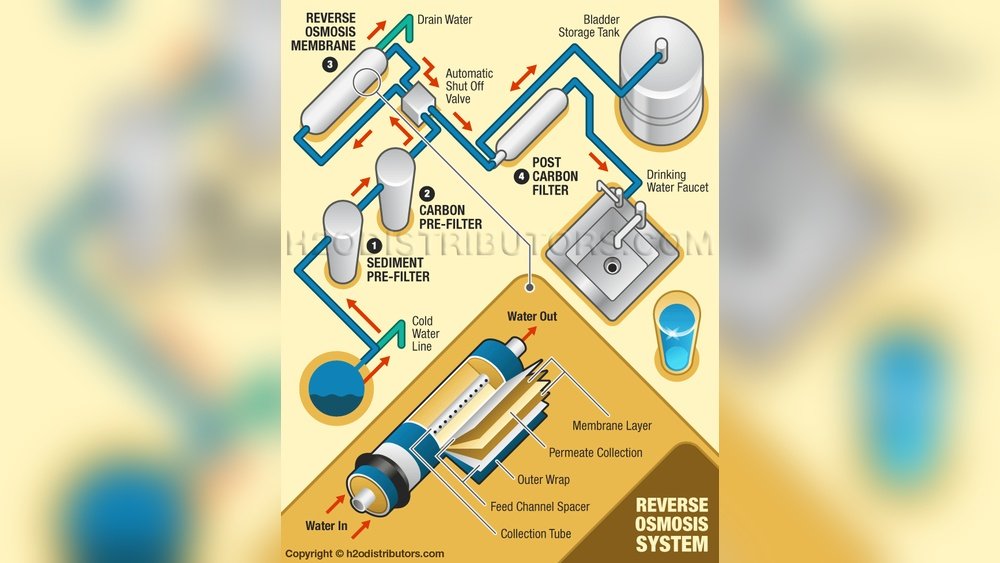
Reverse osmosis (RO) is a popular method to purify water. It uses a special membrane to clean water by removing many impurities. This process makes the water safer and better tasting. Understanding how reverse osmosis works helps to see why it is different from a water softener. RO treats water by filtering it deeply, removing contaminants, and also stripping some minerals.
Filtration Process
In reverse osmosis, water passes through a semi-permeable membrane. This membrane only lets water molecules move through. Larger particles, like dirt and bacteria, cannot pass. The water pressure pushes the clean water across the membrane. Contaminants stay behind and get flushed away. This process ensures the water is clean and clear.
Contaminant Removal
RO removes many harmful substances from water. It filters out chlorine, lead, pesticides, and other chemicals. It also reduces bacteria and viruses. This makes water safer to drink. The system can remove particles as small as 0.0001 microns. This level of filtration is much finer than other filters.
Mineral Stripping
Reverse osmosis also removes minerals like calcium and magnesium. These minerals give water a natural taste. Their removal can make water taste flat. Drinking water without minerals long-term may cause mineral deficiencies. Some RO systems add minerals back after filtration. This step helps keep water healthy and tasty.
How Water Softeners Work
Water softeners help improve hard water by reducing minerals. They make water gentler on skin, clothes, and pipes. Understanding how water softeners work helps in choosing the right system for your home.
Water softeners do not remove all impurities. Instead, they focus on reducing hardness caused by minerals like calcium and magnesium.
Ion Exchange Method
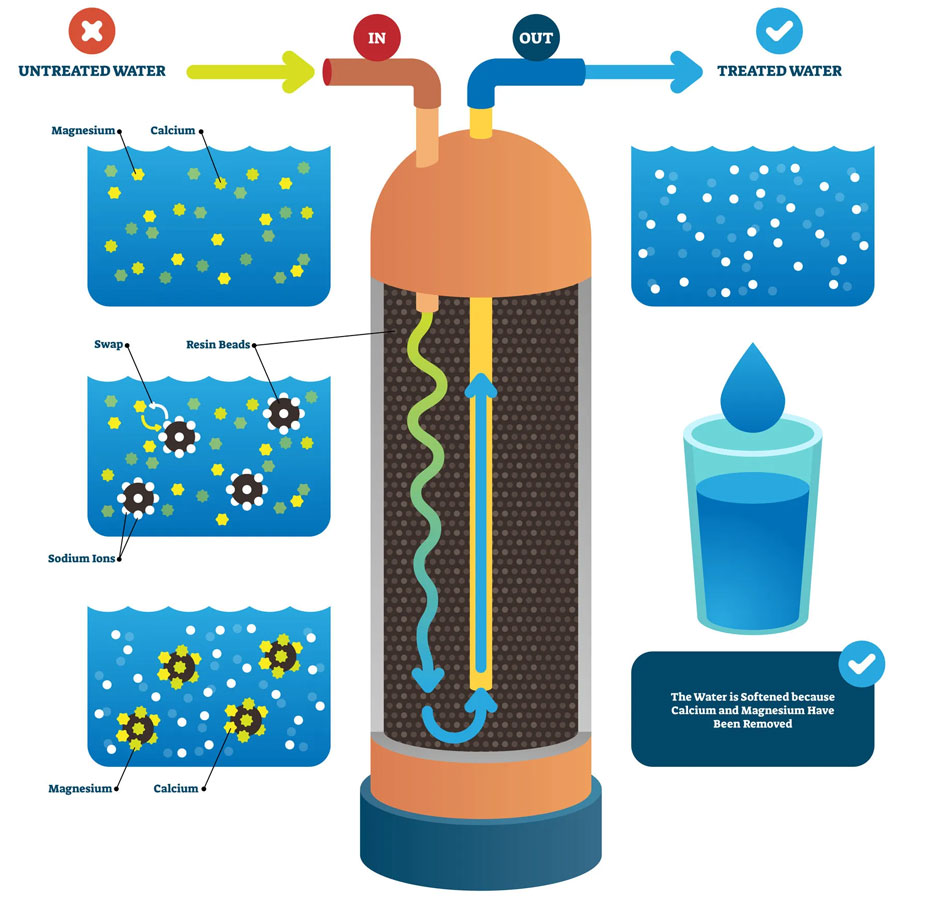
Water softeners use a process called ion exchange. Hard water passes through a tank filled with resin beads. These beads hold sodium or potassium ions. When hard water flows, calcium and magnesium ions swap places with sodium or potassium ions. This exchange removes hardness minerals from the water.
Hardness Removal
The main goal is to remove calcium and magnesium. These minerals cause scale buildup in pipes and appliances. By replacing them with sodium or potassium, the water becomes soft. Soft water prevents damage and makes cleaning easier.
Effect On Water Composition
Softened water contains more sodium or potassium than before. It does not remove other impurities or contaminants. The taste may change slightly due to added sodium. This change is usually mild and safe for most people. Soft water is better for household use but not meant for drinking in large amounts.
Key Differences Between Ro And Softeners
Understanding the key differences between reverse osmosis (RO) systems and water softeners helps in choosing the right water treatment. Both systems improve water quality but do so in very different ways. This section breaks down their main distinctions.
Targeted Contaminants
Reverse osmosis removes many harmful substances. It filters out chlorine, lead, fluoride, and other chemicals. It also blocks bacteria and viruses. Water softeners focus on minerals causing hardness. They remove calcium and magnesium ions. Softening does not remove other contaminants like chemicals or microbes.
Water Taste And Texture
RO water tastes clean and fresh because many impurities are removed. The water is often described as crisp or pure. Water softeners make water feel smoother and less harsh. They reduce scale buildup but do not change the overall taste much. Softened water may feel slippery due to added sodium or potassium.
Maintenance And Costs
RO systems need regular filter and membrane changes. This keeps the system working well and water pure. They require more maintenance and higher upfront costs. Water softeners need salt refills and occasional cleaning. They generally cost less and are easier to maintain. Both systems need professional installation for best results.
Health Impacts Of Reverse Osmosis Water
Reverse osmosis (RO) water is popular for its purity and safety. It removes many harmful substances from tap water. Yet, this process also strips out minerals essential for health. Understanding these health effects helps you make informed choices about drinking RO water.
Mineral Depletion Risks
RO water lacks key minerals like calcium, magnesium, and potassium. These minerals support strong bones, muscles, and nerves. Drinking only RO water can lower your intake of these nutrients. Over time, this may weaken bone density and affect heart health.
Potential Deficiencies
Long-term use of RO water without a balanced diet may cause mineral shortages. Signs include fatigue, muscle cramps, and increased thirst. Some studies suggest pure water may pull minerals from the body. This can worsen deficiencies and harm overall wellness.
Concerns For Infants And Children
Infants and children need minerals to grow properly. RO water’s lack of nutrients may affect their development. Babies fed only RO water risk low mineral levels. Parents should ensure children get minerals from other sources if using RO water.
Health Benefits Of Water Softeners
Water softeners offer several health benefits by improving water quality in homes. They reduce hard minerals like calcium and magnesium that cause scale build-up. Softer water can also be gentler on your skin and hair. Unlike some filtration systems, water softeners keep important minerals in the water. Still, they do not remove all harmful contaminants. Understanding these benefits and limits helps you choose the right system for your needs.
Reduced Scale And Skin Benefits
Water softeners lower calcium and magnesium levels in water. This stops scale from forming on pipes and appliances. Soft water feels smoother on the skin and hair. It can reduce dryness and irritation. People with sensitive skin often notice less itching after using softened water.
Mineral Retention
Unlike reverse osmosis, water softeners keep healthy minerals. Calcium and magnesium remain in the water supply. These minerals support strong bones and muscles. Drinking softened water still gives your body these nutrients. This helps maintain a balanced mineral intake.
Limitations In Contaminant Removal
Water softeners do not remove chemicals or bacteria. Harmful substances like lead, chlorine, or pesticides can stay in the water. They focus only on hardness minerals. For full purification, you may need additional filtration systems. Knowing this helps avoid false safety expectations.
Taste And Quality Comparison
Comparing reverse osmosis and water softeners reveals clear differences in taste and water quality. Both systems treat water uniquely, affecting flavor and usability. Understanding these distinctions helps choose the right option for your needs.
Flavor Differences
Reverse osmosis removes nearly all minerals and impurities from water. This process creates a very pure, clean taste. Some find this taste flat or bland because essential minerals are missing. Water softeners replace calcium and magnesium with sodium or potassium. This swap keeps minerals in the water, preserving a natural taste. The softened water often tastes slightly salty or smoother. Personal taste varies widely between these two options.
Effects On Cooking
Cooking with reverse osmosis water can change food flavors. Without minerals, it may dull some dishes or weaken coffee and tea taste. Softened water retains minerals but adds sodium, which can subtly alter flavors. It often improves texture in baked goods and soups. Chefs sometimes prefer softened water for these reasons. Both waters work but impact recipes differently.
User Preferences
Some users prefer reverse osmosis for its pure, clean taste. They enjoy the crispness and clarity it brings. Others choose water softeners to keep minerals and reduce hardness without losing flavor. Softened water feels smoother on the skin and in drinks. Preferences depend on taste, health concerns, and cooking habits. Testing both types may help find your ideal water quality.
Environmental And Cost Considerations
Choosing between reverse osmosis (RO) and water softeners involves understanding their environmental and cost impacts. Both systems improve water quality but differ in how they affect resources and your budget. This section explores key factors to help you make an informed decision.
Water Waste In Ro Systems
RO systems use water to flush away impurities. This process creates wastewater that can be two to four times the amount of purified water. Such waste raises concerns about water conservation. In areas with limited water supply, this inefficiency matters. Some newer RO models reduce waste, but older units still consume a lot of water. Users should consider local water availability before choosing RO.
Salt Usage In Softeners
Water softeners use salt to remove hardness minerals like calcium and magnesium. This salt is released into the environment during regeneration cycles. High salt discharge can harm soil and water ecosystems. It may also affect septic systems and wastewater treatment plants. People on low-sodium diets should note that softened water contains more sodium. Choosing a softener with efficient salt use can reduce these impacts.
Long-term Expenses
Both RO systems and water softeners require ongoing costs. RO units need regular filter and membrane replacement. These parts can be costly and must be changed every 6 to 12 months. Softeners need salt refills and periodic maintenance. Energy use for both systems varies but is generally low. Over time, softeners may cost less to maintain. RO systems may add up due to filter changes and water waste. Budgeting for these expenses is essential for smart water treatment choices.
Remineralization Solutions For Ro Water
Reverse osmosis (RO) water is very pure but lacks minerals your body needs. The RO process removes harmful substances and essential minerals like calcium and magnesium. Drinking only RO water can cause mineral deficiency over time. Remineralization adds these important minerals back. This helps keep your water healthy and tasty.
Adding Minerals Back
Many RO systems include a remineralization filter. This filter adds minerals like calcium and magnesium back into the water. It improves the taste and restores health benefits. Some filters use natural mineral stones or blends to enrich the water. Adding minerals also balances the water’s pH, making it less acidic.
Dietary Compensation
You can also get minerals from your food instead of water. Eating fruits, vegetables, nuts, and dairy helps replace lost minerals. This method works if you have a balanced diet. But relying only on diet may not fully cover your mineral needs. Remineralized water offers an easy way to ensure you get enough minerals daily.
Choosing The Right System
Pick a system that fits your lifestyle and water quality. Some RO units come with built-in remineralization filters. Others require separate filters or cartridges. Check the mineral types and amounts added by the system. Choose one that meets your taste preferences and health goals. Proper maintenance keeps the system working well and safe.
Choosing The Best System For Your Needs
Choosing the best system for your needs depends on several factors. Both reverse osmosis and water softeners serve different purposes. Understanding your water and household demands helps in making the right choice. Budget and maintenance also play a key role. Let’s explore these aspects in detail.
Water Quality Testing
Testing your water quality is the first step. Check for hard minerals like calcium and magnesium. Also, test for contaminants such as chlorine, lead, or fluoride. Reverse osmosis removes many impurities and minerals. Water softeners target only hardness caused by minerals. Knowing what is in your water guides your decision.
Household Requirements
Consider your household size and water use. A family with high water use may need a larger system. Water softeners help with hard water issues like scale buildup. Reverse osmosis provides purified drinking water but wastes some water. Think about whether you want better drinking water or softer water for appliances and skin.
Budget And Maintenance
Costs vary between systems. Reverse osmosis units usually cost more upfront and need filter replacements. Water softeners require salt refills and occasional servicing. Maintenance effort can affect long-term satisfaction. Choose a system that fits your budget and time for upkeep.

Credit: www.commercialroplant.com
Credit: www.aquatechwatersystems.com
Frequently Asked Questions
Why Not Drink Reverse Osmosis Water?
Reverse osmosis water lacks essential minerals like calcium and magnesium. Long-term drinking may cause mineral deficiencies and related health issues. Some RO systems add minerals back to balance purity and nutrition.
Is Ro Better Than Softener?
RO and water softeners serve different purposes; RO removes contaminants, while softeners reduce hardness. RO offers purer water but may strip minerals. Softeners improve water feel but don’t purify. Choose based on your water quality needs and health priorities.
What Is The Main Disadvantage Of Reverse Osmosis?
The main disadvantage of reverse osmosis is it removes essential minerals like calcium and magnesium, which may cause deficiencies over time.
Is Reverse Osmosis Water Safe During Pregnancy?
Reverse osmosis water is generally safe during pregnancy if it includes remineralization. It removes contaminants but also essential minerals. Ensure balanced mineral intake through diet or filters to support fetal development and maternal health.
Conclusion
Choosing between reverse osmosis and a water softener depends on your water needs. Reverse osmosis cleans water by removing many impurities, including minerals. Water softeners reduce hardness by replacing calcium and magnesium with sodium or potassium. Both have benefits and drawbacks.
RO improves taste and safety but may remove useful minerals. Softeners protect pipes and appliances from scale but don’t remove all contaminants. Consider your water quality, health concerns, and budget before deciding. Balancing clean, safe, and healthy water is key.
Each system serves a different purpose, so pick what fits your lifestyle best.