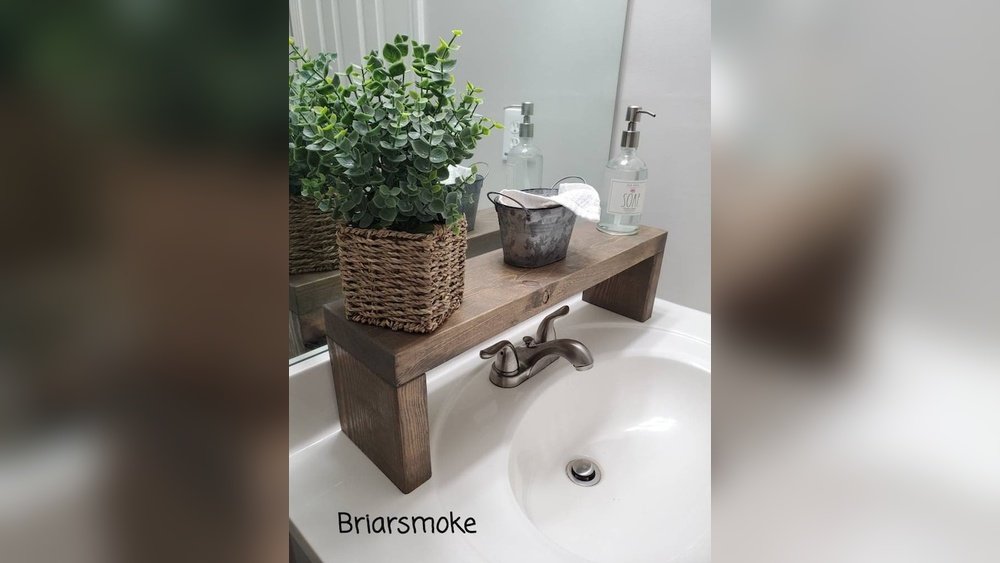
If you have ever felt frustrated by a messy bathroom countertop, you are not alone. The space above the sink is often wasted, while toothbrushes, skincare bottles, and small items spread everywhere. An over bathroom sink organizer is a smart way to turn this unused area into efficient, attractive storage. With the right organizer, you can clear clutter, save time in your morning routine, and even add style to your bathroom. But not all organizers are the same, and choosing the right one can make a big difference.
This article explores everything you need to know about over bathroom sink organizers. You will learn why they are useful, what options exist, how to choose the best one, and how to use them effectively. Whether you have a small apartment bathroom or a busy family space, you will find practical ideas and helpful comparisons here.
Why Over Bathroom Sink Organizers Matter
Many people overlook the vertical space above the sink. Yet, this area is perfect for keeping items within easy reach. A good organizer does more than store things—it can:
- Increase usable space in a small bathroom
- Make daily routines faster and easier
- Reduce clutter for a cleaner look
- Keep items organized and easy to find
According to a 2023 survey by the National Association of Home Builders, over 60% of homeowners say that bathroom storage is a top concern. An over-sink organizer is one of the most effective ways to solve this problem without major renovations or expensive cabinetry.
A common mistake is buying storage that only fits under the sink or behind the mirror. These options often require bending or digging through drawers. Over-sink organizers, on the other hand, keep everything visible and accessible.
Types Of Over Bathroom Sink Organizers
There is no one-size-fits-all solution. Over sink organizers come in many styles, materials, and sizes. Here are the main types you will see:
1. Shelf Units
Shelf organizers sit above the sink and often have two or three levels. They are perfect for bottles, cups, and other daily items. Some units are adjustable in width to fit different sink sizes.
2. Hanging Racks
Hanging racks attach to the wall or mirror above the sink. They hold items like toothbrushes, razors, or washcloths. Some have hooks, baskets, or small shelves.
3. Corner Organizers
If your sink is in a corner, a corner organizer uses this tricky space. These units often have triangular shelves or a curved design.
4. Over-the-faucet Organizers
These are unique racks that sit directly on the faucet or behind it. They hold sponges, soap, or small bottles in a raised position.
5. Cabinet-top Organizers
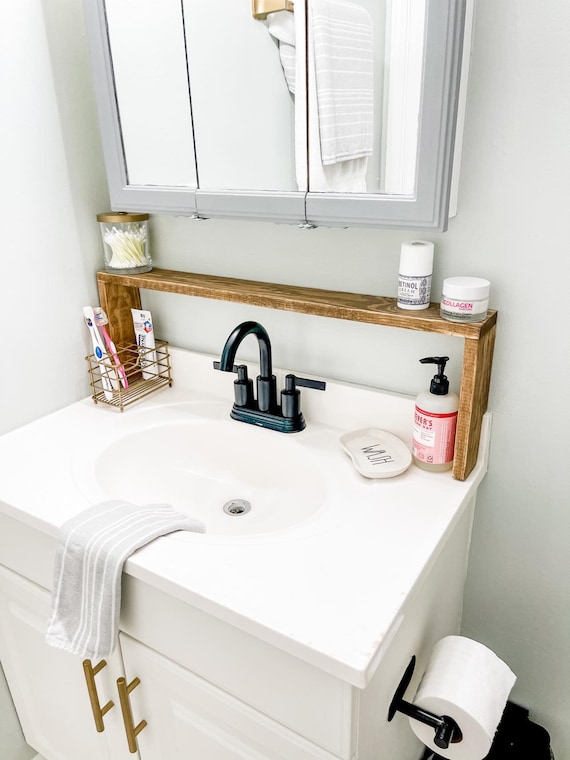
If you have a vanity cabinet, some organizers are designed to sit on top, with shelves rising above the sink area. They maximize space without attaching to the wall.
6. Mirror-mounted Organizers
Some units attach directly to the mirror with suction cups or adhesive. This keeps items off the counter and does not require drilling.
7. Modular Systems
Modular organizers let you arrange shelves, hooks, and bins to fit your unique needs. You can add or remove parts as your storage needs change.
Each type has strengths and weaknesses, depending on your sink’s shape, the items you use daily, and your bathroom’s style.
How To Choose The Best Over Sink Organizer
Picking the right organizer can feel overwhelming. Here are the most important things to consider:
Size And Fit
Measure your sink width and height to the mirror or wall. Organizers that are too large can block faucets or outlets. Too small, and they will not hold enough items.
Pro tip: Leave at least 10 cm (about 4 inches) between the organizer and the faucet for easy cleaning.
Material
Common materials include:
- Stainless steel (rust-resistant, durable, modern look)
- Plastic (lightweight, affordable, easy to clean)
- Bamboo or wood (natural look, eco-friendly, less water-resistant)
- Aluminum (lightweight, often rust-resistant)
If your bathroom is very humid, avoid organizers with exposed iron or low-quality metal, as they may rust.
Storage Needs
List the items you use every day—toothbrushes, toothpaste, face wash, moisturizer, hairbrush, etc. Choose an organizer with the right number and type of shelves or hooks.
Installation
Some organizers require drilling, others use suction cups or adhesive. If you rent your home, choose a non-permanent option.
Style
You want the organizer to match your bathroom’s look. There are minimalist shelves, vintage-style racks, or sleek modern units. Color and finish can change the whole feel.
Price
Good organizers can start as low as $10 for simple racks, and go up to $70 or more for multi-level, adjustable units.
Non-obvious insight: Many buyers forget to check the weight capacity. If you plan to store glass bottles or heavy jars, make sure the organizer can handle the load.
Top Features To Look For
When comparing organizers, pay attention to these practical features:
- Adjustable shelves – lets you fit tall bottles or rearrange space
- Drain holes – prevent water from collecting
- Non-slip feet – keep the unit steady on wet surfaces
- Removable baskets – easy to clean or carry
- Hooks or holders – for razors, towels, or jewelry
- Easy assembly – no complicated instructions or special tools
- Rust protection – especially important in humid bathrooms
Another insight: Some organizers include built-in cup holders or soap trays. This can save even more space, but always check that these features are actually useful for your items.
Real-world Examples: Comparing Popular Organizers
Let’s compare three popular types with actual features, sizes, and typical prices.
| Type | Material | Size (cm) | Special Features | Average Price (USD) |
|---|---|---|---|---|
| Adjustable Shelf Unit | Stainless Steel | 40 x 15 x 40 | 2-3 shelves, adjustable width | $35-45 |
| Mirror-Mounted Rack | Plastic | 30 x 12 x 10 | Suction cups, toothbrush holder | $12-18 |
| Corner Organizer | Bamboo | 25 x 25 x 35 | 2-tier, eco-friendly | $28-36 |
As you can see, the best choice depends on your space, budget, and needs.
Installation: Getting It Right The First Time
Proper installation is key to a safe and lasting organizer. Here are steps and tips that apply to most types:
- Clean the surface where the organizer will sit or attach. Remove dust, soap, and water spots.
- Measure carefully before drilling or sticking anything. Use a pencil to mark spots.
- Follow the instructions for your specific model. Do not guess—improper installation can damage walls or the organizer.
- For adhesive or suction cup types, apply firm pressure for 30-60 seconds. Wait at least 2 hours before adding weight.
- For shelf units that sit on the counter, check that feet are level and do not wobble.
Common mistake: Overloading a new organizer right away. Test with a few items first, then add more over time.
Organizing Tips: Making The Most Of Your Space
An organizer only helps if you use it well. Here are some strategies:
- Group similar items together (all dental items on one shelf, skincare on another)
- Store tallest bottles at the back, smaller items in front
- Use hooks for jewelry or hair ties to avoid tangles
- Rotate items seasonally (for example, sunscreen in summer, heavier creams in winter)
- Declutter often—throw away empty bottles or old products monthly
Pro tip: Place a microfiber cloth or small tray under the organizer. This catches drips and makes cleaning easier.
Maintenance And Cleaning
To keep your organizer looking good:
- Wipe shelves and baskets weekly with a damp cloth
- For stainless steel, use a small amount of vinegar to remove water spots
- For plastic, mild soap and water are usually enough
- Check for rust or mold, especially in corners or under trays
- Remove and clean hooks or removable baskets every few weeks
If you see sticky residue from toothpaste or soap, clean it right away. Over time, buildup can stain or damage the organizer.

Credit: www.amazon.com
Common Mistakes To Avoid
Many people are excited to buy an organizer, but run into problems later. Here are mistakes to watch out for:
- Ignoring measurements – The most common error is buying a unit that does not fit your sink area.
- Choosing style over function – It is tempting to pick the prettiest shelf, but if it does not hold what you need, it will not help.
- Forgetting about cleaning – Complex designs can be hard to wipe down. Simpler is often better.
- Overloading – Too many heavy items can break the unit or make it tip over.
- Blocking outlets or switches – Always check for light switches, plugs, or medicine cabinet doors before installing.
Non-obvious insight: Some organizers, especially those with suction cups, may lose grip in very humid bathrooms. Consider a backup support or a different attachment method if this is a concern.
When To Upgrade Or Replace Your Organizer
Even the best organizer will not last forever. Here are signs it is time for a new one:
- Rust or mold that does not clean off
- Broken hooks or shelves
- Outgrown storage—if you have added new products or family members
- Loose or unsafe—if it wobbles or falls, it is time for a change
Tip: When replacing, think about what worked and what did not. Maybe you need more hooks, or a different material. Upgrading every few years keeps your bathroom fresh and functional.
Credit: aurabio.com
Advanced Storage Ideas
Looking for even more space? Try these creative solutions:
- Magnetic strips for tweezers or nail clippers (attach to the side of your organizer)
- Small baskets or bins that hang from the organizer’s lower shelf
- Stackable trays for makeup or jewelry
- Clear jars for cotton pads or swabs—easy to see when you need to refill
You can also coordinate your organizer with matching soap dispensers, towels, or toothbrush holders for a complete look.
Over Bathroom Sink Organizer: Pros And Cons
Here is a side-by-side look at the main advantages and disadvantages.
| Pros | Cons |
|---|---|
| Maximizes vertical space | May not fit all sinks |
| Keeps essentials within reach | Can look cluttered if overfilled |
| Easy to install and remove (most types) | Some require drilling or hardware |
| Helps with organization | May collect water or soap residue |
Knowing both sides helps you make the right choice for your needs.

Credit: www.amazon.com
Eco-friendly And Health Considerations
If you are concerned about the environment, look for organizers made from bamboo or recycled materials. These are renewable and often treated to resist mold. Avoid organizers with strong chemical smells or cheap plastic, as these may off-gas or break down quickly.
From a health perspective, keeping your sink area organized and dry can reduce bacteria growth and allergens. This is especially important for families with children or sensitive skin.
Where To Buy And What To Expect
Over bathroom sink organizers are widely available. You can find them at:
- Home improvement stores
- Major online retailers like Amazon, Wayfair, or Walmart
- Specialty bathroom shops
Prices range from $10 to $70, depending on size, material, and features. Most units come flat-packed and require basic assembly.
When shopping online, always check the return policy and read reviews about stability and durability. Look for real customer photos when possible.
If you want to see more examples or design ideas, check out Houzz’s Bathroom Storage Ideas.
Frequently Asked Questions
What Is The Best Material For An Over Bathroom Sink Organizer?
Stainless steel is usually the best choice because it is rust-resistant and durable. Plastic is lighter and cheaper but may not last as long in humid bathrooms. Bamboo is eco-friendly and stylish, but be sure it is treated for water resistance.
Can I Use An Over Sink Organizer In A Rental Bathroom?
Yes! Many organizers use suction cups or adhesive, so you do not need to drill holes. Look for non-permanent options and check with your landlord if you are unsure.
How Do I Keep My Organizer Clean And Mold-free?
Wipe it down weekly with a damp cloth. For stainless steel, a little vinegar helps remove spots. Make sure your bathroom is well-ventilated, and remove any standing water. Clean removable trays or baskets separately every few weeks.
Will An Organizer Fit My Small Bathroom?
There are compact organizers designed for small sinks and tight spaces. Measure your area before buying, and consider a mirror-mounted or corner unit to save space.
What Should I Avoid Storing Above The Sink?
Avoid storing heavy glass bottles or items you do not use often. Also, keep electronics, medicine, or anything that could be damaged by water in a safer, drier place.
Choosing the right over bathroom sink organizer can make your mornings smoother and your bathroom more welcoming. Take your time, measure carefully, and pick a style that fits your routine. The right organizer is a small investment that pays off every day.