The camper shipping kitchen industry is changing rapidly. Just a few years ago, most camper kitchens were basic—think tiny sinks, simple stoves, and almost no storage. Today, new trends are transforming how these mobile kitchens are designed, built, and shipped.
Whether you own a camper, plan to buy one, or work in the industry, it’s important to understand what’s shaping the future of these compact yet crucial spaces.
This article explores the most important trends driving the camper shipping kitchen industry. We’ll look at design changes, new technologies, sustainability practices, customer demands, and more. By the end, you’ll have a clear view of what’s hot—and what’s coming next—in the world of camper kitchens.
Smart Space-saving Designs
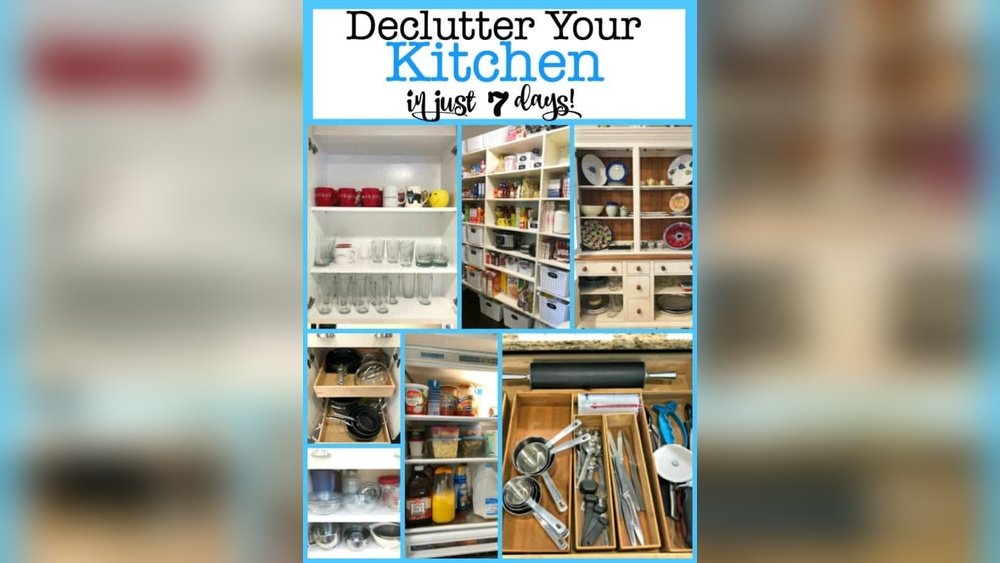
Camper kitchens need to fit into small spaces. This has pushed manufacturers to get creative with multi-use furniture and clever layouts. Pull-out counters, foldable tables, and hidden storage are now standard in many models. Some new camper kitchens feature sliding shelves that reveal appliances only when needed. This lets users maximize cooking space without making the kitchen feel crowded.
Another popular design is the “galley style” arrangement. Here, everything lines up along one wall, making movement easier. For families or groups, L-shaped layouts provide more workspace without taking up extra room. These designs help travelers cook comfortably without sacrificing precious living space.
Lightweight And Durable Materials
Weight is a big concern in shipping and mobile kitchens. Lighter campers are easier to tow and use less fuel, which saves money and reduces emissions. That’s why manufacturers now prefer aluminum, composite panels, and high-grade plastics for countertops and cabinets. These materials are not only light but also resist scratches, water, and heat.
For example, honeycomb panels are becoming popular. They are strong but very light, making them perfect for overhead cabinets or under-sink storage. Plus, they can be recycled, which supports sustainability goals.
Off-grid And Solar Solutions
More travelers want to camp off the beaten path. This means camper kitchens must work without regular electrical hookups. The industry is responding by adding solar panels, battery banks, and energy-efficient appliances.
Modern camper kitchens often include:
- Induction cooktops that use less power
- 12V refrigerators that run on solar or battery power
- LED lighting for lower energy use
Some models even have water-saving faucets and greywater recycling systems. These off-grid features let users enjoy remote camping without giving up hot meals or fresh coffee.
Tech Integration And Smart Controls
Technology is entering every part of the camper experience, including the kitchen. Today’s camper kitchens can come with touchscreen controls, Bluetooth monitoring, and app-based systems.
These smart systems allow users to:
- Adjust fridge temperatures from a phone
- Monitor water and propane levels remotely
- Set cooking timers or control lights with voice commands
Some luxury campers even offer Wi-Fi-enabled ovens or coffee machines. While not essential, these features add convenience and can help attract tech-savvy buyers.
Customization And Modular Components
Not everyone cooks the same way—or wants the same kitchen. That’s why modular and customizable kitchens are a growing trend. Buyers can now choose custom layouts, appliance packages, and finishes.
For example, one camper might have a full oven, while another uses that space for extra storage or a larger fridge. Some companies sell modular “kitchen pods” that slide in or out of the camper. This lets users reconfigure the kitchen for each trip, depending on their needs.
Customization also means better accessibility for people with disabilities or special requirements. Lower counters, easy-grip handles, and adjustable lighting are becoming more common.
Eco-friendly And Sustainable Choices
Sustainability is more than a buzzword in the camper kitchen industry. Companies now focus on recycled materials, non-toxic finishes, and energy-saving appliances. Solar-powered water heaters and composting toilets are also appearing in some models.
Some manufacturers are switching to FSC-certified wood or bamboo for cabinetry. These materials grow quickly and are harvested responsibly. Even small touches, like using LED bulbs or water-saving faucets, help reduce the environmental impact.
A recent study shows that nearly 60% of new camper buyers want eco-friendly features in their kitchens. As demand rises, expect even more green innovations.
Compact High-performance Appliances
Appliances in camper kitchens have come a long way. Old, bulky stoves and fridges are being replaced by compact, high-efficiency models. For example, a new trend is the two-burner induction cooktop that cooks faster and uses less energy.
The latest fridges are compressor-based instead of absorption-based. This means they cool better, use less power, and work on uneven terrain. Some microwaves double as convection ovens, saving space and adding cooking options.
Manufacturers are also focusing on easy cleaning. Removable shelves, non-stick surfaces, and seamless sink designs make post-meal cleanup much simpler.
Outdoor Kitchen Extensions
Many campers now come with outdoor kitchen modules. These slide out from the side or rear of the camper and provide extra space for cooking and entertaining. Features often include portable grills, mini-fridges, and even sinks with running water.
Outdoor kitchens are especially popular in larger campers and “toy haulers. ” They let families cook without heating up the inside of the camper. Some models even add fold-out tables or awnings for shade.
If you love socializing or grilling, this trend adds a lot of value to your camper experience.

Credit: www.windishrv.com
Minimalist And Scandinavian Influences
Clean lines, neutral colors, and simple layouts—minimalist design is making its mark. Inspired by Scandinavian aesthetics, these kitchens use white or light wood finishes, hidden handles, and clutter-free surfaces.
This trend is not just about style. Minimalist design makes small spaces feel bigger and more relaxing. It also encourages owners to keep only what they really need, which is perfect for life on the road.
Some companies are offering “package” options that let buyers choose a minimalist look for their camper kitchen, right down to the types of dishes and utensils included.
Increased Focus On Hygiene
The pandemic changed many things, including how people think about cleanliness. New camper kitchens often feature touchless faucets, antimicrobial surfaces, and easy-to-clean finishes.
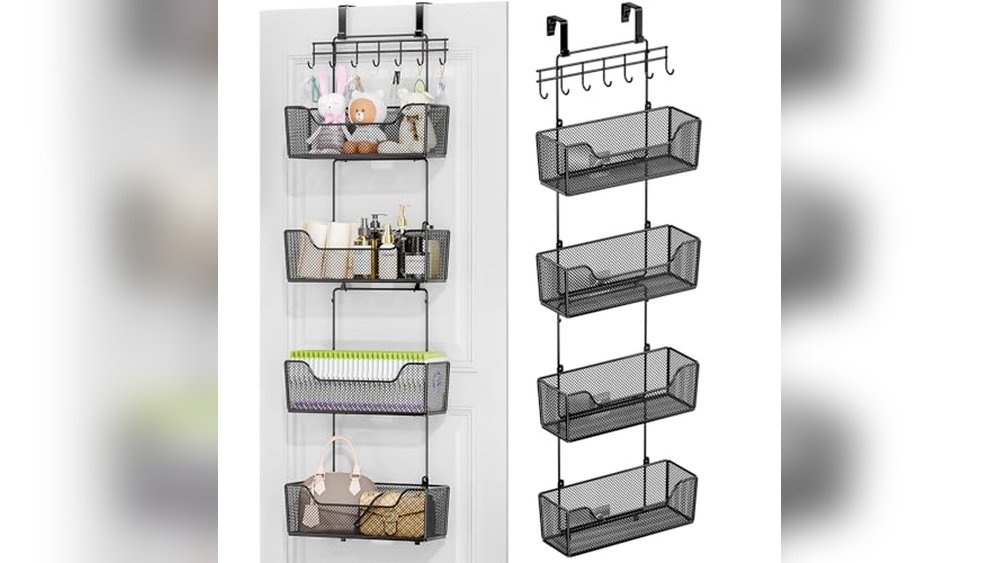
For example, some countertops are treated with antimicrobial coatings that kill germs on contact. Pull-out trash cans and hidden recycling bins help keep the space tidy. Even the layout is designed for easy cleaning, with fewer corners and crevices.
These features are important for families or anyone concerned about health while traveling.

Credit: www.amazon.com
Flexible Power Options
Not all campsites offer full hookups. That’s why flexible power systems are now standard. Camper kitchens can run on multiple power sources—shore power, batteries, propane, or solar.
Some appliances can switch from AC to DC power as needed. Others run on propane when electricity is limited. This flexibility ensures the kitchen works in almost any location, from remote mountains to busy campgrounds.
A common mistake is to ignore your power needs when buying a camper kitchen. Always check how appliances are powered and whether they match your typical travel plans.
Compact Dishwashing Solutions
Space for dishwashing is tight in most campers. The industry is solving this with collapsible sinks, pull-out faucets, and portable dishwashers. Some campers now have single-bowl sinks that can be covered to become extra counter space.
A few high-end models offer mini dishwashers that use very little water—sometimes less than two gallons per cycle. For off-grid users, foot-pump sinks and quick-draining basins help save water.
When shopping, check how easy it is to wash up. A smart dishwashing setup can make camp cooking much more enjoyable.
Improved Ventilation And Air Quality
Cooking in a small space can cause smoke, odors, and humidity. That’s why better ventilation systems are now a must. Modern camper kitchens use powered roof vents, quiet range hoods, and built-in fans.
Some systems include carbon filters to remove smells and improve air quality. Others are designed to run silently, so they don’t disturb your sleep. Good ventilation also helps prevent mold and keeps food fresh longer.
If you plan to cook often, pay extra attention to the kitchen’s ventilation when choosing a camper.
Built-in Water Filtration
Safe, clean water isn’t always available on the road. Camper kitchens are now adding built-in water filtration systems. These can remove bacteria, chemicals, and bad tastes from tap or tank water.
Some systems use carbon block filters, while others offer UV sterilization. High-end campers might have separate drinking water taps with advanced filters.
Regular filter replacement is important. Many new systems include indicators that tell you when it’s time for a change. This feature is often overlooked by beginners but can make a big difference in taste and safety.
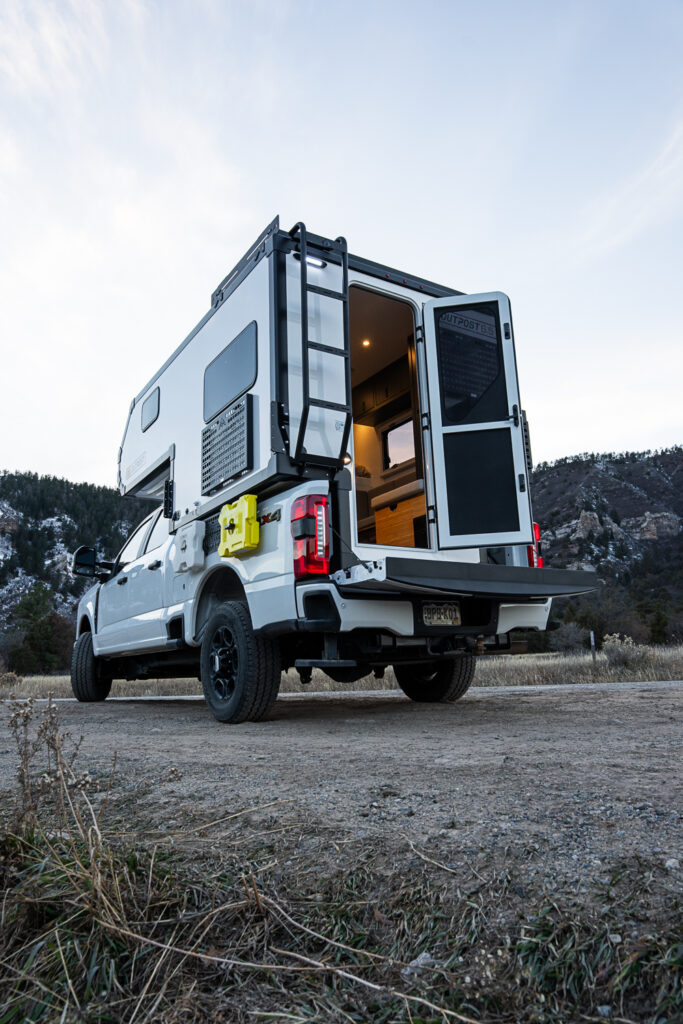
Credit: outpost-campers.com
Easy Installation And Shipping
With the rise of online shopping, more people are ordering camper kitchen modules direct from the manufacturer. This has led to a focus on easy installation and secure shipping.
Manufacturers now design kitchens in pre-assembled sections that can be quickly installed with basic tools. Shipping materials are reusable or recyclable, reducing waste. Some companies offer detailed video guides to help with DIY installation.
If you’re buying a kitchen module online, check shipping policies, return options, and what tools you’ll need for setup.
Data Table: Appliance Trends Comparison
To see how camper kitchen appliances have evolved, look at the comparison below.
| Feature | Traditional Appliances | Modern Appliances |
|---|---|---|
| Stove Type | Propane Burner | Induction/Hybrid |
| Refrigerator | Absorption | Compressor |
| Microwave/Oven | Basic Microwave | Convection Combo |
| Power Source | 120V/Propane Only | Solar/Battery/Propane |
Data Table: Material Choices Overview
Let’s compare some of the most popular materials used in camper shipping kitchens.
| Material | Weight | Durability | Sustainability |
|---|---|---|---|
| Aluminum | Light | High | Recyclable |
| Composite Panel | Very Light | Medium-High | Varies |
| Bamboo | Medium | Medium | Highly Sustainable |
| Plastic Laminate | Light | Medium | Depends on Type |
Data Table: Key Camper Kitchen Trends
Below is a snapshot of the most important trends and their main benefits.
| Trend | Main Benefit | Typical User |
|---|---|---|
| Off-Grid Power | Independence | Remote Campers |
| Smart Controls | Convenience | Tech Enthusiasts |
| Eco Materials | Lower Impact | Eco-Conscious Buyers |
| Outdoor Kitchens | More Space | Families, Groups |
Non-obvious Insights For Beginners
First, don’t underestimate the value of good ventilation. Many new owners focus on appliances and storage but forget that cooking smells and moisture can build up fast in a small space. Poor ventilation can lead to mold and discomfort. Always check for strong, quiet fans.
Second, remember that modular kitchens offer more than style—they can save you money. If you upgrade your camper or want to change your setup, you can move or reuse modules instead of buying a whole new kitchen.
Where The Industry Is Headed
The camper shipping kitchen industry is moving fast toward smarter, greener, and more flexible solutions. Customization, lightweight materials, and tech integration lead the way. Manufacturers are listening to what buyers want: kitchens that work anywhere, are easy to clean, and feel like home—even in the middle of nowhere.
If you’re buying or upgrading a camper, pay attention to these trends. They can make your travels more comfortable, enjoyable, and eco-friendly. For more on the future of camper design, check out this RV industry resource.
Frequently Asked Questions
What Is The Most Important Trend In Camper Shipping Kitchens Today?
The biggest trend is the move to lightweight, modular, and energy-efficient designs. These allow for more flexibility, easier towing, and better off-grid performance.
Are Solar-powered Kitchen Appliances Reliable For Campers?
Yes, solar-powered appliances like 12V fridges and induction cooktops are now reliable for most camping needs, as long as you have enough battery capacity and sunlight.
How Do I Keep My Camper Kitchen Clean And Hygienic?
Look for features like antimicrobial surfaces, touchless faucets, and easy-to-clean layouts. Regular cleaning and proper ventilation also help maintain hygiene.
What Materials Should I Look For In A Durable Camper Kitchen?
Choose materials such as aluminum, composite panels, or bamboo. These offer durability, lighter weight, and are often more eco-friendly than traditional wood or laminate.
Can I Install A New Kitchen Module In My Older Camper?
In most cases, yes. Many modular kitchen units are designed for easy installation, but always check the measurements and power requirements to ensure compatibility with your camper.