When it comes to your kitchen, the range hood isn’t just a stylish addition—it plays a crucial role in keeping your cooking space clean and fresh. But did you know that the height at which you install your kitchen range hood can make all the difference?
Too low, and it might get in your way or become a safety hazard. Too high, and it won’t effectively capture smoke, steam, and odors. You want to find that perfect spot where your hood works efficiently without disrupting your cooking flow.
You’ll discover exactly how to determine the right kitchen range hood height for your stove. Keep reading to learn the simple steps that will help you breathe easier and cook with confidence every day.
Ideal Range Hood Height
Choosing the ideal height for your kitchen range hood affects cooking comfort and efficiency. The right height ensures smoke, odors, and grease get captured effectively. It also keeps your kitchen safe and your cooking space clear. Several factors influence the best placement height, including cooktop type and hood design. Follow these simple guidelines to find the perfect height for your range hood.
Standard Height Recommendations
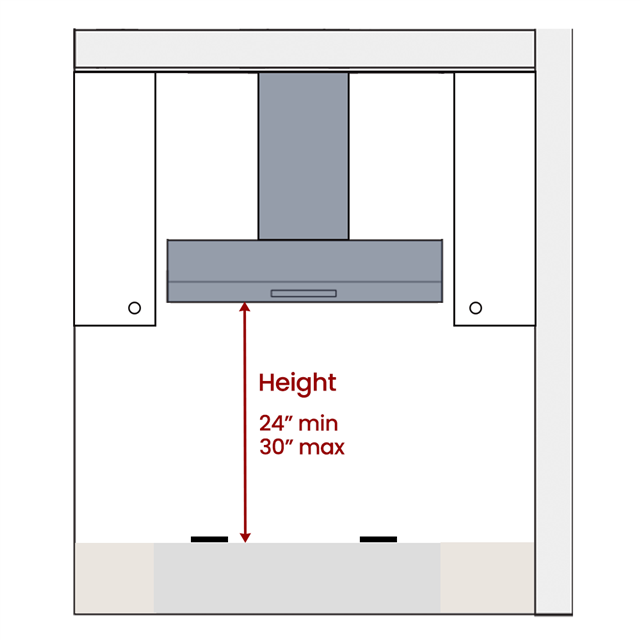
Most range hoods install between 24 and 30 inches above the cooktop. This range balances good ventilation with safe clearance from heat. For electric and glass cooktops, aim for about 24 to 28 inches. Gas cooktops usually need a higher hood, around 28 to 30 inches. This prevents heat damage and ensures proper air capture.
Adjusting For Cooktop Type
Gas cooktops produce more heat and flames, so the hood should be higher. Keep at least 28 inches above gas burners to avoid damage. Electric and induction cooktops generate less heat, allowing a lower hood height. Adjust the height slightly depending on the cooktop size and how you cook. Taller pots or frequent frying may need a bit more clearance.
Manufacturer Guidelines
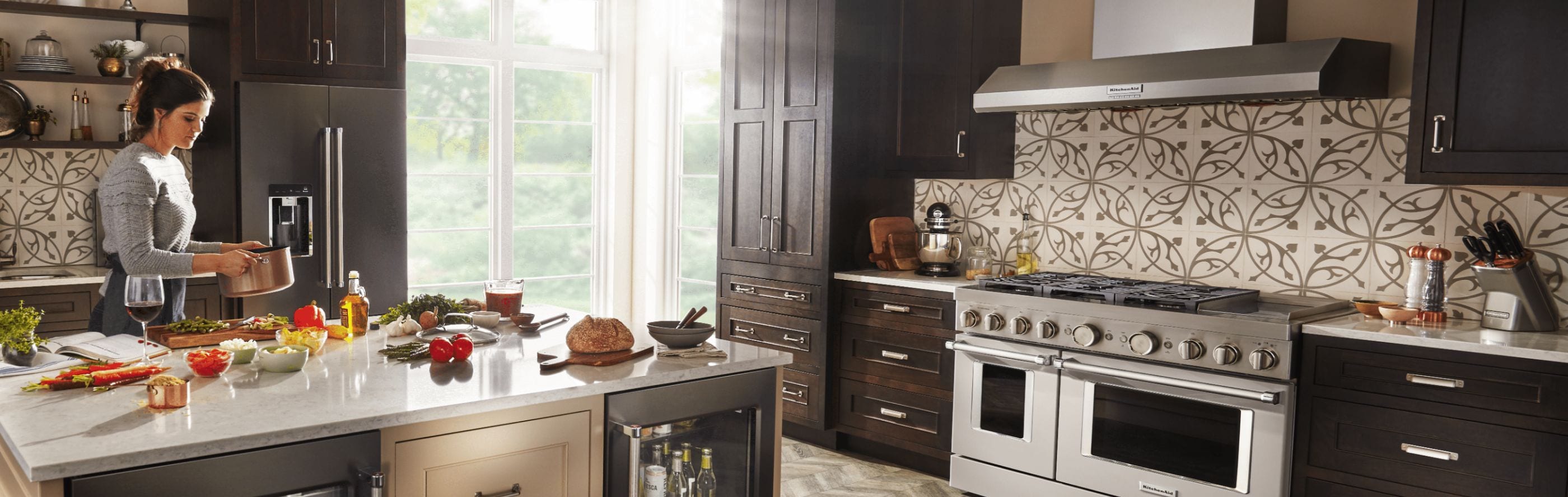
Always check the range hood’s installation manual for height recommendations. Manufacturers design hoods with specific ventilation power and clearances in mind. Following their instructions ensures safety and optimal performance. Some models require a minimum or maximum height for warranty coverage. Confirm these details before installation for the best results.
Credit: www.kitchenaid.com
Safety Considerations
Safety is a key factor when installing a kitchen range hood. Proper height protects your home and family. It also helps the hood work well over time. Poor placement can cause accidents or damage. Understanding safety rules ensures a safer cooking space.
Heat And Grease Clearance
The range hood must be high enough to avoid heat damage. Hot air and grease rise from the stove. If the hood is too close, it can warp or catch fire. Proper clearance stops grease buildup on the hood. This keeps your kitchen cleaner and safer.
Building Code Requirements
Local building codes set rules for range hood height. These rules protect your home from fire risks. Codes also ensure good air flow and ventilation. Always check your area’s requirements before installation. Following codes avoids fines and keeps your kitchen safe.
Avoiding Head Injuries
The hood should not be too low above the cooktop. Low hoods can cause painful bumps and cuts. This is especially true in busy kitchens or small spaces. Installing the hood at the right height prevents accidents. It also makes cooking more comfortable for everyone.
Ventilation Efficiency
Ventilation efficiency plays a key role in keeping your kitchen air clean. A well-placed range hood removes smoke, steam, and odors quickly. Proper hood height ensures the best airflow and suction power. This section explains how hood height affects ventilation and kitchen comfort.
Optimal Airflow Distance
The distance between the cooktop and the range hood matters a lot. Too low, and the hood blocks your view and workspace. Too high, and it loses its ability to capture smoke effectively. The ideal height allows the hood to catch rising fumes before they spread.
Most experts recommend 24 to 30 inches above the cooking surface. This range balances good airflow with user comfort. It helps the hood pull air smoothly without noise or loss of power.
Impact Of Hood Height On Performance
Range hoods perform best at the correct height. If installed too high, suction weakens, letting smoke escape. The hood must work harder, causing more noise and energy use. If too low, heat and grease can damage the hood components.
Correct height protects the hood and improves its lifespan. It also ensures the fan runs quietly and efficiently. Performance drops sharply outside the recommended installation range.
Dealing With Smoke And Odors
Proper hood height controls kitchen smoke and odors effectively. It traps smoke near the source, preventing it from spreading. This keeps the kitchen air fresh and clean during cooking.
Good ventilation reduces stains on walls and ceilings. It also lowers the risk of smoke alarms going off unnecessarily. Proper height helps maintain a healthy, pleasant kitchen environment.
Credit: www.2pacific.com
Practical Installation Tips
Proper installation of your kitchen range hood ensures it works efficiently and looks great. Understanding practical tips helps achieve the right height and placement. This section covers essential advice on measuring, mounting, and adjusting to your kitchen layout. Avoiding common mistakes also improves safety and performance.
Measuring And Mounting Techniques
Start by measuring the distance between the cooktop and the bottom of the hood. Most manufacturers recommend a height between 24 and 30 inches. Use a level tool to ensure the hood mounts straight on the wall. Secure the mounting bracket firmly to support the hood’s weight. Mark the drill points carefully before making holes. Double-check measurements to avoid mistakes. Follow the hood’s installation manual for specific instructions.
Adjusting For Kitchen Layout
Consider your kitchen’s shape and size when installing the hood. If you have a large stove, place the hood slightly higher to cover the entire cooking area. For smaller kitchens, avoid mounting the hood too low to keep the space open. Position the hood near ventilation ducts for better airflow. Make sure the hood does not block cabinets or lights. Adapt the height to your cooking habits for comfort and safety.
Common Installation Mistakes
One common error is mounting the hood too low, which risks hitting your head or damaging pots. Another mistake is installing it too high, reducing its ability to capture smoke and odors. Forgetting to secure the hood tightly can cause it to fall or rattle. Ignoring manufacturer guidelines leads to poor performance and voided warranties. Avoid placing the hood far from the stove, as it loses effectiveness. Proper planning prevents these issues.
Hood Types And Height
Choosing the right kitchen range hood height depends on the type of hood you select. Different hood styles require different mounting heights for the best performance. Proper height ensures effective smoke and odor removal and keeps your kitchen safe and comfortable.
Understanding hood types helps decide the correct height above your stove. Below are key hood designs and their height guidelines to consider.
Wall-mounted Vs. Island Hoods
Wall-mounted hoods attach to a wall behind the stove. They usually hang between 24 and 30 inches above the cooking surface. This height works well for venting smoke and steam directly out.
Island hoods hang from the ceiling above a cooktop in the center of the kitchen. They often require a height of 30 to 36 inches. This extra distance keeps the hood clear of head space while still capturing cooking fumes.
Angled And Low-profile Designs
Angled hoods tilt forward, offering better head clearance. These can be mounted slightly lower than flat designs, around 24 to 28 inches above the stove. They add style and function.
Low-profile hoods fit in smaller spaces or under cabinets. Their height is closer to 18 to 24 inches. This compact design suits kitchens with limited space but still needs careful height placement for safety.
Custom Hood Considerations
Custom hoods vary in size and shape. Their height depends on the design and kitchen layout. Always follow manufacturer guidelines or consult a professional installer.
Custom hoods should maintain enough clearance to avoid heat damage and allow easy cooking. Proper height ensures strong ventilation and a clean kitchen environment.

Credit: www.sindacopper.com
User Comfort And Ergonomics
User comfort and ergonomics play a key role in choosing the right kitchen range hood height. The range hood should fit well in the cooking space. It must allow easy movement and avoid strain or accidents. Proper height reduces discomfort while cooking and keeps the kitchen safe. The design should suit the user’s height and cooking style. This makes daily kitchen tasks smoother and more enjoyable.
Head Clearance For Different Heights
People have different heights. The range hood must leave enough space above the head. This prevents bumping or ducking while cooking. A good rule is to install the hood 24 to 30 inches above the stove. This range works well for most adults. Taller users may need more clearance. Shorter users benefit from a slightly lower hood. Adjusting for height keeps the kitchen comfortable for everyone.
Working With Large Pots And Pans
Cooking with big pots or pans requires extra space. The hood should not block the view or movement. It must be high enough to fit large cookware easily. A hood too low can make cooking awkward. It may cause spills or burns. A higher hood lets you cook safely and freely. It also improves air capture and smoke removal.
Balancing Comfort With Safety
Comfort and safety must work together in hood placement. Too low puts your head at risk and traps heat. Too high reduces the hood’s ability to remove smoke and odors. Follow manufacturer guidelines for minimum and maximum heights. Keep the hood stable and secure to avoid accidents. A good balance protects users and improves kitchen air quality.
Maintaining Your Range Hood
Maintaining your kitchen range hood ensures it works well and lasts longer. Regular care keeps the air clean and your kitchen fresh. A well-kept range hood also prevents fire hazards and costly repairs.
Cleaning Frequency And Methods
Clean your range hood every one to three months. Grease and dust buildup reduce its efficiency. Use warm soapy water or a degreaser for metal surfaces. Avoid harsh chemicals that can damage the finish. Filters need special care. Wash metal filters in the sink or dishwasher. Replace charcoal filters as per the manufacturer’s instructions.
Preventing Grease Buildup
Grease buildup blocks airflow and causes odors. Turn on the range hood before cooking to capture grease early. Wipe the hood’s surface after each use with a damp cloth. Use a degreaser for stubborn grease spots. Avoid cooking with open flames near the hood to reduce smoke and grease. Regular cleaning stops grease from hardening and becoming tough to remove.
Troubleshooting Ventilation Issues
Check if the fan is running smoothly and quietly. Strange noises may mean the motor needs repair or replacement. Inspect the vents for blockages like dust or debris. Blocked vents reduce airflow and cause poor ventilation. Make sure ductwork is properly connected and sealed. If smoke or odors linger, your hood may need professional servicing. Fixing ventilation problems early protects your kitchen air quality.
Frequently Asked Questions
What Is The Standard Height Of A Kitchen Hood?
The standard kitchen hood height is 24 to 30 inches above the cooktop. Follow manufacturer guidelines and local codes for best results.
What Is The Best Height For A Range Hood?
The best range hood height is typically 24 to 30 inches above the stove. Follow manufacturer guidelines and local codes for safety and efficiency. Ensure it’s high enough to avoid head bumps but low enough to capture smoke and odors effectively.
Is 36 Inches Too High For A Range Hood?
A 36-inch range hood height is generally acceptable for most kitchens. Always follow your hood’s manual and local codes for best results. Ensure the hood clears tall cookware and captures smoke efficiently. Proper height balances safety, comfort, and ventilation performance.
What Is The Code For Hood Height Above Range?
The code for hood height above the range varies locally but typically requires 24 to 30 inches. Always follow manufacturer instructions and local building codes for safety and performance.
Conclusion
Choosing the right kitchen range hood height improves cooking comfort. It helps remove smoke and odors efficiently. Keep the hood at a safe distance from your stove. This prevents heat damage and makes cleaning easier. Follow manufacturer guidelines for the best results.
A well-placed range hood protects your kitchen and keeps air fresh. Remember, simple adjustments can make a big difference. Your cooking space will feel cleaner and more comfortable. Proper hood height is a small step with great benefits.