You might be wondering if air purifiers are truly a perfect solution for cleaner indoor air. After all, they promise to remove dust, allergens, and even harmful particles from your home.
But is there a downside to air purifiers that you should know about before making a purchase? What if something about them could actually affect your health or your wallet? You’ll discover the key benefits and hidden drawbacks of air purifiers.
By the end, you’ll have a clear understanding of whether an air purifier is right for your space—and how to avoid common pitfalls. Keep reading to make an informed choice that keeps your air fresh and your mind at ease.

Credit: alen.com
Potential Health Risks
Air purifiers help clean indoor air, but they may carry some health risks. Understanding these risks helps you use air purifiers safely. Some concerns involve ozone, asthma triggers, and the effects of direct airflow. Each risk varies by the type of purifier and individual health conditions.
Ozone Emission Concerns
Some air purifiers produce ozone as a byproduct. Ozone is a lung irritant and can worsen breathing problems. Older or cheaper ionizer models often emit ozone above safe levels. Breathing ozone can cause coughing, throat irritation, and chest pain. People with lung diseases should avoid ozone-producing purifiers.
Impact On Asthma And Allergies
Air purifiers can reduce allergens, but some models may worsen asthma. Ozone and certain chemicals released can trigger asthma attacks. Also, poorly maintained filters may harbor mold or bacteria. These contaminants can worsen allergy symptoms. Choose purifiers with true HEPA filters and avoid ozone generators for asthma relief.
Direct Airflow Effects
Strong airflow from purifiers may cause discomfort for some people. Continuous blowing air can dry out eyes, skin, and nasal passages. This may lead to irritation or headaches. Place purifiers where airflow is gentle and avoid pointing directly at faces. Adjust fan speed to reduce direct airflow effects.

Credit: alen.com
Financial Considerations
Considering an air purifier means thinking about the costs involved. Financial factors often influence the decision to buy and maintain these devices. Understanding these costs helps you plan better and avoid surprises.
Initial Investment Costs
Air purifiers come with various price tags. Basic models cost less but may have limited features. High-end purifiers offer advanced technology but come with higher prices. Choosing the right model depends on your needs and budget.
Ongoing Filter Replacement Expenses
Filters need regular replacement to keep purifiers effective. Replacement costs vary by brand and filter type. Some filters last a few months, while others can last up to a year. These expenses add up over time and should be planned for.
Energy Consumption Impact
Air purifiers use electricity to run. Energy consumption depends on the model and usage time. Running a purifier continuously can increase your electricity bill. Choosing an energy-efficient model can help reduce these costs.
Effectiveness Factors
Several factors affect how well an air purifier works in your space. Understanding these can help avoid common downsides and maximize air cleaning. Size, rating, and placement all play key roles. Ignoring these can reduce the purifier’s effectiveness and waste energy.
Choosing The Right Size
Select an air purifier that matches your room size. Measure the length and width of the room to find the square footage. A purifier too small for the space will struggle to clean the air properly. Bigger rooms need models designed for larger areas. Oversized purifiers work well but smaller ones do not.
Understanding Cadr Ratings
CADR stands for Clean Air Delivery Rate. It shows how fast the purifier removes smoke, dust, and pollen. Higher CADR numbers mean faster cleaning. Check the purifier’s label for the Smoke CADR as a main benchmark. This rating helps compare different models for your needs. Choose a purifier with a CADR suitable for your room size.
Placement And Airflow
Place the air purifier in an open area, not blocked by furniture. Good airflow around the unit allows it to pull in air efficiently. Avoid corners or tight spaces that limit air movement. Keep doors and windows closed for better results. Proper placement ensures the purifier cleans the whole room evenly.
Noise And Comfort Issues
Noise and comfort are important when using air purifiers in homes. Some users find constant sound distracting. Others notice changes in room ambiance. These factors can affect how often a purifier is used. Understanding noise and comfort issues helps choose the right model for any space.
Operating Noise Levels
Air purifiers create sound as they work. The noise varies by brand and fan speed. Lower speeds usually produce less noise but clean air slower. Some models have noise levels around 30 decibels, similar to a whisper. Higher speeds can reach 50 decibels, like a quiet conversation. Checking noise ratings helps pick a model that fits your comfort needs.
Night Mode Benefits
Many air purifiers include a night mode setting. This lowers fan speed and noise during sleep hours. Night mode helps reduce sound distractions for better rest. Lights on the purifier may also dim or turn off. This feature balances clean air with a peaceful bedroom environment.
White Noise For Sleep
Some people find the hum of an air purifier soothing. The steady sound acts like white noise. It can mask other disruptive noises such as traffic or pets. White noise helps some individuals fall asleep faster and stay asleep longer. Choosing a purifier with adjustable noise can support healthy sleep habits.
Maintenance Requirements
Air purifiers need regular care to work well and last long. Without proper maintenance, their performance drops. Dirt and dust can clog filters and parts. This makes air cleaning less effective. Also, neglect can cause safety risks. Knowing how to maintain your air purifier helps avoid problems and saves money.
Filter Cleaning And Replacement
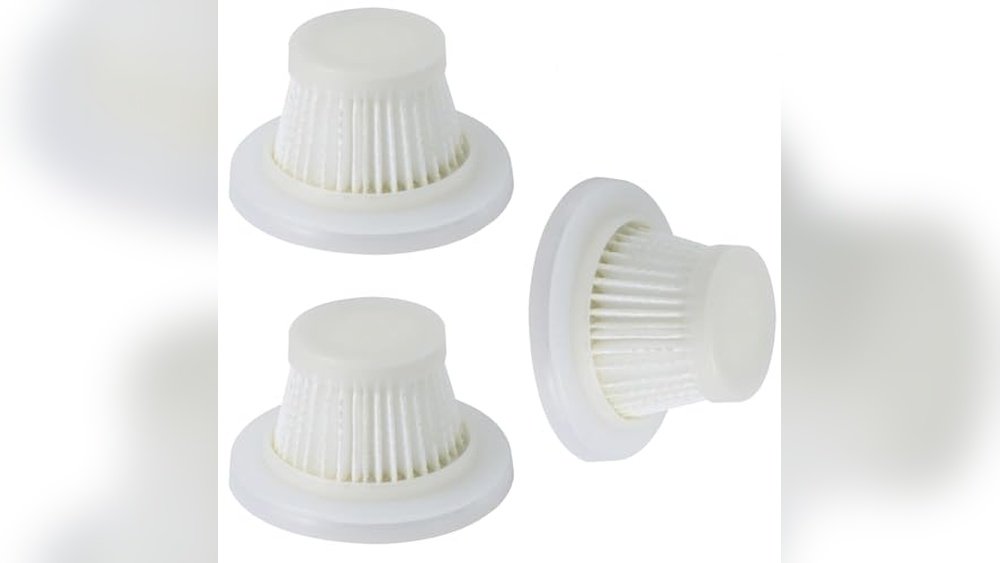
Filters catch dust, pollen, and other particles. They get dirty fast. Cleaning or changing filters keeps the purifier working well. Some filters can be washed, others must be replaced. Check the user manual for instructions. Replace filters as often as the manufacturer suggests. A dirty filter can reduce airflow and strain the device.
Avoiding Safety Hazards
Dust buildup can cause overheating in some models. This risks fire or damage. Keep the purifier clean and dust-free. Avoid blocking air vents. Use the device in dry areas to prevent electrical issues. Follow safety guidelines strictly. Never use damaged filters or parts. Proper maintenance reduces hazards and keeps your home safe.
Tips For Longevity
Place the purifier away from walls and furniture. This helps good airflow. Run it regularly but do not overuse. Clean the outside with a soft cloth. Store it in a dry place when not in use. Keep the power cord in good condition. Small actions extend the life of your air purifier and keep air fresh longer.

Credit: airdogusa.com
Safe Usage Tips
Using air purifiers safely helps you get clean air without risks. Follow simple steps to protect your health and your device. Safe use also improves purifier performance and air quality.
Avoiding Ozone Generators
Some air purifiers produce ozone, which can harm your lungs. Avoid devices labeled as ozone generators or ionizers. Choose purifiers with true HEPA filters instead. These clean air without releasing harmful gases.
Proper Placement In Rooms
Place your air purifier in open areas for better airflow. Keep it away from walls, curtains, and furniture. Avoid placing it near windows or vents where air escapes. This helps the purifier clean air more efficiently.
Running Air Purifiers Overnight
It is safe to run purifiers overnight if they have quiet settings. Use models with low noise levels for better sleep. Make sure filters are clean to maintain air quality. Turn off the purifier if you feel discomfort or irritation.
Frequently Asked Questions
What Are The Negatives Of An Air Purifier?
Air purifiers can be costly to buy and maintain. Some models emit ozone, which may worsen asthma. They also require regular filter changes and can produce noise during operation.
What Is The 2 3 Rule For Air Purifiers?
The 2-3 rule for air purifiers means running the purifier 2 to 3 times the room’s air volume per hour. This ensures efficient air cleaning and better pollutant removal.
What Do Doctors Say About Air Purifiers?
Doctors say air purifiers with HEPA filters help reduce airborne allergens and improve indoor air quality, benefiting allergy sufferers.
Is It Okay To Sleep With An Air Purifier On All Night?
Sleeping with an air purifier on all night is safe and beneficial. It maintains clean air, reduces allergens, and provides soothing white noise. Use night mode for quieter operation. Ensure proper placement and timely filter changes for optimal performance and safety.
Conclusion
Air purifiers offer clear benefits in improving indoor air quality. Some models may produce ozone, which can irritate sensitive lungs. They also require regular filter changes and use electricity. Choosing the right size and type helps avoid problems. Keep in mind the initial cost before buying.
Overall, air purifiers help reduce allergens and dust effectively. Use them wisely for healthier breathing at home.