Feeling the heat creeping in and looking for a quick, effective way to cool down your space? A portable air cooler might just be the perfect solution for you.
But how do you get the most out of this handy device? Whether you’re new to portable air coolers or want to improve how you use yours, understanding the right steps can make all the difference. In this guide, you’ll discover simple, practical tips to set up, operate, and maintain your portable air cooler, helping you stay comfortable without breaking a sweat.
Ready to learn how to turn your hot days into cool, refreshing moments? Let’s dive in!
Credit: www.attaliescazu.com
Choosing The Right Portable Air Cooler
Choosing the right portable air cooler can make your space comfortable and cool. It is important to select a model that fits your needs perfectly. Several factors impact your choice, such as the type, features, size, and cooling capacity.
Types Of Portable Air Coolers
There are mainly three types of portable air coolers. Evaporative coolers use water to cool air by evaporation. They work best in dry climates and save energy. Compressor-based coolers resemble small air conditioners and cool air using a refrigerant. They are effective in humid areas. Hybrid coolers combine both evaporative and compressor technologies for versatile cooling.
Key Features To Look For
Look for features that enhance convenience and performance. Adjustable fan speeds allow you to control airflow. A removable water tank makes refilling and cleaning easy. Some models have built-in air purifiers to improve air quality. Check if the cooler has a timer and remote control for ease of use. Energy efficiency ratings help save on electricity bills.
Size And Capacity Considerations
Choose a size that fits your room well. Small coolers suit personal spaces or desks. Medium-sized coolers work for bedrooms and offices. Large units are ideal for living rooms or open areas. Capacity depends on water tank size and cooling power. A larger tank means longer cooling without refills. Match the cooler’s capacity to your room size for best results.

Credit: www.youtube.com
Setting Up Your Air Cooler
Setting up your portable air cooler correctly ensures it works efficiently. Follow simple steps to get started quickly. Proper setup extends the life of your air cooler. It also improves the cooling experience in your room.
Unboxing And Inspecting Parts
Open the box carefully and remove all parts. Check for any visible damage or missing pieces. Your air cooler should include the main unit, water tank, filter, and power cord. Inspect the filter to ensure it is clean and intact. Read the user manual to confirm all parts are present.
Filling The Water Tank Correctly
Locate the water tank on your air cooler. Use clean, cool water for filling. Avoid using hot water or any chemicals. Fill the tank up to the marked level to prevent overflow. Do not overfill the tank, as it may cause leaks. After filling, securely close the tank to avoid spills.
Connecting To Power
Place the air cooler on a flat, stable surface near an electrical outlet. Plug the power cord into the cooler first. Then, connect it to the wall socket. Ensure the power source matches the cooler’s voltage requirements. Avoid using extension cords to reduce risks. Switch on the air cooler and check if it runs smoothly.
Operating Tips For Maximum Cooling
Operating a portable air cooler correctly ensures you enjoy the coolest air possible. Small adjustments make a big difference in how well your cooler performs. Follow these simple tips to enhance airflow and cooling efficiency.
Best Placement For Airflow
Place the air cooler near an open window or door. This allows fresh air to enter and circulate. Avoid corners or tight spaces that block air movement. Keep the cooler away from heat sources like sunlight or appliances. A central spot in the room works best for even cooling.
Adjusting Fan Speeds And Modes
Use low fan speed for gentle cooling and less noise. Higher speeds cool faster but use more energy. Many coolers have modes like normal, natural, or sleep. Natural mode mimics outdoor breeze with changing speeds. Sleep mode runs quietly and saves power at night.
Using Louvers For Directional Cooling
Adjust the louvers to direct air where you need it most. Swinging louvers spread cool air across the room. Fixed louvers focus air in one direction for targeted cooling. Change louver position based on your comfort and room layout.
Water Management And Maintenance
Water management and maintenance play a key role in the performance of a portable air cooler. Proper care keeps the cooler efficient and extends its lifespan. Understanding how to refill water, clean the tank and filters, and prevent mold and odors ensures a fresh, cool breeze every time.
When And How To Refill Water
Refill the water tank before it runs dry. Use clean, cold water for best results. Avoid hot water as it may damage the cooler. Check the water level regularly, especially during hot days. Do not overfill the tank to prevent leaks. Pour water slowly into the tank using a funnel. This prevents spills and keeps the area clean.
Cleaning The Water Tank And Filters
Clean the water tank once a week to remove dirt and bacteria. Empty the tank completely before cleaning. Use a soft cloth and mild soap to wipe the inside. Rinse thoroughly with clean water. Remove and clean the filters every two weeks. Wash filters gently to avoid damage. Let them dry completely before placing back.
Preventing Mold And Odors
Empty the water tank when the cooler is not in use. Keep the tank dry to stop mold growth. Use white vinegar or baking soda to clean the tank monthly. These natural cleaners remove odors and kill bacteria. Ensure good airflow around the cooler. This helps keep it dry and fresh. Regular maintenance stops bad smells and keeps the air healthy.
Optimizing Cooling Performance
Optimizing the cooling performance of your portable air cooler helps you stay comfortable. Small adjustments can make a big difference. Follow simple tips to get the best results from your device.
Ventilation: Windows Open Or Closed?
Keep windows slightly open for fresh air flow. Portable air coolers work best with some ventilation. Closing windows traps warm air inside and lowers cooling effect. Open windows allow hot air to escape and cool air to circulate.
Using Ice Packs Or Cooling Pads
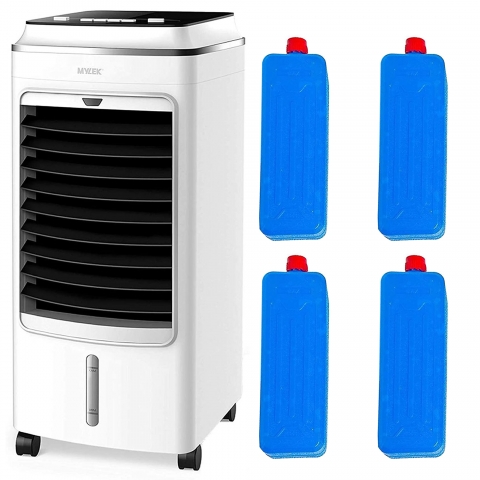
Place ice packs or cooling pads in the water tank. This lowers the water temperature and improves cooling. Use frozen packs but avoid direct contact with the unit’s parts. Replace ice packs regularly for consistent cool air output.
Avoiding Heat Sources Nearby
Move the cooler away from heat sources like direct sunlight or appliances. Heat nearby makes the cooler work harder and reduces its efficiency. Place it in a shaded, cool spot for better performance and energy savings.

Credit: www.amazon.com
Energy Efficiency And Cost Savings
Energy efficiency plays a vital role in choosing a cooling solution. Portable air coolers use less electricity than traditional AC units. They offer an affordable way to cool small spaces. Cost savings come from lower power use and simple maintenance. Understanding how to optimize their use helps save more money.
Comparing Portable Air Coolers And Ac Units
Portable air coolers consume much less energy than AC units. They cool air by evaporating water, which requires less power. AC units use refrigerants and compressors, leading to higher electricity bills. Air coolers work best in dry climates and open spaces. AC units offer stronger cooling but at a higher cost. Choosing between them depends on your budget and cooling needs.
Tips To Reduce Energy Consumption
Keep the water tank filled to maximize cooling efficiency. Use the air cooler in a shaded area to avoid heat buildup. Clean the filters regularly to maintain airflow and reduce power use. Turn off the cooler when you leave the room. Use fans alongside the cooler to spread cool air faster. These steps help lower electricity bills.
Scheduling Usage For Best Results
Use the portable air cooler during cooler parts of the day, like early morning or late evening. Avoid running it all day, especially in very hot hours. Set timers to control operating times and save energy. Combine cooler use with natural ventilation to improve air circulation. Scheduling use smartly extends the cooler’s life and cuts costs.
Troubleshooting Common Issues
Portable air coolers offer a simple way to beat the heat. Sometimes, these units face issues that affect performance. Troubleshooting common problems helps keep your cooler running smoothly. Quick fixes often restore comfort without waiting for repairs.
Unit Not Cooling Properly
Check if the water tank has enough water. Low water levels reduce cooling power. Make sure the cooling pads are clean and wet. Dirty pads block airflow and lower cooling. Ensure the fan speed is set correctly. A low fan speed might feel like poor cooling. Keep doors and windows closed for best results. Warm air from outside reduces cooling effect.
Water Pump Problems
Listen for the water pump sound when the cooler runs. No sound may mean a pump failure. Check if the pump is clogged with dirt or debris. Clean the pump and water lines carefully. Make sure the water level is above the pump. Running the pump dry can cause damage. Replace the pump if cleaning does not help. Proper water flow keeps the cooling pads moist.
Unusual Noises Or Odors
Strange sounds often come from loose parts or dirt buildup. Tighten screws and clean the unit regularly. Check the fan blades for damage or blockage. A burning smell may signal electrical issues. Switch off the unit immediately in this case. Remove any mold or mildew from the water tank. Use fresh water to avoid bad odors. Regular cleaning prevents most noise and smell problems.
Seasonal Care And Storage
Taking good care of your portable air cooler during the off-season helps it last longer. Proper seasonal care and storage keep the unit clean and ready to use next summer. Follow simple steps to prepare, clean, and store your cooler safely.
Preparing For Off-season Storage
Turn off and unplug the air cooler before storage. Drain all the water from the tank. Remove any remaining ice or water from inside. Let the cooler dry completely to stop mold and bad smells. Take out the filter and dry it separately.
Cleaning Before Storage
Clean the water tank with mild soap and warm water. Use a soft cloth or sponge to avoid damage. Clean the filter by rinsing it under running water. Check the fan blades and wipe off dust. Clean the outer surface with a damp cloth. Make sure all parts are dry before storing.
Safe Storage Tips
Store the air cooler in a dry, cool place. Avoid direct sunlight or damp areas. Cover the unit with a breathable cloth or plastic cover. Keep it away from heavy objects that could cause damage. Store the filter separately if possible. Check the cooler every few months to ensure no dust or mold forms.
Frequently Asked Questions
How To Use A Portable Air Cooler?
Fill the water tank with clean, cool water. Plug in and turn on the unit. Keep windows open for better airflow. Adjust fan speed and direction as needed. Refill water regularly to maintain cooling efficiency.
How Do You Use An Air Cooler For The First Time?
Unbox the air cooler and check all parts. Fill the tank with clean, cold water. Plug it in and switch it on. Adjust settings as needed for cooling. Ensure windows are open for better airflow.
Is It Necessary To Pour Water In An Air Cooler?
Yes, pouring water in an air cooler is necessary. Water cools the air and prevents damage to internal parts.
Should I Close The Window When Using An Air Cooler?
Keep windows open when using an air cooler to allow fresh air circulation and prevent humidity buildup inside the room.
Conclusion
Using a portable air cooler is simple and effective. Keep the water tank filled with clean, cool water. Place the cooler near an open window or door for best airflow. Turn it on and adjust settings to your comfort. Regularly clean the unit to keep it working well.
Portable air coolers save energy and cool small spaces efficiently. Enjoy a cooler room without high electricity bills. Stay comfortable during hot days with easy maintenance and proper use. Portable air coolers offer a practical cooling solution for many homes.