If you’re looking for a simple and energy-efficient way to cool your space, an evaporative air cooler might be just what you need. But how do you get the most out of it?
Using an evaporative cooler the right way can make a big difference in how comfortable your room feels, especially in dry, hot climates like Austin, Texas. In this guide, you’ll discover easy steps to set up, operate, and maintain your cooler so it works effectively without wasting water or energy.
Keep reading to learn how to turn your evaporative cooler into your home’s best summer companion.

Credit: neil.com.ar
Choosing The Right Cooler
Choosing the right evaporative air cooler is key to effective and efficient cooling. A proper choice ensures comfort and saves energy. Consider the cooler type, size, and your local climate. Each factor affects how well the cooler works in your space.
Types Of Evaporative Coolers
There are three main types of evaporative coolers. Portable coolers are small and easy to move. They work well for single rooms or small areas. Window coolers fit in a window frame. They cool medium-sized rooms effectively. Whole-house coolers connect to your home’s duct system. These cool large spaces but need professional installation.
Sizing For Your Space
Choosing the right size cooler matters. A small cooler cannot cool a big room well. A too-large cooler wastes energy and water. Measure your room size in square feet. Check the cooler’s cooling capacity, usually shown in CFM (cubic feet per minute). Match the CFM rating to your room size for best results.
Climate Considerations
Evaporative coolers work best in dry climates. They add moisture to the air while cooling. High humidity reduces their effectiveness. In very humid areas, these coolers may not cool enough. Also, they need good airflow. Keep windows or doors open for fresh air to flow through. This helps the cooler work efficiently and prevents dampness.
Setup And Placement
Setting up and placing your evaporative air cooler correctly ensures it works efficiently. Proper setup improves cooling and keeps the air fresh. Small details in placement affect performance and comfort.
Ideal Location Indoors
Place the cooler near an open window or door. This allows fresh air to flow inside. Avoid corners or closed rooms with no airflow. Choose a spot with enough space around the cooler. Keep it away from walls to let air circulate freely.
Ensuring Proper Ventilation
Open a window or door across the room from the cooler. This creates cross-ventilation that pulls fresh air in. It pushes warm, humid air out. Without good ventilation, the room will feel damp and less cool. Keep windows or vents open while the cooler runs.
Water Supply And Filling
Use clean water to fill the cooler’s tank. Check the water level often during use. Refill before it runs dry to keep cooling steady. Some coolers need water added manually; others have automatic refill options. Avoid overfilling to prevent leaks or spills.
Operating Your Cooler
Operating your evaporative air cooler correctly ensures you enjoy cool, fresh air efficiently. Understanding how to start, adjust, and position your cooler helps you get the best performance. This section guides you through simple steps to operate your cooler effectively.
Starting And Adjusting Settings
First, fill the water tank with clean water. Plug in the cooler and turn it on using the power button. Adjust the fan speed to low, medium, or high based on your comfort. Use the cooling mode to activate water evaporation for cooler air. Set the timer if your model has one to save energy.
Regularly check the water level and refill as needed. Use the swing or oscillation function to spread cool air evenly across the room. Keep controls simple and easy to manage for best results.
Maximizing Cooling Efficiency
Use cool, fresh water to fill the tank. Clean the cooling pads regularly to prevent dust buildup. Replace pads if they become worn out. Position the cooler in a shaded area to reduce direct sunlight exposure. This keeps water temperature lower and cooling stronger.
Run the cooler with fan and cooling modes together for optimal effect. Avoid overfilling the water tank to prevent leaks. Clean the water tank weekly to stop mold and odors. Proper maintenance extends the cooler’s life and improves cooling.
Using With Windows And Doors Open
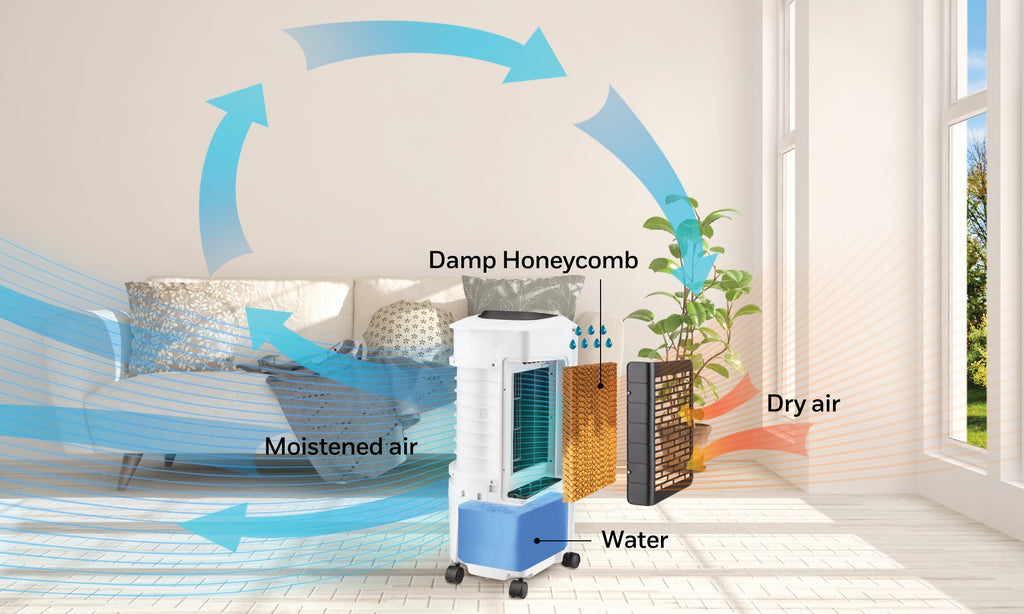
Keep windows or doors open to allow fresh air to enter. This air passes through the wet cooling pads, lowering its temperature. Open a window or door on the opposite side for better air flow. This creates cross-ventilation, improving cooling and air quality.
Never use the cooler in a closed room. It needs constant air movement to work well. Open space helps remove humid air and bring in dry air. This prevents stuffiness and makes your cooler more effective.
Maintenance Tips
Maintaining your evaporative air cooler is essential for its efficiency and longevity. Proper care helps the unit cool better and last longer. Follow simple steps regularly to keep your cooler in top shape. Clean parts and fresh water prevent problems like mold and bad smells. Here are some key maintenance tips to keep your cooler working well.
Cleaning Cooling Pads
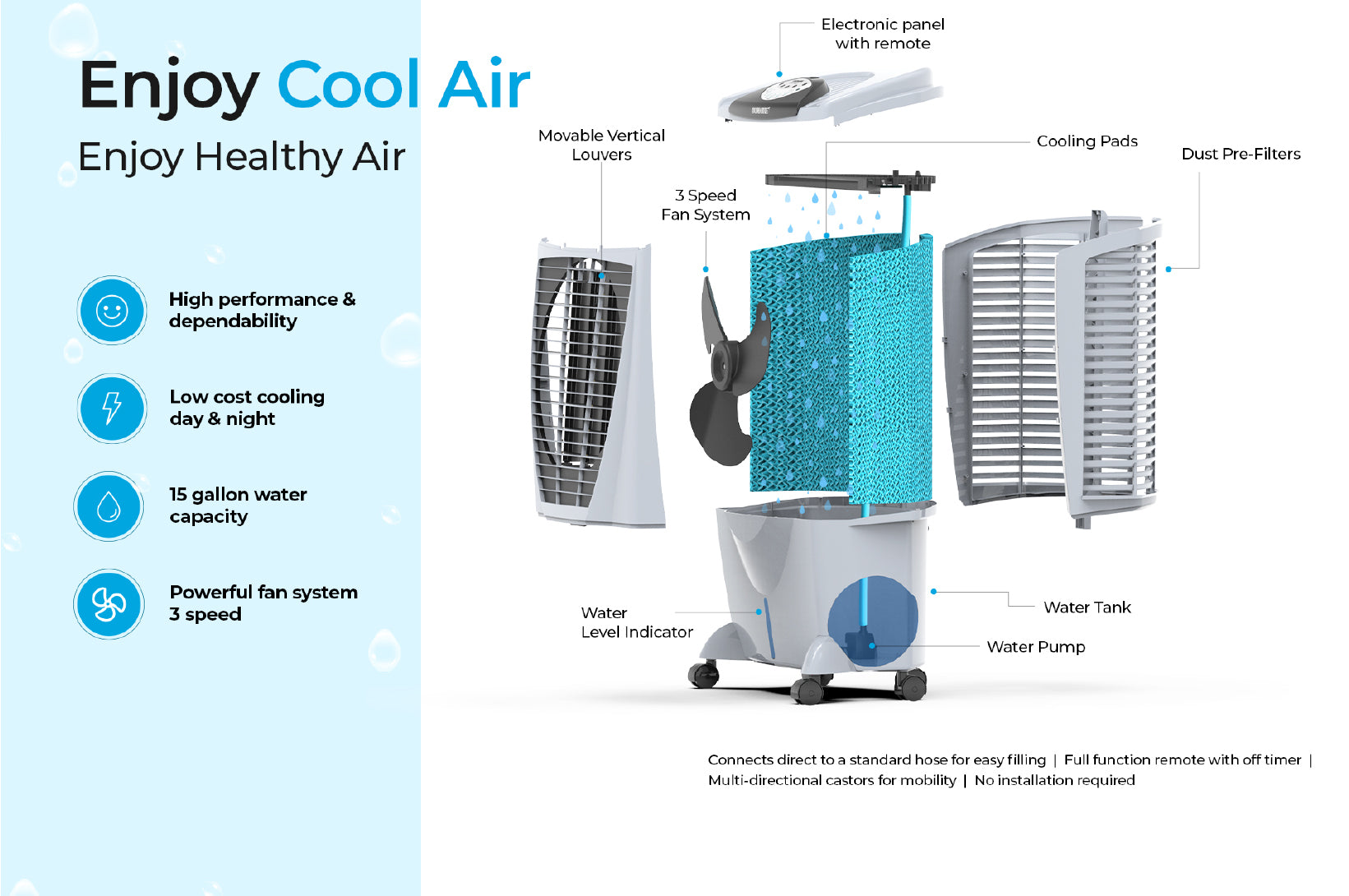
Cooling pads absorb water and help cool the air. Dirt and minerals can build up on pads over time. Remove the pads carefully and rinse them with clean water. Use a soft brush to remove stubborn dirt. Let the pads dry completely before putting them back. Replace pads if they are torn or too old for best cooling.
Water Reservoir Care
Empty the water reservoir regularly to avoid stale water. Clean the tank with mild soap and a soft cloth. Rinse well to remove soap residue. Refill with clean, fresh water each time you use the cooler. Check for leaks and fix them early to prevent damage. Keeping water fresh helps the cooler work efficiently.
Preventing Mold And Odors
Mold grows in damp, warm places like air coolers. To prevent mold, dry the unit after each use. Use vinegar or a mild bleach solution to clean mold-prone areas. Keep the cooler in a dry area when not in use. Change the water often to stop odors. Good airflow around the cooler also reduces mold risk.
Energy And Water Use
Evaporative air coolers use water and electricity to lower indoor temperatures. Understanding their energy and water use helps you run them efficiently. These coolers consume less electricity than traditional air conditioners. Yet, they require a steady water supply for evaporation. Managing both resources well improves performance and saves money.
Managing Water Consumption
Evaporative coolers need regular water refills to work properly. Use clean water to prevent mineral buildup. Check water levels daily, especially in hot weather. Turn off the cooler when not in use to save water. Some models have automatic refill systems to keep water steady. Avoid overfilling to reduce waste. Water conservation matters in dry areas.
Energy Efficiency Benefits
These coolers use much less electricity than air conditioners. They cool air by evaporating water, which needs less power. Lower energy use means smaller electric bills. Running an evaporative cooler on low speed saves more energy. They work best with open doors or windows for air flow. Using them during cooler parts of the day boosts efficiency.
Cost-effective Operation
Evaporative coolers cost less to buy and run. Their simple design means fewer repairs and low maintenance. Water and energy savings add up over time. Using the cooler wisely cuts monthly utility expenses. Keep filters and pads clean to maintain good airflow. Proper care extends the cooler’s life and reduces costs.
Credit: honeywellaircomfort.com
Health And Air Quality
Using an evaporative air cooler affects more than just temperature. It changes indoor air quality and health conditions. Knowing these effects helps you use the cooler safely and comfortably.
Humidity Effects Indoors
Evaporative coolers add moisture to the air. This raises indoor humidity levels. Moderate humidity can ease dry skin and breathing. Too much humidity can cause discomfort. It may lead to damp walls or mold growth. Keep windows or doors open to let humid air escape. This balance prevents excessive moisture buildup.
Allergen Considerations
Coolers pull air through wet pads to cool it. This process can trap dust and pollen. However, if not cleaned often, pads can grow mold or bacteria. These can worsen allergies or asthma. Change or clean pads regularly. Use a filter if possible. Keep the air fresh and reduce allergens indoors.
Avoiding Respiratory Issues
Stale or damp air can cause breathing problems. Using the cooler in a well-ventilated room helps. Avoid running it in a closed space. Dry your cooler parts to stop mold growth. People with asthma or lung issues should monitor air quality. Proper use lowers risks of respiratory irritation or infections.
Limitations And Drawbacks
Evaporative air coolers offer a natural and energy-efficient way to cool indoor spaces. Despite their benefits, they have some important limitations. Understanding these drawbacks helps set realistic expectations for their use. The following sections explain key issues to consider.
Ineffectiveness In Humid Climates
Evaporative coolers work by adding moisture to the air. This process cools air through evaporation. In humid climates, the air is already full of moisture. This reduces the cooler’s ability to evaporate water. As a result, cooling becomes weak or almost non-existent. High humidity areas may find evaporative coolers less helpful.
Cooling Capacity Compared To Ac
Evaporative coolers usually cannot cool air as much as traditional air conditioners. They lower temperature by a few degrees, not drastically. In very hot weather, their cooling power may not be enough. Air conditioners use refrigerants and compressors to provide stronger cooling. Evaporative coolers work best in moderate heat rather than extreme heat.
Need For Constant Airflow
These coolers require fresh air to work well. Doors or windows must stay open to allow airflow. This helps bring in dry air and push out moist air. Without good airflow, the room can become too humid and less comfortable. Open windows may also let in dust, pollen, or insects. Proper ventilation is key to good performance.
Seasonal Use And Storage
Using an evaporative air cooler properly through different seasons helps keep it efficient. Storing it right during off-season extends its life. This section explains when to use the cooler and how to store it safely.
When To Use Evaporative Cooling
Evaporative coolers work best in hot, dry weather. They add moisture to the air while cooling it. Use them during spring and summer months in dry climates. Avoid using them in humid weather because they add more moisture. Keep windows or doors open to allow fresh air flow. This helps the cooler work well and prevents dampness inside.
Winter Storage Tips
Before winter, clean the cooler thoroughly. Remove and dry the cooling pads to prevent mold growth. Drain all water from the tank and pipes. Let the unit dry completely to stop rust and damage. Store the cooler in a dry place away from dust and cold. Cover it with a cloth or plastic to keep it clean.
Protecting The Unit Off-season
Protect the cooler from dust and dirt by covering it. Avoid placing heavy items on top of the unit. Check the cooler occasionally for signs of damage or pests. Keep it in a place with stable temperature to avoid cracks. Proper care during off-season reduces repair costs and keeps the unit ready for next use.
Credit: bonairedurango.com
Frequently Asked Questions
How To Effectively Use An Evaporative Cooler?
Use an evaporative cooler in a well-ventilated area with open windows or doors. Keep the water reservoir filled and clean cooling pads regularly. Ensure air flows through the cooler and exits the room for effective cooling. Avoid use in high humidity for best results.
How Long Can You Leave Evaporative Cooling On?
You can run evaporative cooling continuously during hot, dry weather with proper ventilation and regular maintenance. Avoid use in high humidity.
What Is A Downside Of Evaporative Cooling?
Evaporative cooling works poorly in high humidity and requires open windows for airflow. It also needs frequent maintenance and raises indoor moisture levels.
How To Use An Air Cooler For The First Time?
Fill the air cooler’s water tank, plug it in, and turn it on. Open windows for airflow. Adjust fan speed and cooling settings as needed. Clean filters regularly for better performance.
Conclusion
Using an evaporative air cooler is simple and cost-effective. Keep windows or doors open for good airflow. Regularly refill the water tank to maintain cooling. Clean the cooler often to avoid mold and odors. Remember, these coolers work best in dry, hot climates.
They add moisture, so watch humidity levels inside. With proper use and care, they provide comfortable cooling. This makes your space cooler without high electricity bills. Enjoy fresh, cool air during warm days easily.


