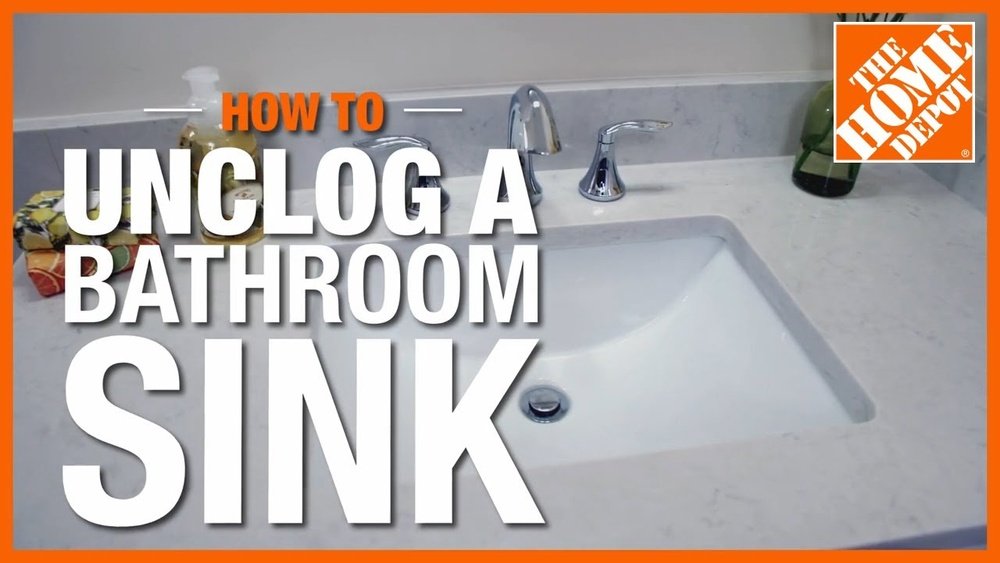
A slow-draining or clogged bathroom sink is a problem almost every homeowner faces at some point. Water pools around your feet, toothpaste scum sticks to the basin, and sometimes there’s even a bad smell. You may think calling a plumber is your only option, but in most cases, you can fix it yourself with a few simple tools and techniques.
This guide will show you step-by-step how to unclog a bathroom sink, explain why clogs happen, and share tips to prevent them in the future. Even if you’re not handy, you’ll find that most clogs can be cleared in less than an hour.
Understanding Why Bathroom Sinks Get Clogged
Bathroom sinks are different from kitchen sinks. The main enemies here are hair, soap scum, toothpaste, and sometimes small objects like jewelry or cotton swabs. Over time, these materials stick together, forming a blockage in the drain trap or deeper in the pipes. Hard water can make the problem worse by leaving mineral deposits. If you notice water draining slowly or hear gurgling sounds, you likely have a partial clog that will only get worse if ignored.
What You’ll Need Before You Start
It’s best to gather your tools and supplies before you begin. Here’s what you might need:
- Rubber gloves (to keep your hands clean)
- Plunger (a small one for sinks, not a toilet plunger)
- Baking soda and vinegar
- Boiling water
- Bucket
- Old towel or rag
- Pipe wrench or adjustable pliers
- Wire coat hanger or drain snake
- Flashlight
- Old toothbrush (for cleaning)
- Plumber’s tape (optional, for reassembling pipes)
Having these items ready will save you time and frustration.

Credit: www.youtube.com
Step-by-step Methods To Unclog A Bathroom Sink
Some clogs are easy to fix. Others need more effort. Start with the simplest method and move to the next if needed. Never use harsh chemicals before trying manual methods, as they can damage pipes.
1. Remove And Clean The Sink Stopper
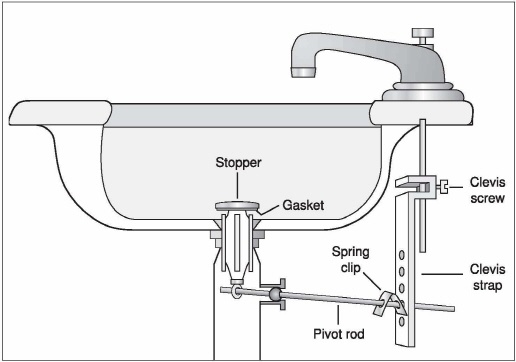
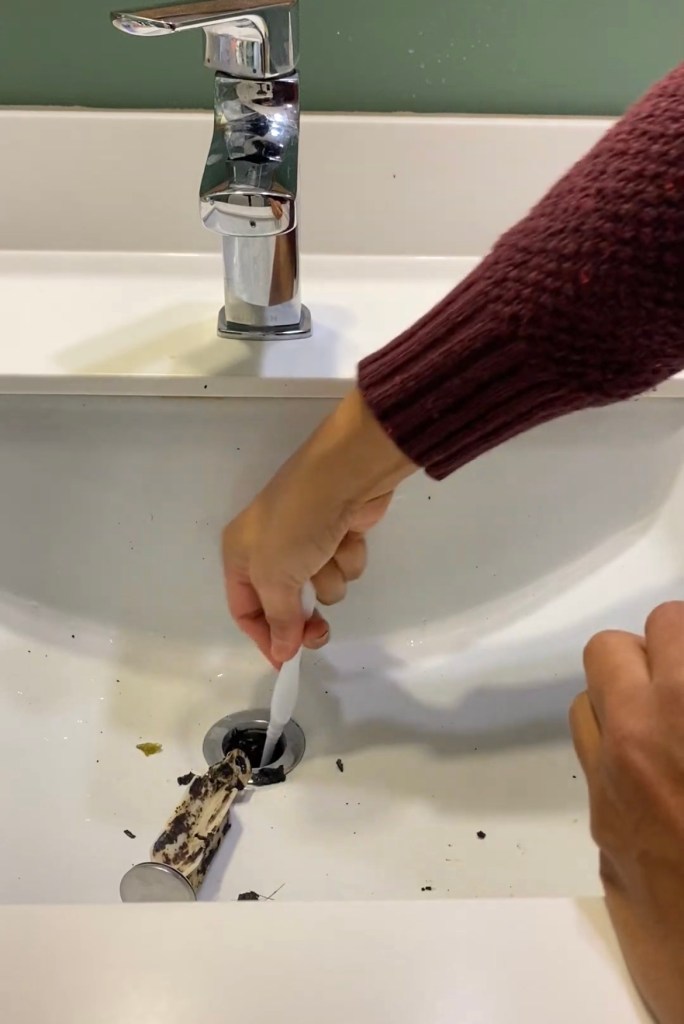
Most bathroom sinks have a pop-up stopper. Hair and debris often get trapped here.
- Pull up the stopper as far as it goes.
- If it doesn’t come out, look under the sink for a small metal rod attached to the drainpipe. Unscrew the nut holding the rod, then pull out the stopper.
- Clean the stopper with an old toothbrush and rinse it.
- Shine a flashlight down the drain to check for visible blockages. Remove any debris you can reach.
This simple action often solves the problem. According to plumbing experts, nearly 60% of bathroom sink clogs are caused by material trapped around the stopper.
2. Use Boiling Water
Pouring boiling water down the drain can melt soap and loosen grease.
- Boil a kettle of water.
- Carefully pour it down the drain in two or three stages, letting it work for a few seconds each time.
Be cautious with boiling water if your sink or pipes are made of plastic (PVC), as very hot water can soften or warp them. If you’re unsure about your pipes, use hot tap water instead.
3. Try A Plunger
A sink plunger creates suction that can dislodge clogs.
- Remove the stopper.
- Fill the sink with enough water to cover the plunger’s cup.
- Place the plunger over the drain and press down firmly.
- Push and pull quickly for 20–30 seconds.
If you hear gurgling or see water draining, you’re making progress. Repeat if necessary. If water backs up into another drain, block it with a wet rag.
4. Use Baking Soda And Vinegar
This natural solution helps break down organic material.
- Pour about 1/2 cup of baking soda into the drain.
- Follow with 1/2 cup of white vinegar.
- Cover the drain with a plug or rag to keep the reaction inside.
- Wait 15–20 minutes.
- Flush with hot water.
This method is effective for light to moderate clogs and avoids harsh chemicals.
5. Clear The P-trap
The P-trap is the curved pipe under your sink. It often collects debris.
- Place a bucket underneath to catch water.
- Use pliers to loosen the slip nuts at each end of the P-trap.
- Remove the trap and empty its contents into the bucket.
- Clean the trap with an old toothbrush.
- Check the pipes for blockages before reassembling.
Make sure to tighten the nuts securely but not too much. If you damage the washers, you may need plumber’s tape for a tight seal.
6. Use A Drain Snake Or Wire
If the clog is deeper, use a drain snake or a straightened wire coat hanger.
- Insert the snake or wire gently into the drain.
- Rotate while pushing forward to catch debris.
- Pull out and wipe clean as needed.
- Flush with hot water.
Professional plumbers say a drain snake removes stubborn clogs in over 80% of cases where other methods fail.
7. Check The Vent Pipe
Rarely, a clogged vent pipe (usually on your roof) can stop drains from working. If all your drains are slow, this may be the cause. Clearing a vent pipe is a big job—call a plumber if you suspect this problem.
Comparing Unclogging Methods
Here’s a quick look at common methods and their effectiveness:
| Method | Best For | Effectiveness | Safety |
|---|---|---|---|
| Remove Stopper | Hair, visible debris | High | Very Safe |
| Boiling Water | Soap scum, light grease | Medium | Safe (except PVC pipes) |
| Plunger | General clogs | Medium-High | Very Safe |
| Baking Soda & Vinegar | Organic build-up | Medium | Very Safe |
| Clear P-Trap | Severe clogs | High | Safe |
| Drain Snake | Deep, stubborn clogs | Very High | Safe if careful |
What To Avoid When Unclogging
Many people reach for chemical drain cleaners right away, but these can damage pipes, especially if used often. They may also create toxic fumes. Avoid poking with sharp objects, which can scratch or puncture pipes. If you’re unsure, try the safest methods first.
Preventing Future Bathroom Sink Clogs
A little prevention goes a long way. Here’s how you can keep your drain clear:
- Use a drain cover to catch hair and debris.
- Clean the stopper every month to remove build-up.
- Flush with hot water weekly to move soap and grease.
- Avoid pouring wax, paint, or oily substances down the drain.
- Teach children not to drop small items in the sink.
Even after a successful unclogging, regular maintenance can save you time and money. According to the U.S. Environmental Protection Agency, routine drain cleaning can reduce emergency plumber visits by over 30%.
Credit: happyhiller.com
When To Call A Professional
Most bathroom sink clogs can be handled by homeowners. But some situations require expert help:
- Water backs up in multiple drains
- There is a strong sewer smell
- Clogs return quickly, even after cleaning
- You can’t access pipes or vent stacks safely
In these cases, a licensed plumber has the tools and experience to solve deeper problems without risking damage to your plumbing.
Common Mistakes Beginners Make
It’s easy to make errors when you’re new to unclogging. Here are mistakes to avoid:
- Reassembling the P-trap incorrectly, causing leaks
- Using too much force with a drain snake, which can break pipes
- Forgetting to place a bucket under the trap—leading to messy spills
- Pouring boiling water on a porcelain sink, which may crack it
Learning from these mistakes saves time and prevents bigger problems.
Credit: hanashappyhome.com
Real-world Example
Consider this scenario: You notice your bathroom sink drains slowly after shaving. You try boiling water, but it doesn’t help. Removing the stopper, you find a mass of hair and old toothpaste. Cleaning it out immediately solves the problem—no plumber needed. This is a common situation, and a reminder that the simplest step is often the most effective.
Cost Comparison: Diy Vs. Professional
It’s helpful to know what you’re saving by doing it yourself.
| Method | Estimated Cost | Time Required | Success Rate |
|---|---|---|---|
| DIY (tools & supplies) | $0–$20 | 30–60 minutes | 80–90% |
| Professional Plumber | $100–$250 | 1–2 hours | 99% |
Most people can solve the problem with just household items and a little time.
Safety Tips For Unclogging Your Sink
- Always wear rubber gloves to protect your hands from bacteria and sharp objects.
- If you use chemical cleaners, ventilate the area well and follow the instructions carefully.
- Never mix different chemical products—they can create dangerous fumes.
- Keep tools and small parts away from children.
If you get stuck or the problem seems bigger than you expected, don’t risk injury. It’s okay to call in a pro.
Frequently Asked Questions
How Often Should I Clean My Bathroom Sink Drain?
For most homes, cleaning the drain every one to two months prevents build-up and keeps water flowing smoothly. If you have long hair or a lot of bathroom use, clean more often.
Can I Use Bleach To Unclog My Bathroom Sink?
Bleach can kill germs but is not effective at breaking down clogs like hair or soap scum. It may also damage pipes over time. Safer options are baking soda, vinegar, or a plunger.
Is It Safe To Use A Drain Snake If I Have Plastic Pipes?
Yes, but use gentle pressure. Forcing the snake can scratch or crack plastic (PVC) pipes. Move slowly and stop if you feel strong resistance.
What If I Drop Something Valuable, Like A Ring, Down The Sink?
Turn off the water. Remove the P-trap carefully and check for the item. Small objects often get caught there. If you can’t find it, a plumber can help retrieve it without further damage.
Where Can I Learn More About Home Plumbing?
A good starting point is the Wikipedia page on plumbing. It offers clear explanations and links to more resources.
Solving a clogged bathroom sink doesn’t have to be stressful or expensive. With these methods, you can handle most blockages and keep your sink running smoothly for years to come. Take it step by step, and you’ll gain confidence every time you do it.