Storing a down sleeping bag properly is essential if you want it to last a long time and perform well. Many campers and hikers invest in high-quality down sleeping bags because they are lightweight and warm. But if you don’t store them the right way, their insulation can become weak, and they may lose comfort.
This guide will help you understand how to store your down sleeping bag to keep it in top condition for years.
Why Proper Storage Matters
Down sleeping bags use natural feathers from ducks or geese. These feathers trap air and keep you warm. If you compress your sleeping bag for too long, the down feathers lose their ability to fluff up. This is called loft, and it’s what makes your bag warm. Poor storage can also lead to mold, mildew, and bad smells. Over time, your bag can become less effective and even unusable.
Cleaning Before Storage
Before storing your down sleeping bag, it’s important to clean it. Dirt, sweat, and oils from your skin can damage the down and fabric. Here’s what you should do:
- Spot Cleaning: If there are only a few dirty areas, use a damp cloth and mild soap to clean them. Don’t soak the bag.
- Full Washing: If your bag is very dirty, you’ll need to wash it. Use a gentle cleaner made for down products. Most experts recommend hand washing or using a front-loading washing machine. Never use top-loading machines with agitators—they can tear the fabric.
- Drying: Dry your bag completely before storage. Wet down can grow mold. Use a dryer on low heat with clean tennis balls to help fluff the feathers. Air drying is possible, but it takes longer.
Many beginners skip cleaning, but oils and sweat can cause the down to clump. Also, improper drying is a common mistake—never store a bag that feels damp.
Credit: www.youtube.com
Choosing The Right Storage Location
Where you store your sleeping bag affects its lifespan. The main factors are temperature, humidity, and light.
- Cool and dry: Store your bag in a place that doesn’t get too hot or humid. Basements often have moisture, which can cause mold. Attics may be too hot.
- Away from sunlight: Sunlight can fade the fabric and weaken the material. Always keep the bag in a dark place.
- No compression: Avoid leaving your bag compressed for a long time. This damages the down.
A closet or under-bed area in your house works well. Avoid garages unless they are climate-controlled.
Storage Bag Options
Most down sleeping bags come with a compression sack for hiking. But this sack is not meant for long-term storage. Instead, use a large cotton or mesh storage sack. These allow your bag to breathe and keep its shape.
Here’s a comparison of storage bag types:
| Bag Type | Use | Benefits | Drawbacks |
|---|---|---|---|
| Compression Sack | Transport | Saves space | Damages loft if used long-term |
| Cotton Sack | Home storage | Allows air flow | Takes up more space |
| Mesh Sack | Home storage | Easy to see bag | Can tear easily |
| Plastic Bag | Avoid | Cheap | Traps moisture, causes mold |
Always choose a cotton or mesh sack for storage at home. Never use plastic bags—moisture gets trapped and your bag can rot.
Credit: longwhitegypsy.com
Step-by-step Storage Process
Storing your down sleeping bag the right way takes just a few steps. Here’s a clear process:
- Make sure the bag is clean and dry.
- Loosen all zippers and drawstrings so the bag is relaxed.
- Stuff the bag loosely into a cotton or mesh storage sack. Don’t fold or roll it tightly.
- Place the sack in a cool, dry, dark location.
- Check the bag every few months for signs of moisture or pests.
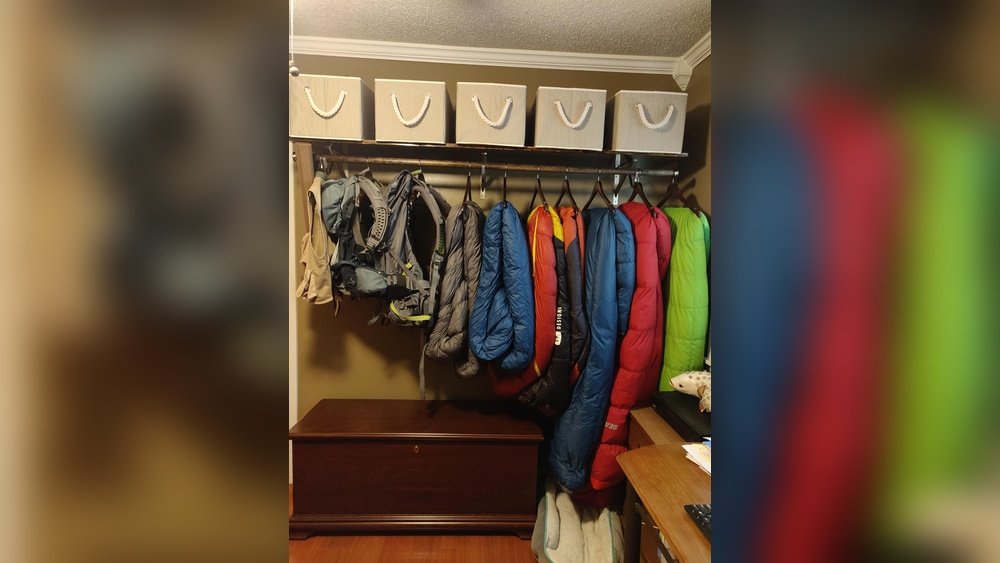
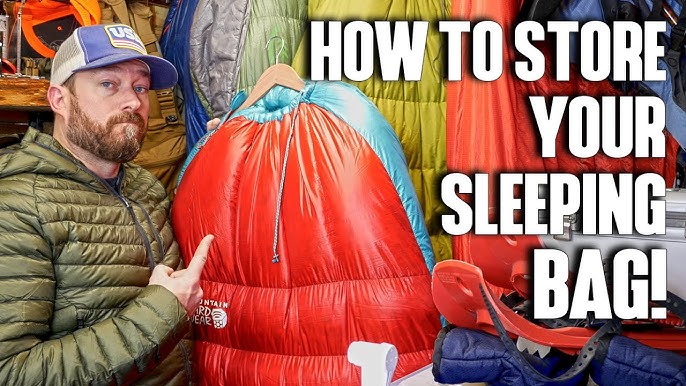
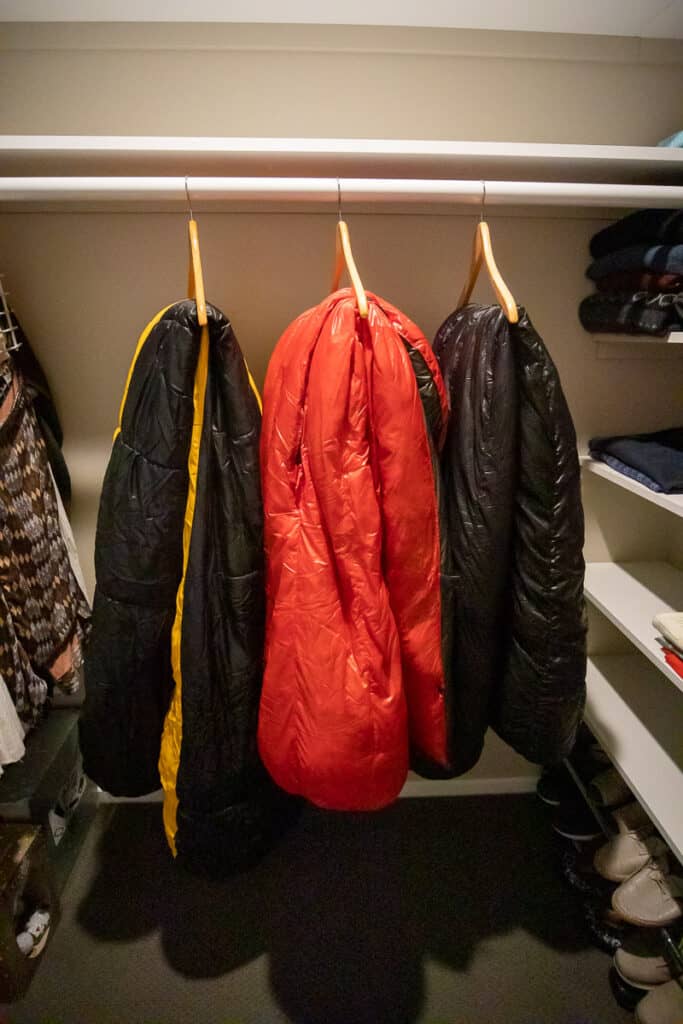
Some people hang their sleeping bags in a closet using large hangers. This is a good option if you have space, as it keeps the down feathers fluffy.
How Compression Affects Down
Compression is the enemy of down. When you press the feathers for a long time, they stick together and lose their shape. This reduces insulation and makes your bag colder. Studies show that down loses up to 20% of its loft if compressed for several months.
Here’s a comparison of sleeping bag loft after storage:
| Storage Method | Loft After 6 Months | Insulation Performance |
|---|---|---|
| Loose in cotton sack | 100% | Excellent |
| Compressed in sack | 80% | Reduced |
| Folded tightly | 85% | Good |
| Hung in closet | 100% | Excellent |
This table shows that loose storage or hanging keeps your bag in the best condition.
Protecting Against Pests And Mold
Bugs like moths and silverfish are attracted to natural fibers. Mold is another risk if your bag is exposed to moisture. Here’s how to protect your bag:
- Use cedar chips in the storage area to keep pests away.
- Avoid damp places and check for leaks.
- Air out the bag every few months.
If you see any signs of pests or mold, wash your bag right away and dry it completely.
Traveling And Temporary Storage
When you travel, you need to use a compression sack. But always remove your bag from the sack as soon as possible after your trip. Never leave your bag compressed in your car or backpack for days. If you must store it temporarily, open the sack and fluff the bag often.
Storing For Long Periods
If you don’t plan to use your sleeping bag for months, extra care is needed. Here are tips for long-term storage:
- Check for moisture: Always make sure the bag is dry.
- Use a breathable sack: Cotton or mesh is best.
- Store off the ground: Place your bag on a shelf or hang it.
- Avoid strong smells: Keep the bag away from chemicals and perfumes.
Some campers add a small silica gel pack in the sack to absorb moisture. This is a smart trick that many beginners miss.
Mistakes To Avoid
Many people make mistakes when storing their down sleeping bag. Here are some you should avoid:
- Keeping the bag compressed for months
- Storing in plastic or airtight bags
- Putting the bag away while damp
- Leaving the bag in hot or humid places
- Ignoring pest risks
Always check your bag a few times a year, even if you’re not using it.
How To Revive A Flattened Down Sleeping Bag
If your bag has lost its loft from poor storage, you can try to revive it. Wash it with a down-friendly cleaner and dry it with tennis balls in a dryer. This helps break up clumps and restores the feathers.
Sometimes, hanging the bag and shaking it gently works too. But if the down is damaged, the bag may never fully recover.
Down Vs Synthetic Sleeping Bag Storage
Down bags need more care than synthetic sleeping bags. Synthetic bags are less sensitive to compression and moisture. Here’s a quick comparison:
| Bag Type | Storage Needs | Moisture Sensitivity | Compression Sensitivity |
|---|---|---|---|
| Down | Loose, dry, breathable | High | High |
| Synthetic | Loose or compressed | Medium | Low |
If you own both types, store your down bag more carefully.
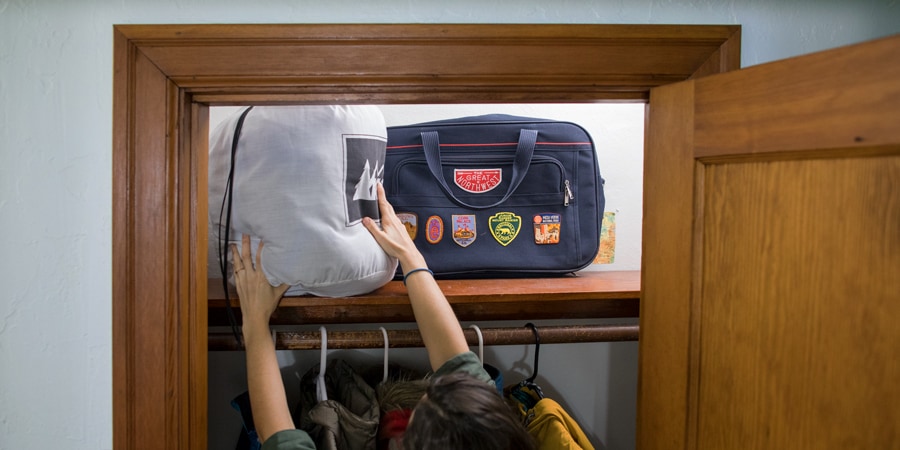
Credit: www.rei.com
Real-life Examples
Some experienced campers share their storage tips:
- Anna, an avid hiker, stores her down bag in a large cotton sack in her closet. She checks it every month and has used the same bag for 10 years.
- Tom hangs his bag on a wide hanger in a cool basement. He avoids plastic bags and keeps cedar chips nearby.
- Maria uses a mesh sack and places a silica gel pack inside. Her bag stays fluffy and odor-free.
These examples show that good storage habits make a real difference.
Useful Extra Tips
- If your bag smells musty, air it outside on a dry day.
- Never use strong detergents or bleach—these damage the down.
- If you live in a humid climate, check your bag more often.
- Label your storage sack if you have multiple bags.
For more advice, see expert tips at REI Expert Advice.
Frequently Asked Questions
What Is The Best Way To Store A Down Sleeping Bag?
The best way is to place your clean, dry bag in a large cotton or mesh sack and keep it in a cool, dry, dark place. Hanging it in a closet also works well.
Can I Store My Sleeping Bag In A Plastic Bag?
No, plastic bags trap moisture and can cause mold or mildew. Always use a breathable sack like cotton or mesh.
How Often Should I Check My Sleeping Bag During Storage?
Check your bag every few months for moisture, pests, or damage. If you live in a humid area, check more often.
What Should I Do If My Sleeping Bag Gets Wet During Storage?
Remove it from storage immediately, wash if needed, and dry it completely before storing again. Never store a damp bag.
Is It Okay To Store My Sleeping Bag Compressed?
Only compress your bag for short periods, like during travel. For home storage, always keep it loose in a breathable sack.
Storing your down sleeping bag the right way protects your investment and ensures you stay warm on every adventure. With these tips, your bag will stay in great shape for many years.