If your vehicle’s cooling system has air pockets, you might notice overheating, strange noises, or poor heater performance. These trapped air bubbles block the smooth flow of coolant, causing your engine to run hotter than it should.
But don’t worry—removing those air pockets is easier than you think. In this guide, you’ll learn simple, step-by-step methods to get rid of air pockets from your cooling system quickly and safely. Keep reading to protect your engine and keep your car running cool all year round.
Causes Of Air Pockets
Air pockets in a cooling system cause many problems. Understanding their causes helps prevent and fix them quickly. These pockets form when air gets trapped inside the system’s coolant passages. The trapped air stops coolant from flowing smoothly. This reduces the cooling system’s efficiency. Knowing common entry points and their effects helps keep the system working well.
Common Entry Points
Air can enter through loose or damaged radiator caps. Cracks in hoses also allow air to seep in. When refilling coolant, air may get trapped if done too fast. Leaks around the water pump or thermostat housing can let air inside. Improper bleeding after maintenance leaves pockets of air too. Even a damaged head gasket can cause air to enter the cooling system.
Effects On Cooling Performance
Air pockets block coolant flow in narrow passages. This causes hot spots and uneven engine cooling. The engine may overheat during heavy use or traffic. Cooling fans and pumps work harder, reducing their lifespan. Air pockets can cause the temperature gauge to give false readings. Over time, the system’s parts may suffer damage from overheating. Efficient cooling stops without proper air removal.
Credit: blog.1aauto.com
Signs Of Air In The System
Air trapped in a vehicle’s cooling system causes several problems. Recognizing the signs of air in the system helps prevent engine damage. These signs show that air pockets block coolant flow and reduce cooling efficiency. Watch for unusual engine behavior and noises. Early detection saves time and costly repairs.
Overheating Engine
An overheating engine often signals air in the cooling system. Air pockets stop coolant from circulating properly. This causes hot spots inside the engine. The temperature gauge may rise quickly. The engine may feel hotter than usual. Overheating damages engine parts and lowers performance.
Heater Malfunction
The heater inside the car may stop working well. Air bubbles block the heater core, reducing heat transfer. The cabin may stay cold even when the heater is on. You might notice weak airflow or no warmth from the vents. This problem shows poor coolant flow inside the heating system.
Unusual Noises
Listen for strange sounds from the cooling system. Air pockets can cause gurgling or bubbling noises. You may hear these noises near the radiator or heater core. These sounds mean coolant moves unevenly through the pipes. Ignoring these noises risks overheating and system failure.
Tools Needed For Removal
Removing air pockets from a cooling system requires the right tools. These tools help you work safely and efficiently. Having the correct equipment makes the process smoother and quicker.
Some tools are common and found in most toolkits. Others are specialized and designed for cooling system bleeding. Knowing what to use helps avoid mistakes and damage.
Basic Hand Tools
Start with simple hand tools. A flathead screwdriver or a wrench can open bleed screws or radiator caps. Pliers help grip small parts or hoses. A funnel is useful for adding coolant without spills. A clean cloth or rag is needed to wipe spills and keep the area tidy. These tools are easy to find and inexpensive.
Specialized Bleed Equipment
Special tools speed up air removal. A cooling system bleeder kit attaches to the radiator or reservoir. It creates pressure to push air out. Vacuum bleeders remove air and refill coolant automatically. Some tools have clear hoses to watch trapped air escape. These devices reduce guesswork and improve results. They are worth investing in for regular maintenance.
Step-by-step Bleeding Process
Removing air pockets from your vehicle’s cooling system improves performance and prevents overheating. The step-by-step bleeding process clears trapped air effectively. Follow each stage carefully to ensure your cooling system runs smoothly.
Preparing The Vehicle
Park your vehicle on a level surface. Make sure the engine is completely cool. Check the coolant reservoir and top off if needed. Gather tools like gloves and rags for safety.
Opening The Radiator Cap Safely
Wear gloves to protect your hands. Slowly twist the radiator cap to release pressure. Do not remove the cap quickly to avoid hot coolant spray. Remove the cap completely once pressure is gone.
Running The Engine With Heater On
Start the engine and turn the heater to maximum heat. This allows coolant to circulate through the entire system. Let the engine run until it reaches normal operating temperature. Watch for air bubbles in the radiator neck.
Squeezing Radiator Hoses To Release Air
Carefully squeeze the upper radiator hoses. This helps push trapped air bubbles toward the radiator. Repeat the process several times while the engine runs. Keep an eye on the coolant flow and bubbles.
Monitoring Coolant Levels
Check the coolant level frequently during bleeding. Add coolant slowly to keep the system full. Avoid letting the coolant drop below the radiator neck. Maintaining proper levels prevents new air pockets.
Sealing The System
Once no more bubbles appear, turn off the engine. Allow it to cool before replacing the radiator cap. Tighten the cap securely to seal the system. Check the coolant reservoir and top off if needed.
Using Radiator Bleed Screws
Using radiator bleed screws is a simple and effective way to remove air pockets from your cooling system. These screws allow trapped air to escape, helping your engine stay cool and run smoothly. Properly bleeding the system prevents overheating and improves coolant flow.
Locating Bleed Screws
Bleed screws are usually found near the top of the radiator or on the thermostat housing. Look for small screws or valves designed to release air. Your vehicle’s manual can help identify the exact location. Some cars may have more than one bleed screw.
Proper Bleeding Technique
Start by running the engine with the radiator cap off. Turn the heater on high to help move coolant and air. Slowly open the bleed screw to release trapped air. Close the screw once coolant starts to flow without bubbles. Repeat if needed until no more air escapes.
Credit: blog.1aauto.com
Alternative Methods
Alternative methods offer practical ways to remove air pockets from the cooling system. These techniques help improve coolant flow and prevent overheating. They can be done with simple tools and basic knowledge. Trying different methods can make the process easier and more effective.
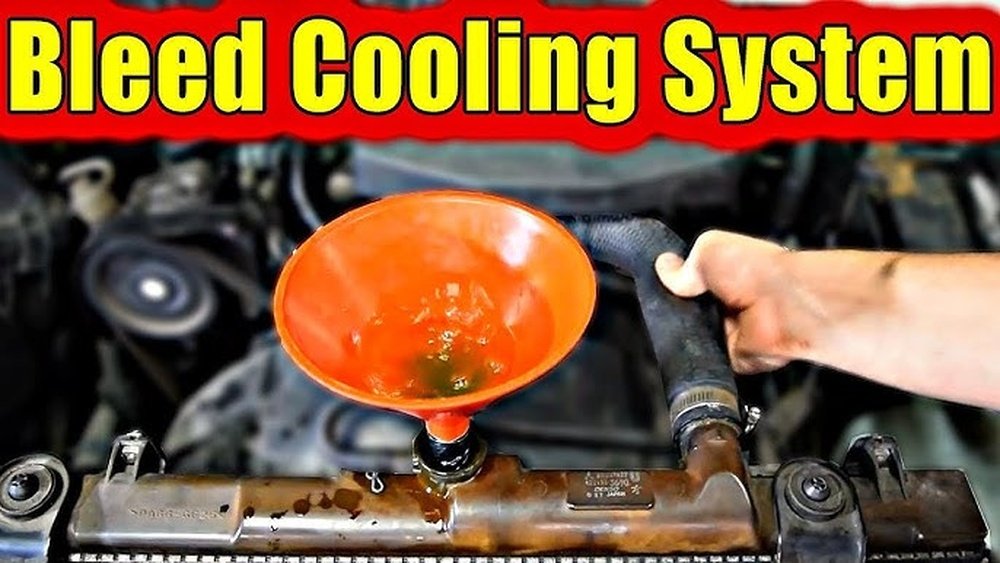
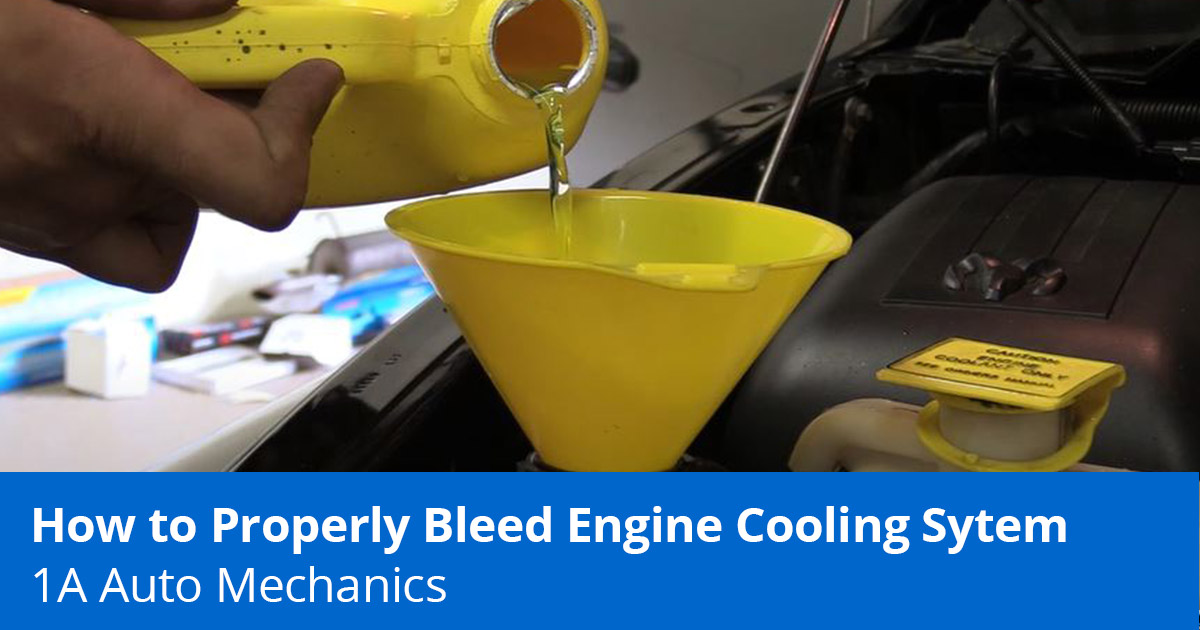
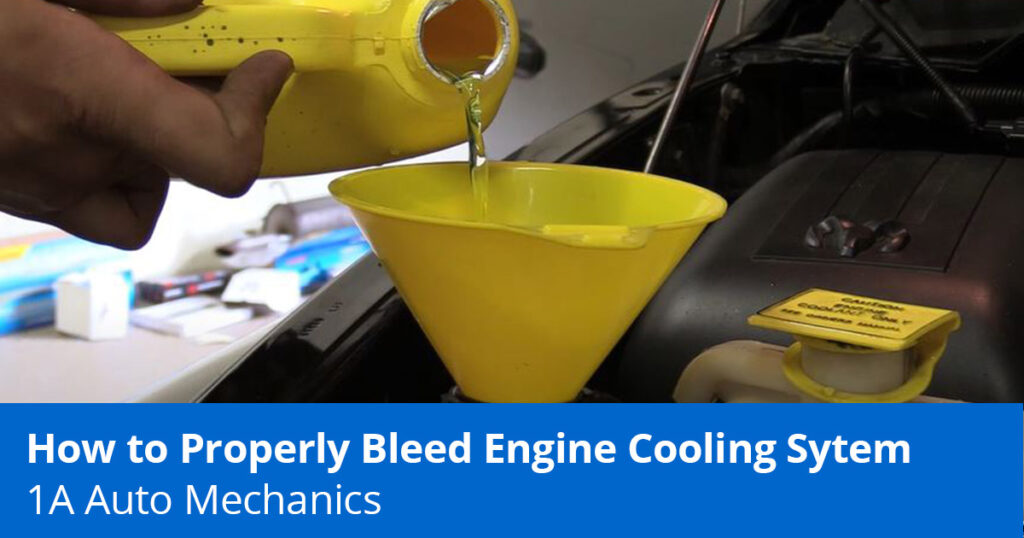
Coolant Reservoir Funnel Method
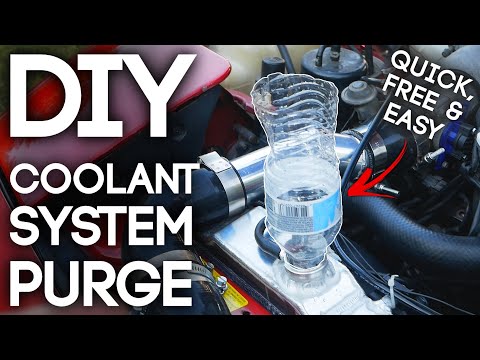
This method uses a funnel attached to the coolant reservoir. Fill the funnel with coolant and start the engine. Keep the funnel in place to avoid spills. As the engine runs, trapped air escapes through the coolant. Watch for bubbles rising in the funnel. When bubbles stop, the air is mostly gone. Remove the funnel and replace the cap tightly. This method keeps the system full and air-free.
Manual Hose Manipulation
Gently squeeze and release the upper radiator hose by hand. This action pushes trapped air through the system. Do this while the engine is running and the radiator cap is off. Feel the hose for any hard or soft spots. Hard spots may mean air pockets. Squeezing helps break bubbles and forces air out. Repeat until the hose feels firm and smooth. Finish by topping off coolant and securing the cap.
Preventing Future Air Pockets
Preventing future air pockets in your cooling system keeps your engine running smoothly. Air pockets block coolant flow and cause overheating. Routine care stops these pockets from forming again. Use simple steps to maintain a healthy system and avoid costly repairs.
Regular Coolant Checks
Check coolant levels often, especially before long drives. Low coolant lets air enter the system. Look for leaks around hoses and the radiator. Top off coolant with the right mixture to keep levels stable. This simple habit helps keep air pockets away.
Proper Coolant Replacement
Replace coolant as recommended by your vehicle’s guide. Old coolant loses its ability to prevent air buildup. Use the right type and mix of coolant for your car. Flush the system fully before adding new coolant. This removes trapped air and dirt that cause blockages.
System Inspection Tips
Inspect hoses and clamps for cracks or loose fittings. Damaged parts let air sneak into the system. Check the radiator cap for a good seal. A worn cap cannot hold pressure, inviting air pockets. Replace any faulty parts to maintain a tight cooling loop.
When To Seek Professional Help
Knowing when to seek professional help is important for removing air pockets from a cooling system. Some problems need expert tools and knowledge. Acting too late can cause engine damage and costly repairs. Recognizing the signs that require professional attention protects your vehicle and saves time.
Persistent Air Pockets
Air pockets that keep coming back may signal a deeper issue. Simple bleeding might not fix leaks or blockages inside the system. A mechanic can find hidden problems and remove air completely. Persistent air pockets can cause overheating and engine damage. Professional help ensures your cooling system works correctly again.
Complex Cooling Systems
Modern cars have complex cooling systems with many parts. Some systems include electric pumps, multiple thermostats, and special valves. These parts need careful handling to avoid damage. Professionals have the right tools to work on such systems safely. They follow exact procedures to remove air pockets without causing harm.
Credit: www.youtube.com
Frequently Asked Questions
How To Get Rid Of Air Pockets In Coolant?
Run the engine with the radiator cap off and heater on high. Squeeze radiator hoses to release trapped air bubbles. Top off coolant and securely replace the cap. Repeat if necessary to fully remove air pockets and prevent overheating.
Will Air Eventually Bleed Out Of The Cooling System?
Air may escape slowly from the cooling system but won’t fully bleed out without manual bleeding. Run the engine with the radiator cap off and heater on to remove trapped air effectively.
How To Remove Trapped Air From A Radiator?
Turn off the heating system. Use a radiator key to open the bleed valve. Release air until water flows steadily. Close the valve and check pressure. Repeat if needed.
How To Burp A Coolant System With A Reservoir?
Fill the reservoir with coolant using a funnel. Run the engine with the radiator cap off and heater on high. Squeeze hoses gently to release trapped air. Add coolant as needed until bubbles stop. Securely replace the cap and check coolant levels regularly.
Conclusion
Removing air pockets from your cooling system keeps your engine running smoothly. Follow the steps carefully and take your time. Check for bubbles and ensure coolant flows freely. Keep an eye on coolant levels often to avoid overheating. Regular maintenance helps prevent air buildup and costly repairs.
A well-maintained cooling system improves your car’s performance and lifespan. Simple actions make a big difference in your vehicle’s health. Stay safe and keep your engine cool all year round.