Keeping your bathroom organized is not just about style; it’s about making daily routines easier and more enjoyable. When you have a well-organized space, you save time, reduce stress, and even keep your toiletries in better condition. Yet, bathrooms are often small and filled with items of all shapes and sizes — bottles, brushes, razors, creams, and so much more.
It’s easy for clutter to build up. If you’ve ever wasted precious morning minutes searching for your toothbrush or knocking over bottles in the shower, you know the frustration. The good news is, organizing your bathroom toiletries is possible for any home, budget, or lifestyle.
By understanding smart storage strategies, choosing the right tools, and building good habits, you can transform even the tiniest bathroom into a tidy, functional space.
Understanding Your Bathroom Space
Before you begin organizing, it’s important to take a good look at your bathroom. Every bathroom is different — some are spacious, some are compact, others have lots of shelves, while some have almost none. Understanding your space will help you find the best solutions.
Start by standing in your bathroom and noticing where clutter collects. Is the sink crowded? Are there bottles on the edge of your bathtub? Is your medicine cabinet overflowing? Next, measure the available storage areas such as under the sink, shelves, and shower corners.
Knowing these dimensions can save you from buying containers or organizers that won’t fit.
If your bathroom is small, vertical space is your best friend. Look for walls or the back of the door where you can add hooks or shelves. In larger bathrooms, you might have room for a storage cart or a larger cabinet.
Remember, a little planning prevents wasted money and frustration.
Sorting And Decluttering Toiletries
One of the biggest mistakes people make is trying to organize items they don’t actually use. Before you buy any storage products or start rearranging, you need to declutter.
Here’s a step-by-step guide:
- Empty everything out: Take all toiletries out of cabinets, drawers, baskets, and shower shelves. Lay them out where you can see them.
- Group similar items: Put all shampoos together, all makeup items in one place, dental care items together, and so on. This helps you see what you have.
- Check expiration dates: Many products have a shelf life. Expired makeup can cause skin problems, and old medicine can be unsafe.
- Throw away or donate: Discard empty bottles, expired products, and items you haven’t used in the last six months. If you have unopened products you don’t want, consider donating them to a local shelter.
- Decide on daily, weekly, and occasional use: Place the items you use every day in one group, weekly items in another, and occasional or guest items last.
Many people are surprised by how much they can let go of. This first step can make organizing much easier and even free up a lot of space.
Choosing The Right Storage Solutions
With your toiletries sorted, it’s time to select storage that fits both your bathroom and your lifestyle. Different products work better for different spaces and needs.
Common Storage Options
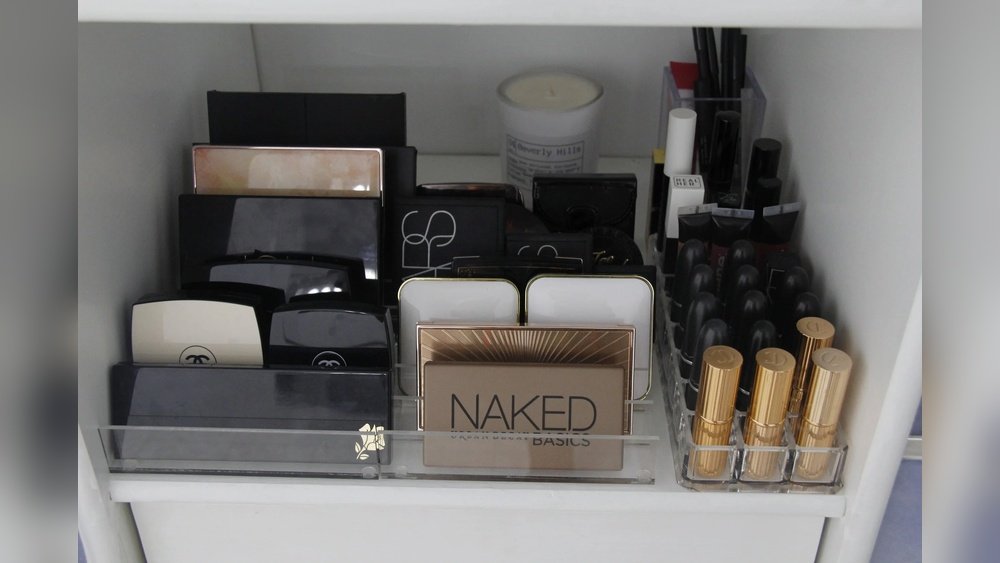
- Drawers and Drawer Dividers: Great for makeup, brushes, and smaller items. Dividers prevent items from rolling around and getting mixed up.
- Shelves: Use wall shelves for extra space, especially above the toilet or beside the mirror.
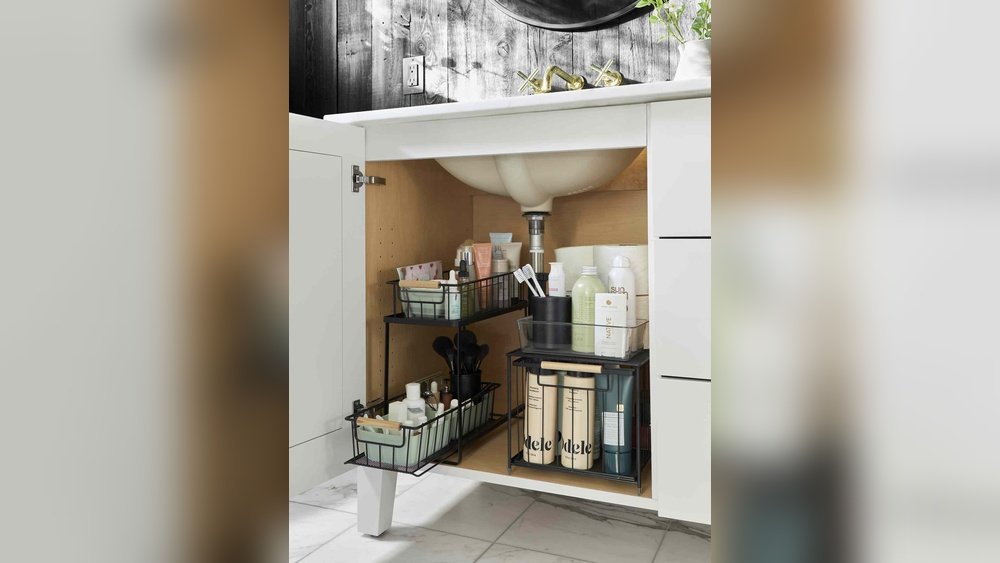
- Cabinets: Cabinets under the sink are ideal for larger bottles, toilet paper, and cleaning supplies.
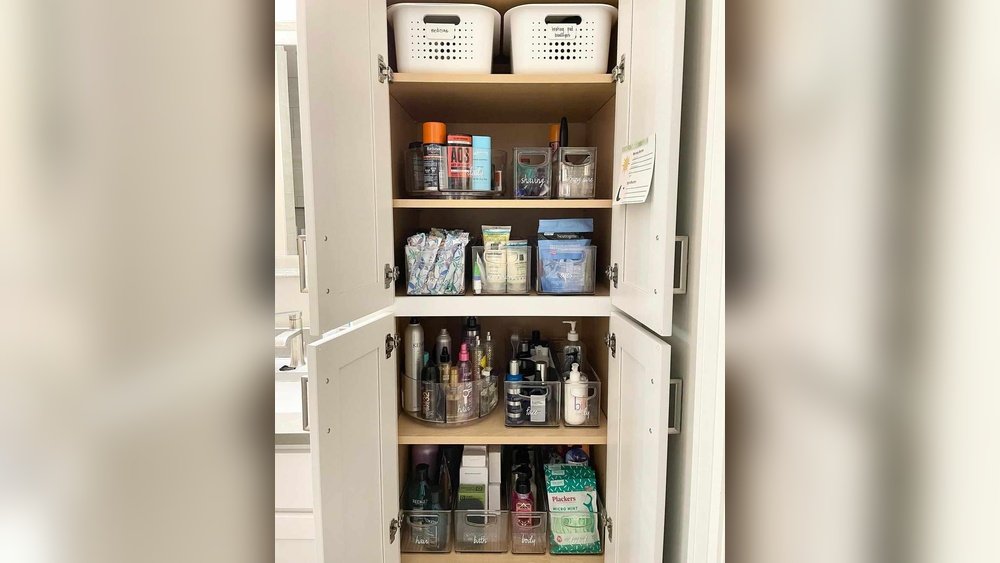
- Baskets and Bins: Perfect for grouping similar items together. You can slide them into cabinets or keep them on shelves.
- Over-the-Door Organizers: Useful for small bathrooms. Hang on the back of the door for items like hair tools or spare soaps.
- Shower Caddies: Prevent bottles from piling up on the edge of the tub.
- Magnetic Strips: Attach to the inside of a cabinet for small metal items like tweezers or nail clippers.
Comparing Popular Bathroom Storage Solutions
Here’s a look at how different storage solutions stack up for common bathroom needs:
| Storage Solution | Best For | Pros | Cons |
|---|---|---|---|
| Drawer Dividers | Makeup, brushes, tools | Keeps items separated, easy access | Takes up drawer space, not for large items |
| Wall Shelves | Bottles, decor, towels | Uses vertical space, easy to install | Needs wall space, can look cluttered if overfilled |
| Baskets/Bins | Grouped products | Portable, easy to clean | Must fit shelf/cabinet, can hide clutter |
| Shower Caddy | Shampoo, soap, razors | Prevents buildup around tub, drains water | Some need installation, can rust over time |
| Over-the-Door Organizer | Hair tools, spare items | Maximizes unused space, easy to move | May not fit all doors, visible if door is open |
It’s best to mix and match these options based on your space and what you use most often.
Organizing Your Toiletries Step By Step
Now that you have the right tools, it’s time to set up your bathroom for daily success. This process is not just about putting things away; it’s about making sure everything is easy to find and put back.
1. Assign A Home For Each Category
Every item should have a clear place. For example, keep all dental care together in one bin. Store hair products on a single shelf or in a caddy. This “zoning” reduces confusion and helps everyone in your household know where things go.
2. Place Frequently Used Items Within Easy Reach
Items you use daily — like your toothbrush, toothpaste, and face wash — should be closest to the sink or in the top drawer. Less-used items can go higher up, lower down, or further back.
3. Use Labels For Clarity
Especially in shared bathrooms, labels can save time and prevent mix-ups. Use simple stickers or waterproof labels on bins and shelves.
4. Maximize Under-sink Storage
Many people waste the space under the sink. Try stacking bins, adding a small shelf, or using pull-out drawers. Store bulkier items like toilet paper, extra soap, or cleaning sprays here.
5. Organize The Shower Area
A corner shower caddy or hanging organizer is perfect for keeping shampoo, conditioner, and body wash off the floor. Use hooks for loofahs and razors. If you share a bathroom, consider giving each person their own shower basket.
6. Keep Counters Clear
Only leave out items you use every single day. Everything else should be stored away. A small tray can help group daily items neatly.
7. Use Small Containers For Tiny Items
Cotton swabs, hair ties, and bobby pins can easily get lost. Store them in clear jars or sectioned boxes.
8. Separate Kids’ And Adults’ Items
If you have children, keep their bath toys and gentle shampoos in a lower basket they can reach. This helps them learn to tidy up and prevents accidents.
9. Store Backup And Bulk Items Out Of The Way
Store extra supplies like unopened toothpaste or spare razors in a higher cabinet or in another room if space is tight.
10. Review And Adjust Regularly
Your needs change over time. Take a few minutes each month to remove empty bottles, reorganize, and make sure everything is still working for you.
:max_bytes(150000):strip_icc()/277215173_5263654970353201_6870035683876288802_n-ed534d5acadd4a979945050099100cb0.jpg)
Credit: www.thespruce.com
Smart Strategies For Small Bathrooms
Small bathrooms often feel impossible to organize, but with some creativity, you can fit more than you think.
Go Vertical
Install shelves above the toilet, next to the mirror, or even above the door. Use stackable bins under the sink.
Use The Back Of The Door
Over-the-door hooks or pockets can hold towels, hair tools, or even extra supplies like tissues.
Choose Multi-function Items
Look for organizers that do double duty — like a mirror with a shelf, or a shower caddy that hooks over the door and holds both bottles and razors.
Use Slim Organizers
Narrow rolling carts or skinny baskets fit into tight spaces, like between the toilet and the sink.
Keep Only What You Need
With limited space, it’s even more important to keep only current, useful items. Store extras elsewhere or buy in smaller quantities.
Organizing Shared Bathrooms
Sharing a bathroom can lead to clutter and confusion. But with a few ground rules and the right setup, it can work smoothly.
Assign Personal Storage Spaces
Give each person their own basket, shelf, or drawer. Color-code or label items so there’s no mix-up.
Agree On Counter Space Rules
Limit what can be left on the counter. For example, only daily essentials, with everything else stored away.
Establish A Cleaning Routine
Agree to clear out old products regularly — perhaps once a month. This keeps things fresh and avoids arguments.
Use A Shared Schedule For Cleaning
If several people use the bathroom, a simple cleaning chart can help everyone do their part.
How To Organize Toiletries For Travel
Packing toiletries for travel is another common challenge. A messy bag can leak, spill, or even break items. A little planning makes all the difference.
- Use a dedicated toiletry bag: Look for one with compartments and waterproof lining.
- Choose travel-size containers: Fill small bottles with shampoo, conditioner, and lotion. This saves space and follows airline rules.
- Group items by use: Put all dental care together, all skincare together, etc. This makes things easier to find.
- Pack only what you need: Don’t bring full-size bottles or every product you own.
- Prevent leaks: Place bottles in zip bags or wrap lids with tape for extra security.
Traveling often? Keep a pre-packed bag ready to save time before each trip.
Maintaining An Organized Bathroom
Organizing your bathroom is not a one-time task. Keeping it tidy is about building good habits.
Daily Habits
- Put items back in their place after use.
- Wipe down counters and shelves regularly.
- Throw away empty or used-up products immediately.
Weekly Habits
- Do a quick check for items that are out of place.
- Wipe mirrors, clean the sink, and tidy shelves.
Monthly Habits
- Go through cabinets and drawers for expired or unused items.
- Refill supplies if needed.
Over time, these small habits keep your bathroom organized with little effort.

Credit: www.roomsneedlove.com
Examples Of Organized Bathroom Setups
Seeing real examples can help you imagine what works best for your home. Here are three different setups for common bathroom types:
1. Family Bathroom
- Each family member has a labeled basket under the sink.
- Wall shelves above the toilet hold extra towels and tissue.
- A shower caddy keeps everyone’s shampoo and soap separated by shelf.
- Kids’ bath toys are stored in a mesh bag with suction cups.
2. Small Apartment Bathroom
- Over-the-door organizer holds hair dryer, straightener, and brushes.
- A narrow rolling cart fits between the toilet and sink for extra storage.
- Only daily essentials are kept on the counter in a small tray.
- Cleaning products are stored in a basket under the sink.
3. Guest Bathroom
- Spare toiletries like mini toothpaste, soap, and shampoo are placed in a small basket on the counter.
- Hand towels are rolled and stored on an open shelf.
- A simple drawer divider keeps extra toothbrushes, razors, and combs organized.
Common Mistakes To Avoid
Even with the best intentions, some mistakes can make organizing harder. Here are pitfalls to watch out for:
- Storing too much: Keeping every sample, old bottle, or rarely used product fills up space quickly.
- Ignoring expiration dates: Old products can be unsafe and take up room.
- Buying organizers before decluttering: You might end up with the wrong size or type.
- Not maintaining the system: Organization is a habit, not a one-time event.
- Forgetting about humidity: Some items, like medicines or certain makeup, don’t last long in a damp bathroom. Store these elsewhere if possible.

Credit: cleanmama.com
Advanced Tips For Next-level Organization
Once you have the basics down, try these ideas for an even more organized bathroom.
- Use clear containers: See what you have without digging through baskets.
- Try lazy Susans: A spinning tray can make items in the back of a cabinet easier to reach.
- Hang baskets: Attach small baskets to the inside of cabinet doors for more space.
- Add lighting: Stick-on LED lights inside cabinets or drawers help you find things quickly, especially in dim bathrooms.
- Store vertically: Stackable bins or tiered shelves can double your storage without taking up more floor space.
Here’s a quick comparison of how much space different storage options can save:
| Storage Type | Average Items Stored | Space Saved (approx.) | Ideal For |
|---|---|---|---|
| Shelf Organizer | 15-20 | 30% | Cabinet, wall |
| Drawer Divider | 10-12 | 25% | Drawer |
| Over-the-Door Rack | 8-10 | 20% | Small bathrooms |
| Stackable Bins | 12-16 | 35% | Under sink |
A little creativity can go a long way — and sometimes, the perfect solution is one you make yourself.
Eco-friendly And Budget-friendly Organization
You don’t have to spend a fortune to organize your bathroom. In fact, some of the best solutions are low-cost or even free.
- Repurpose containers: Glass jars, empty candle holders, or even sturdy food containers can hold cotton balls, makeup sponges, or bath salts.
- DIY labels: Use masking tape and a marker for instant, easy-to-change labels.
- Upcycle: Old mugs, teacups, or baskets can become unique organizers.
- Shop secondhand: Thrift stores often have baskets, bins, and trays for a fraction of the price.
Plus, reusing items is better for the environment, reducing plastic waste and supporting a more sustainable home.
According to the Environmental Protection Agency, reusing containers can reduce household waste by up to 15% per year (EPA).
Frequently Asked Questions
How Often Should I Declutter My Bathroom Toiletries?
It’s best to declutter every three to six months. This keeps expired and unused products from piling up and helps you spot what you actually need.
What’s The Best Way To Organize Toiletries In A Very Small Bathroom?
Maximize vertical space with shelves and over-the-door organizers. Use stackable bins under the sink and keep only daily essentials in the bathroom. Store extras elsewhere if possible.
Should I Keep All My Toiletries In The Bathroom?
Not always. Items sensitive to heat and humidity, such as certain medications and some cosmetics, should be stored outside the bathroom if possible.
How Can I Organize Toiletries For A Shared Bathroom?
Assign each person their own bin, basket, or shelf. Use labels to prevent mix-ups and agree on what can be left on counters. Regularly review and tidy shared spaces together.
Is It Better To Buy Matching Containers For Storage?
Matching containers can look tidy, but it’s more important that they fit your space and needs. Mix and match if it works better for you — function should come before appearance.
Creating an organized bathroom is an ongoing process, but the rewards are clear: faster mornings, less stress, and a space that feels calm and inviting. With a plan, the right tools, and a little effort, anyone can enjoy a well-organized bathroom — no matter the size or style.