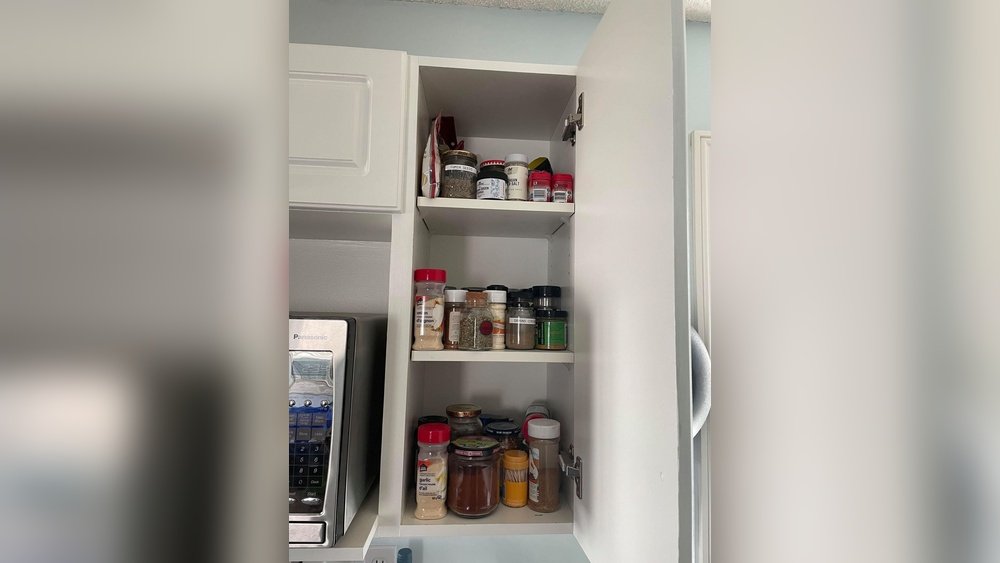
Keeping a small kitchen organized can feel like a puzzle—especially when it comes to your spice cabinet. Spices add flavor to every meal, but their containers often take up more space than you expect. If you’ve ever found yourself digging through a jumble of jars for cumin or paprika, you know how frustrating an unorganized spice cabinet can be.
Thankfully, with some smart strategies, you can transform even the tiniest space into an efficient, easy-to-use spice haven.
Learning how to organize a spice cabinet in a small kitchen is about making the most of your space, choosing the right storage solutions, and setting up a system that saves time. This guide will walk you through every step, from decluttering old spices to choosing containers and arranging them for maximum convenience.
Along the way, you’ll discover tips that most beginners miss—like how to keep track of expiration dates and how to avoid wasting money on the wrong organizers.
Why Good Spice Organization Matters
A tidy spice cabinet does more than look nice. Efficient organization means you spend less time searching and more time cooking. It reduces food waste, because you use what you have before it expires. In a small kitchen, every inch counts. Finding the right system can even help you save money, since you’ll avoid buying duplicates or letting spices go bad unnoticed.
Step 1: Declutter And Take Inventory
Start by taking every spice out of your cabinet. Lay them all out on a table or counter. Check each one for freshness. Most ground spices last about 2-3 years, while whole spices can last up to 4 years. To test, open the jar and smell—if the scent is weak, it’s time to toss it.
Next, group your spices. You might sort them by:
- Cuisine (Italian, Indian, Mexican)
- Type (herbs, ground spices, whole spices)
- Frequency of use (daily, weekly, rarely used)
This step makes it easier to organize later and helps you see what you actually use.
Non-obvious tip: Keep a notepad handy. As you check your spices, make a list of what needs replacing. This way, you don’t forget to restock essentials like salt, pepper, or chili powder.
:max_bytes(150000):strip_icc()/ScreenShot2022-06-28at7.45.54PM-daf538e95fe84f9489f69725302542f7.png)
Credit: magroadvogados.com
Step 2: Choose The Right Storage Solutions
Not all spice containers are equal. In a small kitchen, picking the right storage can make a big difference. Here’s a quick comparison of common storage options:
| Type | Pros | Cons |
|---|---|---|
| Original packaging | Cheap, no transfer needed | Different sizes, messy appearance, hard to stack |
| Uniform glass jars | Look neat, stackable, reusable | Initial cost, need to transfer contents |
| Magnetic tins | Save space on fridge/metal board, easy access | Not airtight, can spill if dropped |
| Drawer inserts | Easy to view, keeps counter clear | Requires empty drawer, not always possible in small kitchens |
| Tiered racks | Maximize vertical space, all labels visible | May not fit deep cabinets |
| Pull-out organizers | Great for narrow spaces, easy access | Can be pricey, installation needed |
Pro insight: For most small kitchens, a combination of tiered racks and uniform jars works best. If you have no counter or cabinet space, magnetic tins on the side of your fridge can be a life-saver.
Step 3: Optimize Cabinet Placement
Where you place your spices matters as much as how you store them. Spices should be close to your cooking area, but not directly above the stove—heat and humidity can shorten their shelf life.
Consider these placement ideas:
- Inside cabinet doors: Use adhesive racks or hanging shelves.
- Lazy Susans: Spin to access every jar, perfect for deep cabinets.
- Stackable bins: Use for overflow or bulk purchases.
If your kitchen is extremely small, even a small vertical wall rack or a hanging organizer can free up precious counter space.
Non-obvious tip: If you only use a few spices daily, keep those in a mini rack on the counter, and store the rest elsewhere. This keeps your main workspace clear.
Step 4: Select And Label Containers
Uniform containers make your cabinet look tidy and help save space. Glass jars are popular because they’re reusable and don’t absorb odors. If you buy in bulk or refill from packets, jars with wide mouths make pouring easier.
When labeling, use large, clear labels—ideally on both the lid and the side. This way, you can identify the spice whether jars are standing or lying down. Include the name and the date you bought/refilled it.
Why Labeling Matters
Mislabeling leads to mistakes in cooking and can even be dangerous if you have allergies. Good labels also help you track expiration dates without guessing.
Expert tip: Use waterproof labels or a label maker. Handwritten stickers can fade quickly, especially if the cabinet is near heat or moisture.
Step 5: Arrange For Easy Access
Now it’s time to put everything back in your cabinet. The order you choose can make a big difference in daily use. Try one of these systems:
- By frequency: Place the spices you use most often at the front or in the most accessible spot.
- Alphabetically: Makes finding any spice quick, especially if you have many.
- By cuisine: Group Italian herbs together, Indian spices in another area, etc.
For most small kitchens, organizing by frequency is the most practical. You can always add small dividers or trays to keep groups separated.
Here’s a sample layout for a small cabinet using a tiered rack:
| Tier | Spice Examples | Why |
|---|---|---|
| Front (bottom) | Salt, pepper, garlic powder, chili flakes | Used daily, easiest to grab |
| Middle | Basil, oregano, cumin, paprika | Used weekly, still easy to access |
| Back (top) | Cloves, nutmeg, coriander, allspice | Rarely used, but visible |
Pro tip: Don’t overcrowd each row. If you can’t see the label without moving jars, it’s too packed.
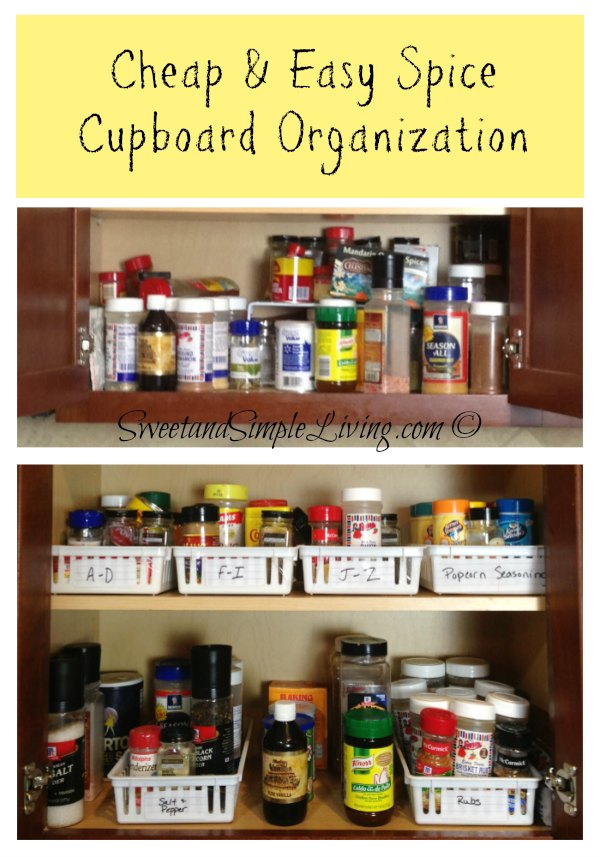
Credit: pbclegal.it
Step 6: Maintain And Update Regularly
An organized cabinet only stays organized with regular upkeep. Every three to six months, check for:
- Expired spices (smell and look for color changes)
- Low supplies (add to your shopping list)
- Spills or sticky residue (wipe down jars and shelves)
It helps to keep a running note on your phone or a small list inside the cabinet door for spices to buy soon.
Pro insight: Even the best system will fail if you don’t return jars to their proper place after use. Make it a habit to always put spices back in their labeled spot.
Creative Space-saving Ideas
Small kitchens need a bit of creativity. Try these extra tricks:
- Use risers: Small shelf risers double your shelf space.
- Hooks under shelves: Hang small spice baskets or bags.
- Inside-drawer organizers: If you have a shallow drawer, lay jars flat with labels up.
- Portable spice caddy: Store your most-used spices in a small basket you can grab and move.
You don’t need to buy expensive organizers. Even simple DIY solutions, like recycled glass jars and homemade labels, can work wonders.
Mistakes To Avoid
Many people make the same errors when organizing spices in a small kitchen:
- Ignoring expiration dates: Old spices lose flavor and can even spoil.
- Mixing original and uniform containers: This leads to wasted space and visual clutter.
- Storing above the stove: Heat and steam break down spices quickly.
- Overbuying: Buying more than you can store leads to chaos and waste.
- Not measuring cabinet space first: Buy organizers that actually fit your cabinet.
Taking a few extra minutes to plan can save you hours of frustration later.
Frequently Asked Questions
How Do I Keep Spices Fresh For Longer?
Store spices in airtight containers away from heat, light, and moisture. Glass jars with tight lids work best. Never keep spices above your stove or near a dishwasher, as steam shortens their lifespan.
Can I Store Spices In The Fridge Or Freezer?
Most spices are best kept at room temperature. Only refrigerate spices like paprika or chili powder if your kitchen is very hot and humid. Whole spices (like nutmeg or cinnamon sticks) can be frozen, but ground spices usually don’t need it.
How Many Spices Should I Keep In A Small Kitchen?
Stick to your most-used spices—usually 10-15 is enough for most home cooks. Focus on versatile options like salt, pepper, garlic powder, cumin, and paprika. Store rarely used spices separately or buy in small amounts.
What Is The Best Way To Label Spice Jars?
Use large, clear labels with the spice name and the date you bought or refilled it. Waterproof or printed labels last longer than handwritten ones. Label both the lid and the side for easy identification.
Are There Any Recommended Resources For More Kitchen Organization Tips?
Yes! The Good Housekeeping Small Kitchen Organization Guide offers expert advice, product reviews, and creative ideas for maximizing space.
Keeping your spice cabinet organized in a small kitchen might take a bit of effort at first, but the results are worth it. With the right system, you’ll cook more confidently, waste less, and enjoy your time in the kitchen.
Start small, stay consistent, and enjoy the flavor boost in every meal.

Credit: homemadelovely.com