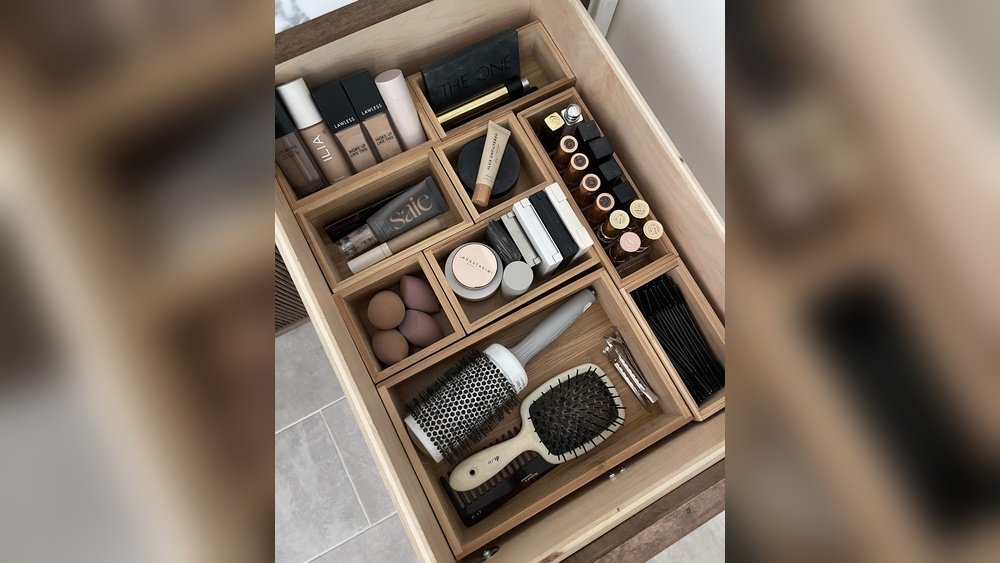
Most people spend more time in the bathroom than they realize. Whether you’re getting ready in the morning or winding down at night, a well-organized bathroom can save time, reduce stress, and make daily routines smoother. But bathroom drawers often become cluttered, making it hard to find what you need.
Items pile up, products get lost, and before you know it, you’re digging through chaos every day. Organizing bathroom drawers is not just about neatness; it’s about creating a practical, easy-to-use system that fits your lifestyle.
If you’ve ever wondered why your drawers get messy so quickly, you’re not alone. Most people struggle because they don’t have the right setup or habits. The good news? With a few smart strategies and a bit of effort, anyone can transform their bathroom drawers into efficient storage spaces.
Let’s dive into step-by-step methods, clever ideas, and solutions you probably haven’t tried yet.
Understand Your Bathroom Drawer Space
Before you start organizing, it’s important to know what you’re working with. Every bathroom is different, and so are its drawers. Some are deep and wide, while others are shallow or narrow. Take a few minutes to open each drawer and examine:
- Dimensions (length, width, depth)
- Current contents
- Frequency of use for each item
Taking measurements helps you choose the right organizers later. For example, deep drawers can store larger bottles upright, while shallow drawers are better for makeup or small tools. Notice which drawers you access most often. These should hold your daily essentials.
Empty And Sort Everything
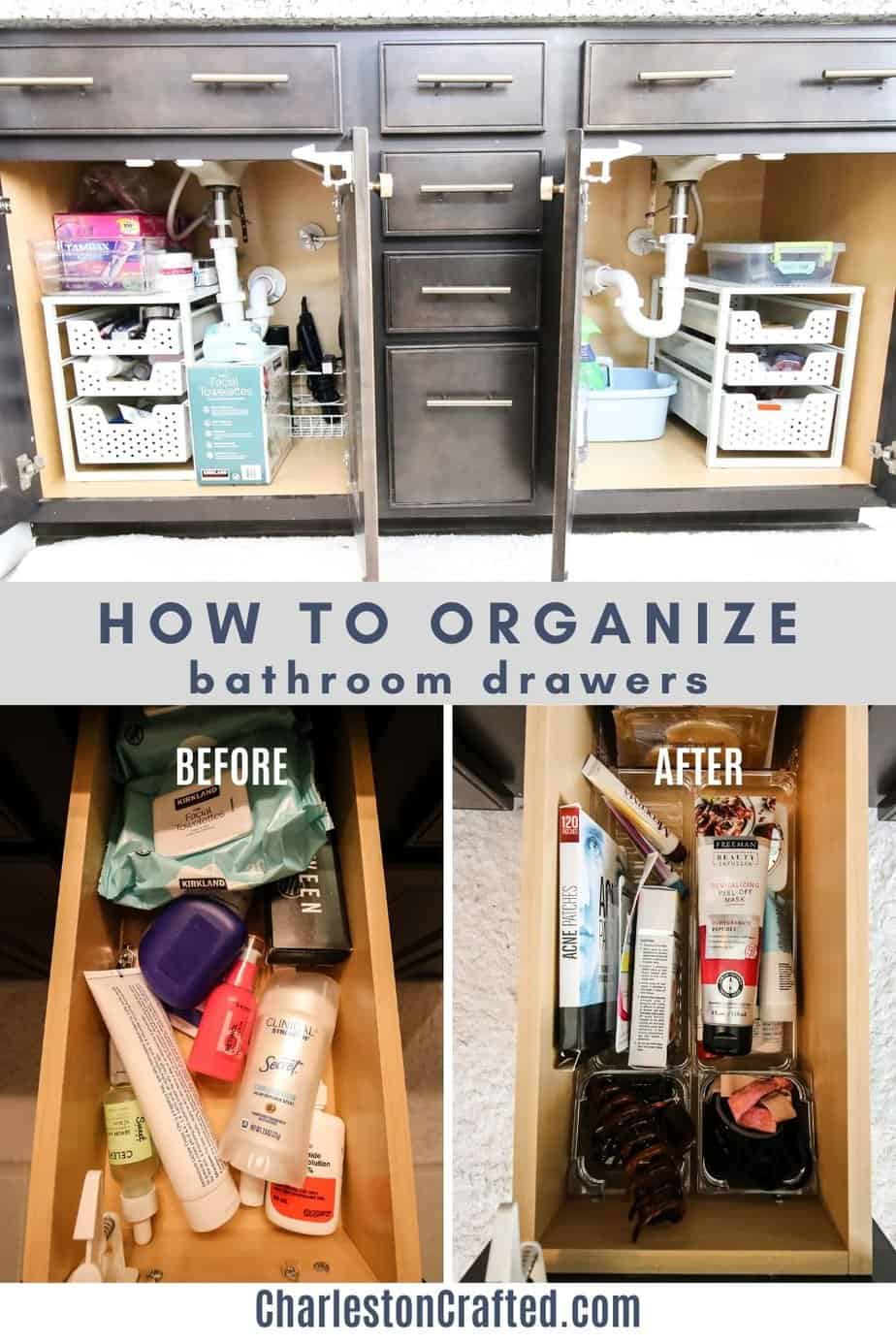
Take everything out of your drawers. It may look overwhelming, but this step is necessary. Place all items on a towel or tray so you can see them clearly. Sorting is the secret to understanding what you have and what you really use.
Start by grouping similar items together. For example:
- Toothbrushes and toothpaste
- Skin care products
- Hair accessories
- Makeup
- Medicine and first aid
- Shaving supplies
As you sort, throw away expired products, broken items, and anything you haven’t used in the last six months. Most people keep far more than they need, which is a big reason drawers get crowded.
Pro Tip: Many beginners forget to check expiration dates on items like makeup and medicine. These can be harmful if used past their prime.
Clean And Prepare The Drawers
Before putting anything back, take a few minutes to clean your drawers. Wipe away dust, spills, and old residue. Consider adding drawer liners for easy cleaning in the future. Liners also protect the drawer bottom from leaks and scratches.
If your drawers stick or are hard to open, use a little wax or a silicone spray on the tracks. This makes them glide smoothly and prevents frustration later.
Plan Your Drawer Organization
Think about how you use your bathroom. The best way to organize drawers is by function and frequency.
- Store everyday items (like toothbrushes or face wash) in the top drawer or the one closest to the sink.
- Less-used items (such as backup razors or extra floss) can go in lower drawers.
It helps to assign each drawer a category. For example:
- Top Drawer: Daily essentials
- Middle Drawer: Beauty and skin care products
- Bottom Drawer: Hair tools and accessories
Of course, adjust based on your own habits and what fits best.
Choose The Right Organizers
Drawer organizers are essential for keeping everything in its place. There are many types to consider, depending on your drawer size and items.
Common Organizer Types
- Plastic or acrylic trays: Easy to clean, come in many sizes.
- Expandable dividers: Fit different drawer widths.
- Small bins or baskets: Great for grouping small items.
- Custom inserts: Made to fit your exact drawer.
Here’s a quick comparison of popular organizer materials:
| Material | Pros | Cons |
|---|---|---|
| Plastic | Affordable, easy to clean | May crack over time |
| Acrylic | Clear, modern look | Shows scratches easily |
| Bamboo/Wood | Eco-friendly, sturdy | Can warp if wet |
Non-obvious insight: Mix and match organizer types for best results. Don’t try to fit everything into one style. For example, use a tray for makeup but a bin for hair ties.
Arrange Items By Category And Frequency
Place organizers in your drawers and start putting items back by group. Always keep the most-used items at the front or in the easiest-to-reach sections. Less-used or backup products can go at the back.
Here’s an example setup for a three-drawer vanity:
| Drawer | Category | Example Items |
|---|---|---|
| Top | Daily Essentials | Toothbrush, toothpaste, face wash, deodorant |
| Middle | Skin Care & Makeup | Moisturizer, foundation, lipstick, cotton pads |
| Bottom | Hair & Tools | Brush, hair dryer, hair ties, straightener |
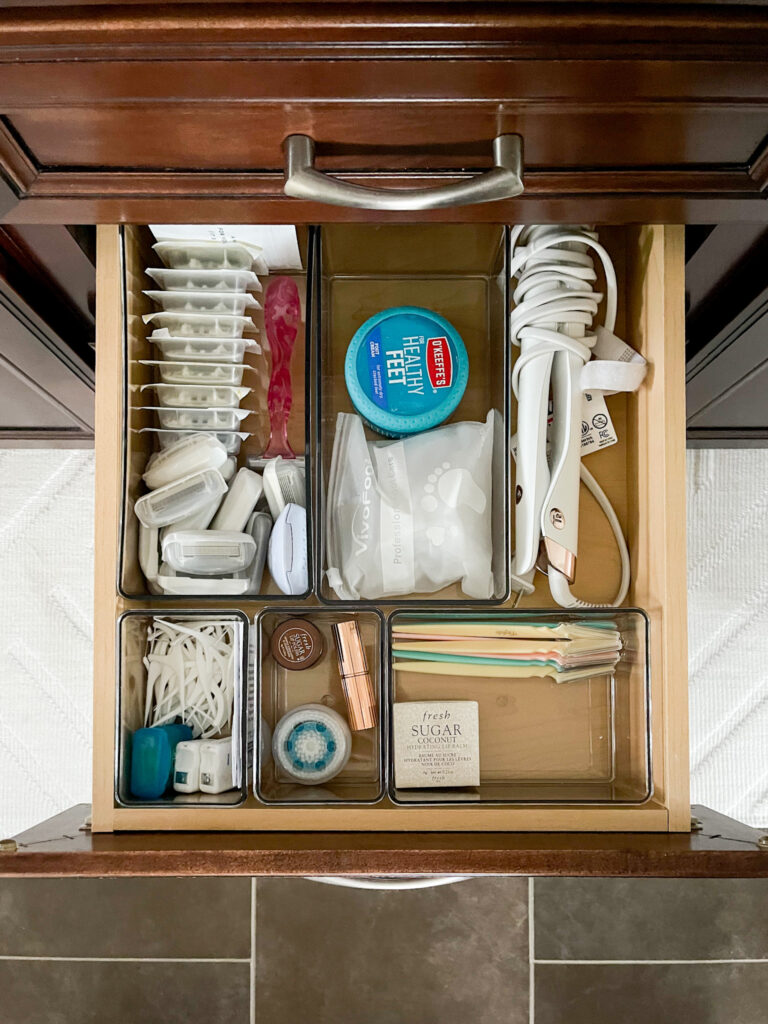
Pro Tip: Use small containers within organizers to hold tiny items like bobby pins or tweezers. This prevents them from getting lost or rolling around.
Make Use Of Drawer Depth And Shape
Not all drawers are the same height or depth. Deep drawers are perfect for upright bottles, while shallow ones work for flat items. If you have tall drawers, consider adding stackable bins to double your storage without stacking things on top of each other.
Non-obvious insight: If you have narrow or oddly shaped drawers, look for spice rack organizers or office supply trays. These often fit better than standard bathroom products.
Use Vertical Space And Stack When Possible
Sometimes, drawers have more height than you realize. Use stackable trays or containers to create layers. For example, a two-level organizer can hold brushes on the bottom and smaller items on top.
But don’t stack items directly on top of each other without a divider—this quickly leads to mess. Only stack if you have a way to separate layers.

Credit: smallstuffcounts.com
Label For Easy Maintenance
Labels are not just for other people. Even if you live alone, labeling sections or bins helps you remember where things go. Use a label maker, masking tape, or printable labels.
- Label by category (“Makeup,” “Dental,” “First Aid”)
- Or by person if you share the bathroom (“Alex’s Skin Care”)
Labels make it easy to return items to their spot and keep the system working long-term.
Store Extras Somewhere Else
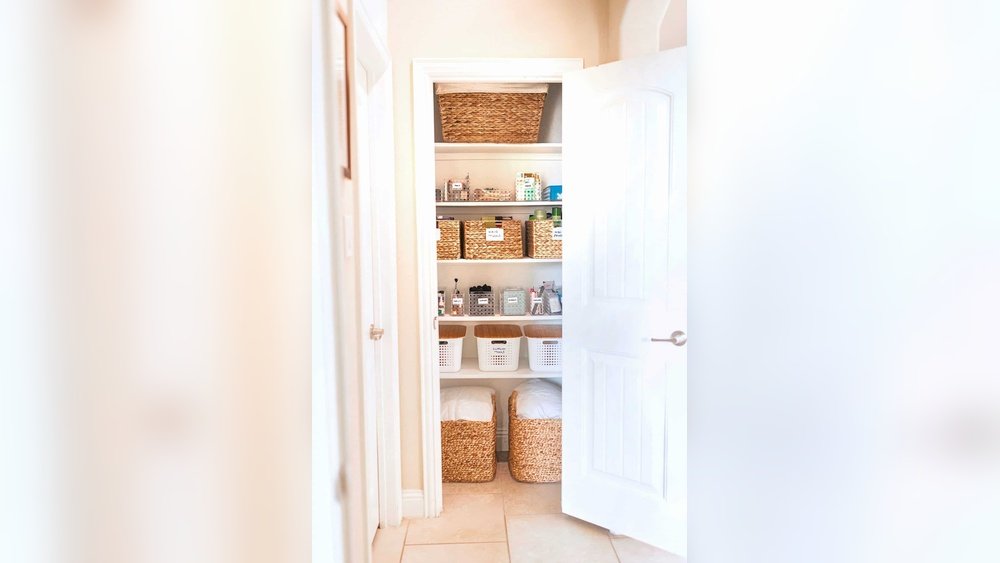
One big mistake is keeping all backup or extra products in the main drawers. If you buy in bulk, store these extras in a cabinet, closet, or under the sink. Only keep one of each item in the drawer. This stops clutter before it starts.
For example, if you have three bottles of shampoo, keep one in the drawer and the others in a storage bin elsewhere.
Manage Cords And Electronic Tools
Hair dryers, straighteners, and electric razors often have long cords that tangle easily. Use cord wraps or small Velcro straps to keep cords neat. Store electric tools upright in a heat-resistant cup or bin if possible, but always let them cool before putting them away.
If you have a power strip in your vanity, make sure it’s safely mounted and not overloaded.
Regularly Refresh And Maintain
Organizing is not a one-time job. Plan to review your drawers every 1-2 months. Toss empty containers, expired items, or products you no longer use. A quick five-minute tidy-up can keep your bathroom organized for months.
Non-obvious insight: Many people only organize after things get messy. Setting a calendar reminder for a quick drawer check helps prevent clutter from returning.
Credit: lifeonvirginiastreet.com
Creative Solutions For Small Bathrooms
If your bathroom is tiny or the drawers are few, you need to get creative. Try these space-saving tricks:
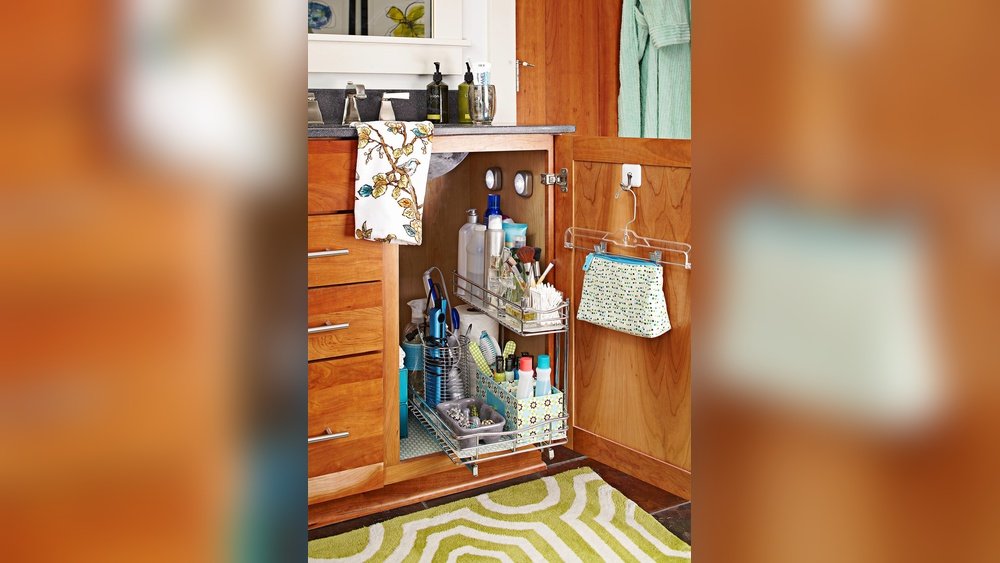
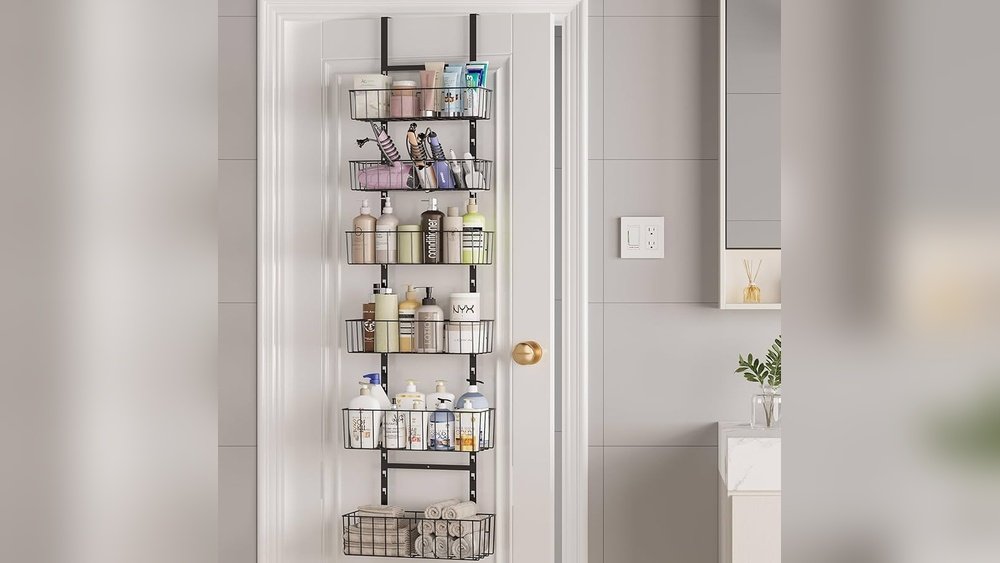
- Use over-the-door organizers for larger items.
- Add magnetic strips inside drawers for tweezers or nail clippers.
- Try stackable mini shelves inside deep drawers.
Sometimes, it’s better to use vertical wall space or the back of a cabinet door for overflow items.
Eco-friendly And Budget Options
You don’t have to spend a lot to organize your drawers. Reuse small boxes (like jewelry or smartphone boxes), empty candle jars, or even ice cube trays for tiny items. This reduces waste and saves money.
If you want to go green, choose bamboo or recycled plastic organizers. These are widely available and last a long time.
For more ideas on sustainable organizing, visit Wirecutter.
Mistakes To Avoid
Even with the best intentions, some common mistakes can ruin your organizing efforts:
- Overfilling drawers: Leave some empty space for new items.
- Ignoring maintenance: A quick check-in keeps things tidy.
- One-size-fits-all organizers: Customize for your own needs.
- Forgetting about humidity: Bathrooms can get damp, so avoid cardboard organizers.
- Storing everything in drawers: Use shelves, cabinets, and wall space too.
Frequently Asked Questions
How Often Should I Reorganize My Bathroom Drawers?
Plan to check your drawers every 1-2 months. This helps you catch clutter early and remove expired or unused items before they pile up.
What Should I Do With Items I Rarely Use?
Store rarely used or seasonal items (like sunscreen or travel kits) in a different place, such as a cabinet or storage bin. Keep only daily and weekly essentials in your bathroom drawers.
How Can I Keep My Drawers From Getting Messy Again?
Labeling, using the right organizers, and regular maintenance are key. Make a habit of putting things back in their spot every day, and do a quick tidy-up regularly.
What’s The Best Way To Organize Makeup In Bathroom Drawers?
Group makeup by type (lips, eyes, face). Use small trays or divided organizers to separate items. Store the products you use most at the front, and check expiration dates often.
Are There Any Products To Avoid In Bathroom Drawers?
Avoid using cardboard or fabric organizers in drawers that get damp, as they can warp or mold. Also, don’t store medications in the bathroom if it gets very humid—keep them in a cool, dry place instead.
A well-organized bathroom drawer system can transform your daily routine. With a bit of planning, the right tools, and regular upkeep, you’ll spend less time searching and more time enjoying your space. Start small, focus on what works for you, and enjoy the calm that comes from a clutter-free bathroom.
Credit: www.charlestoncrafted.com