Choosing the perfect dining room table starts with knowing exactly how to measure your space. If you’ve ever wondered whether your new table will fit comfortably or if there will be enough room for everyone to sit and move around, you’re in the right place.
Measuring for a dining room table isn’t just about the size of the table itself—it’s about how it fits in your room, how much space you need for chairs, and how to create an inviting atmosphere for meals and gatherings.
In this guide, you’ll learn simple, step-by-step methods to measure your dining area accurately, so you can pick the table that feels just right for your home and lifestyle. Let’s make sure your dining room becomes the perfect spot for every meal and memory.

Credit: www.lamonluther.com
Dining Room Space Basics
Measuring your dining room space is the first step to find the perfect table size. Understanding the room’s basic dimensions helps you choose a table that fits well and looks balanced. It also ensures comfort for everyone using the space.
Think about how much space you have and how you want to use the room. This helps avoid a table that feels too big or too small. Let’s start with the essentials of measuring your dining room space.
Measuring Room Length And Width
Use a tape measure to find the length and width of your dining area. Measure from wall to wall at the longest points. Write down these numbers to compare with table sizes.
Double-check your measurements to avoid mistakes. Consider any built-in furniture or obstructions. These reduce the usable space and affect table placement.
Allowing Space Around The Table
Leave enough room around your table for chairs and movement. A minimum of 36 inches around the table works well for most spaces. This gives people room to sit and stand comfortably.
More space is better if your dining room is large. Narrow spaces can make the room feel cramped and uncomfortable.
Considering Traffic Flow
Plan clear paths around the dining table for easy walking. Avoid placing the table where it blocks doorways or hallways. Think about how people will move through the room during meals.
Good traffic flow keeps the space functional and safe. It also makes your dining room feel open and welcoming.
Credit: www.stocktonheritage.com
Table Dimensions And Shapes
Choosing the right dining table starts with understanding table dimensions and shapes. Each shape offers different space use and seating options. Knowing standard sizes helps pick a table that fits your room and lifestyle.
Standard Table Heights
Most dining tables have a height of 28 to 30 inches. This height fits most dining chairs comfortably. Taller or shorter tables can cause discomfort while eating. Measure chair height too to ensure a good fit.
Rectangular Table Sizes
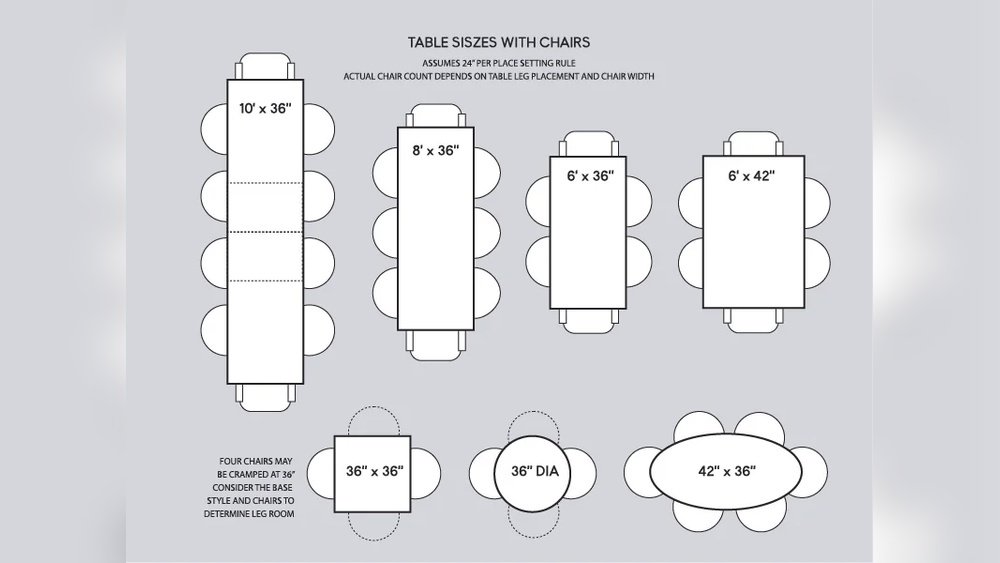
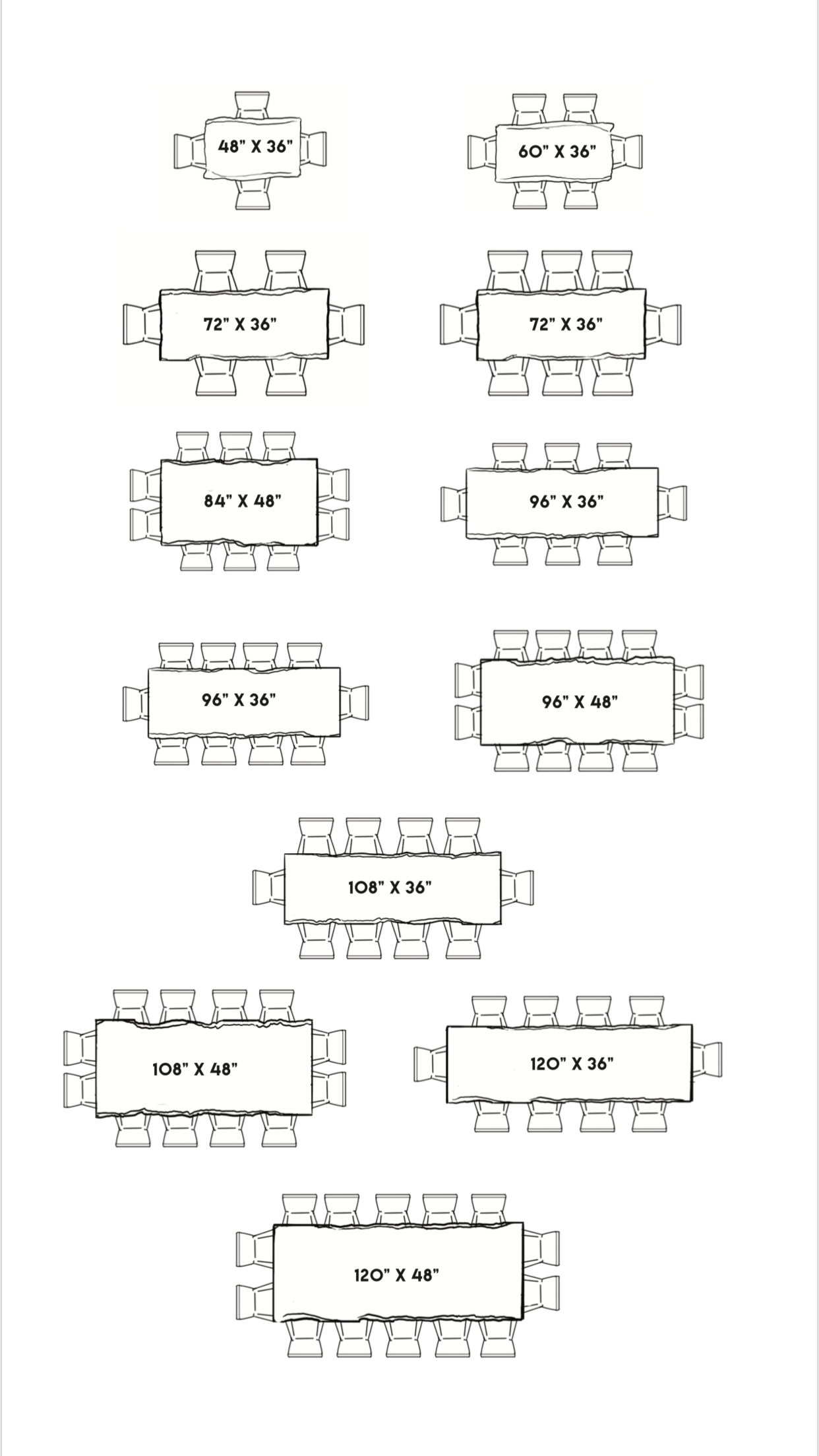
Rectangular tables are common for many dining rooms. Typical lengths range from 48 to 96 inches. Width usually falls between 30 and 42 inches. These tables seat from four up to ten people, depending on size. Leave at least 36 inches of space around the table for walking.
Round And Oval Table Sizes
Round tables suit smaller spaces and encourage conversation. Common diameters are 36, 48, and 60 inches. Oval tables offer similar seating but with a softer shape. Both shapes allow flexible seating from four to eight people. Make sure the diameter fits your room comfortably.
Square Table Sizes
Square tables work well in square or smaller rooms. Sizes often range from 36 to 54 inches per side. They usually seat four people, sometimes six with a larger size. Square tables create a balanced, cozy dining atmosphere. Measure your room carefully to avoid crowding.
Seating Capacity Guide
Knowing the seating capacity is key when choosing a dining table. It helps you select the right size for your space and guests. This guide explains how many seats fit each table size. It also covers the space each person needs to eat comfortably. Finally, it suggests ways to adjust seating for extra guests.
Seats Per Table Size
Small tables usually fit four people. A 36 to 44-inch round table works well for this. Medium tables hold six to eight seats. Rectangular tables around 72 inches long fit this group. Large tables can seat ten or more. These tables often measure 96 inches or longer. Choose your table size based on how many people you want to sit.
Comfortable Spacing Per Person
Each person needs about 24 inches of space at the table. This space gives enough room to eat without bumping elbows. For depth, allow at least 18 inches from the edge to the chair back. This space helps guests sit and stand with ease. Keeping these measurements creates a relaxed dining experience.
Adjusting For Extra Guests
Sometimes you need to fit more people than usual. Use benches to squeeze in extra seats along the table sides. Add a leaf extension to increase table length temporarily. Place folding chairs at the table ends for more seating. Plan ahead by leaving some space around the table for added chairs. This way, you stay ready for unexpected guests.
Choosing Table Size For Your Room
Choosing the right table size for your dining room is key to creating a comfortable space. It affects how people move around and how many guests you can seat. The goal is to find a table that fits well without crowding the room. Proper measurements help balance space and style.
Matching Table To Room Dimensions
Start by measuring your dining room’s length and width. Leave at least 36 inches between the table edge and walls or furniture. This space allows easy movement around the table. A table too large will make the room feel cramped. A small table may look lost in a big room. Match table size closely to your room’s available space.
Balancing Size And Functionality
Think about how many people will use the table daily. A larger table fits more guests but takes more space. Smaller tables work well for fewer diners and tight spaces. Choose a table that fits your seating needs and leaves room to move. Consider extendable tables for flexibility. This balances comfort and function.
Considering Room Shape
The shape of your room affects which table shape fits best. Rectangular rooms suit rectangular tables for a natural flow. Square rooms work well with square or round tables. Round tables fit smaller or oddly shaped rooms. They also encourage easy conversation. Choose a table shape that fits the room’s form and layout.
Measuring Techniques
Measuring techniques are essential when choosing the right dining room table. Accurate measurements help ensure the table fits your space well. They also allow enough room for chairs and walking space. Using simple tools and clear steps can make measuring easier and more precise.
Using Tape Measures Correctly
Use a sturdy tape measure for accurate results. Pull the tape straight to avoid bending. Hold one end firmly at the starting point. Read the measurement at eye level for precision. Write down each measurement immediately to avoid forgetting.
Measuring Table Length And Width
Start by measuring the longest side of the table for length. Place the tape at one end and extend to the other end. Next, measure the shorter side for width. Measure from edge to edge across the table’s top surface. These two numbers help find a table that fits your room.
Measuring For Rug Placement
Measure the dining area where the rug will go. The rug should be large enough for chairs to stay on it. Add at least 24 inches beyond the table on all sides. Measure the room carefully to choose a rug that fits well. This helps keep the space balanced and comfortable.

Credit: www.amishtables.com
Additional Tips
Measuring for a dining room table involves more than just length and width. These additional tips help you choose the best table size and shape. They also ensure comfort and ease of movement in your dining space. Follow these simple guidelines for a better dining setup.
Selecting Table Shape For Space
Choose a table shape that fits your room layout. Rectangular tables work well in narrow rooms. Round tables suit smaller, square spaces. Oval tables offer a softer look and fit varied spaces. Square tables create a cozy feel but need enough room for chairs. Match the table shape to your room’s shape for balance.
Accounting For Chairs And Movement
Leave enough space for chairs and walking around. Allow at least 36 inches between the table edge and walls or furniture. This space lets people sit and move easily. Also, consider the size and style of your chairs. Larger chairs need more clearance. Measure the chair width and add space for comfort.
Using Online Table Size Calculators
Try online table size calculators for quick help. These tools suggest table dimensions based on your room size. Enter your room measurements and seating needs. The calculator shows ideal table length and width. It saves time and reduces guesswork. Use these tools to confirm your measurements before buying.
Frequently Asked Questions
How To Determine Table Size For Dining Room?
Measure your dining room’s length and width. Allow at least 36 inches around the table for chairs and movement. Choose a table size that fits comfortably within this space and suits your seating needs.
How Much Space Should I Leave Around A Dining Table?
Leave at least 36 inches (3 feet) of space around a dining table for comfortable movement and chair access. This allows guests to sit and walk around easily without obstruction.
How Do I Measure A Table Accurately?
Measure the table’s length from end to end and width at the widest point. Use a tape measure on a flat surface. Record dimensions in inches or centimeters for accuracy.
What Size Room Do I Need For A 60 Inch Round Dining Table?
A 60-inch round dining table needs at least a 10×10 foot room. Allow 36 inches around for chairs and movement.
Conclusion
Measuring your dining room table ensures comfort and style. Keep space for chairs and movement. Measure the room’s length and width carefully. Remember to account for walking space around the table. Choose a table size that fits your needs. Proper measurements help avoid overcrowding or empty space.
Take your time to measure twice before buying. This simple step makes dining more enjoyable.