If you’ve ever stared at a blank wall wondering how to hang your favorite picture or install a new shelf without causing damage, you’re not alone. Installing wall fixtures in drywall might seem simple, but doing it the wrong way can lead to frustrating holes, falling items, or even injury.
You want your fixtures to hold strong and stay put, right? In this guide, you’ll learn exactly how to install wall fixtures safely and securely in drywall. From choosing the right anchors to proper installation techniques, you’ll get step-by-step tips that protect your walls and give you peace of mind.
Keep reading to make your next DIY project smooth, safe, and successful.
Types Of Drywall Anchors
Drywall anchors come in several types. Each type fits different needs and wall fixtures. Choosing the right anchor improves safety and holding power. Understanding these types helps you install fixtures with confidence.
Self-drilling Anchors
Self-drilling anchors have threads and screw directly into drywall. They do not need a pilot hole. Use a screwdriver or drill to install them quickly. They are easy to remove and reuse. These anchors work well for light to medium weight items.
Plastic Expansion Anchors
Plastic expansion anchors need a small pilot hole before installation. Tap them gently with a hammer to fit flush with the wall. Then, drive the screw into the anchor to expand it. These anchors hold moderate weight fixtures like shelves and pictures. They are common and affordable for household use.
Hammer-in Anchors
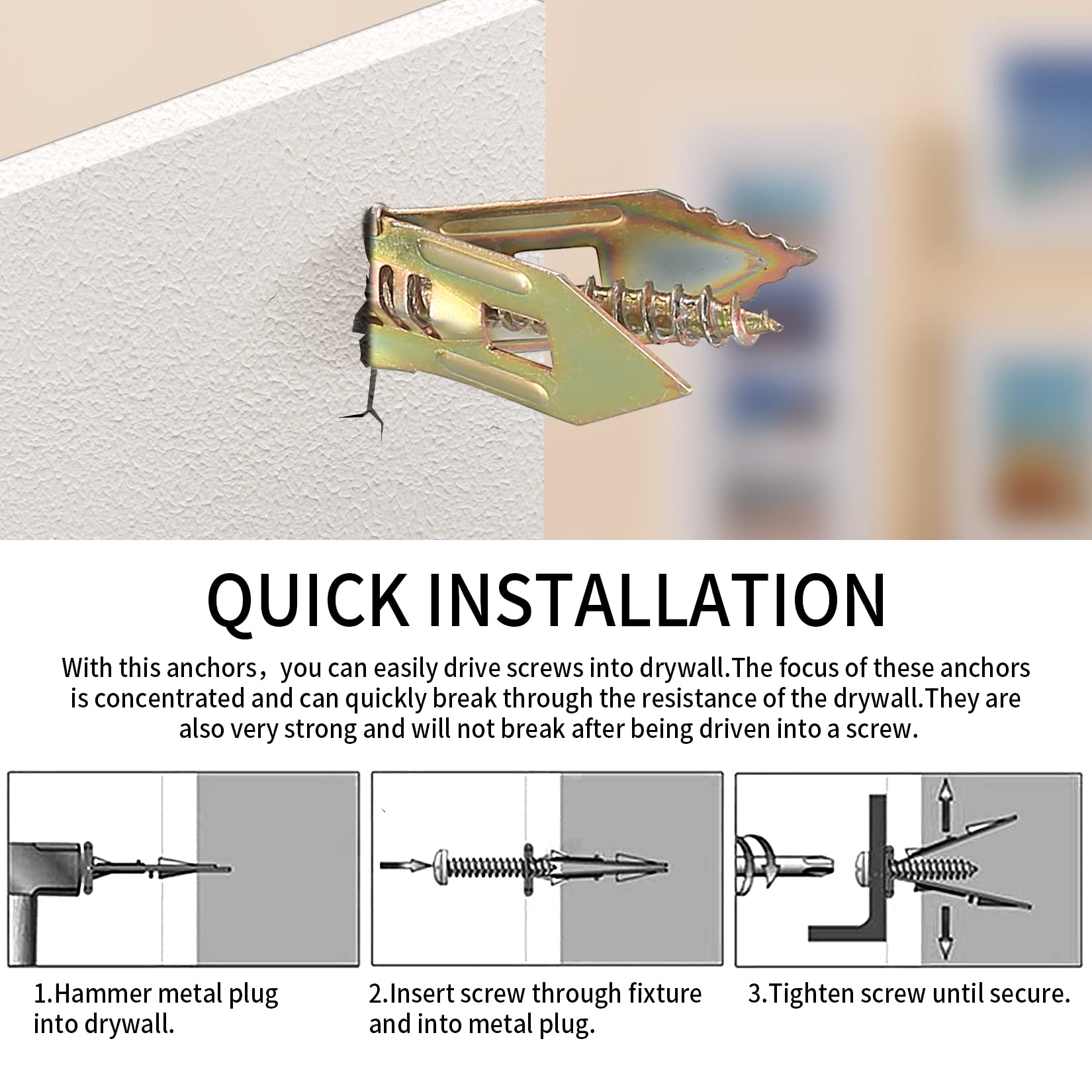
Hammer-in anchors use a nail to expand behind the drywall. Place the anchor through the fixture hole. Hammer the nail to secure the anchor tightly. These anchors provide strong, permanent support. They are harder to remove and best for heavy or permanent fixtures.
Credit: timeofcelebration.org
Choosing The Right Anchor
Choosing the right anchor is crucial for installing wall fixtures safely on drywall. The anchor must support the fixture’s weight and hold firm in the wall. Selecting the wrong anchor can cause damage or make the fixture fall. Consider the fixture’s size, weight, and how long it will stay on the wall. Understanding these factors helps pick the best anchor for your needs.
Weight Capacity
Check the weight capacity of the anchor before buying. Each anchor type holds a specific weight limit. Use anchors rated for slightly more weight than your fixture. Overloading an anchor risks it pulling out or breaking. For heavy items like shelves or mirrors, use heavy-duty anchors or toggle bolts. For light items, plastic or self-drilling anchors work well.
Anchor Strength
Anchor strength depends on its design and material. Metal anchors often hold more weight than plastic ones. Screw-in anchors create a strong grip by cutting threads into the drywall. Expansion anchors spread behind the wall to increase support. Choose anchors tested for drywall use, not just general wall anchors. Strong anchors reduce the chance of wall damage or fixture failure.
Fixture Permanence
Decide if the fixture is temporary or permanent. Removable fixtures benefit from screw-in anchors that are easy to take out. Permanent fixtures need anchors that stay firmly in place. Nail-in anchors expand and lock behind the drywall, making removal harder. Think about whether you want to move or replace the fixture later. This helps choose between reusable or permanent anchors.
Installation Techniques
Installing wall fixtures on drywall requires specific techniques to ensure safety and stability. Each method depends on the type of anchor and the fixture weight. Proper installation prevents damage and keeps items secure. Follow these steps for a safe and strong hold.
Using A Screwdriver Or Drill
Self-drilling anchors have threads and do not need a pilot hole. Use a screwdriver or drill to screw the anchor directly into the drywall. Turn slowly to avoid stripping the drywall. This method is quick and simple. It works well for light to medium-weight fixtures. Removing these anchors later is easy and clean.
Drilling Pilot Holes
Some anchors need a pilot hole before installation. Use a drill bit slightly smaller than the anchor size. Drill straight into the drywall at the marked spot. The hole helps the anchor fit tightly and prevents cracking. After drilling, insert the anchor and tap it flush with the wall. This method suits plastic expansion anchors and heavier fixtures.
Hammering Anchors
Traditional plastic anchors require tapping with a hammer after drilling a pilot hole. Gently tap the anchor until it sits flush with the wall surface. Some modern hammer-in anchors do not need a pilot hole. They use a nail to expand behind the drywall for a firm grip. Hammering anchors is best for permanent fixtures but can be harder to remove.
Credit: alublack.com
Weight Limits On Drywall
Drywall can hold a certain amount of weight, but its limits vary based on support. Knowing these limits helps avoid damage to your walls and fixtures. Overloading drywall causes cracks or falls, risking injury and repairs.
Weight limits depend on whether you install directly into drywall or use special anchors. Different methods offer different strengths. Understanding these options keeps your fixtures secure and your walls intact.
Without Stud Support
Drywall alone holds very little weight. Usually, it supports up to 5 pounds safely without extra help. Heavy items will pull out or break the drywall. Always try to find a stud behind the drywall for better support.
If no stud is available, use light objects only. Picture frames or small shelves fit well without stud support. Avoid hanging heavy mirrors or large shelves directly on drywall.
Using Toggle Bolts
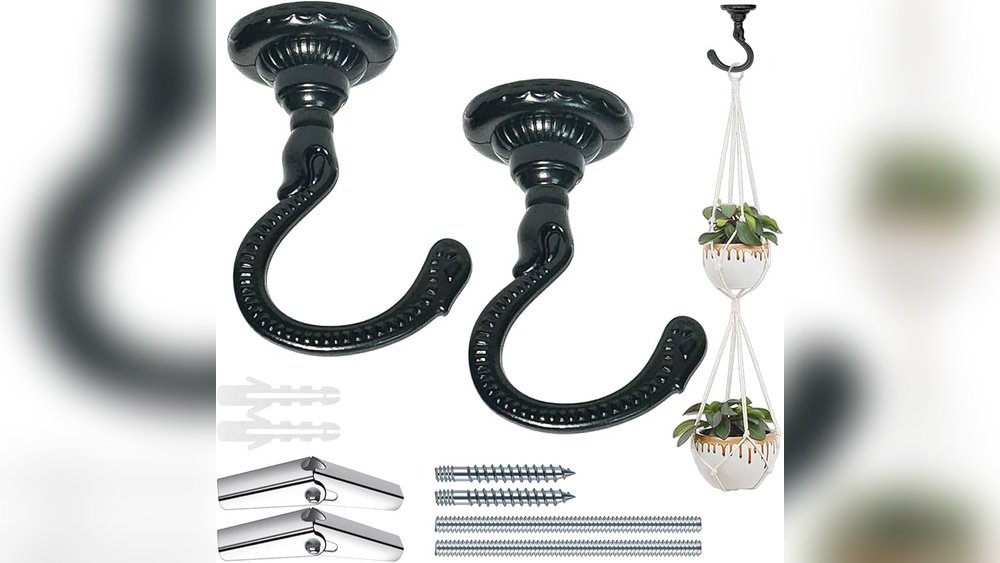
Toggle bolts are strong anchors designed for drywall. They spread weight across a larger area behind the wall. This allows them to hold heavier items, often up to 50 pounds or more.
To install, drill a hole, insert the toggle bolt folded, then tighten it. The toggle opens inside the wall, gripping the back. They work well for heavy shelves, large mirrors, and TV mounts without studs.
Distributing Weight Evenly
Spreading weight helps drywall hold more load safely. Use multiple anchors instead of one. Place them spaced out to share the weight across the wall.
For example, hanging a heavy shelf with three or four anchors is safer than one anchor alone. This reduces stress on any single point of the drywall. Even distribution prevents damage and keeps fixtures secure.
Common Installation Mistakes
Many people make simple mistakes when installing wall fixtures in drywall. These errors can weaken the hold and cause damage. Avoiding common installation mistakes ensures your fixtures stay safe and secure. Understanding these mistakes helps you install with confidence and care.
Over-driving Screws
Driving screws too deep can ruin drywall strength. Over-driving pushes the screw past the anchor, making it loose. This weakens the fixture’s hold and can cause the drywall to crumble. Stop screwing once the fixture is flush with the wall. Use steady pressure and avoid forcing the screw too far.
Oversanding Seams
Sanding drywall seams too much can cause damage. Over-sanding removes too much joint compound, exposing the drywall paper. This weakens the surface and makes it uneven. Sand gently and evenly until smooth. Use fine-grit sandpaper for the best finish without harm.
Improper Joint Alignment
Misaligned joints lead to cracks and poor fixture support. Drywall sheets should be aligned tightly before fastening. Gaps or uneven edges create weak points in the wall. Take time to line up the joints correctly. Secure them firmly with screws or nails to maintain strength.
Credit: www.homedepot.com
Tips For Long-term Security
Ensuring your wall fixtures stay secure over time requires more than just proper installation. Long-term security depends on preventing anchor loosening, managing any wall movement, and routinely checking the fixtures. These tips help keep your drywall fixtures strong and safe for years.
Avoiding Anchor Loosening
Choose the right anchor for the fixture weight. Use screw-in anchors for heavier items. Tighten screws firmly but avoid over-tightening. Over-tightening can damage the drywall and weaken the hold. Use anchors designed to grip drywall tightly. Avoid using worn or damaged anchors. Proper installation helps prevent anchors from loosening over time.
Handling Movement And Vibration
Wall movement and vibrations can cause fixtures to loosen. Install fixtures on studs when possible to reduce movement. Use anchors with vibration-resistant designs for drywall-only installations. Avoid hanging fixtures near doors or windows that cause wall shaking. Minimize heavy impacts on the wall near fixtures. This reduces stress on anchors and screws.
Regular Inspection
Check your wall fixtures regularly for signs of loosening. Look for wobbling, gaps, or screws coming out. Tighten screws if needed, but be careful not to damage drywall. Replace any anchors that show wear or damage. Regular inspections catch problems early. This prevents fixture failure and protects your walls.
Frequently Asked Questions
Are You Supposed To Hammer Or Screw In Drywall Anchors?
Screw self-drilling anchors directly into drywall without pre-drilling. Hammer plastic expansion anchors into a pilot hole before screwing. Use a hammer only for specific nail-in anchors designed to expand behind drywall. Always follow the anchor’s instructions for proper installation and holding strength.
How Much Weight Can You Hang On Drywall?
Drywall alone holds about 5 to 10 pounds without anchors. Use anchors or studs for heavier items up to 50 pounds or more. Toggle bolts provide the strongest support for heavy loads. Always choose anchors rated above your item’s weight for safety.
What Are Two Common Mistakes Made During Drywalling?
Two common drywalling mistakes include overdriving screws, which damages the drywall, and failing to properly tape and mud seams, causing visible cracks.
What Is Ideal For Attaching Fixtures To Hollow Walls?
Ideal fixtures for hollow walls include toggle bolts, molly bolts, and self-drilling drywall anchors. These provide strong, secure support without studs.
Conclusion
Installing wall fixtures in drywall requires care and the right tools. Always pick anchors suitable for your fixture’s weight. Drill pilot holes when needed and follow anchor instructions closely. Use a screwdriver or hammer based on anchor type. Check for studs to add extra support if possible.
Taking these steps helps your fixtures stay secure and your walls undamaged. Stay safe, work patiently, and enjoy your newly hung items.