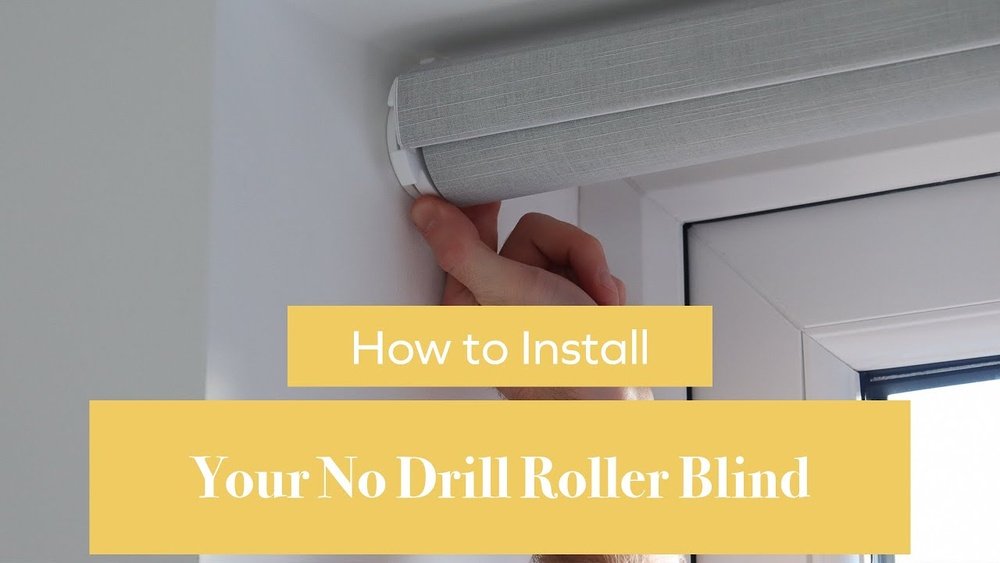
Are you tired of dealing with the hassle and damage that comes with drilling holes to install blinds? You’re not alone.
Whether you’re renting, living in a dorm, or simply want a quick and easy way to update your windows, installing blinds without drilling is the perfect solution. Imagine transforming your space without leaving marks or holes behind—sounds great, right? In this guide, you’ll discover simple, no-drill methods that anyone can do, using tension mounts, adhesive brackets, or clip-on systems.
These options are designed to hold your blinds securely while keeping your walls and window frames intact. Ready to learn how to upgrade your windows effortlessly and damage-free? Keep reading to find the best no-drill installation techniques that fit your needs perfectly.

Credit: www.leclosdesprinces.com
No-drill Installation Methods
Installing blinds without drilling saves time and prevents wall damage. No-drill installation methods suit renters and anyone avoiding holes. These options use pressure, adhesives, or clips to hold blinds securely. They work best for light to medium weight blinds. Choose the right method based on your window type and blind style.
Tension Mounts And Pressure Fit
Tension mounts use a spring-loaded rod inside the window frame. The blinds fit tightly by pressure alone. This method needs no screws or tools. It works well for inside mounts on narrow windows. Installation is quick and leaves no marks. Adjust the tension to keep blinds stable.
Adhesive Brackets
Adhesive brackets stick firmly to clean window frames or walls. They come with strong glue pads made for blinds. No drilling is needed, and removal is usually clean. These brackets hold the blind’s headrail securely. Ideal for light blinds and smooth surfaces. Make sure to press firmly and wait before hanging.
Command Strips And Hooks
Command strips and hooks offer a damage-free hanging solution. They use strong, removable adhesive strips. Attach hooks or strips to the window frame or wall. Hang the blinds on these hooks easily. This method supports moderate weight blinds well. Perfect for renters or temporary setups. Remove strips gently to avoid residue.
Clip-on Brackets
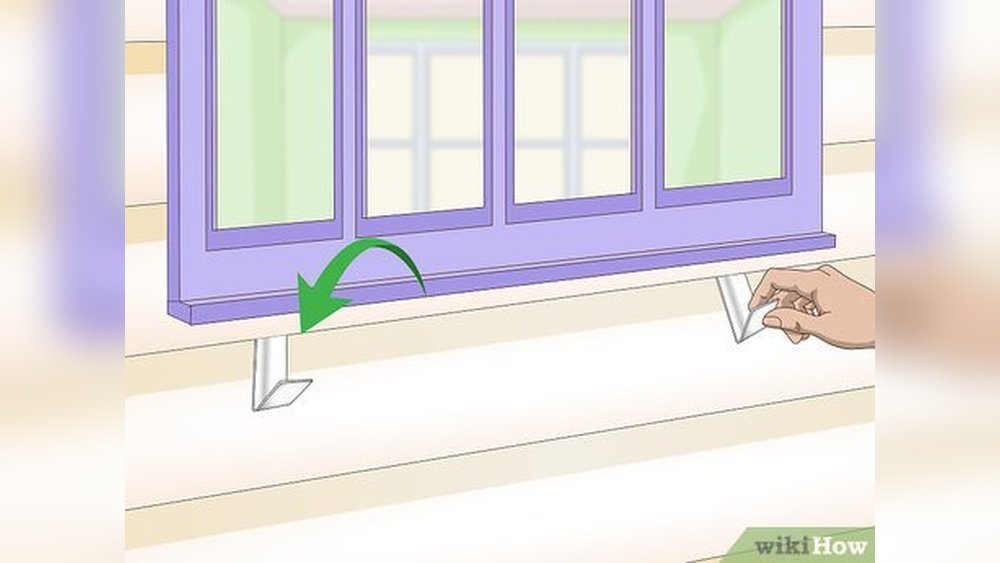
Clip-on brackets snap onto the window frame or blind headrail. They require no drilling or adhesive. These clips hold the blinds firmly in place. Suitable for standard window sizes and lightweight blinds. Installation is simple and tool-free. Clips allow easy removal for cleaning or adjusting.
Best Blinds For No-drill Installation
Choosing the best blinds for no-drill installation makes setup easy and quick. These blinds avoid damage to walls and window frames. They fit well and look neat without screws or holes.
Lightweight Blinds
Lightweight blinds work best for no-drill methods. They place less strain on adhesive or tension mounts. Materials like fabric, thin vinyl, or aluminum are ideal. Heavy blinds may fall or cause damage over time. Lightweight options stay secure and last longer without drilling.
Suitable Window Types
No-drill blinds suit windows with sturdy frames. Inside-mounted windows are perfect for tension-fit blinds. Smooth, flat surfaces help adhesive brackets stick better. Avoid textured or uneven window frames for these blinds. Measuring your window size ensures a tight, secure fit.
Ideal For Renters And Dorms
Renters and dorm residents benefit from no-drill blinds. They protect walls and window frames from damage. Easy removal keeps deposits safe. These blinds are simple to install and uninstall. They offer privacy and light control without permanent changes.
Preparing For Installation
Preparing for installation sets the foundation for a smooth, no-drill blind setup. This step ensures the blinds fit well and stay secure without damage. Proper preparation helps avoid common problems like loose fittings or peeling adhesives.
Focus on cleaning the surface, selecting the right adhesive, and measuring precisely. These tasks improve the blind’s hold and appearance. Let’s explore each part in detail.
Surface Cleaning Tips
Clean the window frame or wall thoroughly before installation. Use a damp cloth to remove dust, dirt, and grease. Avoid oily or sticky residues that weaken adhesive strength. Let the surface dry completely before applying any adhesive. A clean, dry surface helps the adhesive stick better and last longer.
Choosing The Right Adhesive
Select an adhesive designed for your surface type and blind weight. Command strips or special mounting tapes work well for many blinds. Check the package instructions to confirm weight limits. Avoid weak or temporary adhesives, as they may fail over time. For heavier blinds, use industrial-strength adhesive brackets for extra support.
Measuring For A Perfect Fit
Measure the width and height of the window frame carefully. Use a steel tape for accuracy. Write down the measurements and double-check them before buying or cutting blinds. Measure at the top, middle, and bottom for width, and left, center, and right for height. This ensures the blinds fit snugly and look neat. Proper measurements reduce the chance of errors during installation.
Credit: www.fisal.eu
Step-by-step No-drill Installation
Installing blinds without drilling is simple and fast. It protects walls and window frames from damage. This step-by-step guide covers easy no-drill methods. Each method suits different types of blinds and window setups.
Follow these clear instructions for a secure, neat installation. Choose the best method for your blinds and space. Enjoy new window coverings without tools or holes.
Installing Tension Fit Blinds
Measure the inside of your window frame carefully. Choose tension fit blinds that match these measurements. Insert the blind into the frame gently. Adjust the tension rods until the blinds fit snugly. Make sure the blinds stay in place firmly. Test by pulling down or up to check stability. Tension fit blinds need no screws or adhesives.
Applying Adhesive Brackets
Clean the window frame surface with rubbing alcohol. Let the surface dry completely before applying brackets. Peel the backing off each adhesive bracket carefully. Press the bracket firmly against the window frame. Hold it for at least 30 seconds to ensure adhesion. Wait the recommended time before hanging blinds. Avoid placing brackets on textured or dusty surfaces.
Using Command Strips Safely
Choose heavy-duty Command strips made for window treatments. Clean the mounting area with alcohol and dry fully. Attach Command strips to the blind brackets first. Press the strips firmly for 30 seconds. Align the brackets and press them onto the frame or wall. Follow package instructions for weight limits and curing time. Remove strips gently to avoid damage.
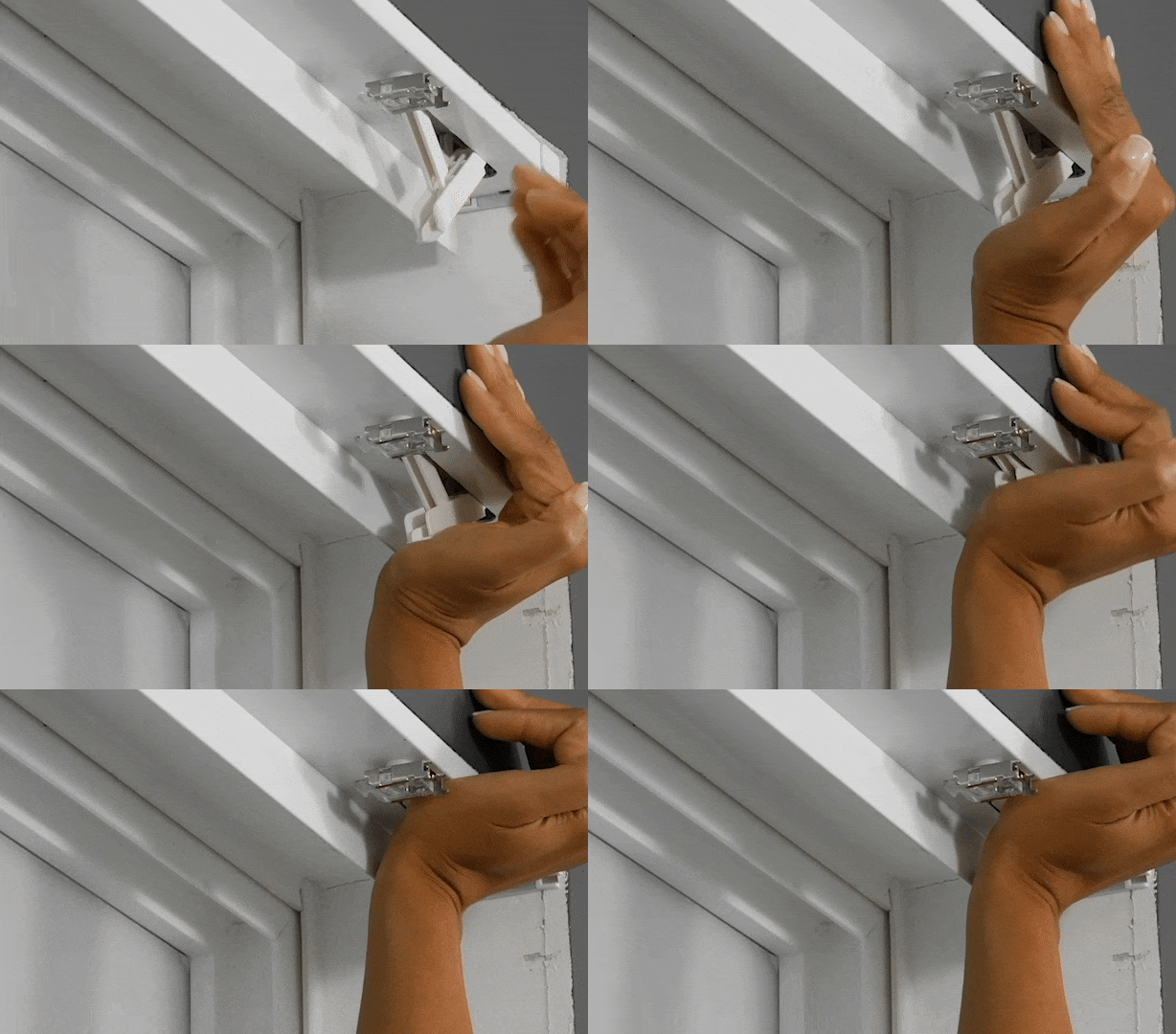
Attaching Clip-on Brackets
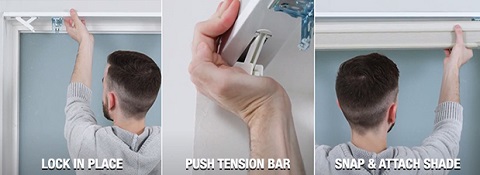
Check that your blinds come with clip-on brackets. Snap the brackets securely onto the headrail of the blinds. Position the clips inside the window frame edges. Push the clips onto the frame until they lock in place. Confirm clips hold the blinds tightly without wobbling. This method is great for lightweight blinds and renters.
Troubleshooting Common Issues
Installing blinds without drilling offers many benefits but can pose some challenges. Common issues may arise during installation. Understanding how to troubleshoot these problems helps ensure a smooth setup. This section covers ways to fix typical obstacles and improve your no-drill blind installation.
Dealing With Heavy Blinds
Heavy blinds can strain no-drill mounting systems. Tension mounts may slip or fail to hold. Try adding extra support brackets designed for weight. Use stronger adhesive strips rated for heavy loads. Avoid using lightweight clips with heavy blinds. Spread the weight evenly across the window frame. Check the blind’s total weight before choosing a no-drill method.
Improving Adhesive Hold
Adhesive mounts sometimes lose grip over time. Clean the surface thoroughly with rubbing alcohol before applying. Avoid dusty or oily areas. Press firmly and hold the adhesive in place for at least 30 seconds. Let the adhesive cure for 24 hours before hanging blinds. Replace worn or weak adhesive strips with new ones. Use adhesive products made for smooth, non-porous surfaces.
Adjusting Fit For Different Frames
Window frames vary in shape and size. Measure the frame carefully to choose the right blinds. Use adjustable tension rods for frames that are not standard size. If the frame is uneven, add foam padding behind the mount to level it. For rounded or thick frames, use clip-on brackets designed for those shapes. Test the fit before final installation to avoid misalignment.
Maintenance And Removal Tips
Maintaining no-drill blinds is simple and keeps them looking fresh. Proper care extends their life and ensures they work well. Removal needs care to avoid damage. Follow easy steps for cleaning, removing, and reinstalling your blinds.
Cleaning No-drill Blinds
Dust your blinds regularly using a soft cloth or a feather duster. For deeper cleaning, use a damp cloth with mild soap. Avoid harsh chemicals or abrasive materials. Wipe gently to prevent damage to the surface and adhesives. Let blinds dry fully before rolling or adjusting.
Removing Without Damage
Remove blinds slowly to protect walls and window frames. Gently pull adhesive strips or clips away from the surface. Use a hairdryer on low heat to soften adhesive if needed. Peel off adhesive carefully to avoid paint peeling or residue. Clean leftover adhesive with warm soapy water or rubbing alcohol.
Reinstalling Or Relocating
Check surfaces are clean and dry before reinstalling. Use new adhesive strips or mounting brackets for better hold. Press firmly to secure blinds in place. Avoid reusing old adhesives as they lose stickiness. Test the fit and function before full use to ensure stability.
Credit: www.selectblindscanada.ca
Frequently Asked Questions
Can You Install Blinds Without Drilling Holes?
Yes, you can install blinds without drilling using tension-fit systems, adhesive brackets, or clip-on mounts. These methods suit lightweight blinds and renters. Ensure surfaces are clean for adhesive. Heavy blinds still require drilling for secure installation.
Can I Use Command Strips To Hang Blinds?
Yes, you can use Command strips to hang lightweight blinds like roller or mini blinds. Ensure the surface is clean and dry. Avoid using them for heavy blinds, as they may not hold securely. Command strips offer a damage-free, temporary solution ideal for renters or quick installs.
Do No Drill Blinds Really Work?
No-drill blinds work well for lightweight shades using tension mounts, adhesive brackets, or clip-on systems. They suit renters and avoid wall damage. These blinds hold securely if installed on clean surfaces but aren’t ideal for heavy or large window treatments.
Are Self-adhesive Blinds Any Good?
Self-adhesive blinds offer easy, drill-free installation and suit renters or light blinds. They provide damage-free mounting but may not hold heavy blinds securely.
Conclusion
Installing blinds without drilling saves time and protects your walls. Use tension mounts, adhesive brackets, or clip-on systems for easy setup. These options suit renters and those wanting damage-free solutions. Choose lightweight blinds for best results. Follow simple steps for a neat, secure fit.
Enjoy fresh window treatments without holes or tools. This approach keeps your space clean and hassle-free.