If you’ve ever struggled with hanging something on your wall only to have the anchor slip or the screw come loose, you’re not alone. Installing a wall anchor with a drill is the key to making sure your shelves, pictures, and decorations stay firmly in place.
But how do you do it right? In this guide, you’ll learn the simple, step-by-step process to drill the perfect hole and secure your wall anchor with confidence. By the time you finish reading, you’ll have all the tips and tricks to get a strong, lasting hold every time—no guesswork, no frustration.
Ready to make your walls work for you? Let’s get started.
Types Of Wall Anchors
Choosing the right wall anchor is crucial for a secure hold, especially when you’re installing something heavy or valuable. Different anchors serve different purposes and work best with certain wall materials. Understanding the types of wall anchors helps you pick the one that fits your project perfectly and avoids unnecessary damage.
Plastic Expansion Anchors
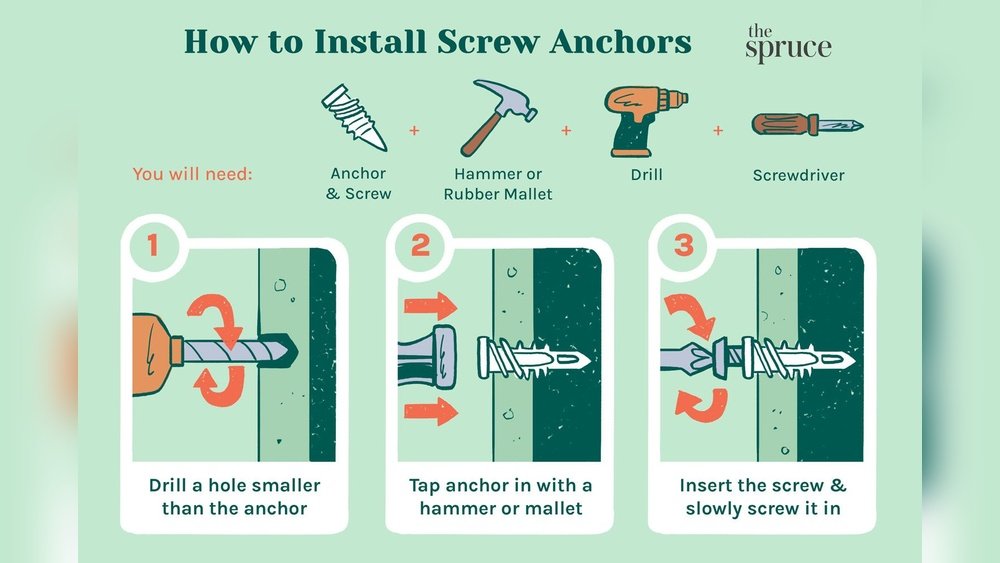
Plastic expansion anchors are the most common type you’ll find in hardware stores. They work by expanding against the drywall or masonry when you insert the screw. You usually need to drill a pilot hole first, matching the anchor’s size, so the anchor fits snugly and holds firm.
I’ve used these for hanging picture frames and small shelves. They’re cheap, easy to install, and perfect for light to medium loads. However, if you over-tighten the screw, the anchor can break or pull out, so be gentle.
Toggle Bolts And Molly Bolts
Toggle bolts and molly bolts are metal anchors designed for heavier objects like large shelves or TVs. Toggle bolts have spring-loaded wings that open inside the wall for a strong grip behind the drywall. Molly bolts expand inside the wall cavity to create a sturdy hold.
One time, I had to mount a heavy mirror and used toggle bolts. The wings spread wide behind the drywall, giving me confidence it wouldn’t fall. These anchors need larger pilot holes, so measuring your drill bit carefully is key to avoid wall damage.
Self-drilling Anchors
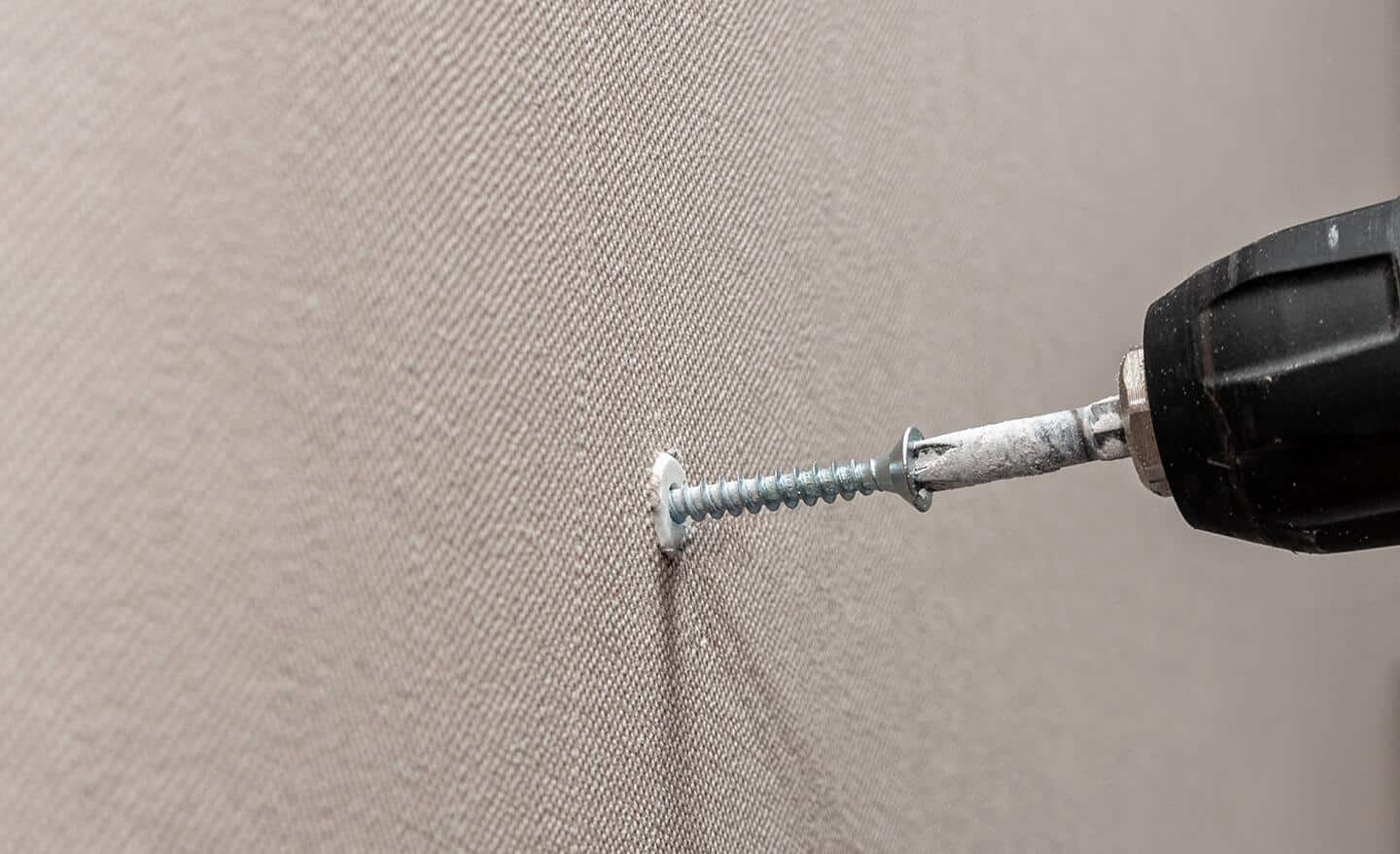
Self-drilling anchors, also called threaded anchors, cut into drywall without pre-drilling a hole. They save time and make installation simpler, especially for light to medium loads. Just screw them in with a drill or screwdriver, then add your screw.
I often recommend these for quick fixes because they reduce the chance of making the pilot hole too big. But remember, they’re not suitable for very heavy items or plaster walls. Always check the weight rating on the package before deciding.
Credit: www.homedepot.com
Choosing The Right Drill Bit
Choosing the right drill bit is key for a strong wall anchor installation. The drill bit must fit the anchor perfectly to create a secure hold. A wrong size drill bit can cause the anchor to fail or damage the wall. This section explains how to pick the right drill bit for your wall anchor and avoid common sizing errors.
Matching Drill Bit Size To Anchor
Check the anchor package for the recommended drill bit size. Usually, the drill bit should be the same diameter as the anchor’s body, excluding any flanges. Use a drill bit gauge or ruler to measure the anchor if no size is listed. A tight fit between the hole and anchor ensures the anchor expands correctly. This fit prevents the anchor from spinning or pulling out under load.
Avoiding Common Sizing Mistakes
Do not choose a drill bit that is too small. A small hole will make it hard to insert the anchor and may crack the wall. Avoid using a drill bit that is too large. A large hole will cause the anchor to be loose and fail to hold weight. When unsure, start with a smaller drill bit and gradually increase size until the anchor fits snugly. Always test the fit before drilling the final hole.
When To Pre-drill
Knowing when to pre-drill is important for a secure wall anchor installation. Pre-drilling creates a hole that fits the anchor size. This step prevents damage to the wall and ensures the anchor holds well. Skipping pre-drilling may cause weak support or wall cracks. Some anchors need pre-drilling every time. Others might work without it but still do better with a pilot hole.
Anchors That Always Require Pre-drilling
Plastic expansion anchors need a pre-drilled hole. This avoids drywall crumbling and lets the anchor expand tightly. Metal anchors like toggle bolts and molly bolts also require pre-drilling. Their design demands a specific hole size for proper function. Wood anchors usually need a pilot hole too. Always check the package instructions for the drill bit size. Using the right size helps the anchor fit perfectly and hold strong.
Situations To Skip Pre-drilling (not Recommended)
Some self-drilling anchors claim no need for pre-drilling. They have sharp tips to cut into drywall. Skipping pre-drilling may save time but risks wall damage. The anchor might not sit flush or grip firmly. Using a drill bit to make a pilot hole is still better. This ensures cleaner installation and longer-lasting support. Avoid skipping pre-drilling for heavy or valuable items. A small extra step protects your walls and mounted items.

Credit: www.youtube.com
Preparing The Wall
Preparing the wall is a key step before installing a wall anchor with a drill. Proper preparation ensures the anchor holds firmly and the wall remains undamaged. Taking time to prepare helps avoid mistakes and makes the job easier.
Marking The Drill Spot
First, find the exact spot where you want the anchor. Use a pencil to mark this location clearly. Double-check the mark to ensure it is level and in the right place. A precise mark guides the drill and helps avoid mistakes.
Use a level tool if needed to keep the mark straight. This step saves time and keeps your installation neat. Avoid guessing the spot to prevent holes in the wrong places.
Ensuring Surface Is Clean And Dry
Next, clean the wall surface around the mark. Remove dust, dirt, and grease with a dry cloth or a mild cleaner. A clean surface helps the anchor stick better and prevents slipping.
Make sure the area is dry before drilling. Moisture can weaken the wall or cause damage. Check the wall for cracks or loose paint and fix these issues first for a strong hold.
Drilling The Pilot Hole
Drilling the pilot hole is a crucial step in installing a wall anchor. It creates the perfect space for the anchor to fit securely. A well-drilled hole ensures the anchor holds strong and the wall stays intact. Take your time to drill carefully and accurately. This step sets the foundation for a safe and lasting installation.
Using The Correct Drill Speed
Choose a low to medium drill speed for better control. High speeds can damage the wall or make the hole uneven. Slow drilling reduces heat, protecting both the drill bit and wall. Keep the speed steady as you drill through the surface. This helps to avoid cracking or breaking the drywall.
Drilling Straight And Clean Holes
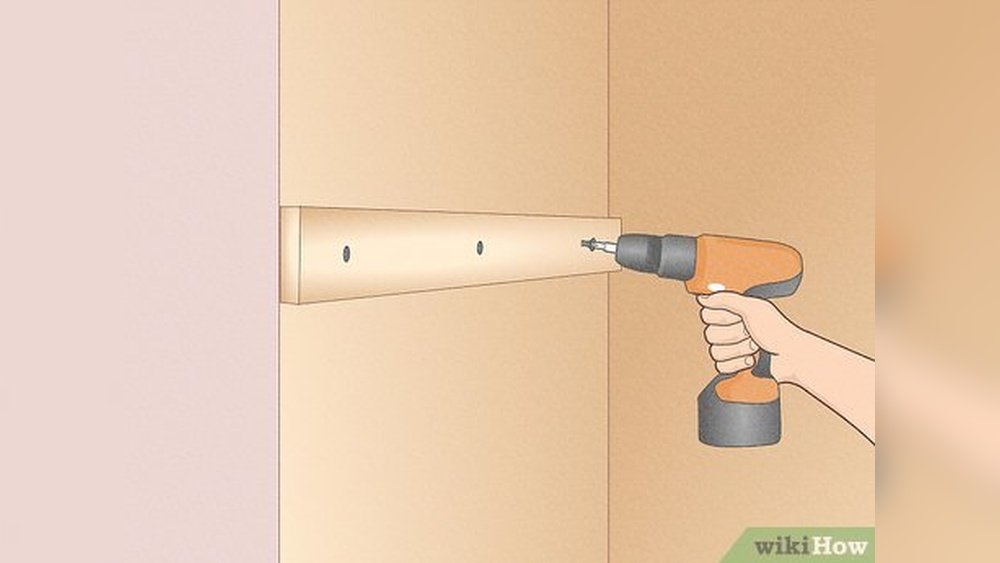
Hold the drill perpendicular to the wall for a straight hole. Angled holes can weaken the anchor’s grip and cause problems later. Start drilling gently to avoid slipping or enlarging the hole. Pull the drill out slowly to clear dust and debris. Clean holes allow the anchor to fit snugly and work properly.
Installing The Wall Anchor
Installing a wall anchor ensures your fixture stays secure and safe on the wall. Using the right anchor type and proper technique matters. Drilling a clean, accurate hole helps the anchor hold firmly. Follow these simple steps for different anchors to get a strong hold every time.
Inserting Plastic Expansion Anchors
Start by drilling a hole matching the anchor size. Gently tap the plastic anchor into the hole using a hammer. Make sure the anchor sits flush with the wall surface. Avoid forcing it, as that can damage the drywall. Once inserted, screw your fastener into the anchor slowly. The anchor will expand and grip the wall securely.
Setting Toggle And Molly Bolts
Drill a hole large enough for the folded toggle or molly bolt. Insert the bolt with the toggle wings folded against the shaft. Push it into the hole until the wings open behind the wall. Pull back gently to lock the wings in place. Tighten the screw carefully to secure the bolt and hold your fixture firmly.
Using Self-drilling Anchors Properly
Choose a self-drilling anchor designed for drywall. Align the tip with the wall and start drilling slowly with your drill. Apply steady pressure to let the anchor cut into the drywall. Stop when the flange is flush with the wall. Insert the screw into the anchor and tighten. These anchors require no pre-drilled hole but benefit from steady drilling for best grip.
Securing The Screw
Securing the screw is the final step in installing a wall anchor. It holds the anchor firmly inside the wall. A well-secured screw ensures your item stays in place without damage. The process requires care and the right technique for best results.
Driving Screws Without Damaging Wall
Start by placing the screw into the anchor. Use a drill with a screwdriver bit to drive it in slowly. Avoid forcing the screw too fast or too hard. This prevents cracking or breaking the wall surface. Stop as soon as you feel resistance. Do not overtighten the screw.
Ensuring A Tight And Stable Fit
Check that the screw is flush with the wall or slightly recessed. The anchor should expand behind the wall for a strong hold. Give the screw a gentle wiggle to test stability. If it moves, tighten it a little more, but carefully. A tight screw keeps the anchor secure and supports the weight safely.

Credit: www.youtube.com
Common Installation Mistakes
Installing wall anchors with a drill seems simple, but many people make common mistakes. These errors can weaken the hold or damage the wall. Avoiding these mistakes ensures a strong, secure anchor every time.
Over-drilling The Hole
Drilling a hole too large is a frequent problem. If the hole is bigger than the anchor, it will not fit tightly. The anchor may slip or fall out. Use the drill bit size recommended on the anchor package. Measure twice, drill once.
Using Incorrect Anchor Types
Different walls need different anchors. Drywall anchors work best in drywall, while masonry anchors suit brick or concrete. Using the wrong type reduces holding strength. Check your wall type before buying anchors. Pick the correct anchor for a safe installation.
Forcing Anchors Without Pre-drilling
Some anchors need a pre-drilled hole. Forcing them in without drilling can crack the wall or ruin the anchor. Even self-drilling anchors benefit from pilot holes. Pre-drilling creates a clean path and helps the anchor grip tightly. Always follow the anchor instructions closely.
Tips For A Strong Hold
Ensuring a strong hold for your wall anchor is key to secure hanging. Simple steps can improve anchor strength and keep walls safe. Follow these tips for a reliable installation that lasts.
Checking Anchor Compatibility
Choose anchors that match your wall type and weight needs. Drywall anchors fit drywall but not brick or concrete. Heavy items need stronger anchors like toggle bolts. Always check the package for suitable wall materials.
Avoiding Wall Damage
Use a drill bit that matches the anchor size exactly. Too large a hole weakens the wall. Drill slowly and straight to avoid cracks. If unsure, start small and widen carefully. Support the wall by not over-tightening screws.
Testing Stability Before Hanging
After installation, gently pull on the anchor to test hold. If it moves or feels loose, remove and try a larger anchor. A firm anchor stays in place with no wobble. Test before hanging heavy objects to prevent falls.
Frequently Asked Questions
How To Put Anchors In The Wall With A Drill?
Drill a hole matching the anchor size. Insert the anchor into the hole. Tap gently if needed. Screw into the anchor to secure it firmly.
How Do I Know What Drill Bit To Use For A Wall Anchor?
Choose a drill bit matching the wall anchor’s diameter. Check the anchor packaging for exact size. Drill a hole that fits snugly to ensure secure installation.
Should I Drill A Pilot Hole For A Drywall Anchor?
Yes, drill a pilot hole for drywall anchors to ensure a secure, clean fit. Match drill bit size to the anchor. Some self-drilling anchors may not require it, but pre-drilling improves accuracy and prevents drywall damage.
How Far To Drill Into A Wall For An Anchor?
Drill a hole as deep as the anchor length, matching its diameter. Usually, 1 to 2 inches deep suffices.
Conclusion
Installing a wall anchor with a drill is simple and effective. Start by choosing the right drill bit size. Always drill a pilot hole to protect the wall and secure the anchor. Insert the anchor carefully, then tighten the screw slowly.
Taking time ensures a strong hold for your items. Practice makes the process easier and faster. Now, your wall can safely support shelves, pictures, or mirrors. With these clear steps, anyone can do this DIY task confidently.