Replacing your bathroom faucet and drain can make your sink look new again. It also helps fix leaks and improves water flow. Many people think this job is only for plumbers, but with the right steps, you can do it yourself.
You just need some basic tools and a little patience. This guide will walk you through every part of the process, from removing your old faucet to connecting the new drain. Even if you are a beginner, you will find clear instructions, common mistakes to avoid, and tips for a smooth installation.
Let’s get started and give your bathroom a quick upgrade.
Tools And Materials You Need
Before you begin, gather everything you’ll need. Having the right tools ready saves time and prevents frustration.
Basic Tools:
- Adjustable wrench
- Basin wrench (very helpful in tight spaces)
- Screwdriver (usually Phillips-head)
- Bucket or small bowl
- Plumber’s putty or silicone sealant
- Channel-lock pliers
- Flashlight or work light
- Tape measure
Materials:
- New bathroom faucet set (make sure it fits your sink’s hole spacing)
- Matching drain assembly (included with most faucet kits)
- Flexible supply lines (if your old ones are worn out)
- Teflon tape
Pro tip: Check if your faucet is a 4-inch centerset or an 8-inch widespread. Measure the distance between the center of the outer holes on your sink. This ensures the new faucet fits perfectly.
Turn Off Water And Prepare The Area
The first step is to turn off the water supply. Most bathroom sinks have two shutoff valves under the sink—one for hot water and one for cold.
- Turn both valves clockwise until tight.
- Open the faucet to drain any remaining water.
- Place a bucket or towel under the sink to catch drips.
- Clear out any items from under the sink for easy access.
If you cannot find shutoff valves, you may need to turn off the main water supply for your home. Make sure to let everyone in your house know before doing this.

Credit: www.macybath.com
Remove The Old Faucet
Taking out the old faucet might be the hardest part, especially if it is stuck from years of use.
- Disconnect the supply lines: Use the adjustable wrench to loosen the nuts connecting the water supply lines to the faucet. Some water may spill—use your bucket to catch it.
- Remove mounting nuts: Look under the sink for nuts holding the faucet to the sink. Use a basin wrench if space is tight.
- Lift out the faucet: Once nuts are removed, gently pull the old faucet out from above the sink.
- Clean the surface: Scrape away old putty or grime using a putty knife. A clean surface helps the new faucet seal properly.
Insight: Old supply lines can be brittle. If you see any cracks or corrosion, replace them with new flexible lines for safety.
Install The New Faucet
Now, you’re ready to set the new faucet in place.
- Apply sealant: Place a thin bead of plumber’s putty or silicone sealant around the base of the new faucet. This prevents leaks.
- Position the faucet: Insert the faucet’s tailpieces into the sink holes from above. Make sure it is centered and straight.
- Secure from below: Under the sink, thread the mounting nuts onto the faucet tailpieces. Tighten by hand, then finish with a wrench—be careful not to overtighten and crack the sink.
- Connect supply lines: Attach the flexible supply lines to the faucet and to the shutoff valves. Use Teflon tape on threads for a tight seal.
Centerset Vs. Widespread Faucets
Not all sinks use the same faucet type. Here’s a quick comparison to help you match your faucet to your sink.
| Feature | 4-inch Centerset | 8-inch Widespread |
|---|---|---|
| Number of holes | 3 (spaced 4″ apart) | 3 (spaced 8″ apart) |
| Ease of installation | Usually easier | Can be more complex |
| Style options | Limited | Many choices |
| Common in | Small sinks | Large sinks |
If you buy the wrong type, you might not be able to install it without changing your sink.
Credit: www.youtube.com
Remove The Old Drain Assembly
After the faucet, it’s time to swap the drain.
- Unscrew the P-trap: The P-trap is the curved pipe under your sink. Place the bucket underneath and use channel-lock pliers to loosen the slip nuts. Remove the P-trap carefully.
- Disconnect the lift rod: The lift rod is the stick you pull to open or close the drain. It attaches to a horizontal pivot rod. Unscrew the nut holding the pivot rod and pull the rod out.
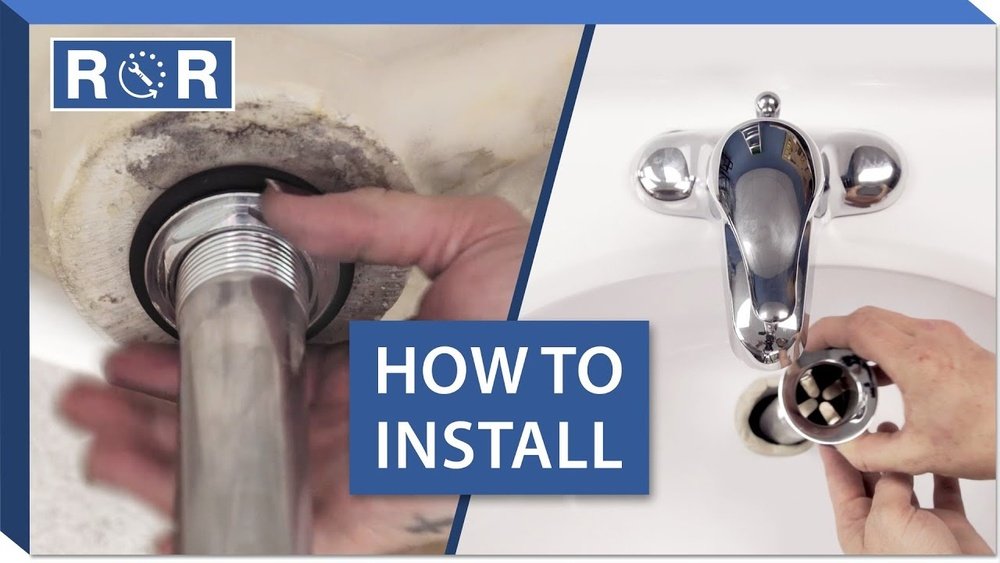
- Remove the old drain flange: From above the sink, unscrew and lift out the drain flange (the visible metal ring in your sink).
- Clean the area: Remove old putty and clean the sink drain hole.
Beginner’s mistake: Many people forget to clean the old putty from the drain hole. New drains may not seal properly if old residue is left behind.
Install The New Drain Assembly
This part is key for preventing leaks and ensuring smooth water flow.
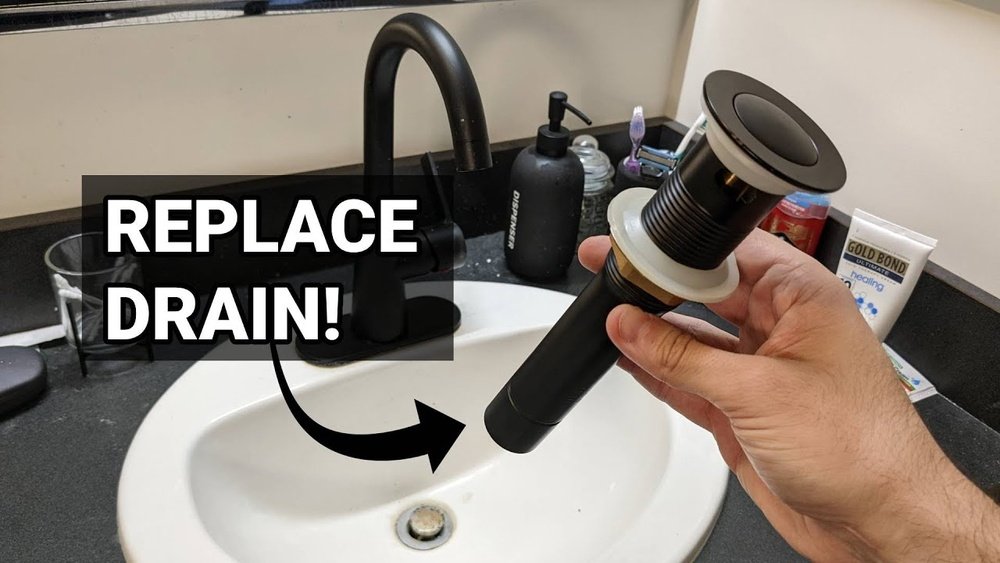
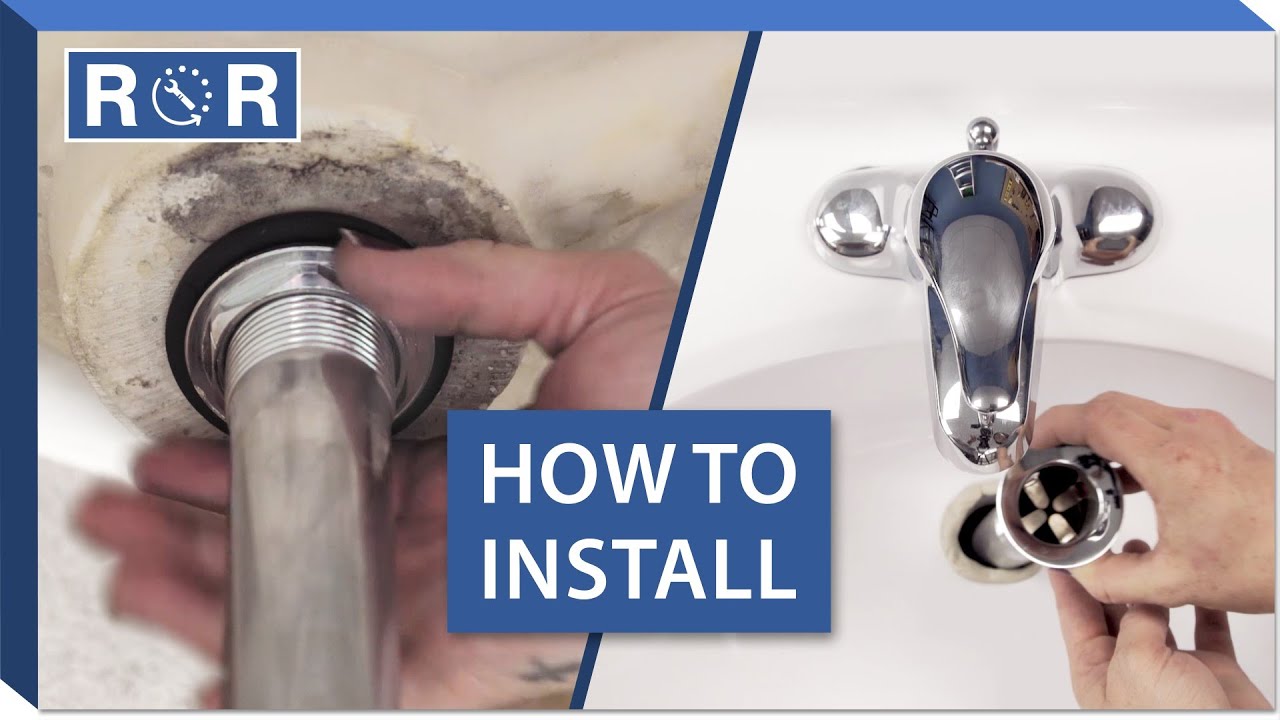
- Apply plumber’s putty: Roll a small amount between your hands and place it under the rim of the new drain flange.
- Insert the drain flange: Press the flange into the sink’s drain hole from above.
- Assemble from below: Under the sink, slide the rubber gasket and mounting nut onto the drain body, then tighten them against the bottom of the sink.
- Attach the drain tailpiece: Screw the tailpiece (a straight pipe section) onto the drain body.
- Reconnect the pivot rod: Insert the horizontal pivot rod into the hole in the drain body and secure it with the retaining nut. Connect the lift rod above so you can open and close the drain stopper.
- Reattach the P-trap: Slide the P-trap back into position and tighten the slip nuts.
Pop-up Drain Vs. Grid Drain
Not all drains are the same. Here’s a quick look at two common types:
| Type | Best for | Pros | Cons |
|---|---|---|---|
| Pop-up drain | Everyday sinks | Can be closed, easy to clean | Moving parts may break |
| Grid drain | Vessel sinks | No moving parts, never clogs | Cannot close, small items may fall in |
Most standard faucets come with a pop-up drain. If you want something different, be sure to buy it separately.
Test For Leaks And Finish Up
Before you finish, always check for leaks. This is the most important step to avoid water damage.
- Open the water valves: Turn the hot and cold supply valves back on slowly.
- Test the faucet: Turn on the faucet and let water run. Watch under the sink for drips.
- Check the drain: Fill the sink, then open the stopper and let the water drain. Look for leaks around the drain and P-trap.
- Tighten connections: If you see water, gently tighten the leaking connection. Do not overtighten or you may crack parts.
- Clean up: Wipe away any extra plumber’s putty that squeezes out.
Hidden insight: Sometimes leaks only appear after a few hours or with hot water. Run both hot and cold water, and check again later to be sure.
Common Mistakes To Avoid
Even small errors can cause problems. Here are mistakes people often make:
- Skipping Teflon tape: Always wrap Teflon tape on threaded connections to prevent leaks.
- Overtightening nuts: This can crack porcelain sinks or strip threads.
- Mixing up supply lines: Connect hot and cold lines correctly—hot is usually on the left, cold on the right.
- Forgetting to test: Always test with both water and drain before putting your tools away.
- Ignoring supply line age: Old, stiff lines are a leak risk. Replace them during installation.
:max_bytes(150000):strip_icc()/SPR-bathroom-sink-drain-installation-2718843_03_jointcompound_4713-78eae200ba9645088f15a42d0138ade9.jpg)
Credit: www.thespruce.com
When To Call A Professional
Most people can replace a bathroom faucet and drain with patience and care. But some problems mean you should call a plumber:
- Stuck or rusted parts that will not budge
- Cracked sink or pipes during removal
- No shutoff valves under the sink
- Complicated plumbing layouts with multiple connections
If you are not sure, it’s okay to ask for help. Repairing water damage is much more expensive than a professional installation.
Maintenance Tips After Installation
Once your new faucet and drain are working, keep them in good shape.
- Clean aerators: Mineral buildup can reduce water flow. Unscrew and clean the faucet aerator every few months.
- Check for leaks: Look under the sink every so often, especially after heavy use.
- Use gentle cleaners: Avoid harsh chemicals that can damage finishes or seals.
Extra tip: If you notice slow drainage, remove and clean the pop-up stopper. Hair and soap can build up quickly in bathroom sinks.
Cost And Time Estimates
Knowing what to expect helps you plan.
| Item | Estimated Cost (USD) | Time Needed |
|---|---|---|
| Faucet kit | $30–$150 | — |
| Drain assembly | Usually included | — |
| Flexible supply lines | $8–$20 each | — |
| Installation (DIY) | Free | 1–2 hours |
| Professional installation | $150–$300 | 30–60 minutes |
Most DIY jobs take 1–2 hours, but beginners should plan for extra time.
Final Thoughts
Installing a bathroom faucet and drain is a project almost anyone can do with simple tools and careful steps. It’s a great way to save money and get hands-on experience. Remember to check your sink’s measurements, use the right sealants, and test for leaks before finishing. With a little patience, you’ll enjoy a fresh, leak-free sink for years to come. For more in-depth plumbing guidance, you can visit the Family Handyman website.
Frequently Asked Questions
How Do I Know If My Faucet Will Fit My Sink?
Check the number and spacing of the holes in your sink. Most bathroom sinks have either 4-inch centerset or 8-inch widespread holes. Measure the distance between the centers of the outer holes to match your new faucet.
Can I Use Silicone Instead Of Plumber’s Putty?
Yes, you can use silicone sealant instead of plumber’s putty. Silicone works well on non-porous surfaces and creates a strong, waterproof seal. Just let it dry fully before using your sink.
Do I Need To Replace The Supply Lines?
If your supply lines are old, stiff, or show signs of rust, replace them when you install the new faucet. New flexible lines are cheap and lower the risk of leaks.
Why Is My New Drain Leaking?
Common causes are loose connections, missing gaskets, or not enough sealant. Double-check the rubber gaskets and make sure all nuts are snug but not overtightened. Remove old putty before installing the new drain.
Is It Normal To Have Water Left In The P-trap?
Yes, a small amount of water stays in the P-trap at all times. This water seals out sewer gases from coming into your bathroom. If you see a small amount, it’s normal and needed for proper plumbing function.