Hanging Curtain Rods Without Drilling: A Complete Guide
Curtains add style, privacy, and comfort to any room. But what if you want to hang them without drilling holes in your walls? Maybe you rent your home, have delicate surfaces, or simply want to avoid permanent damage. The good news is, there are several effective ways to hang curtain rods without a drill.
You don’t have to sacrifice style or function—modern solutions are easy, reliable, and look great.
This guide will walk you through every method available, highlight what you need to know before you start, and help you choose the best option for your space. By the end, you’ll have all the knowledge to hang your curtains confidently—no power tools required.
Why Hang Curtain Rods Without Drilling?
Before looking at the how, it’s important to understand the why. For many, avoiding holes in the wall is not just about convenience.
- Renters often face restrictions on making permanent changes.
- Homeowners with expensive or delicate wall finishes (tile, marble, textured paint) don’t want to risk damage.
- Short-term needs such as staging a property or setting up a temporary room divider.
- Resale value can be preserved by keeping walls smooth and untouched.
Also, drilling mistakes are hard to fix—off-center holes, hitting hidden pipes, or crumbling wall material can be expensive problems. Non-drill methods remove these risks.
Non-drilling Curtain Rod Options
There are several main ways to hang curtain rods without a drill. Each method suits different needs, weights, and styles of curtains.
1. Tension Curtain Rods
The tension rod is the most popular non-drill solution. It uses an internal spring to press against two walls or window frames.
How It Works
- The rod expands to fit snugly between two surfaces.
- Rubber tips on both ends prevent slipping and protect walls.
Pros
- No tools needed
- Fast installation and removal
- Works well for light to medium-weight curtains
Cons
- Not suitable for very wide windows or heavy drapes
- May slip if not installed correctly
Example
A tension rod holding sheer curtains in a bathroom window can be installed in under five minutes. For standard windows (24–48 inches), most rods cost $10–$25.
2. Adhesive Curtain Rod Hooks
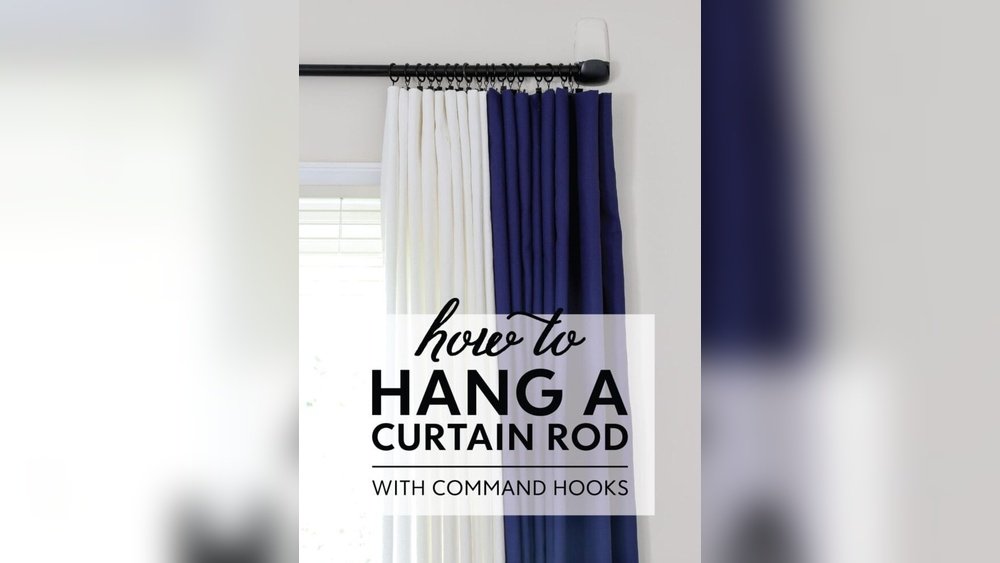
Adhesive hooks (like Command hooks) are a modern way to hang curtain rods. These hooks use strong, removable sticky pads.
How It Works
- Clean the wall, stick the hook, and let the adhesive cure (usually 1 hour)
- Slide the rod into the hooks
Pros
- No wall damage
- Works on most smooth surfaces (paint, tile, glass)
- Hooks can be removed cleanly
Cons
- Weight limit (usually up to 5–7 pounds per hook)
- Not ideal for textured walls or wallpaper
Example
A pair of adhesive hooks can hold a lightweight rod with sheer curtains or blackout panels in a rental apartment. Cost per set: $8–$15.
3. Magnetic Curtain Rods
Magnetic rods are perfect for metal window frames or doors (like on steel doors or appliances).
How It Works
- Powerful magnets on each end attach to a metal surface
- Rod snaps securely and can be adjusted
Pros
- Zero tools needed
- Installs in seconds
- Easily repositioned or removed
Cons
- Only works on ferrous metal surfaces
- Limited weight capacity
Example
On a steel back door, a magnetic rod holds a privacy curtain for under $20.
4. Twist And Fit Curtain Rods
This is a special type of tension rod designed for window frames with decorative molding.
How It Works
- Rod twists to tighten and fits snugly inside the window frame
- Often comes with decorative finials
Pros
- No drilling
- Blends with window trim
- Good for narrow windows
Cons
- Not suitable for large/heavy curtains
Example
“Twist and Fit” rods are common for small bathroom or kitchen windows.
5. Brackets With Removable Adhesive Strips
Some companies offer removable brackets using double-sided adhesive strips.
How It Works
- Peel adhesive backing, press bracket to wall, and let cure
- Brackets hold the rod in place
Pros
- No wall damage
- Brackets look like traditional hardware
Cons
- Adhesive strength depends on wall type and weight
- Usually holds up to 10 pounds
Example
These brackets are great for renters who want a more traditional look without wall damage.
/SPR-how-to-hang-curtains-without-drilling-5192697-part-02-step-08-B-0114f1ecea66410ca7fed649bc4f5df2.jpg)
Credit: www.thespruce.com
Choosing The Right Method For Your Room
Not all non-drill methods are equal. Consider these factors before you decide:
| Method | Weight Limit | Best For | Notes |
|---|---|---|---|
| Tension Rod | 10-15 lbs | Standard windows, showers | Fits snugly, easy to adjust |
| Adhesive Hooks | 5-7 lbs | Renters, smooth walls | Removable, limited weight |
| Magnetic Rod | 8-10 lbs | Metal doors/frames | Needs metal surface |
| Twist and Fit | 8-10 lbs | Small windows, trim | Decorative, easy install |
| Adhesive Brackets | 10 lbs | Traditional look | Good for light drapes |
Tip: Always check the weight of your curtains (including rod and rings) before choosing a method.
Step-by-step Guide: Installing Without Drilling
Let’s walk through the process for each major method.
Installing A Tension Rod
1. Measure The Window
Use a tape measure to get the exact width inside the window frame.
2. Choose The Right Size Rod
Buy a rod that fits your measurement range.
3. Expand The Rod
Twist or pull until the rod fits snugly between surfaces.
4. Adjust Position
Place the rod at the desired height, making sure it’s level.
5. Test Stability
Gently tug the rod to ensure it’s secure before adding curtains.
Insight: Don’t over-expand tension rods—they can lose grip and fall. If your curtains are heavy, consider using two rods (top and bottom) for extra support.
Installing With Adhesive Hooks
1. Clean The Wall
Wipe the area with rubbing alcohol to ensure strong adhesion.
2. Position Hooks
Mark the height for each hook on both sides of the window.
3. Attach Hooks
Press firmly for 30 seconds, then wait at least 1 hour.
4. Insert Curtain Rod
Slide the rod into the hooks and hang your curtains.
Non-obvious tip: If you have textured walls, heat the adhesive strip with a hairdryer for a few seconds before sticking. This helps it mold to the surface better.
Installing A Magnetic Rod
1. Test The Surface
Make sure your frame is magnetic (not all metals are).
2. Align The Rod
Extend the rod and attach both ends to the metal frame.
3. Secure And Adjust
Adjust for level and curtain height.
4. Hang Curtains
Slide your curtains on and check stability.
Practical detail: For doors that are opened and closed often, choose rods with rubber-padded magnets to avoid scratches.
Installing Twist And Fit Rods
1. Measure Inside Trim
Record the distance between the inner sides of the window frame.
2. Select Rod
Buy a rod that fits your measurements.
3. Install
Twist to expand, pressing each end into the trim.
4. Hang Curtains
Add curtains and adjust rod height as needed.
Installing Adhesive Brackets
1. Clean Surface
Use alcohol wipes to remove dust or grease.
2. Mark Bracket Positions
Use a pencil and level for even placement.
3. Stick Brackets
Press for 30 seconds, wait recommended time (often 1–2 hours).
4. Insert Rod
Place the rod in the brackets and hang your curtains.
Beginner mistake: Removing adhesive brackets too quickly can peel paint. Always follow manufacturer’s removal instructions.

Credit: www.wikihow.com
When Non-drill Methods May Not Work
While non-drill solutions are reliable, there are situations where they may not be the best fit:
- Heavy blackout curtains: These can exceed the weight limit of most adhesive or tension systems.
- Extra-wide windows: Long rods may sag in the middle without center support.
- Rough, textured, or wallpapered walls: Adhesives may not stick well.
- Frequent opening/closing: Tension rods may loosen over time with daily use.
If your curtains are heavy, try splitting them into two panels and using two rods. For wide windows, use a center hook or bracket to reduce sag.
Customizing Non-drill Curtain Solutions
You can make your curtain setup look more stylish with a few simple tweaks:
- Decorative end caps: Many tension rods now have attractive finials that mimic classic rods.
- Layering: Use a double tension rod for sheer and blackout layers.
- Paint hooks or rods: Match your wall or curtain color for a seamless look.
Non-obvious insight: For really wide windows, install two tension rods side by side with a decorative overlap in the middle. This trick hides the seam and keeps the rods from sagging.
Maintenance And Longevity
Non-drill solutions need some care to last:
- Check tension: Every few months, re-tighten rods to prevent slips.
- Inspect adhesive: Look for signs of peeling or sagging, especially in humid rooms.
- Clean surfaces: Dust buildup can reduce adhesive strength.
If you move or redecorate often, adhesive hooks and magnetic rods are the easiest to remove and reuse.
Comparing Non-drill Curtain Solutions
Here’s a quick side-by-side look at the most popular options:
| Feature | Tension Rod | Adhesive Hook | Magnetic Rod |
|---|---|---|---|
| Removability | Very Easy | Easy (with care) | Very Easy |
| Weight Capacity | Medium | Low | Medium |
| Surface Requirement | Flat, parallel | Smooth, clean | Magnetic metal |
| Reusability | High | Medium | High |

Credit: www.homedit.com
Where To Buy Non-drill Curtain Rods And Hardware
You can find these products at home improvement stores, big-box retailers, or online. Look for brands with clear weight ratings and instructions. For a list of trusted brands and installation guides, check Home Depot’s official guide.
Frequently Asked Questions
How Much Weight Can A Tension Rod Hold?
Most tension rods can hold between 10 and 15 pounds. Check the packaging for the exact weight limit. For heavy drapes, look for “heavy-duty” models.
Can I Use Adhesive Hooks On Painted Walls?
Yes, but make sure the paint is fully cured (at least 2 weeks old) and always clean the area before applying. Avoid using on delicate or peeling paint.
Will Magnetic Rods Damage My Metal Door Or Window Frame?
If the rod has rubber or felt pads on the magnets, it should not cause scratches. Always remove carefully and keep the surface clean.
Are These Methods Safe For Blackout Curtains?
Blackout curtains are often heavier. Use heavy-duty tension rods or multiple hooks/brackets to spread the weight. Avoid standard adhesive hooks for thick blackout panels.
What If My Window Is Very Wide?
For windows wider than 48 inches, use a center support hook or install two rods side by side. This prevents sagging and keeps your curtains looking neat.
Hanging curtain rods without drilling is not only possible—it’s simple, affordable, and renter-friendly. With the right tools and a little planning, you can enjoy beautiful curtains without leaving a mark.