Lice in your bedding can feel like an invisible, unwelcome guest that just won’t leave. If you’re worried about lice lurking on your sheets or pillows, you’re not alone—and the good news is, you can get rid of them quickly and effectively.
Imagine sleeping peacefully again without the itch or worry. In this guide, you’ll discover simple, proven steps to clean your bedding and keep lice from coming back. Ready to take control and protect your home? Keep reading to find out exactly how to get rid of Lice in bedding.
Lice And Bedding Basics
Understanding lice and bedding is key to stopping lice infestations. Lice are tiny insects that live on the scalp. They feed on human blood and lay eggs called nits. Bedding can hold lice and nits, making it easy for lice to spread. Knowing how lice behave on fabrics helps in cleaning and prevention.
Lice Lifespan On Fabrics
Lice cannot live long off the human scalp. On fabrics, they usually survive for 1 to 2 days. Without a blood meal, lice quickly die. Nits, or eggs, may stay on fabric but do not hatch without warmth. This short lifespan means thorough cleaning of bedding breaks the lice cycle.
How Lice Spread Via Bedding
Lice spread through direct contact with infested bedding. When a person with lice uses a pillow or blanket, lice can crawl onto the fabric. Another person resting on the same bedding can pick up lice. Sharing bedding increases the chance of spreading lice. Cleaning bedding helps reduce this risk and protects others.
Preparing To Clean
Before cleaning your bedding for lice, preparation is key. Proper steps ensure all lice and eggs are removed effectively. Start by organizing and isolating the affected fabrics. This stops lice from spreading to clean items.
Gathering Bedding And Fabrics
Collect all bedding used recently. This includes sheets, pillowcases, blankets, and mattress covers. Also gather any fabric items your head or hair touched. Don’t forget stuffed animals or cloth toys. Place all these items in one spot to make cleaning easier.
Isolating Infested Items
Keep infested bedding separate from other laundry. Use a sealed plastic bag or container to hold these items. This prevents lice from moving to other clothes or furniture. Avoid shaking the fabrics to stop lice from spreading. Isolating items helps control the problem quickly and safely.
Washing And Drying Tips
Washing and drying bedding properly is key to getting rid of lice. Lice and their eggs can hide in sheets, pillowcases, and blankets. Treating these items stops lice from spreading or returning. Use the right water temperature and dryer settings to kill lice effectively.
Using Hot Water Effectively
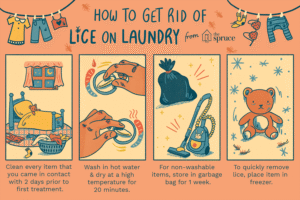
Wash all bedding in hot water. Use water at least 130°F (54°C). Hot water kills lice and their eggs quickly. Avoid cold or warm water; they may not kill lice. Wash pillowcases, sheets, and blankets thoroughly. Use a full wash cycle for best results. Hot water also removes dirt and oils that lice cling to.
Optimal Dryer Settings
Dry bedding on the highest heat setting safe for the fabric. Heat from the dryer kills any lice left after washing. Run the dryer for at least 30 minutes. Avoid air drying or low heat. Check care labels to prevent damage. High heat and long drying time ensure all lice and eggs die.
Handling Non-washable Items
Some bedding items cannot go in the washer or dryer. For these, use a sealed plastic bag. Place the item inside and seal it tightly. Leave it sealed for 2 weeks to starve lice. Another option is dry cleaning. Dry cleaners use heat and chemicals that kill lice. Always follow item care instructions to avoid damage.
Vacuuming And Deep Cleaning
Vacuuming and deep cleaning play a crucial role in removing lice from bedding and surrounding areas. Lice cannot survive long off the human scalp, but their eggs or nits can linger in fabric and furniture. Thorough cleaning helps eliminate any remaining lice, reducing the chance of re-infestation. Focus on mattresses, couches, and other places where lice might hide. Use a vacuum with strong suction to capture lice and eggs effectively.
Vacuuming Mattresses And Furniture
Start by vacuuming mattresses carefully. Pay special attention to seams and edges where lice and eggs may hide. Use the upholstery attachment to reach corners and crevices. Vacuum sofas, chairs, and any fabric-covered furniture thoroughly. Move cushions and clean underneath them. Vacuum carpets and rugs in the bedroom too. This process removes lice, eggs, and debris, making your home safer.
Disposing Of Vacuum Contents Safely
After vacuuming, empty the vacuum cleaner immediately. Place the vacuum bag or canister contents into a sealed plastic bag. Tie the bag tightly to prevent lice from escaping. Dispose of the bag in an outdoor trash bin. Clean the vacuum attachments with hot, soapy water. This step stops lice from spreading back into your home. Safe disposal is essential for effective lice control.
Special Care For Personal Items
Personal items can harbor lice and eggs. Taking special care of these items helps stop lice from spreading. Focus on combs, brushes, and soft fabrics. These objects touch the scalp and hair often. Cleaning and treating them is key to full lice removal.
Cleaning Combs And Brushes
Combs and brushes collect lice and nits easily. Start by removing hair strands from them. Soak these items in hot water for at least 10 minutes. Use a mild soap or shampoo during soaking to kill lice. After soaking, rinse well and let them air dry. Repeat this process daily until lice are gone.
Treating Stuffed Animals And Other Fabrics
Stuffed animals, pillows, and fabric items can carry lice too. Wash these fabrics in hot water, at least 130°F (54°C). Dry them on high heat for 20 minutes or longer. For items that cannot be washed, seal them in a plastic bag. Keep the bag closed for two weeks to starve lice and eggs. Vacuum soft surfaces like sofas and carpets regularly. This step removes any stray lice and eggs hiding in fabrics.
Preventing Reinfestation
Preventing reinfestation is key to fully eliminating lice from bedding. Proper care stops lice from returning and spreading to others. This section covers simple steps to keep bedding safe and lice-free for good.
Regular Bedding Maintenance
Wash bedding often in hot water, at least 130°F (54°C). Heat kills lice and their eggs quickly. Use a hot dryer cycle for at least 20 minutes to ensure all lice are dead.
Change pillowcases and sheets every few days during lice treatment. Keep blankets and stuffed animals clean too. Vacuum mattresses and furniture regularly to remove stray lice or eggs.
Common Mistakes To Avoid
When dealing with lice in bedding, avoiding certain mistakes is crucial. These errors can reduce the effectiveness of your cleaning efforts. They may also cause harm to your home or health. Understanding common pitfalls helps you tackle the problem correctly and safely.
Over-cleaning The Home
Cleaning is important, but over-cleaning wastes time and energy. Lice do not survive long away from the scalp. Excessive scrubbing of furniture and floors is unnecessary. Focus on washing bedding and clothes in hot water. Vacuuming carpets and upholstery is enough for the rest. Avoid using too much force or cleaning products on all surfaces.
Using Harmful Chemicals
Many people try harsh chemicals to kill lice in bedding. These substances can damage fabrics and harm your health. Avoid using strong insecticides or pesticides indoors. Instead, use hot water and a dryer on high heat. Sealing non-washable items in plastic bags for two weeks also works well. Choose safe, proven methods over dangerous chemicals.
Timing And Focus Areas
Timing and focus areas play a crucial role in getting rid of lice in bedding. Lice cannot survive long away from the scalp, but their eggs may remain. Addressing recent items and applying heat treatment on targeted areas helps break the infestation cycle.
Cleaning bedding promptly after exposure stops lice from spreading or returning. Focus on items used during the last two days, as these are the most likely to harbor lice or eggs. Using heat is the safest and most effective way to kill lice in bedding.
Items From Last Two Days
Concentrate on bedding and clothes used within the past 48 hours. Lice live only a short time without feeding, so older items pose less risk. Wash pillowcases, sheets, and blankets in hot water. Include any clothing worn to bed or placed on the bed.
Stuffed animals and soft toys used recently should also be cleaned or sealed in bags. This stops any lice or nits from hiding and waiting to infest again. Focus on these items first to reduce the chance of reinfestation.
Targeting Heat As Main Solution
Heat kills lice and their eggs effectively. Use a dryer on the highest heat setting for at least 30 minutes. High heat ensures lice do not survive and stops eggs from hatching.
For items that cannot be washed, use a dry cleaning service or seal them in a plastic bag for two weeks. This starves lice and kills them naturally. Heating bedding and clothes is a simple, safe, and proven method to clear lice completely.
When To Replace Bedding
Knowing when to replace bedding is important in getting rid of lice completely. Bedding can hide lice eggs and bugs in seams and fibers. Washing may not always remove them all. Some bedding becomes unsafe to reuse. Replacing it stops lice from returning. It also keeps the bed clean and healthy.
Signs Bedding Cannot Be Salvaged
Look for visible lice or eggs stuck in the fabric. If eggs remain after washing, the bedding is unsafe. Bedding with tears or holes traps lice and eggs. Stains from lice debris or body fluids show heavy infestation. If bedding is old and worn, it may not clean well. Repeated washing without success means replacement is needed. Bedding that smells bad after washing also should be replaced.
Safe Disposal Methods
Place old bedding in a sealed plastic bag. Tie the bag tightly to prevent lice escape. Throw the bag in the trash outside your home. Do not reuse or donate infested bedding. Washing other laundry with infested bedding can spread lice. Clean the trash bin after disposal to avoid contamination. Avoid shaking or beating bedding to stop spreading lice eggs. Safe disposal protects your home and family from lice returning.
Frequently Asked Questions
Can I Sleep In My Bed If I Have Lice?
You can sleep in your bed if you have lice, but wash all bedding in hot water immediately. Lice survive briefly off the scalp. Clean pillows, sheets, and vacuum surrounding areas to prevent reinfestation. Treat your hair with appropriate lice removal products for effective control.
How Long Do Lice Live On Bedding?
Lice survive on bedding for up to 1-2 days without a human host. Wash sheets in hot water and dry on high heat to kill them.
Do You Have To Throw Away Pillows If You Have Lice?
You don’t need to throw away pillows if you have lice. Wash pillowcases and bedding in hot water. Dry on high heat to kill lice and eggs. Vacuum mattresses and furniture to remove any lice. This cleaning prevents reinfestation effectively without discarding pillows.
How Do I Clean My House If My Child Has Lice?
Wash all bedding, clothes, and hats in hot water; dry on high heat. Vacuum carpets, furniture, and mattresses thoroughly. Seal vacuum bags immediately. Avoid deep cleaning the entire house, as lice die within 2 days without a host. Treat your child’s head with appropriate lice treatment.
Conclusion
Getting rid of lice in bedding is simple with the right steps. Wash all sheets, pillowcases, and blankets in hot water. Dry them on high heat to kill any lice or eggs. Vacuum mattresses and furniture carefully, then discard vacuum bags immediately.
Avoid over-cleaning the entire house; lice cannot survive long without a host. Focus on cleaning items your child has used or touched. Following these steps helps stop lice from spreading and keeps your home safe and clean. Stay consistent and patient for the best results.