If you want your tankless water heater to keep running smoothly and efficiently, descaling it is a must. Over time, minerals like calcium build up inside the system, reducing its performance and even causing damage.
But don’t worry—descaling your tankless water heater is easier than you might think. In this guide, you’ll learn simple, step-by-step methods to remove those stubborn deposits and extend the life of your unit. Whether you’re dealing with hard water or just want to keep your heater in top shape, this article will show you exactly how to get the job done right.
Keep reading to protect your investment and enjoy hot water without interruptions.
Credit: www.spec-school.org
Why Descale Matters
Descaling a tankless water heater is essential to keep it working well. Over time, minerals in water form deposits inside the heater. These deposits block water flow and reduce heating efficiency. Removing these buildups helps the heater last longer and saves energy.
Ignoring scale buildup can cause expensive problems. Regular descaling protects your investment. It ensures your heater runs smoothly and delivers hot water when needed.
Impact Of Mineral Buildup
Mineral deposits reduce water flow inside the heater. This forces the unit to work harder to heat water. Harder work means higher energy use and more wear on parts. Over time, buildup can cause damage to the heating elements.
Scale buildup also lowers water temperature. You might notice water is not as hot as before. The heater may shut down to avoid overheating. These issues lead to costly repairs or early replacement.
Signs Your Heater Needs Descaling
Watch for slower water heating or inconsistent temperatures. Strange noises like popping or rumbling inside the unit can also appear. These sounds come from mineral buildup affecting the heating process.
Another sign is reduced water flow from your taps. This happens as scale narrows the pipes inside the heater. If your energy bills rise without reason, mineral buildup might be the cause.
Choosing The Right Descaler
Choosing the right descaler is key to keeping your tankless water heater efficient. The right product removes mineral buildup without damaging the unit. Many options exist, from natural to commercial solutions. Understanding these will help you maintain your heater safely and effectively.
White Vinegar As A Natural Option
White vinegar works well to dissolve mineral deposits. It is safe, affordable, and easy to find. Use a diluted solution to avoid damage. Vinegar is gentle on your heater’s parts and the environment. It may take longer than commercial products but offers a natural cleaning method.
Commercial Descaling Products
Commercial descalers often contain citric or methanesulfonic acid. Brands like Flow-Aide and Hercules Haymaker provide strong, fast-acting formulas. Many are non-corrosive and designed specifically for tankless heaters. Follow the instructions carefully to avoid harm. These products are good for heavy buildup and regular maintenance.
Safety And Environmental Considerations
Safety is important when choosing a descaler. Wear gloves and eye protection during use. Ensure proper ventilation in the work area. Dispose of used solutions according to local rules. Natural options like vinegar pose less risk to the environment. Commercial products may require special handling to prevent pollution.
Preparing For Descaling
Preparing for descaling a tankless water heater is a vital step. It ensures the process runs smoothly and safely. Proper preparation reduces the risk of damage and helps achieve better results. Follow clear steps to get ready before starting the descaling.
Gathering Tools And Supplies
Collect all necessary tools before beginning. You will need a bucket, a submersible pump, and two hoses with rubber washers. Also, choose a descaling solution like diluted white vinegar or a commercial product. Keep rags handy for any spills. Having everything ready saves time and effort.
Powering Down The Heater
Turn off the tankless water heater completely. Switch off the gas or electricity supply to avoid accidents. Confirm the unit is fully powered down before proceeding. This step protects you and prevents damage to the heater during descaling.
Setting Up The Flushing System
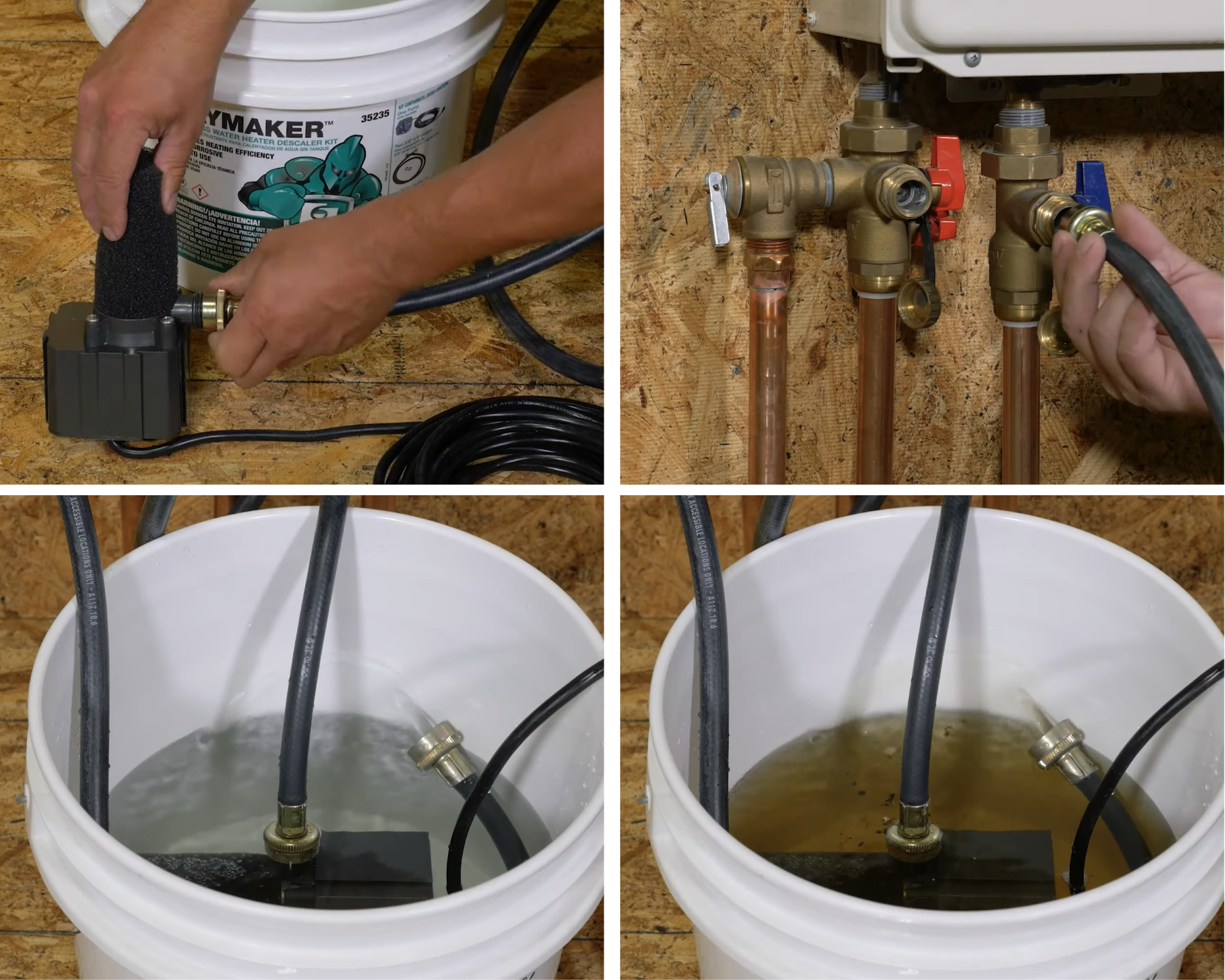
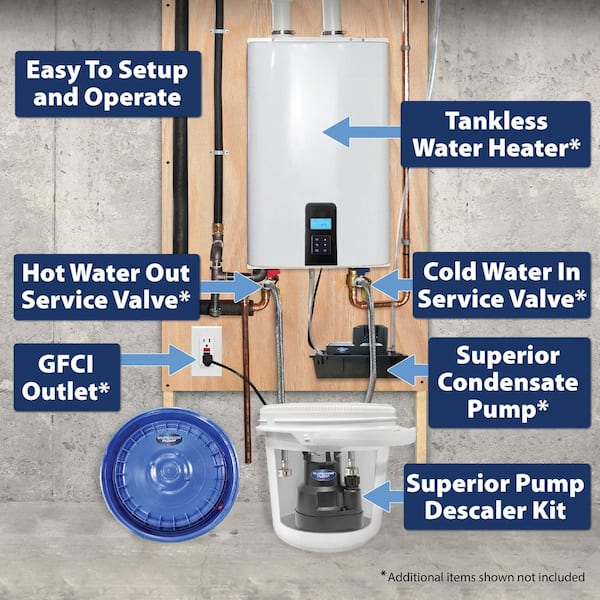
Attach one hose to the cold water inlet flushing port. Connect the other hose to the hot water outlet flushing port. Place both hoses into the bucket to circulate the descaling solution. Set up the submersible pump inside the bucket to move the liquid. This setup allows effective flushing of mineral buildup.

Credit: clearice.ae
Step-by-step Descaling Process
Descaling your tankless water heater keeps it running efficiently. Mineral buildup reduces heat transfer and lowers performance. Regular descaling prevents damage and extends the unit’s life. Follow these clear steps to flush and clean your heater safely and effectively.
Connecting Hoses To Flush Ports
First, turn off the water heater’s power and gas supply. Locate the cold water inlet and hot water outlet flush ports. Attach one hose to the cold water inlet port. Connect the second hose to the hot water outlet port. Place the other ends of both hoses into a bucket. Make sure the hoses fit tightly to avoid leaks.
Circulating The Descaling Solution
Pour the descaling solution into the bucket. Use white vinegar or a commercial descaler. Insert a submersible pump into the bucket to circulate the solution. Turn on the pump to move the liquid through the heater. Run this cycle for 45 to 60 minutes. This removes mineral buildup inside the unit.
Flushing With Fresh Water
Turn off the pump and empty the bucket. Remove any remaining descaling solution from the system. Fill the bucket with fresh water. Restart the pump to flush the water heater. Let fresh water run for at least 5 minutes. This clears out any leftover descaling chemicals.
Restoring And Testing The Unit
Remove the hoses and close the flush ports securely. Turn on the water supply to the heater. Restore power and gas to the unit. Run hot water at a faucet to check for proper flow. Confirm the water heater heats efficiently without leaks.
Tips For Hard Water Areas
Hard water causes more mineral buildup in tankless water heaters. This buildup reduces heater efficiency and can damage parts. Follow these tips to keep your heater clean and working well in hard water areas. Regular care prevents costly repairs and extends the heater’s life.
Frequency Of Descaling
Descale your tankless water heater more often in hard water areas. Aim for every 3 to 6 months. Check your water hardness level to set the best schedule. Frequent descaling stops heavy scale buildup. This keeps your heater running smoothly and saves energy.
Stronger Solutions And Precautions
Use stronger descaling solutions in hard water zones. Commercial products with citric or methanesulfonic acid work well. White vinegar can work but may need longer soaking time. Always follow product instructions carefully to avoid damage. Wear gloves and eye protection to stay safe. Rinse the system thoroughly after descaling to remove all residues.
Credit: www.homedepot.com
Maintaining Peak Performance
Maintaining peak performance in your tankless water heater ensures it runs efficiently and lasts longer. Regular upkeep prevents scale buildup, which can reduce heating power and increase energy use. Simple steps help keep your unit clean and working at its best.
Regular Cleaning Schedule
Set a cleaning routine every 6 to 12 months. This helps remove mineral deposits that block water flow. Use a descaling solution or diluted white vinegar for flushing. Regular cleaning keeps heat transfer efficient and avoids costly repairs.
Monitoring Water Quality
Check your water hardness regularly. Hard water contains minerals that cause scaling inside the heater. Consider installing a water softener if hardness is high. Good water quality reduces scale buildup and protects your heater.
Professional Inspection
Hire a technician to inspect your heater yearly. They can spot hidden issues and clean parts thoroughly. Professionals ensure safe operation and maintain warranty conditions. Regular inspections extend your heater’s lifespan and performance.
Frequently Asked Questions
What Can I Use To Descale A Tankless Water Heater?
Use diluted white vinegar or commercial descalers like Flow-Aide, Chromex, or Hercules Haymaker for tankless water heater descaling.
How Often Should You Descale Tankless Water Heaters?
Descale tankless water heaters at least once a year. Increase frequency in hard water areas to maintain efficiency and prevent damage.
Is Vinegar Or Descaler Better For Tankless Water Heaters?
Specialized commercial descalers work better for tankless water heaters than vinegar. They dissolve deposits faster and protect components. Vinegar suits light buildup but may require longer soaking. Always follow your heater’s manual for recommended descaling solutions and procedures.
Can I Flush My Tankless Water Heater Myself?
Yes, you can flush your tankless water heater yourself by following the manufacturer’s instructions carefully. Use a descaling solution, connect hoses, and flush the system to remove mineral buildup safely. Always turn off power and gas before starting. Wear safety gear and work in a ventilated area.
Conclusion
Regular descaling keeps your tankless water heater working well. Use the right descaling solution for your model. Always follow the manufacturer’s instructions carefully. Turn off power and water before starting the process. Flush the system thoroughly to remove all buildup.
This simple maintenance extends your heater’s life and saves energy. Descaling prevents damage and keeps water flowing smoothly. Stay safe by working in a ventilated area. Routine care helps avoid costly repairs later on. Keep your water heater efficient with regular descaling steps.