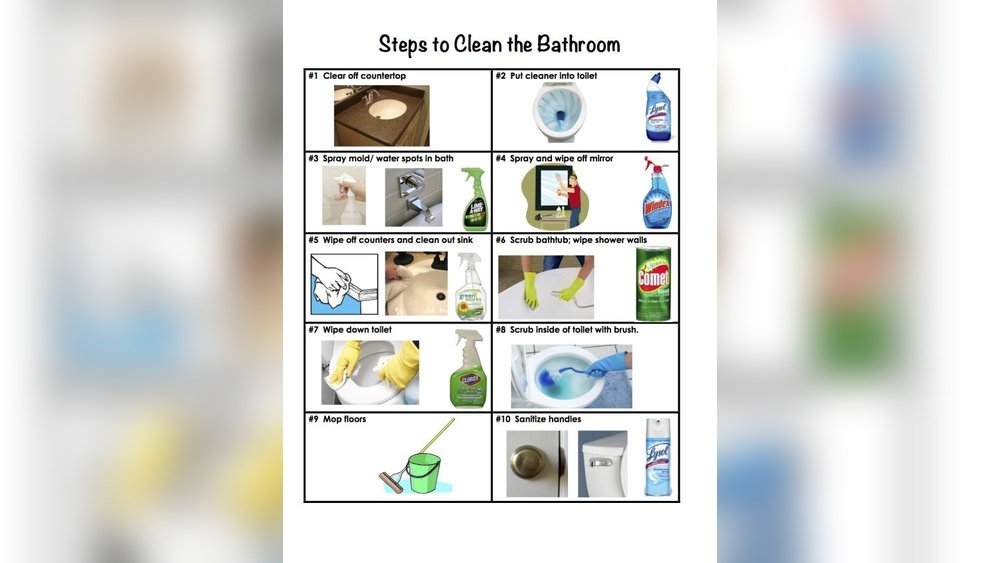
Cleaning the bathroom might not be anyone’s favorite job, but few things feel as refreshing as walking into a sparkling, fresh-smelling space. A clean bathroom is not only about appearance—it’s essential for health, comfort, and preventing mold and bacteria. Whether you’re a busy parent, a student, or just want to keep your home tidy, knowing the right steps and methods makes this task easier and more effective.
Let’s go through a complete, practical guide to cleaning your bathroom from top to bottom, including smart tips and solutions for common problems.
Why Bathroom Cleaning Matters
Bathrooms are warm and damp, which makes them a perfect place for germs, mold, and bacteria to grow. If you don’t clean your bathroom regularly, these unwanted guests can quickly multiply, causing stains, smells, and even health issues. Studies show that bathroom sinks and toilet handles can have more bacteria than a kitchen garbage bin. Regular cleaning helps keep your family safe, makes your bathroom last longer, and creates a more pleasant environment.
Tools And Products You’ll Need
Having the right tools makes cleaning faster and more effective. Gather these items before you start:
- Rubber gloves for hand protection
- Scrub brush or old toothbrush for small areas
- Microfiber cloths for wiping
- Sponge for surfaces
- Bucket for mixing solutions
- Spray bottle for cleaners
- Bathroom cleaner (or vinegar and baking soda for a natural option)
- Glass cleaner for mirrors
- Toilet brush
- Mop or floor wipes
If you prefer eco-friendly cleaning, vinegar and baking soda are great alternatives to chemical cleaners. But for tough stains and mold, a strong bathroom cleaner or diluted bleach may be necessary.
Preparing The Bathroom
Before you start scrubbing, do some quick preparation:
- Remove all items from counters, shelves, and the shower.
- Shake out rugs and mats, and put them in the wash if possible.
- Open a window or turn on the fan for ventilation.
- Put on rubber gloves to protect your hands.
This makes it easier to reach every surface and prevents your things from getting wet or sprayed.
Cleaning Order: Top To Bottom
It’s best to start at the highest points and work your way down. This way, dust and dirt from upper surfaces won’t fall onto already-cleaned areas.
Here’s a simple cleaning order:
- Ceiling and walls
- Mirrors and glass
- Counters and sinks
- Tubs and showers
- Toilet
- Floors
Let’s look at each area in detail.
Cleaning The Ceiling And Walls
Dust and cobwebs often hide in corners. Use a dry microfiber cloth or a duster to wipe the ceiling and upper walls. For tiles, spray with a bathroom cleaner or a solution of vinegar and water, then wipe down. Pay attention to areas above the shower, where steam can cause mold.
If you see black spots, use a cleaner with bleach and rinse well.
A common mistake is ignoring the bathroom fan. Dust can build up and reduce its power. Remove the cover (if possible) and clean with a damp cloth.
Making Mirrors Shine
Mirrors can get cloudy from toothpaste, water spots, and fingerprints. Spray with a glass cleaner or a mix of vinegar and water. Wipe with a microfiber cloth in a zig-zag motion to avoid streaks. For stubborn spots, use a little rubbing alcohol on a cotton pad.
An insight many miss: Don’t forget the edges of the mirror, where grime can collect. Wipe these carefully to keep the whole surface clear.
Sinks And Countertops
Bathroom sinks can quickly build up soap scum, toothpaste, and hair. Spray the sink and counter with bathroom cleaner, let it sit for a few minutes, then scrub with a sponge. Use an old toothbrush for the faucet base, handles, and drain area.
Don’t skip the overflow hole in the sink (the small hole near the top). This area traps bacteria and can smell over time. Scrub it gently with a brush.
Wipe counters and faucet handles dry with a clean cloth to avoid water spots and make them shine.
Bathtubs And Showers
Tubs and showers often get soap scum, hard water stains, and even mildew. For best results:
- Rinse surfaces with warm water.
- Spray with bathroom cleaner or a mix of vinegar and dish soap.
- Let it soak for 10–15 minutes.
- Scrub with a brush or sponge, paying extra attention to grout lines and corners.
- Rinse again with warm water.
If you have glass doors, spray with vinegar to remove water spots, then dry with a microfiber cloth. For tough grout stains, make a paste of baking soda and water, apply to the lines, let it sit, then scrub with a toothbrush.
Many people forget the showerhead. Mineral deposits can block water flow. Fill a plastic bag with vinegar, tie it around the showerhead, and leave for an hour. Remove and rinse well.

Credit: www.amenify.com
Toilet Cleaning: Step By Step
The toilet needs special attention for hygiene. Here’s how to do it thoroughly:
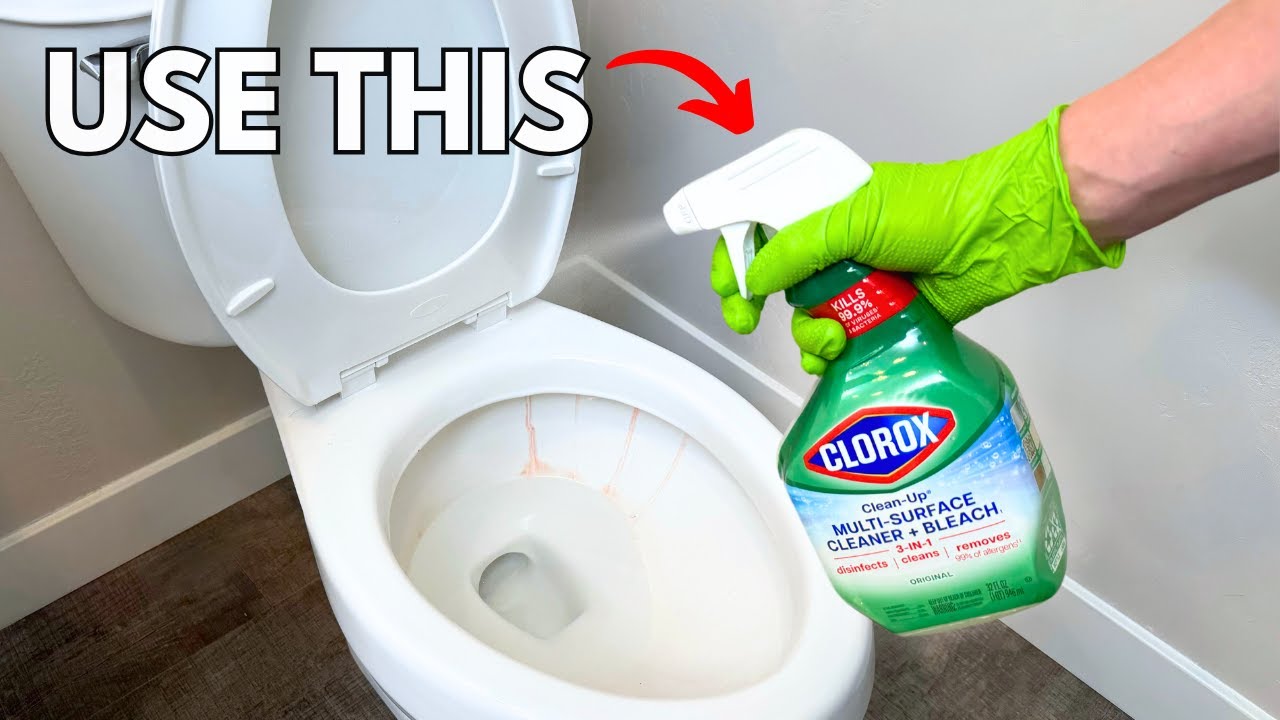
- Pour toilet cleaner or a cup of vinegar into the bowl. Let it sit.
- Scrub the bowl with a toilet brush, reaching under the rim.
- Wipe the seat, lid, and outside with disinfectant or a bleach wipe.
- Don’t forget the flush handle—it can harbor bacteria.
- For deep cleaning, unscrew the seat hinges and clean underneath.
Flush the toilet to rinse, and remember to clean your brush after use by rinsing with hot water and letting it dry.
Cleaning The Floor
Bathroom floors collect hair, dust, and spills. Sweep or vacuum first to remove loose dirt. Mop with a bathroom floor cleaner or a solution of 1 part vinegar to 3 parts water (avoid vinegar if you have stone tiles). Pay attention to corners and behind the toilet, where grime hides.
Use a separate cloth for the bathroom floor to avoid spreading germs from other rooms.

Credit: www.reddit.com
Tackling Grout And Mold
Grout lines between tiles can get dirty and even moldy. Use a paste of baking soda and water, apply to the grout, and scrub with a toothbrush. For stubborn mold, use a cleaner with bleach (open a window when using strong chemicals).
To keep grout clean longer, spray with a mix of water and vinegar once a week.
Managing Drains And Odors
Hair and soap can clog bathroom drains. Pour a kettle of boiling water down the drain every week to help prevent blockages. If the water drains slowly, use a plunger or a mixture of baking soda and vinegar, followed by hot water.
To keep your bathroom smelling fresh, open a window, use an exhaust fan, or place a bowl of baking soda on a shelf to absorb odors.
Cleaning Accessories And Fixtures
Don’t forget to clean smaller items like soap dishes, toothbrush holders, and light switches. These can collect grime and bacteria. Wash with warm soapy water, rinse, and dry before putting back.
Change towels and bath mats regularly to prevent mildew. Wash shower curtains in the washing machine every few months.
Disinfecting High-touch Areas
Some spots in the bathroom get touched more often than others. These include:
- Light switches
- Door handles
- Faucet handles
- Toilet flush lever
Wipe these with a disinfectant spray or wipe at least once a week.
How Often Should You Clean?
The frequency depends on bathroom use. Here’s a general guide:
| Task | Recommended Frequency |
|---|---|
| Toilet & Sink | Twice a week |
| Shower/Tub | Once a week |
| Floors | Once a week |
| Mirrors & Fixtures | Weekly |
| Deep Cleaning | Monthly |
If your bathroom is used by many people, consider cleaning more often.
Comparing Cleaning Products
There are many choices for bathroom cleaners. Here’s a quick comparison of popular options:
| Product Type | Strengths | Best For |
|---|---|---|
| Chemical Cleaners | Fast action, kills germs | Tough stains, disinfecting |
| Vinegar & Baking Soda | Eco-friendly, safe | Everyday cleaning, odor removal |
| Bleach | Removes mold, whitens grout | Moldy areas, toilets |
| Specialty Sprays | Targeted, easy to use | Glass, shower doors, limescale |
Choose products based on your bathroom’s needs and personal preferences.
Time And Effort: What To Expect
How long does cleaning a bathroom take? Here’s an approximate breakdown:
| Task | Time Needed |
|---|---|
| Quick Clean (sink, toilet, floor) | 15–20 minutes |
| Full Clean (all areas) | 45–60 minutes |
| Deep Clean (grout, vents, corners) | 1.5–2 hours |
If you clean regularly, each session will be faster and easier.
Two Insights Most People Miss
- Drying surfaces after cleaning: Many people leave surfaces wet after wiping. Drying with a microfiber cloth not only prevents water spots but also helps stop mold and mildew.
- Regular vent cleaning: Fans and vents are often forgotten. Cleaning them every few months boosts air quality and helps your bathroom dry out faster, which prevents mold.
Maintenance Tips For A Cleaner Bathroom
- Keep a squeegee in the shower to wipe down walls and doors after use.
- Use a daily shower spray to prevent soap scum.
- Store cleaning wipes under the sink for quick touch-ups.
- Teach everyone in your home to rinse sinks after use and hang towels to dry.
Small habits make big differences in bathroom cleanliness.
Frequently Asked Questions
How Can I Remove Hard Water Stains From Glass Shower Doors?
Mix equal parts of vinegar and water, spray on the glass, and let it sit for 10 minutes. Scrub with a non-scratch sponge, then rinse and dry with a microfiber cloth. For extra tough stains, use a commercial limescale remover—always follow the product instructions.
What’s The Safest Way To Clean A Bathroom If I Have Allergies?
Choose fragrance-free cleaners and avoid sprays with strong scents. Wear gloves and a mask, keep the room well-ventilated, and use a damp cloth to trap dust instead of a dry one.
Credit: www.youtube.com
How Do I Keep My Bathroom Smelling Fresh All The Time?
Keep the room dry by running a fan or opening a window. Empty trash bins often. Place a small bowl of baking soda or activated charcoal on a shelf to absorb odors, and wash towels and mats regularly.
Can I Use The Same Cleaner For All Bathroom Surfaces?
Not always. Some surfaces like natural stone or special finishes need specific cleaners. For example, avoid vinegar on marble or granite. Always check the manufacturer’s recommendations and test a small area first.
Where Can I Find More Information About Safe Bathroom Cleaning?
The Centers for Disease Control and Prevention (CDC) offers reliable, science-backed cleaning advice.
A clean bathroom is about more than just looks—it’s about health, comfort, and peace of mind. With the right steps and a few smart habits, you can keep your bathroom fresh and hygienic every day. Remember, cleaning gets easier the more often you do it, so build it into your routine and enjoy a space you can truly relax in.