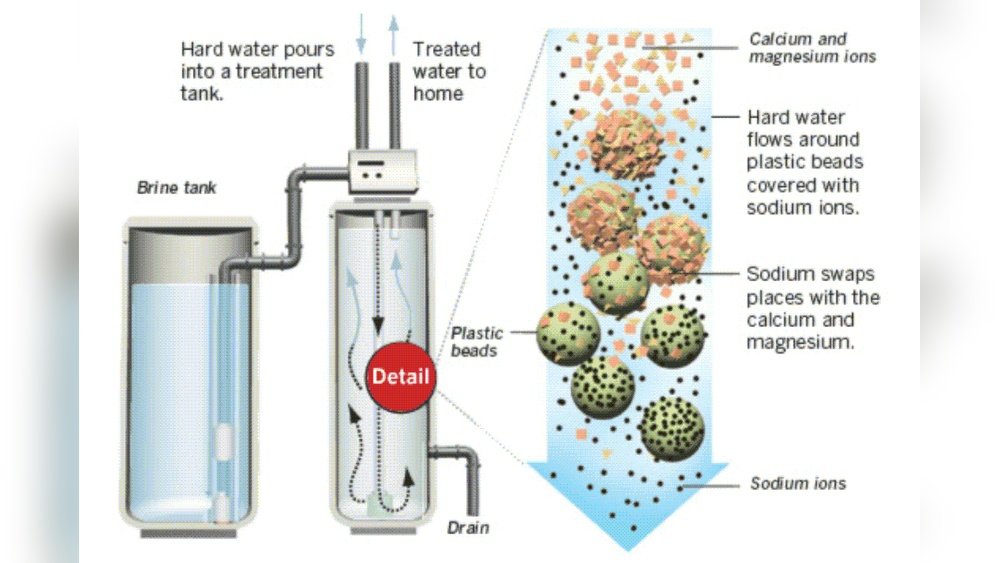
If you’ve ever wondered, “How long should a water softener last?” you’re not alone. Your water softener is a key player in keeping your home’s water clean, smooth, and free from hard minerals that can damage pipes, appliances, and even your skin.
But like any home appliance, it won’t last forever. Knowing when to repair, maintain, or replace your water softener can save you money and prevent unexpected headaches. You’ll discover how long a typical water softener lasts, what factors affect its lifespan, and clear signs that it’s time for a change.
Stick with us to make sure your water softener keeps working efficiently for years to come.

Credit: www.culligan.com
Water Softener Lifespan
Water softeners play a vital role in reducing hard minerals in your water. Knowing how long a water softener lasts helps you plan for maintenance or replacement. The lifespan varies based on many factors including the type and quality of the unit. Understanding these differences ensures you get the best performance and value from your system.
Average Lifespan By Type
Different types of water softeners have distinct lifespans. Traditional salt-based softeners usually last between 10 to 15 years. Salt-free systems often have shorter lifespans, around 5 to 7 years. Magnetic and electronic conditioners may last 3 to 5 years but offer different benefits. Regular maintenance can extend the life within these ranges.
Impact Of Quality On Durability
Higher quality water softeners tend to last longer and require less frequent repairs. Brands with durable resin beds and strong valves can function well for over 15 years. Cheaper models often use lower-grade materials that wear out faster. Investing in a reputable brand usually means better parts and customer support. Proper installation and routine care also improve durability.
Factors Influencing Lifespan
The lifespan of a water softener depends on several key factors. Understanding these helps you estimate how long your system will work effectively. Each factor plays a role in wear and tear. Knowing them allows better care and timely replacement.
Below are the main elements that influence how long a water softener lasts.
Water Hardness Levels
Water hardness is the amount of minerals like calcium and magnesium. Higher hardness means the system works harder to remove minerals. This increases wear on the resin and other parts. Softer water causes less stress and extends the lifespan.
Household Water Usage
More water use means the softener regenerates more often. Frequent regeneration wears out the resin and valve components faster. Larger families or homes with heavy water use may shorten the softener’s life. Smaller households put less strain on the system.
Maintenance Habits
Regular maintenance keeps the system running smoothly. Cleaning the brine tank and checking salt levels prevents damage. Ignoring maintenance causes salt bridges and resin fouling. Proper upkeep can add years to the life of a water softener.
Water Quality And Sediment
Water with high sediment or iron content can harm the system. Sediment clogs valves and wears resin beads. Iron deposits cause staining and reduce efficiency. Using filters before the softener helps protect the system and prolong its life.
Signs Of Wear And Failure
Water softeners play a vital role in managing hard water problems. Over time, these systems can show signs of wear or start to fail. Spotting these signs early helps avoid costly damage and keeps water quality high. Here are some common indicators that a water softener may need attention or replacement.
Scale Buildup And Stains
One clear sign of a failing water softener is scale buildup. You may notice white or chalky deposits on faucets, showerheads, and inside appliances. These deposits come from minerals not being removed effectively. Stains around sinks and bathtubs, such as reddish or yellowish marks, also suggest softener issues. This means hard water minerals are escaping treatment.
Decreased Water Pressure
Water pressure often drops when a softener wears out. Mineral deposits can clog pipes and valves within the system. This blockage reduces the flow of water to your taps and showers. Low water pressure affects daily tasks and hints that the softener needs inspection or repair.
Clothes And Dish Issues
Clothes washed in hard water may feel stiff or scratchy. Fading colors and rough fabric texture are common signs. Dishes and glassware might show spots and film after washing. These problems occur because the softener no longer removes minerals properly. It impacts laundry and dishwashing results negatively.
Credit: www.bobvila.com
Repair Vs Replacement
Deciding between repairing or replacing your water softener can be tricky. The right choice depends on the unit’s condition, age, and repair costs. Understanding when each option makes sense saves money and keeps your water quality high.
When To Repair
Repair is wise for minor issues that don’t cost much to fix. Problems like cleaning the resin bed or fixing salt bridges suit repairs well. If your water softener is from a trusted brand with available parts, repairs are easier. Warranty coverage also makes repairing more affordable. Small problems that happen rarely should be repaired to extend the softener’s life.
When To Replace
Replacement fits old units with repeated breakdowns. If repairs get costly, replacing the softener is smarter long-term. Cheap or low-quality units often lack spare parts, making replacement necessary. New models work more efficiently and use less salt. Modern features in new softeners improve performance and save resources. If the softener is over 10 years old, replacement is usually best.
Cost-benefit Considerations
Compare repair costs to the price of a new softener. Frequent repairs add up quickly and reduce savings. A new softener means fewer repairs and better efficiency. Consider energy use and salt consumption too. Professionals can help evaluate costs and benefits. Their advice ensures you make the best choice for your home and budget.
Improving Softener Longevity
Extending the life of your water softener saves money and ensures better water quality. Proper care helps the system work efficiently for many years. Follow simple steps to keep the softener in good condition and avoid early breakdowns.
Regular Maintenance Tips
Check the softener regularly for any signs of wear or leaks. Clean the brine tank to remove dirt and sludge that reduce efficiency. Clear any salt bridges that form and block salt from dissolving. Rinse the resin bed as recommended to keep it working well. Follow the manufacturer’s guidelines for routine care.
Salt Management
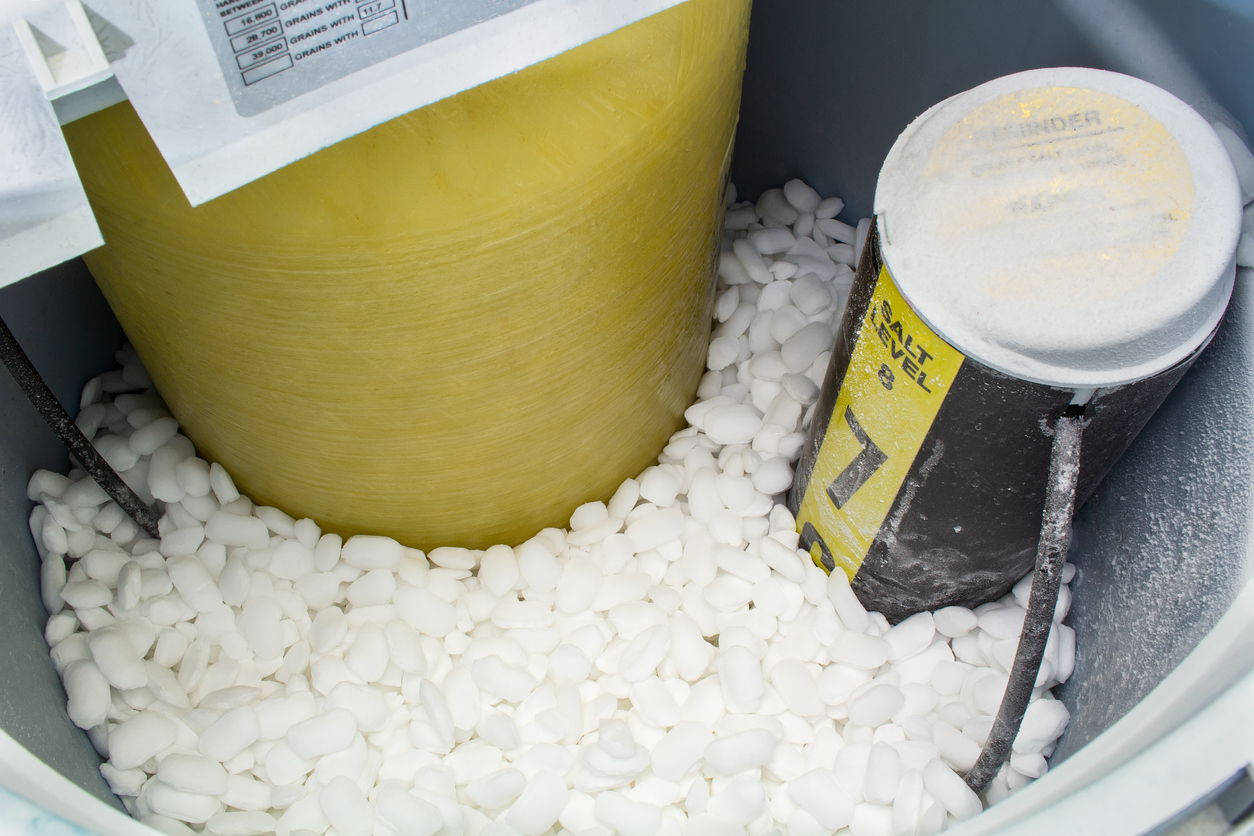
Use the right type of salt for your water softener. Keep the salt level above the water line to avoid salt bridges. Avoid using rock salt as it leaves more residue inside the tank. Refill the salt before it runs out completely. Proper salt management helps the system regenerate properly and last longer.
Professional Inspections
Schedule annual inspections with a water treatment expert. They can spot problems early and fix them before they worsen. Professionals test water hardness and softener performance. They clean and service parts that are hard to reach. Regular professional checkups keep the system reliable and extend its lifespan.
Credit: americanhomewater.com
Upgrading To Modern Systems
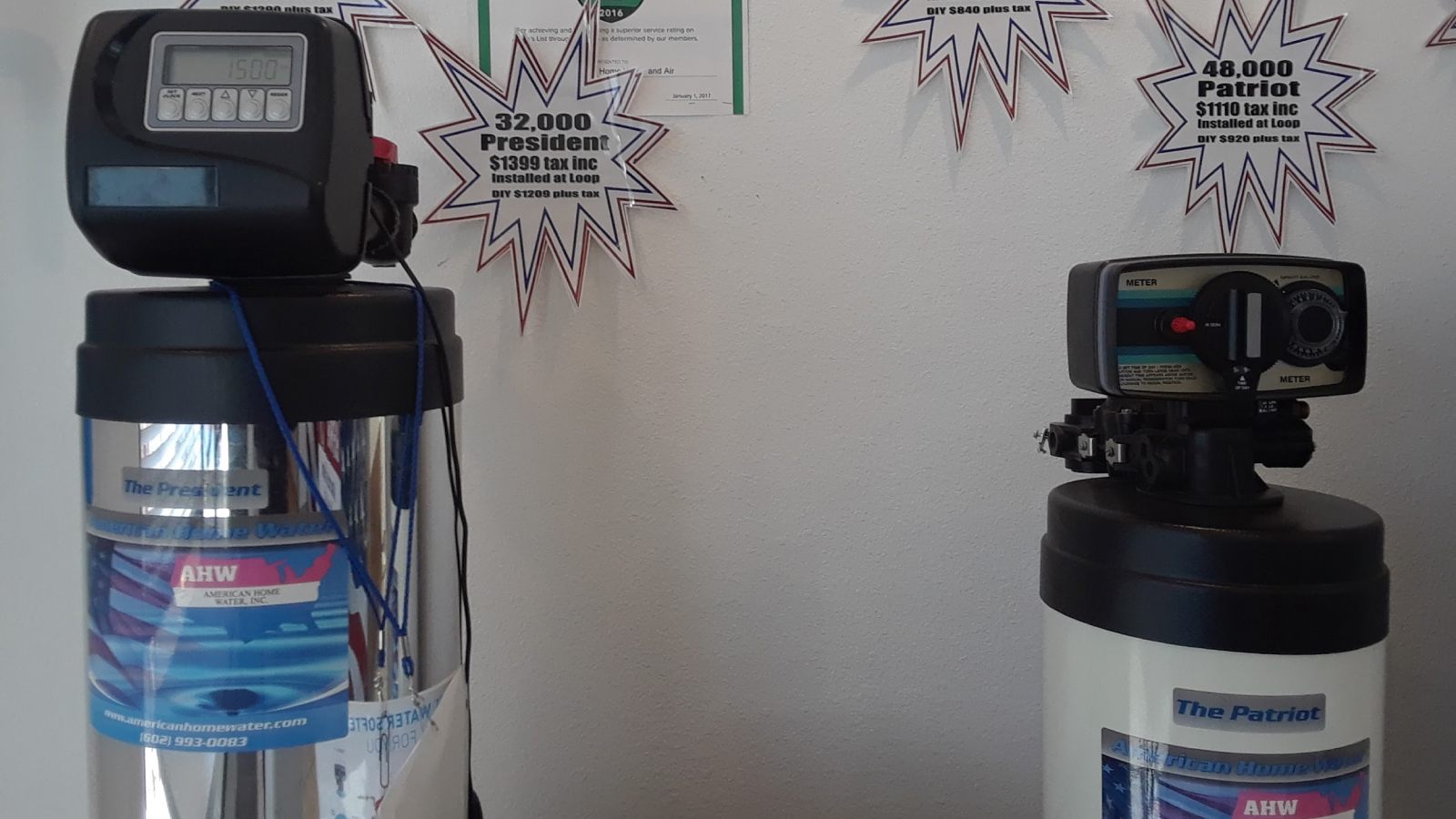
Upgrading to a modern water softener system can enhance your home’s water quality and reduce maintenance hassles. New models bring many advantages over older units. They deliver better performance and use resources more wisely. Investing in the latest technology helps you enjoy soft water with less effort and cost. Explore the benefits of modern systems below.
Efficiency Improvements
Modern water softeners use less salt and water during regeneration. This lowers waste and reduces your utility bills. Advanced systems adjust to your water usage automatically. They avoid unnecessary cycles, saving energy and salt. This makes them more eco-friendly and cost-effective. Efficiency improvements extend the life of your softener.
Advanced Features
New units include smart controls for easier operation. Some models connect to your smartphone for remote monitoring. You can track salt levels and usage patterns with ease. Timers and sensors optimize softener cycles. These features prevent salt bridges and clogs. Advanced technology ensures consistent water softness without extra effort.
Long-term Savings
Though modern systems cost more upfront, they save money over time. Reduced salt and water use lowers ongoing expenses. Fewer repairs and less maintenance cut additional costs. Energy-efficient softeners also reduce electricity bills. Upgrading can increase your home’s value. The savings add up, making replacement a wise choice.
Frequently Asked Questions
How Do You Know When Your Water Softener Needs To Be Replaced?
Replace your water softener if you notice scale buildup, stains, crusts, mineral spots, scratchy clothes, or low water pressure. Frequent repairs and old age also signal replacement need. New models offer better efficiency and features, saving money long-term.
Is It Worth Fixing A Water Softener?
Fix a water softener if issues are minor and repair costs are low. Replace it if repairs are frequent, costly, or the unit is old and inefficient. New models save salt and energy, offering better performance and reliability. Consult a professional for the best decision.
What Is The Average Life Expectancy Of A Water Softener?
The average life expectancy of a water softener ranges from 10 to 15 years. Proper maintenance can extend its lifespan. Regular salt refills and resin cleaning help keep it efficient. Replace the unit if frequent repairs or performance drops occur.
How Do I Know If My Water Softener Is Bad?
Signs of a bad water softener include scale buildup, stains on faucets, white crusts, mineral spots, scratchy clothes, fading colors, and low water pressure.
Conclusion
A water softener usually lasts about 10 to 15 years. Regular maintenance helps extend its life. Watch for signs like stains or low water pressure. Small repairs can keep it working well. But repeated issues may mean it’s time to replace.
New models often save water and salt. Choose quality brands for longer use and easier fixes. Check with a professional to decide the best option. Keeping your water softener in good shape protects your home and saves money.