Camping trips can bring families and friends together in nature, but keeping your kitchen gear organized outdoors can be a challenge. Food, cookware, utensils, and cleaning supplies easily get scattered, creating stress and wasted time. With smart camping kitchen storage ideas, you can enjoy meals at your campsite without hassle or mess. This guide explores practical solutions, creative DIY tips, and expert advice for organizing your cooking space under the open sky.
Why Good Camping Kitchen Storage Matters
A well-organized camp kitchen does more than look tidy. It actually makes your trip smoother and safer. When you know where everything is, meal prep is faster and more enjoyable. You can keep food fresh, protect it from wildlife, and avoid cross-contamination.
Plus, with smart storage, you pack lighter and find things quickly—even in the dark.
Most beginners overlook two things: how much time they’ll waste searching for a spatula, and how much space small items actually take up when not organized. Good storage keeps your gear clean, dry, and accessible—no matter the weather or group size.
Essential Principles For Camping Kitchen Organization
Before diving into specific ideas, it helps to know the basics that work in any setup:
- Group by Use: Store items by activity—cooking, cleaning, eating.
- Protect from Weather: Use waterproof or sealed containers for food and electronics.
- Pack Compactly: Choose items that nest, fold, or collapse to save space.
- Quick Access: Keep frequently used items at the top or in outside pockets.
- Safety First: Store sharp and flammable items separately.
Following these principles means you spend less time searching and more time enjoying.
Credit: www.takethetruck.com
Smart Storage Containers For Camp Kitchens
The right containers can transform your outdoor kitchen. Here’s a look at popular options:
| Container Type | Best For | Pros | Cons |
|---|---|---|---|
| Plastic Bins | Bulk gear, food | Stackable, waterproof, affordable | Can be bulky, may crack in cold |
| Soft-sided Bags | Utensils, snacks | Flexible, lightweight, easy to pack | Less protective, not waterproof |
| Hanging Organizers | Small items, spices | Saves table space, easy to see | Needs a spot to hang, less stable |
| Mesh Bags | Produce, drying dishes | Breathable, quick-drying | Not rodent-proof, limited structure |
Choose a mix that fits your group size and trip length. For example, families often use large bins for food and a hanging organizer for utensils and spices.
Camp Kitchen Boxes And Chuck Boxes
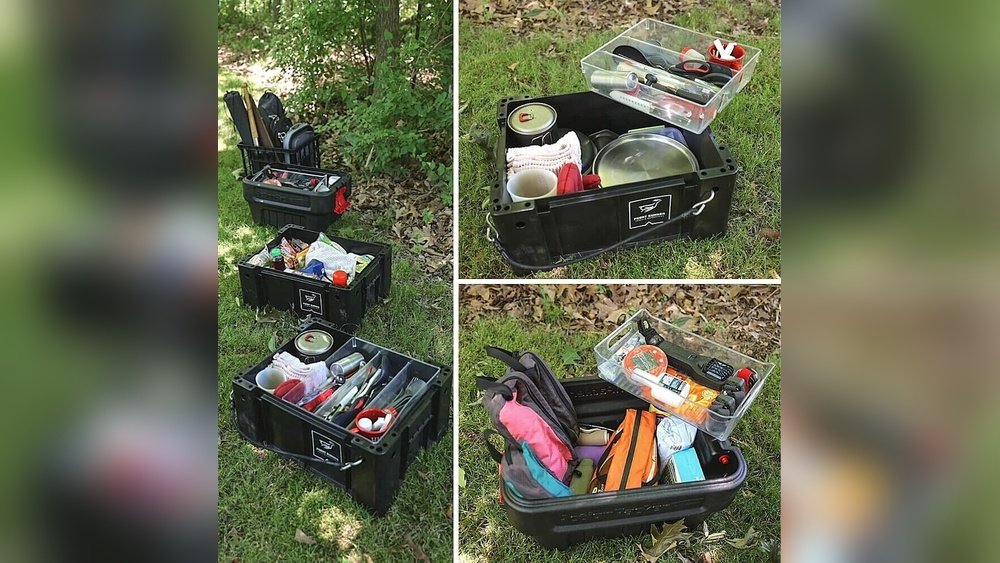
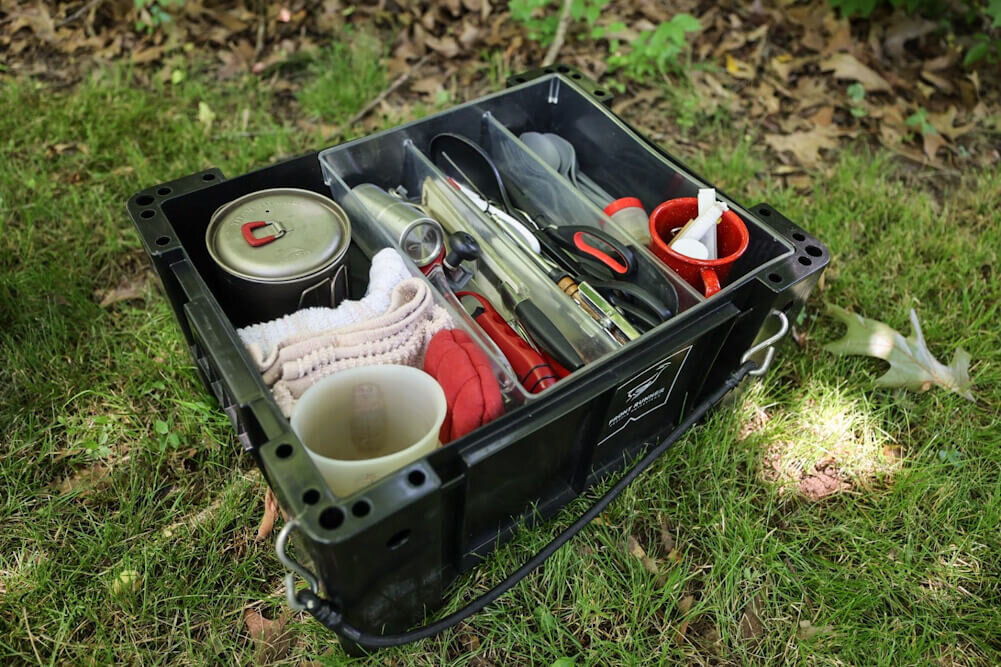
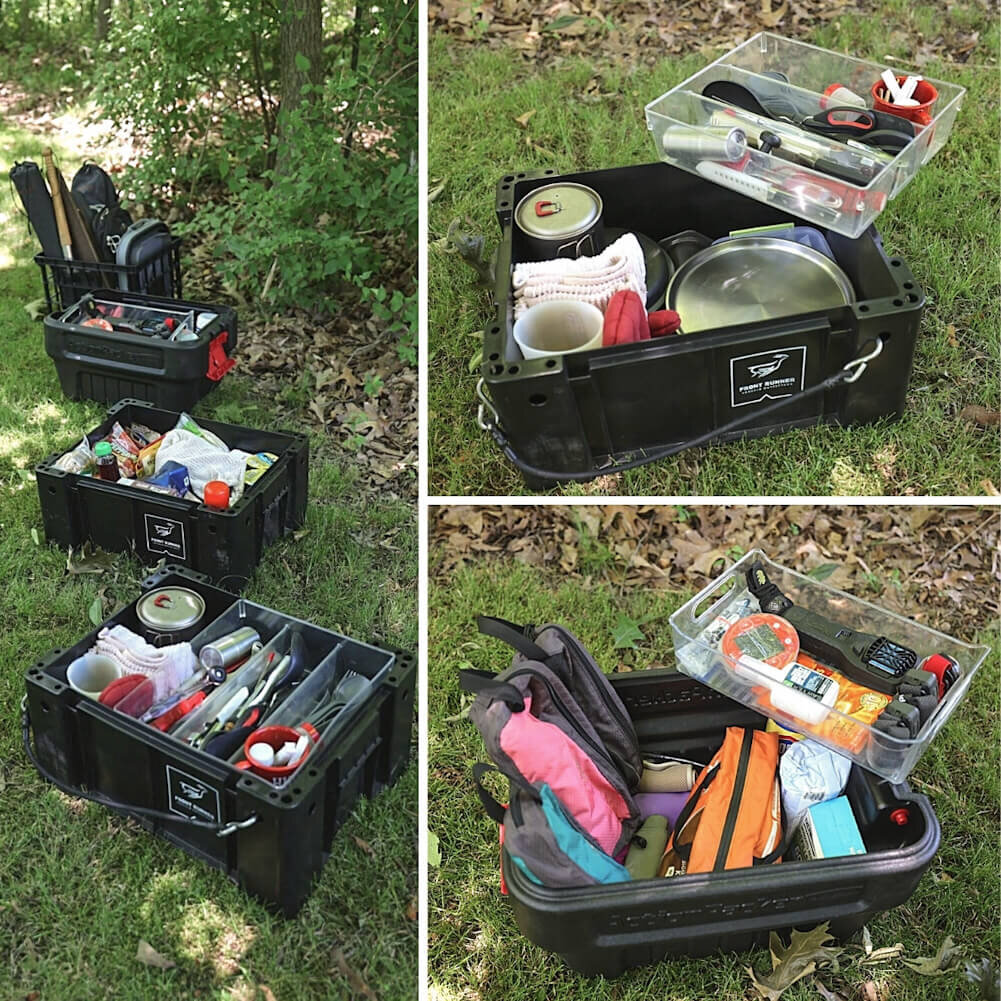
A camp kitchen box—sometimes called a chuck box—is a classic solution for keeping everything together. These boxes are often made from sturdy plastic or wood and have compartments for pots, pans, cutlery, and cleaning supplies.
Some experienced campers build custom chuck boxes with fold-out shelves and drawers. Others buy pre-made models that include a work surface and slots for fuel or water jugs. The key is to keep all your kitchen gear in one place, ready to go.
If you want an easy starter, a large plastic tote with a tight lid works well. Label each compartment or use smaller bins inside for organization. One non-obvious tip: line the bottom with a silicone mat. This prevents spills from spreading and makes cleaning easier.
Hanging Storage Solutions
Hanging storage is a game-changer for small campsites or when the ground is wet. Use a hanging pantry or a shoe organizer (with clear pockets) to store seasonings, utensils, or snacks. Hang it from a tree, canopy, or even a rope between two poles.
Another clever solution is a portable utensil roll. This fabric roll holds knives, forks, and tools securely, and can be hung for easy access. Hang a mesh bag for drying dishes, keeping them off the dirt and away from bugs.
Many beginners forget that hanging organizers also keep food out of reach of small animals. This small adjustment can prevent ruined meals and lost supplies.
Collapsible And Nesting Cookware
Space is precious when camping, so collapsible and nesting cookware is a must. Collapsible bowls, cups, and dishpans flatten for packing. Nesting pots and pans fit inside each other, using one lid for several pieces.
A standard nesting cook set usually includes a pot, pan, lid, and sometimes plates or cups. Collapsible silicone bowls double as mixing or serving containers. This type of gear not only saves space but also makes repacking your kitchen fast.
One insight many miss: check that all pieces really fit together before buying. Some cheap sets don’t nest well, wasting the space you hoped to save.

Credit: thewalkingmermaid.com
Food Storage And Safety
Keeping food fresh and safe is vital outdoors. Use airtight containers for dry goods like rice or pasta. For cold items, a quality cooler with ice packs or frozen water bottles keeps things fresh for days.
Here’s a quick comparison of common cooler types:
| Cooler Type | Cooling Time | Portability | Cost |
|---|---|---|---|
| Hard-sided (rotomolded) | 4-6 days | Heavy | High |
| Soft-sided | 1-3 days | Lightweight | Medium |
| Styrofoam | 12-24 hours | Very light | Low |
Always store meat and dairy at the bottom, where it’s coldest. Separate raw and cooked foods to avoid contamination. For longer trips, consider freeze-dried meals or vacuum-sealed packs.
For dry storage, use rodent-proof containers and keep them off the ground, especially in areas with wildlife like raccoons or bears. In bear country, use a food locker or hang food 10 feet off the ground and 4 feet from the tree trunk.
Diy Storage Hacks For Camp Kitchens
You don’t have to buy expensive gear to have a well-organized camp kitchen. Here are smart DIY ideas:
- Pill Organizer for Spices: Fill each compartment with a different spice for compact flavor on the go.
- Tic-Tac Boxes for Small Items: Store matches, toothpicks, or salt.
- Plastic Shoe Boxes: Use for grouping similar items—one for cleaning, one for snacks.
- Binder Clips: Hang dish towels or trash bags from a table or tent pole.
- Milk Crates: Stackable and sturdy for holding pots or canned food.
A less obvious hack: use a foldable hanging file organizer to hold plates and cutting boards vertically. This saves table space and keeps items easy to grab.
Keeping Things Clean And Tidy
Cleanliness is crucial in the outdoors, where bugs and animals are common. Create a wash station with a collapsible sink, biodegradable soap, and a drying rack. Store a small trash bag in a plastic coffee container to prevent leaks and odors.
Pack a microfiber towel for quick drying and a spray bottle with diluted vinegar for wiping surfaces. Always keep cleaning supplies together in a labeled bag or box.
If you camp in areas with strict “Leave No Trace” rules, remember to pack out all trash and food scraps. Use mesh bags for drying and storing dishes, but make sure they’re fully dry before packing to prevent mold.
Packing And Repacking Tips
Packing your kitchen gear is as important as organizing it at the campsite. Here’s how to do it efficiently:
- Lay out all items before packing to spot duplicates or missing gear.
- Pack by frequency: Place items you use most on top or in outside pockets.
- Label bins for large groups or families.
- Test the weight: Make sure one person can lift each bin.
A smart tip is to keep a checklist on your phone or in your kitchen box. Update it after each trip to remember what worked and what didn’t.
Kitchen Storage For Different Camping Styles
Not all campers travel the same way. Your storage needs change based on how you camp:
- Car Camping: You can bring larger bins, coolers, and a fold-out kitchen box.
- Backpacking: Focus on ultralight, compact, and multi-use items.
- RV Camping: Use drawer organizers, shelf risers, and magnetic spice strips.
- Family Camping: Group gear by meal (breakfast, lunch, dinner) in color-coded bins.
Here’s a sample for how your setup might change:
| Camping Style | Storage Focus | Sample Item |
|---|---|---|
| Backpacking | Lightweight, compact | Collapsible bowl |
| Car Camping | Bulk, durability | Large plastic bin |
| RV Camping | Built-in, organized | Drawer dividers |
| Family Group | Meal-based, color-coded | Labeled totes |
Choose the right storage based on your camping style for the best experience.
Mistakes To Avoid In Camp Kitchen Storage
Many campers—especially beginners—make mistakes that waste time or cause problems. Watch out for these:
- Overpacking: Bringing too many “just in case” items leads to clutter.
- Ignoring Weather: Not using waterproof containers means wet or ruined food.
- Leaving Food Unsecured: This attracts animals and insects.
- Poor Labeling: Mixed-up bins make finding things hard, especially for kids.
- Forgetting Cleaning Supplies: This leads to messy, unhygienic campsites.
A common oversight is not testing your setup at home. Practice packing, unpacking, and repacking before your trip. This step saves stress and surprises in the wild.
Credit: www.takethetruck.com
Upgrading Your Camp Kitchen Over Time
As you gain experience, adjust your system. Add gear that solves real problems, not just trendy gadgets. For example, a compact spice kit or a collapsible dish rack can make a big difference. Keep notes after each trip on what could be improved.
One advanced tip: consider modular storage. Use bins that snap together or stack, so you can adjust based on trip length or group size.
Resources For More Ideas
Learning from experienced campers can give you new ideas. Online forums, outdoor gear shops, and trusted websites like REI Expert Advice offer detailed guides, gear reviews, and trip-tested hacks. Reading reviews helps avoid poor-quality products and wasted money.
Frequently Asked Questions
How Do I Keep Food Safe From Animals At The Campsite?
Always store food in airtight, animal-proof containers. In areas with bears, use a bear canister or hang food at least 10 feet off the ground and 4 feet from the tree trunk. Never keep food in your tent.
What Is The Best Way To Organize Utensils And Small Items?
Use a hanging organizer or a utensil roll. These keep items visible and off the ground. Small containers like Tic-Tac boxes are great for matches or spices.
Can I Use Regular Kitchen Items For Camping?
Yes, but choose sturdy, lightweight, and multi-use items. Avoid glass and fragile materials. Test everything at home to ensure it fits your storage system.
How Do I Keep My Camp Kitchen Clean?
Set up a wash station with a collapsible sink, biodegradable soap, and a drying rack. Store cleaning gear together, use a trash container with a secure lid, and wipe surfaces with a spray bottle of diluted vinegar.
What Storage System Works Best For Families?
Color-coded bins or labeled totes work well for families. Group gear by meal or activity. Assign each person a set of utensils and a spot for their items, making it easy for everyone to help and find what they need.
With the right camping kitchen storage ideas, outdoor cooking becomes simple, safe, and enjoyable. Start small, stay organized, and improve your setup after each trip. The perfect camp kitchen is the one that works for you and helps create great memories in the wild.