Are you wondering if a reverse osmosis (RO) system is the right choice for your home? With so many water purification options out there, it’s easy to feel overwhelmed.
You want clean, safe water—but is an RO system really worth the investment? Before you decide, it’s important to understand how these systems work, their true benefits, and the hidden downsides that could affect your daily life. You’ll discover everything you need to know to make a smart, confident choice about your water quality.
Keep reading to find out if reverse osmosis is the solution your home needs—or if there’s a better way to get fresh, pure water.
How Reverse Osmosis Works
Reverse osmosis (RO) is a water purification method. It uses pressure to push water through a special membrane. This membrane blocks impurities and lets clean water pass. The process removes many contaminants, making the water safer to drink. RO systems use several steps to ensure thorough filtration.
Membrane Filtration Process
The heart of RO is the semi-permeable membrane. This membrane has tiny pores that allow only water molecules through. Larger particles like salts, chemicals, and bacteria cannot pass. Pressure forces water from a high concentration of impurities to a low concentration area. This reverses natural osmosis, hence the name “reverse osmosis.”
The membrane blocks dissolved solids and contaminants. This includes heavy metals, chlorine, and fluoride. It also removes some viruses and bacteria. The result is very pure water, free from many harmful substances.
Stages Of Filtration
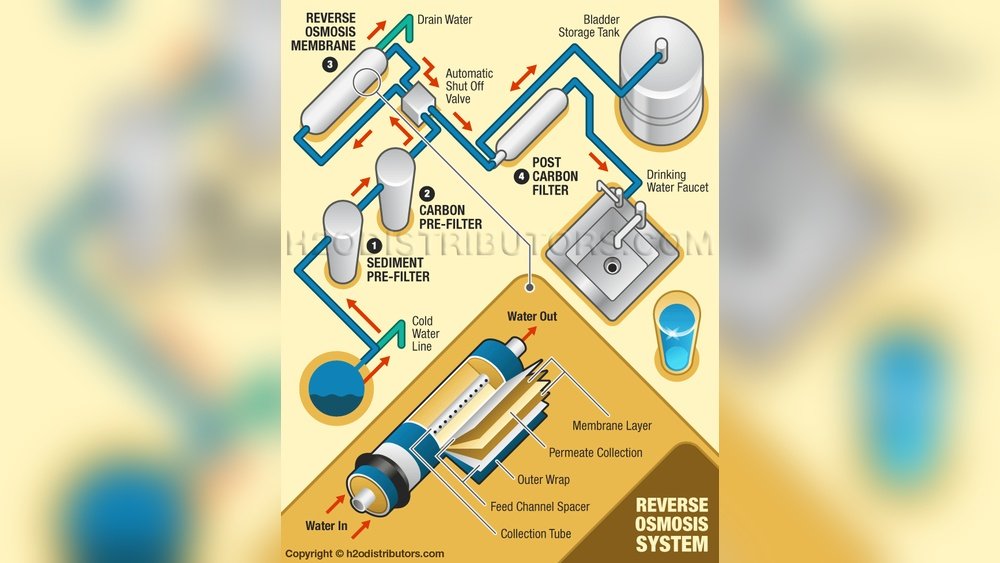
RO systems usually have multiple filtration stages. Each stage targets different types of impurities. First, a pre-filter removes sediment and large particles. This protects the membrane from clogging. Next, the water passes through the RO membrane for deep purification.
After the membrane, a post-filter improves taste and odor. Some systems add a remineralization stage. This adds back healthy minerals removed by the membrane. Finally, the purified water goes to a storage tank for use. These stages work together to deliver clean and great-tasting water.
Key Benefits Of Ro Systems
Reverse osmosis (RO) systems offer several clear benefits for home water purification. These systems remove many impurities, making water safer and cleaner. They also enhance the taste and smell of water. Convenience and health benefits add to their appeal. Understanding these key advantages helps decide if an RO system fits your needs.
Effective Contaminant Removal
RO systems use a special membrane to filter out harmful substances. This includes heavy metals, chlorine, and chemicals. They also reduce bacteria and viruses in water. The process removes up to 99% of many contaminants. This level of purification is hard to match with other filters.
Improved Taste And Odor
Removing chlorine and other chemicals improves water taste. The water tastes fresher and cleaner with an RO system. Bad odors caused by impurities disappear. This makes drinking water more enjoyable. Cooking with purified water also enhances food flavor.
Health Advantages
RO systems reduce harmful substances linked to health risks. Clean water lowers chances of illness from waterborne germs. The removal of contaminants protects the immune system. Proper hydration with pure water supports overall health. Some systems add minerals back for better health benefits.
Convenience And Accessibility
RO systems provide clean water right at your tap. No need to buy bottled water or use pitchers. Installation under the sink saves space and offers easy access. Many systems include storage tanks for instant water supply. This makes pure water available anytime for your family.
Common Drawbacks Of Ro Systems
Reverse osmosis (RO) systems offer clean drinking water but come with some drawbacks. Understanding these helps decide if an RO system fits your needs. These common issues include water waste, mineral loss, slow filtration, and more. Each factor affects how practical and cost-effective the system will be for your home.
Water Waste Issues
RO systems often waste more water than they produce. For every gallon of purified water, several gallons can go down the drain. This inefficiency raises concerns about water conservation, especially in areas facing drought or water restrictions.
Mineral Removal Concerns
These systems remove not only harmful contaminants but also beneficial minerals like calcium and magnesium. The water may taste flat or bland without these minerals. Some users add a remineralization filter to restore healthy minerals and improve flavor.
Slow Filtration Speed
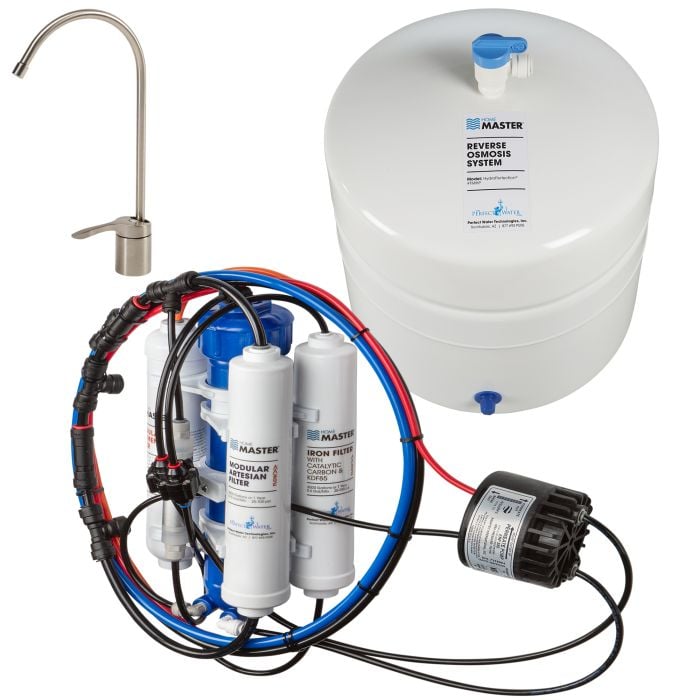
RO filtration works slowly because water must pass through a fine membrane. This process can take time, especially without a storage tank. High water demand may require extra equipment like a booster pump to speed up flow.
Higher Costs And Maintenance
RO systems have higher upfront costs than basic filters. They need regular filter and membrane changes to work well. Installation can be complex, often requiring professional help. Over time, maintenance adds to the total expense.
Potential Bacterial Growth
Removing chlorine can create an environment where bacteria grow if filters are not changed regularly. Without UV or additional post-filters, bacterial contamination is possible. Proper upkeep is essential to keep water safe.
Incomplete Contaminant Filtration
RO membranes do not remove all contaminants. Some viruses, chemicals, or volatile organic compounds (VOCs) may pass through. Combining RO with other filtration methods improves overall water quality.
Electricity Dependence
Many RO systems require electricity to operate pumps or UV lights. Power outages can disrupt water supply. This reliance may not suit all households, especially in areas with unstable power.
Credit: www.reddit.com
Ways To Overcome Ro Limitations
Reverse osmosis (RO) systems have drawbacks that can affect water efficiency and quality. Overcoming these issues enhances their benefits. Simple upgrades and smart choices improve RO system performance. These ways help reduce waste and improve water taste and safety.
Reducing Water Waste
RO systems typically waste water during filtration. Installing a permeate pump lowers this waste by increasing water pressure. This pump recycles some wastewater back into the system. Another option is using a water-efficient RO system designed to reduce reject water. These methods conserve water and lower utility bills.
Reintroducing Essential Minerals
RO removes beneficial minerals like calcium and magnesium. Adding a remineralization filter restores these minerals to the water. This filter improves water taste and health benefits. Some systems include alkaline filters that raise pH levels for better flavor. This step balances pure water with essential minerals.
Adding Extra Filtration Stages
RO alone may not remove all contaminants such as viruses or VOCs. Adding UV sterilizers kills bacteria and viruses effectively. Activated carbon filters reduce chemicals and odors. These extra stages boost water safety and quality. Combining filters creates a more complete purification process.
Choosing Energy-efficient Models
Some RO systems require electricity to run pumps or UV lights. Selecting energy-efficient models lowers power use. Look for systems with energy-saving certifications and smart controls. Efficient models cut operating costs and environmental impact. Energy-wise choices make RO systems more sustainable.
Comparing Ro With Other Filtration Methods
Choosing the right water filtration system is important for clean and safe drinking water. Reverse osmosis (RO) is popular, but other methods also work well. Comparing RO with carbon filters, gravity filters, and UV purification helps understand their strengths and weaknesses. Each method removes different impurities and suits different needs.
Ro Vs Carbon Filters
Carbon filters remove chlorine, bad tastes, and odors from water. They work fast and cost less than RO. Carbon filters do not remove dissolved solids or heavy metals well. RO uses a membrane to remove many impurities, including salts and chemicals. RO water is purer but slower to produce. Carbon filters keep healthy minerals, while RO removes them. Both need regular filter changes for best results.
Ro Vs Gravity Filters
Gravity filters use pressure from water weight to push water through a filter. They are simple, do not need electricity, and are portable. Gravity filters remove some bacteria and sediments but not dissolved solids. RO systems remove a wider range of contaminants, including hard-to-filter chemicals. RO requires water pressure and can waste water. Gravity filters are better for camping or areas without power. RO is better for daily home use with high water purity needs.
Ro Vs Uv Purification
UV purification uses ultraviolet light to kill bacteria and viruses. It does not remove chemicals or sediments. RO removes chemicals, heavy metals, and many particles but not all viruses unless combined with UV. UV systems work quickly and need electricity but do not waste water. RO systems produce very clean water but are slower and waste some water. Combining RO with UV offers broad protection but costs more. Each system protects from different risks.
Credit: www.theperfectwater.com
Cost Analysis And Long-term Value
Evaluating the cost and long-term value of reverse osmosis (RO) systems helps decide their worth. These systems require upfront spending and ongoing costs. Understanding these expenses clarifies the total investment. Consider initial price, upkeep, energy use, and return over time. This section breaks down each factor for easy comparison.
Initial Investment
RO systems usually cost more than basic water filters. Prices vary by brand and capacity. Installation can add to the cost, especially if plumbing changes are needed. Higher quality units with extra features tend to be pricier. Budgeting for this upfront is essential for a smooth start.
Maintenance Expenses
Filters and membranes need regular replacement. This keeps water clean and system efficient. Costs depend on usage and water quality. Some parts last six months, others up to two years. Neglecting maintenance may cause damage and higher repair bills. Plan for annual expenses to avoid surprises.
Energy Costs
RO systems use electricity to power pumps and controls. Energy consumption varies by model and water pressure. Some systems are energy-efficient and cost less to run. Others may increase monthly utility bills noticeably. Checking product energy ratings helps estimate these ongoing costs.
Return On Investment
RO systems improve water quality, reducing bottled water purchases. Health benefits come from removing contaminants and impurities. Savings grow over time by avoiding expensive bottled water. Clean water supports household health and appliance longevity. Calculating savings versus costs shows if the system pays off.
Ideal Users For Ro Systems
Reverse osmosis (RO) systems serve specific water needs. They suit users facing water quality challenges or health concerns. Understanding who benefits most helps in making a good choice. RO systems are not for everyone but fit well in many homes. Below are key groups that find RO systems useful.
Households With Contaminated Water
Homes with unsafe tap water gain the most from RO systems. These systems remove harmful chemicals, heavy metals, and pollutants. They improve water taste and safety. Areas with industrial waste or old pipes often have contaminated water. RO systems ensure cleaner water for drinking and cooking.
Health-conscious Consumers
People focused on health prefer RO water for purity. The system removes bacteria, viruses, and toxins. This reduces risks linked to waterborne illnesses. Clean water supports better hydration and overall wellness. Health-conscious users trust RO to provide safe water daily.
Areas With Hard Water
Hard water contains high mineral levels, causing scaling and damage. RO systems soften water by filtering out excess minerals. This protects plumbing and appliances from buildup. Soft water also improves soap and detergent effectiveness. Residents in hard water zones benefit from RO filtration.
Families With Specific Medical Needs
Some families require very pure water for health reasons. People with kidney problems or weakened immune systems need clean water. RO systems reduce contaminants that could worsen these conditions. They provide peace of mind by delivering safer water. Such families often rely on RO systems daily.

Credit: www.amazon.com
Installation And Maintenance Tips
Installing and maintaining a reverse osmosis (RO) system properly ensures clean, safe water and extends the system’s life. Simple, regular care keeps the system working efficiently. Understanding installation options, filter changes, cleaning, and water quality checks helps users avoid issues and enjoy better water quality.
Professional Vs Diy Installation
Professional installation guarantees correct setup and avoids leaks. Experts handle plumbing connections and system calibration. DIY installation saves money but requires some plumbing skills. Follow the manufacturer’s instructions carefully. Incorrect installation can cause damage or poor water quality. Choose a method based on your confidence and experience.
Filter Replacement Schedule
Filters need regular replacement to keep water pure. Pre-filters often last 6 to 12 months. RO membranes usually require changing every 2 to 3 years. Check the system manual for exact timing. Ignoring filter changes reduces water flow and quality. Mark your calendar or set reminders to replace filters on time.
System Cleaning Practices
Cleaning your RO system prevents bacteria and mineral buildup. Flush the system periodically using clean water or recommended cleaning solutions. Sanitize the storage tank once or twice a year. Always turn off the water supply before cleaning. Keep the system dry and avoid direct sunlight to protect components.
Monitoring Water Quality
Testing your water ensures the RO system performs well. Use TDS (Total Dissolved Solids) meters to check water purity. A sudden rise in TDS means filters may need replacement. Taste and odor changes also signal maintenance needs. Regular monitoring helps catch problems early and keeps water safe for drinking.
Frequently Asked Questions
What Are The Downsides Of Reverse Osmosis?
Reverse osmosis wastes water, removes beneficial minerals, and filters slowly. It costs more, may miss some contaminants, and requires electricity and regular maintenance.
Do You Really Need A Reverse Osmosis System?
A reverse osmosis system improves water purity by removing contaminants and dissolved solids. It suits areas with poor water quality. Consider costs, water waste, and maintenance before installing. Adding remineralization and extra filters enhances taste and safety. Choose RO if you need high-quality drinking water.
What Is Better Than A Reverse Osmosis System?
Ultrafiltration and activated carbon filters often outperform reverse osmosis by preserving minerals and wasting less water. Combining UV purification can enhance safety. These systems offer faster filtration, lower costs, and fewer maintenance needs, making them better alternatives depending on water quality and usage requirements.
Why Am I Thirsty After Drinking Reverse Osmosis Water?
Thirst after drinking reverse osmosis water occurs because it lacks minerals, which can make it taste flat and less hydrating.
Conclusion
Reverse osmosis systems offer clear water by removing many contaminants. They use more water and remove healthy minerals too. Some models need electricity and regular care to work well. Consider your water needs and budget before buying. Adding a remineralization filter can improve taste and health benefits.
Using pumps or tankless designs helps reduce water waste. These systems suit people wanting very pure water despite higher costs. Balance benefits and drawbacks carefully to decide if reverse osmosis fits your home. Clean water matters, so choose wisely.