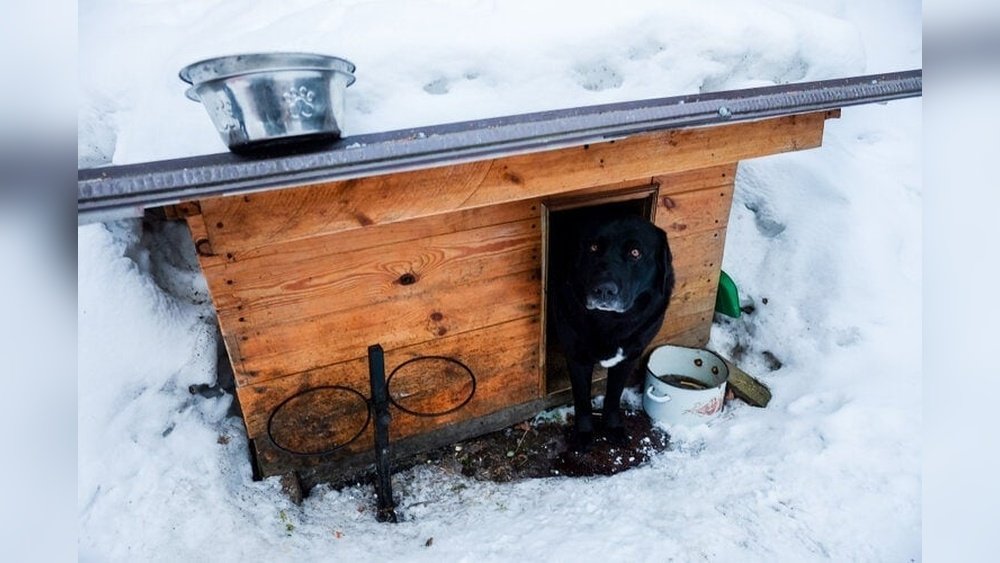
When the temperature drops, keeping your dog warm and comfortable becomes a top priority. You want to make sure your furry friend has a cozy place to escape the cold, especially if they spend time outdoors.
But how do you heat a dog house safely and effectively without risking their health or your home? You’ll discover the best way to heat a dog house that keeps your pet snug, saves energy, and avoids common dangers like overheating or fire hazards.
Read on to find simple, practical solutions that you can set up quickly—because your dog deserves the best warmth this winter.
Safe Heating Devices
Safe heating devices keep your dog warm without risks. They provide steady warmth and prevent accidents. Choosing the right device helps avoid burns, fires, and electrical hazards. These devices work best inside insulated doghouses with proper protection.
Temperature-controlled Pads
Temperature-controlled pads heat gently and evenly. They turn on only when your dog lies on them. This stops overheating and saves energy. Many pads have chew-resistant cords for safety. These pads are soft and fit inside dog beds or houses.
Specialized Doghouse Heaters
Specialized doghouse heaters are made for pets. They have thermostats to keep the temperature steady. Some models fit perfectly inside doghouses. They turn off automatically if the doghouse gets too warm. These heaters are safe and easy to use.
Low-wattage Ceramic Heaters
Low-wattage ceramic heaters use little power and stay warm. They have safety features like tip-over and overheat protection. Place them off the floor to avoid moisture contact. These heaters work well in small spaces like doghouses. Always watch your dog around any heater.
Credit: www.librosdealdaran.com
Insulation Techniques
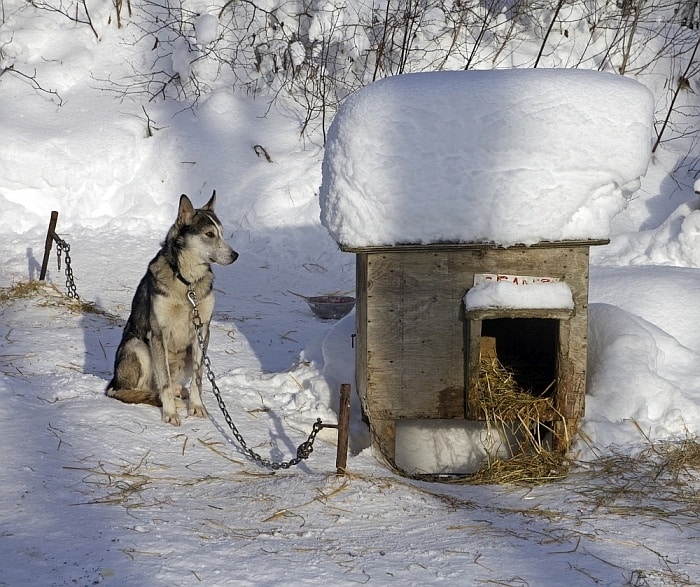
Proper insulation keeps your dog house warm and cozy during cold days. It blocks cold air and traps heat inside. Using good insulation techniques reduces the need for extra heaters. This saves energy and keeps your pet safe. Below are three effective ways to insulate your dog house for better warmth.
Foam Board Walls And Roofs
Foam boards are lightweight and easy to install. Cut them to fit inside walls and roof panels. They create a strong barrier against cold and wind. Use waterproof tape to seal gaps between foam boards. This stops drafts and heat loss. Foam boards also resist moisture, keeping the dog house dry.
Elevating The Doghouse
Raising the dog house off the ground prevents cold from seeping up. Use pallets, bricks, or blocks to lift it a few inches. Elevation also improves air circulation under the house. This helps keep the floor dry and warm. It reduces the risk of mold and pests entering the shelter.
Flap Doors For Wind Protection
Flap doors block cold wind and keep warmth inside. Use heavy vinyl or thick fabric for the flap. Attach it over the entrance so your dog can push it open easily. The flap closes behind your pet, sealing the door. This simple addition cuts drafts and protects against rain and snow.
Electrical Safety Tips
Heating a dog house safely requires careful attention to electrical safety. Proper precautions protect your pet and home from accidents. Using electricity indoors or outdoors can pose risks if not managed well. Follow these key tips to keep electrical components safe and effective.
Chew-resistant Cord Protection
Dogs often chew on cords, which can cause shocks or fires. Use chew-resistant cord covers made from tough materials. Metal conduit or plastic tubing works well to shield wires. Keep cords off the ground and away from your dog’s reach. Check cords regularly for damage and replace them if needed.
Using Timers To Regulate Heat
Timers help control when the heater turns on and off. This prevents overheating and reduces energy use. Set the timer to warm the dog house only during cold hours. Timers also extend the heater’s lifespan by avoiding constant running. Choose timers that are easy to program and designed for outdoor use.
Avoiding Fire Hazards
Never leave heaters unattended inside the dog house. Avoid heat sources that can ignite bedding or wood. Use heating pads or ceramic heaters with automatic shut-off features. Keep flammable materials away from all electrical parts. Install smoke alarms near the dog house for extra safety. Regularly inspect all equipment for signs of wear or damage.

Credit: www.amazon.com
Heating Methods To Avoid
Some heating methods for dog houses are risky. Avoid them to keep pets safe and warm. These methods may cause fires, burns, or electric shocks. Choosing the wrong heat source can harm your dog or damage the dog house. Learn which methods to avoid.
Heat Lamps Risks
Heat lamps get very hot and can start fires. Dogs may knock them over or chew cords. The lamp’s glass can break, causing burns or sparks. Heat lamps do not spread heat evenly. They create hot spots that can hurt your dog. Avoid using heat lamps inside or near dog houses.
Standard Space Heaters
Standard space heaters use high electricity and can overheat easily. They may tip over and cause fires. Most are not designed for outdoor use or small spaces like dog houses. Moisture or rain can cause electric shocks. Dogs can chew cords, risking electrocution. These heaters are unsafe for pet areas.
Open Flame Dangers
Open flames include candles, gas heaters, and kerosene lamps. Flames can burn your dog or start house fires. They consume oxygen and produce harmful fumes. Open flames are hard to control and unsafe around pets. Never use open flames to heat a dog house.
Comfort Enhancements
Enhancing comfort inside a dog house is essential for your pet’s warmth and well-being. Simple improvements can make the space cozy and inviting. Proper bedding, the right materials, and smart heating choices create a warm shelter. These comfort enhancements keep your dog happy during cold weather.
Adding Bedding Materials
Soft bedding helps trap heat and provides a warm spot to rest. Use blankets or pet-safe cushions that are easy to clean. Replace bedding regularly to keep it dry and free from dirt. Avoid materials that retain moisture, as dampness can cause discomfort and illness. Bedding adds an extra layer of insulation from cold floors.
Choosing Straw Over Hay
Straw is an excellent choice for insulation inside a dog house. It resists moisture better than hay and holds heat well. Straw creates a dry, warm environment that helps keep your dog comfortable. Hay tends to mold quickly and can carry pests. Using straw reduces the risk of allergies and keeps the space cleaner.
Floor Heating Considerations
Heating the floor can greatly improve warmth inside the dog house. Heated mats designed for pets offer safe, gentle heat. Place the mat under the bedding for even warmth. Avoid direct contact with electrical cords to protect your dog. Insulate the floor beneath to stop cold from seeping up. Raised floors prevent moisture buildup and increase comfort.
Diy Heating Solutions
DIY heating solutions offer practical ways to keep your dog’s house warm. These methods help maintain a cozy space without relying on expensive equipment. You can customize each solution to fit your dog’s needs and your budget. Safety remains a top priority in every step.
Simple tools and materials often deliver effective results. Below are some easy-to-follow ideas to heat your dog house safely and efficiently.
Installing Heated Pads
Heated pads designed for pets provide gentle, consistent warmth. They activate when your dog lies on them, saving energy. Choose pads with chew-resistant cords to prevent damage. Place the pad inside the dog house, avoiding direct contact with water. Secure the cords to keep them safe from chewing or moisture.
Building Insulated Houses
Insulation keeps heat inside the dog house and cold outside. Use foam boards or reflective insulation materials on walls and roofs. Seal gaps to stop drafts. Adding straw or blankets inside offers extra warmth. An insulated dog house reduces the need for constant heating.
Protecting Electrical Components
Protect all electrical parts from moisture and chewing. Cover cords with metal mesh or conduit for safety. Keep plugs and outlets off the ground and away from water. Use timers to control heating duration and prevent overheating. Regularly inspect all components for damage or wear.
Maintaining Warmth Efficiently
Keeping your dog house warm without wasting energy is essential for your pet’s comfort and safety. Efficient warmth maintenance helps reduce heating costs and keeps the shelter cozy throughout cold days and nights. Focus on simple, effective steps to trap heat inside the dog house and protect it from cold outside elements.
Elevating For Cold Ground
Raising the dog house off the cold ground stops heat loss. Use pallets, bricks, or wooden blocks as a base. This creates air space under the shelter, acting as insulation. It also prevents moisture from seeping inside. Elevation keeps your dog dry and warmer.
Insulating To Retain Heat
Insulation slows down heat escape and keeps cold air out. Use foam boards or straw inside walls and floor. Cover the roof with reflective material to bounce heat back inside. Thick bedding adds extra warmth and comfort. Proper insulation lowers energy use and keeps warmth steady.
Securing Heating Equipment
Choose heaters designed for pets with safety features. Place heating pads or small heaters where your dog can’t chew wires. Secure cords with protective covers or conduit. Avoid open flames or heat lamps that cause fire risks. Use thermostats or timers to control temperature and save power.

Credit: www.youtube.com
Frequently Asked Questions
What Is The Safest Way To Heat A Dog House?
Use pet-specific heated pads or thermostatic heaters inside an insulated, elevated doghouse with a flap door. Protect cords from chewing and moisture. Avoid heat lamps and open flames to prevent fire risks. Add extra bedding for warmth and comfort.
What Is The Best Thing To Put In A Dog House For Warmth?
The best warmth for a dog house comes from insulated walls, elevated floors, pet-safe heated pads, and cozy bedding like straw or blankets.
How Cold Is Too Cold For A Dog House?
Too cold for a dog house is below 45°F (7°C) for most breeds. Insulate and provide heat below this temperature.
How To Heat A Doghouse Without Electricity?
Heat a doghouse without electricity by insulating walls and roof, elevating it off the ground, adding straw bedding, and using sunlight exposure.
Conclusion
Keeping your dog warm during cold months is simple with the right approach. Use insulated and elevated doghouses to block cold air. Choose pet-safe heating pads or thermostatically controlled heaters for steady warmth. Always protect electrical cords from chewing and moisture.
Avoid unsafe options like heat lamps or open flames. A well-heated doghouse ensures your pet stays comfortable and healthy. Small steps make a big difference in your dog’s winter comfort.