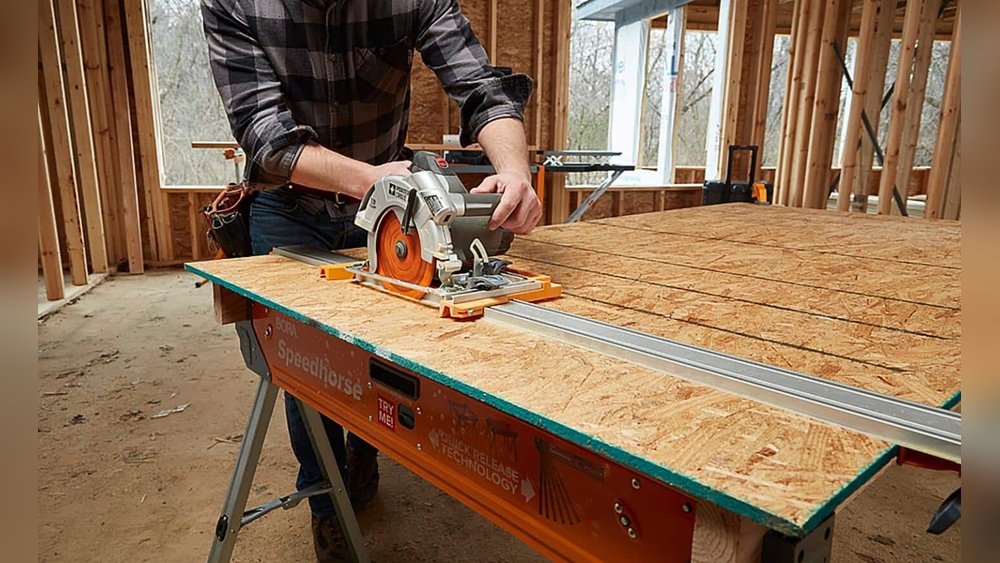
Are you ready to tackle your next woodworking project with confidence? Learning how to use a circular saw can open up a world of possibilities, letting you make clean, precise cuts quickly and safely.
Whether you’re cutting plywood, trimming boards, or shaping materials, mastering this powerful tool will save you time and effort. In this guide, you’ll discover simple, step-by-step instructions that anyone can follow—no experience needed. By the end, you’ll know how to handle your circular saw like a pro, avoid common mistakes, and achieve perfect cuts every time.
Let’s get started and turn your ideas into reality!
Choosing The Right Circular Saw
Choosing the right circular saw is key to making clean, precise cuts safely. The right tool depends on the type of projects you plan to tackle and the materials you will cut. Understanding the different types, blade options, and power sources helps you pick a saw that fits your needs.
Types Of Circular Saws
Circular saws come in several styles. Sidewinder saws are compact and lightweight, good for most wood cutting tasks. Worm drive saws have more torque and power, ideal for heavy-duty jobs. Hypoid saws offer smooth, quiet operation with high torque. Choose a type that matches your project size and cutting frequency.
Blade Selection
Blades vary in size, tooth count, and material. A 7-1/4 inch blade is the most common size and fits most saws. Fewer teeth cut faster but rougher. More teeth give smoother cuts but slower progress. For wood, use carbide-tipped blades for durability. Select blades based on material—wood, metal, or masonry—to ensure clean, safe cuts.
Power Sources
Circular saws run on corded electric power or batteries. Corded models provide consistent power for long jobs. Cordless saws offer portability and convenience without cords. Battery life and motor power vary, so check specs before buying. Match the power source to your workspace and project demands for best results.

Credit: www.wikihow.com
Setting Up Your Saw
Setting up your circular saw correctly is key to safe and precise cutting. Proper setup helps prevent mistakes and accidents. Before you start cutting, take time to adjust important parts of your saw. This section guides you through essential setup steps.
Adjusting Blade Depth
Blade depth affects how clean and safe your cut will be. Set the blade so it extends about 1/4 inch below the wood surface. Too deep can cause kickback and rough edges. Too shallow may not cut through the material fully. Use the depth adjustment lever or knob to set it.
Setting The Bevel Angle
The bevel angle controls the tilt of your blade. Most saws allow angles from 0 to 45 degrees. Set it to 0 degrees for straight cuts. Adjust the angle for angled or beveled cuts. Loosen the bevel adjustment, tilt the base plate, and tighten it firmly to hold the angle.
Checking Base Plate Alignment
The base plate guides your saw along the wood. It must be parallel to the blade for straight cuts. Inspect the plate and blade alignment visually. Use a square to measure the angle between them. Adjust screws or bolts if the plate is misaligned. Proper alignment prevents crooked cuts.
Preparing For The Cut
Before starting a cut with a circular saw, preparation is key. It helps ensure accuracy and safety. Taking time to set up your workpiece and tools makes the job easier and cleaner.
Proper preparation reduces mistakes and prevents accidents. It also helps you work faster and with more confidence. Focus on marking, clamping, and managing your workspace.
Marking Your Cut Line
Use a pencil or chalk to draw a clear line where you want to cut. Measure twice to avoid errors. A straight line guides the saw for a precise cut.
For longer cuts, consider using a straight edge or ruler. This keeps your line accurate and easy to follow. Bright, visible markings reduce guesswork during cutting.
Clamping And Supporting Material
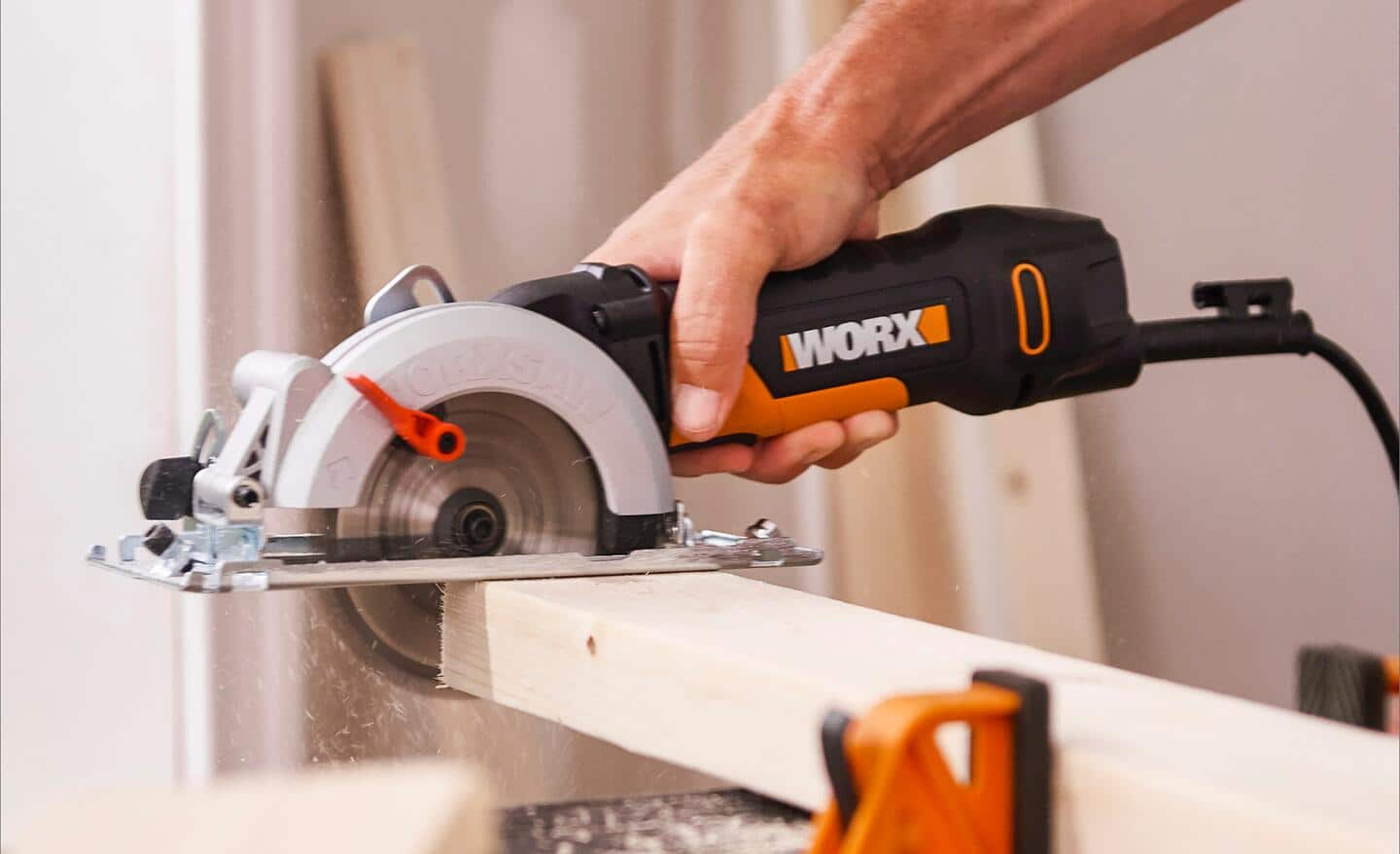
Secure the wood or material with clamps before cutting. Clamping stops it from moving or shifting. Movement can cause uneven cuts or kickback.
Support both sides of the cut to prevent splintering. Use saw horses or a sturdy table. Proper support keeps your work steady and safe.
Managing The Power Cord
Keep the power cord away from the cutting path. A tangled or caught cord can cause accidents or damage. Arrange the cord behind you or to the side.
Check the cord for any damage before use. A good cord connection ensures continuous power and safer operation. Stay aware of the cord position as you work.

Credit: www.youtube.com
Making Precise Cuts
Making precise cuts with a circular saw is key to a successful project. Accuracy ensures clean edges and proper fit. Small mistakes can ruin materials and waste time. Precision depends on steady control and proper tools. Follow these tips to improve your cutting accuracy and confidence.
Using Guides And Fences
Guides and fences help direct your saw along a straight line. Clamp a straight edge or a guide rail to the wood. The saw base rides against this guide to keep the cut straight. This method reduces errors from freehand cutting. Use a ruler or tape measure to mark the cut line first. Position the guide just outside the line for the blade width. Always double-check the clamp is secure before cutting.
Maintaining A Steady Hand
Hold the saw firmly with both hands. Keep your arms steady and elbows slightly bent. Avoid pushing too hard; let the saw do the work. Move the saw smoothly along the guide or cutting line. Sudden movements can cause the blade to wander. Stand in a balanced position to control the saw better. Take your time and focus on keeping the saw steady.
Controlling Saw Speed
Start the saw before it touches the wood. Let the blade reach full speed. Maintain a consistent cutting speed for a clean edge. Going too fast can cause rough cuts or kickback. Too slow can burn the wood or damage the blade. Adjust pressure and speed based on the wood type and thickness. Smooth, even speed creates the best results.
Common Cutting Issues
Using a circular saw can be straightforward, but cutting issues often arise. These problems affect the quality of your work and may cause safety risks. Knowing the common cutting issues helps you avoid mistakes and improve your results.
Straight Cut Problems
Straight cuts are crucial for many projects. Misaligned base plates or guides cause crooked cuts. A blade that is not set at the correct depth also leads to uneven lines. Holding the saw too tightly or moving it too fast can push the saw off track. Use a straight edge or clamp a guide to the wood for better control. Take your time and keep the saw steady for a clean cut.
Blade Dullness Effects
A dull blade makes cutting harder and less precise. It can burn the wood or cause rough edges. The saw motor works harder, which may overheat the tool. Dull blades increase the chance of kickback, a dangerous situation. Check your blade before each use. Replace or sharpen dull blades to keep cuts smooth and safe. A sharp blade saves time and effort.
Handling Material Binding
Material binding happens when the wood pinches the blade during a cut. This can stop the saw suddenly and cause kickback. Support the wood properly to avoid bending or shifting. Use a slow, steady feed rate, especially with thick or warped boards. Cutting from the right side of the line also helps reduce binding. Always keep your hands away from the blade and stay focused on the cut.
Safety Tips
Using a circular saw requires careful attention to safety. This tool is powerful and can cause serious injury without proper precautions. Follow these safety tips to protect yourself and work confidently.
Wearing Protective Gear
Always wear safety glasses to protect your eyes from flying debris. Use ear protection to reduce noise damage. Wear gloves to guard your hands against cuts and splinters. Avoid loose clothing that can catch in the saw. Use sturdy shoes to protect your feet.
Safe Saw Handling
Hold the saw firmly with both hands for control. Keep your fingers away from the blade path. Do not force the saw; let it cut at its own speed. Always cut on a stable surface to avoid slips. Unplug the saw before changing blades or making adjustments.
Blade Guard Usage
Never remove or disable the blade guard. Ensure the guard moves freely and covers the blade when not cutting. The guard helps prevent accidental contact with the blade. Check the guard before starting each cut for proper function. A working blade guard is essential for safe operation.
Maintaining Your Circular Saw
Maintaining your circular saw is key to keeping it safe and efficient. Regular care extends the tool’s life and ensures smooth cuts every time. Simple steps like cleaning, blade care, and proper storage make a big difference.
Cleaning And Lubrication
Clean your circular saw after each use. Remove sawdust and debris from the blade and motor vents. Use a soft brush or compressed air to clear tight spots. Keep moving parts lightly lubricated to prevent rust and wear. Avoid over-lubricating, which can attract dust and grime.
Blade Replacement
Replace the blade when it becomes dull or damaged. A sharp blade cuts cleanly and safely. Always unplug the saw before changing the blade. Use the right size and type of blade for your saw model. Tighten the blade securely to avoid wobbling during use.
Storage Practices
Store your circular saw in a dry, cool place. Keep it away from moisture and dust. Use a protective case or cover to prevent damage. Coil the power cord neatly without kinks. Proper storage prevents rust and keeps the saw ready for your next project.
Credit: www.homedepot.com
Frequently Asked Questions
How Do You Use A Circular Saw Step By Step?
Set the blade depth and bevel angle. Mark the cut line on the wood. Secure the wood firmly. Align the saw’s base plate with the cut line. Start the saw and let the blade reach full speed. Guide the saw steadily along the line without forcing it.
Turn off and wait for the blade to stop before lifting.
Can A Beginner Use A Circular Saw?
Yes, beginners can use a circular saw safely by following instructions and wearing protective gear. Start with simple cuts and practice control.
Why Can’t I Cut Straight With My Circular Saw?
You can’t cut straight with a circular saw due to a dull blade, misaligned base plate, incorrect depth, or poor support. Check blade sharpness, align the base plate parallel to the blade, set proper cutting depth, and use a guide for straight cuts.
How Hard Is It To Use A Circular Saw?
Using a circular saw is moderately easy with basic safety knowledge and practice. Start with simple cuts, keep the blade sharp, and maintain proper alignment for accuracy. Always wear safety gear and secure your material firmly. Beginners can quickly improve with step-by-step guidance and patience.
Conclusion
Using a circular saw can make woodworking easier and faster. Always wear safety gear and check the blade before cutting. Keep a steady hand and follow the marked lines closely. Support your material well to avoid binding or kickback. With practice, your cuts will become cleaner and more precise.
Take your time and stay focused during each cut. Safety and patience lead to better results every time. Now you are ready to use your circular saw with confidence and care.