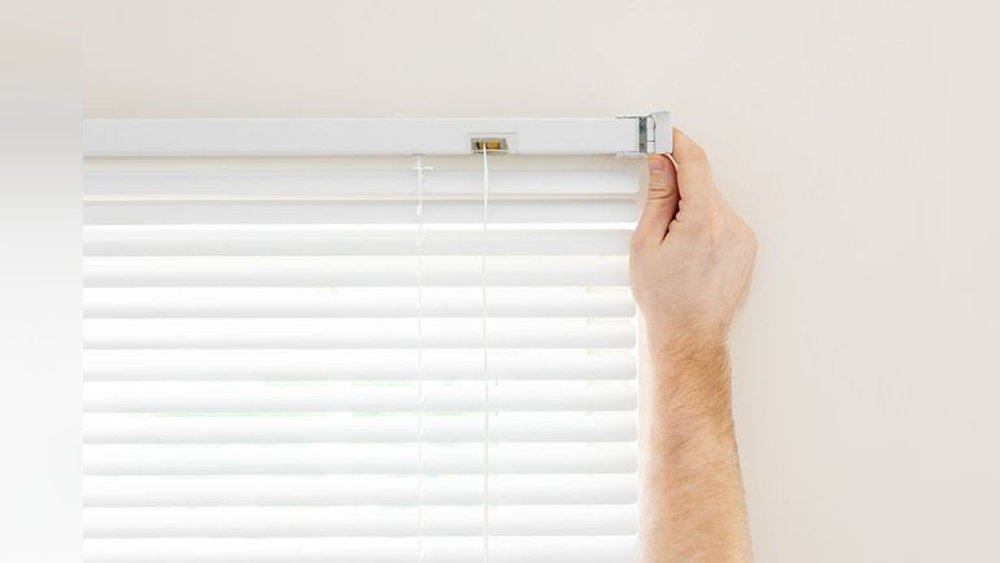
Are you looking to hang blinds but want to avoid the hassle and damage that comes with drilling? Whether you’re renting, want to protect your window frames, or simply prefer a quick and easy setup, hanging blinds without a drill is entirely possible—and easier than you might think.
In this guide, you’ll discover simple, effective methods to install your blinds securely without making a single hole. Imagine transforming your space with stylish window coverings, all without tools or mess. Keep reading, and you’ll learn how to choose the right no-drill blinds and master the installation techniques that save time, effort, and your walls.
Your perfect, damage-free window makeover starts here!
Credit: fixingexpert.ae
No-drill Hanging Options
Hanging blinds without drilling is simple with several easy options. These no-drill methods protect walls and frames from damage. They suit renters and anyone avoiding tools.
Each method uses either pressure or strong adhesive to keep blinds in place. Installation is quick, clean, and requires minimal effort.
Tension-mounted Blinds
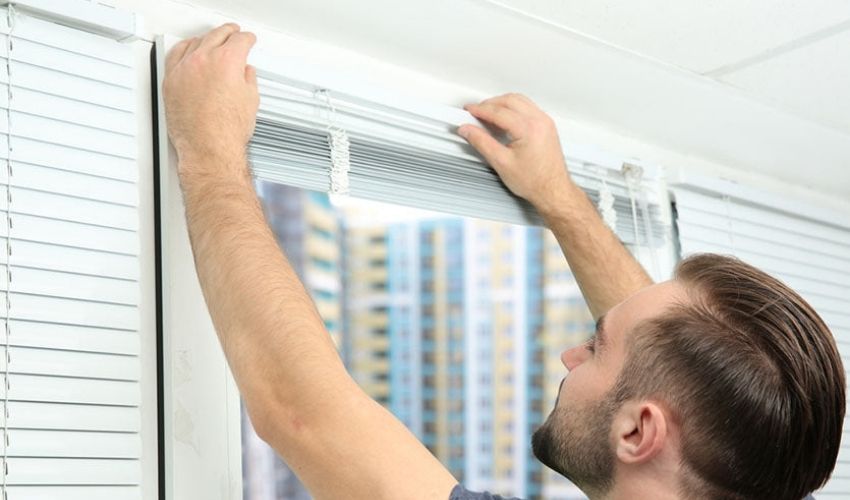
Tension-mounted blinds fit inside the window frame using pressure. They have expandable levers that press against the frame edges. Insert the headrail, then twist or push the levers to tighten.
This method works best for windows that match the blind size closely. It holds blinds firmly without screws or marks.
Adhesive Brackets
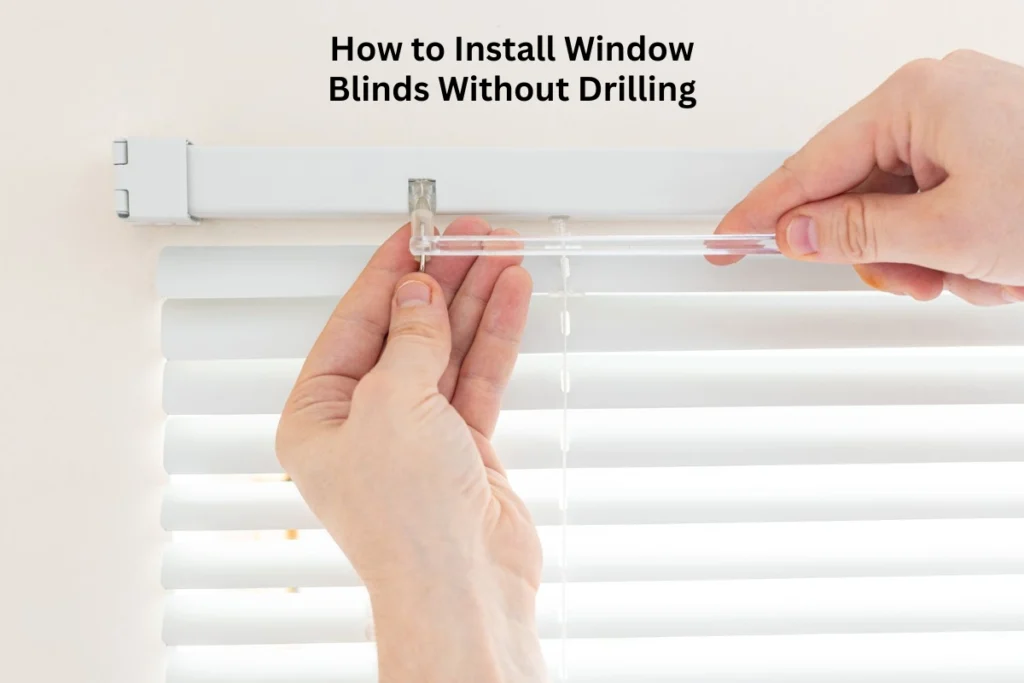
Adhesive brackets stick directly to the window frame or wall. Peel the backing off and press the bracket firmly in place. Wait for the adhesive to set before attaching the blinds.
This option suits smooth, clean surfaces and avoids holes completely. It holds blinds securely while being easy to remove later.
Command Strips
Command strips offer a damage-free way to hang very light blinds. Apply the strips to the brackets or blind ends, then press firmly on the wall. Follow the instructions for strong adhesion.
They remove cleanly and do not leave sticky residue. Perfect for small blinds or rental homes.
Tension Rods
Tension rods work inside window frames to hold lightweight blinds or curtains. Adjust the rod length and twist to create pressure between frame sides.
This method requires no tools or adhesives. It is ideal for thin blinds or decorative curtains.
Choosing The Right Blinds
Choosing the right blinds is key to a successful no-drill installation. The blinds must fit your window and work with non-invasive mounting methods. Picking blinds that match your window’s size and frame type makes the process easier and damage-free. Consider the type, weight, and fit of the blinds before buying.
Compatibility With No-drill Methods
Not all blinds suit no-drill installation. Look for blinds designed for tension mounts or adhesive brackets. These blinds often come with special hardware to hold them in place without screws. Avoid heavy blinds or those needing deep mounting. Check product details or ask the seller if the blinds work without drilling.
Weight Considerations
Lightweight blinds are easier to hang without drills. Heavy blinds may fall or damage adhesive mounts. Vinyl or fabric blinds usually weigh less than wood or metal. Match the blind’s weight with the strength of your mounting method. Adhesive brackets or tension rods hold best with lightweight blinds.
Window Frame Fit
Measure your window frame carefully before choosing blinds. Inside mount blinds fit within the window frame and work well with tension rods. Outside mount blinds cover the frame and need extra support. For no-drill hanging, a snug fit inside the frame is best. Ensure the blinds fit well to avoid slipping or gaps.
Tools And Materials Needed
Before hanging blinds without drilling, gather the right tools and materials. This step ensures a smooth and damage-free installation. Each item plays a key role in accurate fitting and secure placement. Prepare everything to save time and avoid frustration during the process.
Measuring Tape
Measuring tape is essential for precise window measurements. It helps determine the correct size of the blinds. Accurate measurements prevent gaps and ensure the blinds fit perfectly. Use a metal tape for best results and measure twice before purchasing.
Level
A level keeps your blinds straight and balanced. Hanging blinds unevenly can cause operational problems. Use a small spirit level to check horizontal alignment. This tool guarantees a neat and professional look for your window treatment.
Cleaning Supplies
Cleaning supplies prepare the surface for mounting adhesive brackets or strips. Dust and dirt reduce adhesive strength, risking the blinds falling off. Use a cloth and mild cleaner to wipe the window frame. Allow it to dry completely before installation.
Step-by-step Installation
Installing blinds without a drill is simple and quick. This step-by-step guide covers easy methods to hang blinds safely. Follow these clear instructions to get your blinds up without any damage. No special tools needed. Perfect for renters and anyone avoiding holes in walls or frames.
Measuring Your Window
Start by measuring the width and height of your window. Use a metal tape measure for accuracy. Measure inside the window frame if you want an inside mount. For outside mounts, measure the area you want the blinds to cover. Write down these numbers carefully. Accurate measurements ensure a perfect fit.
Preparing The Surface
Clean the window frame or wall where you will hang the blinds. Use a damp cloth to remove dust and dirt. Let the surface dry completely. A clean, dry surface helps adhesive materials stick better. Avoid oily or rough surfaces for best results.
Attaching Tension-mounted Blinds
Insert the tension rod or headrail into the window frame. Adjust the tension lever to expand and secure the blind. Check that the blind fits snugly and stays in place. Tension-mounted blinds work best inside the window frame. They use pressure, so no screws or holes are needed.
Using Adhesive Brackets
Peel the backing off the adhesive brackets. Stick them firmly to the cleaned window frame or wall. Press for 30 seconds to ensure strong adhesion. Attach the blind’s headrail into the brackets. Make sure the brackets hold the weight of the blinds. Follow the manufacturer’s instructions for best results.
Applying Command Strips
Choose strong Command strips designed for hanging items. Apply the strips to the back of the blind’s mounting brackets. Press the bracket firmly against the window frame or wall. Hold for 30 seconds to stick well. Command strips allow easy removal without damage. Ideal for lightweight blinds.
Installing Tension Rods
Select a tension rod that fits the width of your window. Place the rod inside the window frame. Twist or compress the rod to expand it tightly against the sides. Hang lightweight blinds directly on the rod. This method is simple, no tools needed, and leaves no marks.
Tips For Secure Installation
Securing blinds without drilling requires careful attention to detail. Proper installation ensures the blinds stay in place and function smoothly. Follow these essential tips to achieve a firm and lasting hold on your window frame.
Accurate Measurements
Measure the width and height of your window precisely. Use a metal tape measure for better accuracy. Record the measurements twice to avoid mistakes. Correct sizing prevents gaps and uneven fitting. It helps the blinds sit flush against the window.
Surface Cleaning
Clean the window frame or wall surface before installation. Remove dust, grease, and dirt with a mild cleaner. Dry the area completely to help adhesive stick better. A clean surface ensures stronger grip for brackets or strips. Skip this step, and the blinds may fall off.
Following Instructions Carefully
Read the product manual thoroughly before starting. Follow each step exactly as shown in the guide. Use the recommended tools for the best results. Avoid rushing the process to prevent errors. Proper following of instructions guarantees a secure setup.
Checking Stability
After mounting, test the blinds gently by pulling them down. Check for any wobbling or loose parts. Adjust the tension or reposition brackets if needed. Confirm that the blinds stay firmly in place. Stability ensures safety and smooth operation every day.
Credit: dubaicurtainsandblinds.ae
Maintenance And Removal
Maintaining and removing no-drill blinds is simple and safe for your window frames. These blinds offer easy upkeep and damage-free removal. Proper care ensures they last longer and stay attractive.
Cleaning No-drill Blinds
Use a soft cloth or a feather duster to clean dust. For deeper cleaning, wipe with a damp cloth and mild soap. Avoid harsh chemicals that can damage the material. Regular cleaning keeps blinds looking fresh and working well.
Removing Without Damage
Gently release the tension or peel off adhesive slowly. Pulling too hard can damage the window or blinds. Take your time to keep surfaces intact. No-drill blinds are designed to come off cleanly and easily.
Reusing Components
Save brackets, clips, and tension rods after removal. These parts can be reused for new blinds or in another room. Keep them in a safe place to avoid losing any piece. Reusing parts saves money and reduces waste.
When To Avoid No-drill Methods
Choosing the right method to hang blinds is important for safety and appearance. No-drill methods offer convenience but are not suitable in every situation. Knowing when to avoid these methods can save you from future damage or frustration. Some blinds and window frames require more secure installation than no-drill options provide.
Heavy Or Large Blinds
Heavy blinds need strong support to stay in place. No-drill methods often cannot hold the extra weight safely. Large blinds may pull on the brackets, causing them to fall. Using screws and anchors ensures stability and prevents accidents.
Irregular Window Frames
Windows with unusual shapes or uneven surfaces may not suit no-drill brackets. Pressure-mounted or adhesive options require flat, even frames for a tight fit. Irregular frames can cause these methods to fail or damage the window edges. Drilling allows precise placement for a secure hold.
Long-term Durability Needs
No-drill blinds may work well for short-term use. For long-lasting installations, drilled brackets offer better durability. Adhesive can weaken over time, especially in humid areas. Screws provide a reliable hold that withstands regular use and cleaning.

Credit: www.youtube.com
Frequently Asked Questions
Can I Hang Blinds Without Drilling Holes?
Yes, you can hang blinds without drilling by using tension-mounted systems, adhesive brackets, or strong command strips. These methods avoid wall damage and suit renters well. Ensure precise measurements for a secure, no-drill fit.
What’s The Easiest Way To Hang Blinds?
The easiest way to hang blinds is using no-drill options like tension mounts or adhesive brackets. Measure precisely, fit inside the window frame, then secure without screws or damage. These methods suit renters and quick installations while avoiding tools and wall damage.
Can You Hang Blinds With Command Strips?
Yes, you can hang very lightweight blinds using Command Strips. Follow the instructions and ensure the blinds are light enough to hold securely.
Are There Alternatives To No Drill Blinds?
Yes, alternatives to no-drill blinds include tension-mounted blinds, adhesive brackets, Command strips, and tension rods. These options avoid drilling and suit renters or easy installations.
Conclusion
Hanging blinds without a drill is simple and damage-free. Use tension mounts, adhesive brackets, or Command strips. These methods fit many window types and avoid holes. Choose the best option based on your blinds’ weight and window frame. This way, you save time and keep your walls intact.
Enjoy easy, no-drill blind installation today.