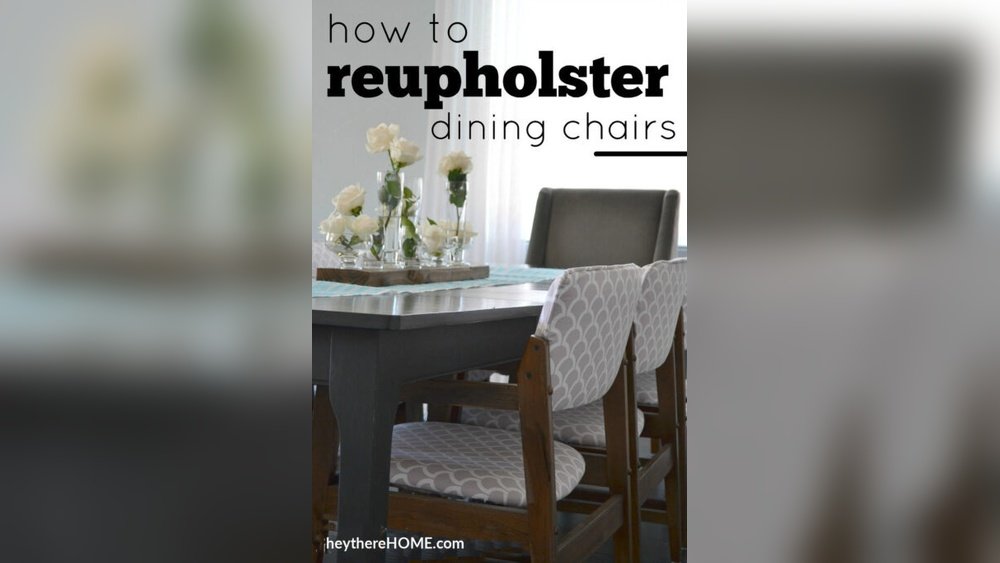
Are your dining room chairs looking tired or worn out? You don’t need to buy new ones to refresh your space.
Reupholstering your dining chair seat and back is easier than you think—and it can completely transform the look of your room. In this guide, you’ll learn simple, step-by-step techniques that anyone can follow, even if you’ve never done this before.
Imagine turning those old chairs into stylish, comfortable pieces that match your home perfectly. Ready to bring new life to your dining set? Let’s get started!
Tools And Materials Needed
Reupholstering a dining room chair seat and back needs the right tools and materials. Having everything ready helps the process run smoothly. It also saves time and avoids frustration. This section lists the basic tools and supplies required to start your project.
Essential Tools
Start with a staple remover or flathead screwdriver. They help take off old fabric and staples. Use pliers to pull out stubborn staples or tacks. A hammer is useful to secure new staples or tacks. Scissors are needed to cut fabric and foam. Measuring tape ensures accurate fabric size. A staple gun is the main tool to attach the fabric.
Choosing The Right Fabric
Pick fabric made for upholstery. It must be strong and durable. Cotton, linen, or polyester blends work well. Avoid thin or stretchy fabrics. Choose a color and pattern that match your room style. Also, consider easy-to-clean fabrics for dining areas. Measure your chair seat and back to buy enough fabric.
Additional Supplies
You need foam padding if the old foam is worn out. Batting adds extra softness and smooths edges. Use spray adhesive to keep foam and fabric in place. Sewing needles and thread help fix small tears or seams. Chalk or fabric marker marks cutting lines. Keep a clean cloth nearby to wipe dust and dirt from the chair.

Credit: www.wikihow.com
Preparing The Chair
Preparing the chair is the first step to successful reupholstery. This stage sets the base for a neat, durable finish. It involves careful removal of old materials and checking the chair’s structure. Taking time here saves effort later. A well-prepared chair makes the new fabric fit perfectly.
Removing The Old Upholstery
Start by flipping the chair upside down or on its side. Use a screwdriver or pliers to take out staples or tacks holding the fabric. Pull the old fabric gently to avoid damage to the padding underneath. Remove all pieces of fabric and foam to expose the frame. Clean the surface of any dust or leftover glue. This clears the way for new padding and fabric.
Inspecting And Repairing The Frame
Look closely at the wooden frame for cracks or loose joints. Test the chair by applying slight pressure to find weak spots. Tighten any loose screws or bolts using a screwdriver or wrench. Use wood glue to fix small cracks and clamp them until dry. Sand rough areas to smooth the surface. A strong frame ensures the chair lasts longer and supports weight properly.
Cutting And Attaching Foam
Cutting and attaching foam is a key step in reupholstering dining room chair seats and backs. Foam adds comfort and shape to your chair. Choose the right thickness and density for durability and support. Proper measuring and securing ensure a smooth, professional look.
Measuring Foam Dimensions
Start by measuring the seat and back carefully. Use a tape measure for accuracy. Measure the width, length, and thickness needed. Add an extra inch to each side for trimming. Mark the foam with a pen or chalk. This helps to cut the foam to the correct size.
Securing Foam To Seat And Back
Place the cut foam on the seat or back. Use spray adhesive for a strong hold. Spray evenly on both the wood and foam surfaces. Press the foam firmly onto the chair. Let it dry for several minutes. This keeps the foam in place during upholstery.
Cutting Fabric For Upholstery
Cutting fabric for upholstery is a key step in reupholstering dining room chairs. It shapes the look and fit of the seat and back. Accurate cutting ensures the fabric fits tightly and looks neat. Take time and care during this stage to avoid mistakes and waste.
Using the right tools helps. Sharp scissors or a rotary cutter give clean edges. A flat surface and good lighting make measuring and cutting easier.
Measuring And Marking Fabric
Start by measuring the chair seat and back carefully. Measure the width and length of each part. Write down the numbers. Use a ruler or tape measure for accuracy.
Place the fabric on a flat surface. Use chalk or a fabric marker to mark the dimensions. Draw straight lines for cutting guides. Double-check the marks before cutting.
Allowing For Seam And Staple Margins
Fabric needs extra space beyond the seat and back size. Add 2 to 3 inches around each edge. This margin allows folding the fabric over the frame.
The extra fabric also leaves room for stapling. Staples hold the fabric tight and secure. Without margins, the fabric may be too small or loose.
Mark these extra margins clearly on the fabric. Cut along the outer edge of the margin. This step ensures a smooth upholstering process.
Stapling Fabric To Chair
Stapling fabric to a dining room chair is a key step in reupholstering. It holds the fabric tight and smooth. A strong, neat staple job keeps the fabric from moving or sagging. Follow simple steps to secure both the seat and backrest fabric properly. Use a good staple gun and take time to pull the fabric evenly.
Starting With The Seat
Place the fabric over the seat padding. Make sure it covers all edges. Pull the fabric tight but not too tight to avoid wrinkles. Begin stapling in the center of one side. Work opposite side next, pulling fabric taut before stapling. Move to the other two sides and repeat. Add staples about every 2 inches to keep fabric secure. Fold corners neatly and staple firmly to avoid bulk.
Securing The Backrest Fabric
Lay the fabric over the backrest evenly. Check that the pattern or direction looks right. Start stapling from the center top edge. Pull fabric tight and secure opposite side. Work down the sides, stapling every few inches. Keep fabric smooth and flat to prevent bumps. Fold corners carefully and staple to finish. Double-check for loose spots and add staples if needed.
Finishing Touches
Finishing touches bring your reupholstered dining chair to life. These final steps ensure the fabric fits perfectly and the chair looks neat. Attention to detail makes a big difference.
Trimming Excess Fabric
Start by cutting off any extra fabric. Use sharp scissors for clean cuts. Leave about half an inch near the staples. This prevents fraying and keeps the fabric tight. Be careful not to cut too close to the staples.
Adding Decorative Details
Decorative details add charm and style to your chair. Consider adding nailhead trim or decorative tacks along the edges. These details hide staples and create a finished look. Use a small hammer to gently tap them in place. Choose colors that match or contrast with your fabric.
Reassembling The Chair
Put the seat and back back onto the chair frame. Align screws with holes carefully. Tighten screws evenly to avoid wobbling. Check the chair’s stability before use. Your chair is now ready to enjoy!
Tips For A Professional Look
Achieving a professional look while reupholstering a dining room chair seat and back requires attention to detail. Small mistakes can make the chair look sloppy. Follow these tips to ensure a clean, neat finish that lasts.
Avoiding Wrinkles And Bubbles
Stretch the fabric evenly over the seat and back. Start from the center and pull outward. Smooth the fabric with your hands as you go. Use a staple gun to secure the fabric tightly. Check for any wrinkles or bubbles. If you see any, remove staples and stretch the fabric again. Take your time to keep the surface flat and smooth.
Choosing Durable Fabrics
Select fabrics made for heavy use. Look for materials like canvas, denim, or microfiber. These fabrics resist stains and wear well over time. Avoid thin or delicate fabrics that tear easily. Choose fabrics with tight weaves for extra strength. Durable fabrics keep your chair looking fresh longer.

Credit: www.youtube.com
Common Mistakes To Avoid
Reupholstering a dining room chair seat and back can refresh your furniture. Many beginners make mistakes that affect the final look and feel. Avoiding these errors saves time and effort. It also ensures a neat, comfortable finish.
Not Removing Old Upholstery Completely
Leaving old fabric or staples can cause lumps and bumps. Remove all old materials carefully. This helps the new fabric lie flat and smooth.
Using The Wrong Fabric Type
Choosing thin or weak fabric leads to quick wear and tear. Pick sturdy, durable fabric made for upholstery. It lasts longer and looks better.
Failing To Measure Properly
Incorrect measurements cause fabric to be too small or too large. Measure the seat and back precisely. Add extra inches for tucking and stapling.
Not Stretching Fabric Evenly
Loose or wrinkled fabric spoils the chair’s look. Pull fabric tight and smooth before stapling. Work from the center out to avoid wrinkles.
Overusing Or Misplacing Staples
Too many staples can damage fabric and wood. Too few staples make the fabric loose. Place staples evenly and avoid clustering in one spot.
Ignoring Padding Condition
Old or flat padding reduces comfort and appearance. Replace or add foam before applying fabric. Fresh padding improves chair support and look.

Credit: www.heytherehome.com
Frequently Asked Questions
How Do I Remove Old Fabric From A Dining Chair?
Start by removing the chair seat from the frame. Use a staple remover or flathead screwdriver to pull out staples or tacks. Gently peel off the fabric to avoid damaging the padding underneath. Dispose of the old fabric properly before starting reupholstery.
What Materials Are Needed To Reupholster A Chair Seat?
You will need fabric, foam padding, batting, spray adhesive, a staple gun with staples, scissors, and a screwdriver. Choose durable fabric suitable for dining use. Having these materials ready ensures a smooth and efficient reupholstery process.
How Do I Reattach The Seat After Reupholstering?
Once the new fabric is securely stapled, trim excess material. Align the seat with the chair frame and use screws to reattach it. Ensure the seat is firmly fixed to avoid wobbling or damage during use.
Can I Reupholster Both Seat And Back Of A Chair?
Yes, both seat and back can be reupholstered for a fresh look. Remove fabric and padding carefully from each part. Use new materials to cover them, ensuring proper fit and secure stapling for durability.
Conclusion
Reupholstering your dining chair seat and back brings new life to old furniture. It saves money and lets you choose fabrics you love. The process takes some time but feels rewarding. You gain a fresh look without buying new chairs.
Try small steps and enjoy the creative work. Soon, your dining room will look warm and inviting. Keep practicing, and your skills will improve. A simple project can change the room’s feel. Give it a try—you might surprise yourself.