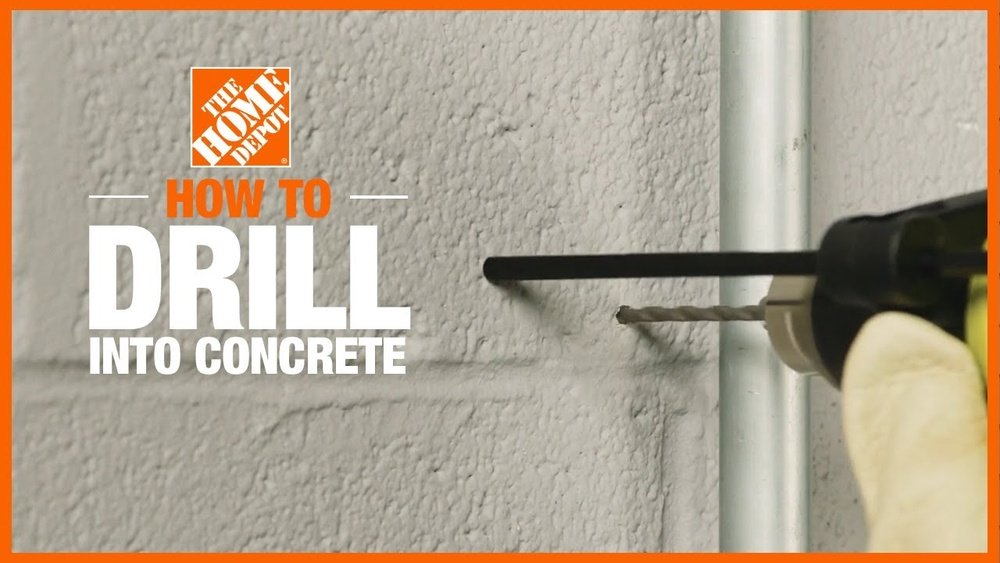
Drilling through concrete might sound tough, but with the right approach, you can do it yourself without frustration. Whether you need to hang shelves, install fixtures, or run wiring, knowing how to drill through concrete safely and effectively is a skill that will save you time and money.
In this guide, you’ll discover simple steps, essential tools, and insider tips that make drilling into concrete easier than you think. By the end, you’ll feel confident tackling your project with precision and safety. Ready to master concrete drilling? Let’s get started!
Credit: www.jungheinrich-profishop.co.uk
Tools And Equipment
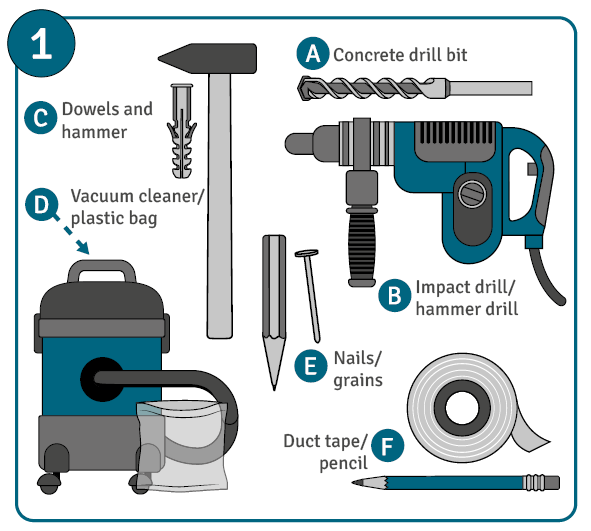
Drilling through concrete needs the right tools and equipment. Using proper gear makes the task easier and safer. This section covers the essential tools to complete your project successfully.
Choosing The Right Drill
Select a hammer drill or rotary hammer for concrete. These drills provide a hammering action that breaks the concrete as you drill. A standard drill lacks the power and impact needed. Pick a drill with adjustable speed and hammer settings. This control helps drill clean holes without damaging the surface.
Selecting Drill Bits
Use carbide-tipped masonry bits made for concrete. These bits stay sharp and cut through hard material. Choose a bit size matching your anchor or fastener. Start with a smaller pilot bit to guide the hole. Change to a larger bit for the final hole size. Replace bits if they become dull or worn.
Essential Safety Gear
Wear safety goggles to protect your eyes from flying dust and debris. Use a dust mask to avoid inhaling fine concrete particles. Ear protection reduces noise from powerful drills. Wear sturdy gloves to protect your hands and improve grip. Secure loose clothing and tie back long hair before drilling.
Credit: www.homedepot.com
Preparing The Area
Preparing the area is the first step before drilling through concrete. This step helps keep the work safe and clean. Taking time to prepare makes the drilling easier and protects your space and yourself.
Clearing The Workspace
Remove all furniture and items near the drilling spot. Clear the floor to avoid tripping hazards. This gives you enough room to work freely. A clean area reduces the chance of damage or accidents.
Protecting Surroundings
Place a drop cloth or plastic sheet under the drilling area. This catches dust and small debris. Cover nearby walls and floors to prevent stains. Protect electrical outlets and switches from dust and debris.
Personal Safety Measures
Wear safety goggles to shield your eyes from dust and chips. Use a dust mask to avoid breathing in concrete dust. Put on ear protection to guard against noise from the drill. Wear sturdy gloves to protect your hands during drilling.
Step-by-step Drilling
Drilling through concrete requires careful steps to ensure clean, precise holes. Follow this step-by-step guide to drill safely and effectively. Each stage helps you avoid mistakes and get the best results. Prepare your tools and protect yourself before starting.
Marking The Spot
Use a pencil or chalk to mark the exact drilling point. Check the spot twice to avoid errors. Make a small indentation with a nail or center punch. This helps keep the drill bit steady and prevents slipping.
Starting With A Pilot Hole
Begin by drilling a small pilot hole before the final size. A pilot hole guides the larger bit and reduces stress on the drill. Drill slowly and keep the bit straight. This step saves time and extends the bit’s life.
Using Hammer Function
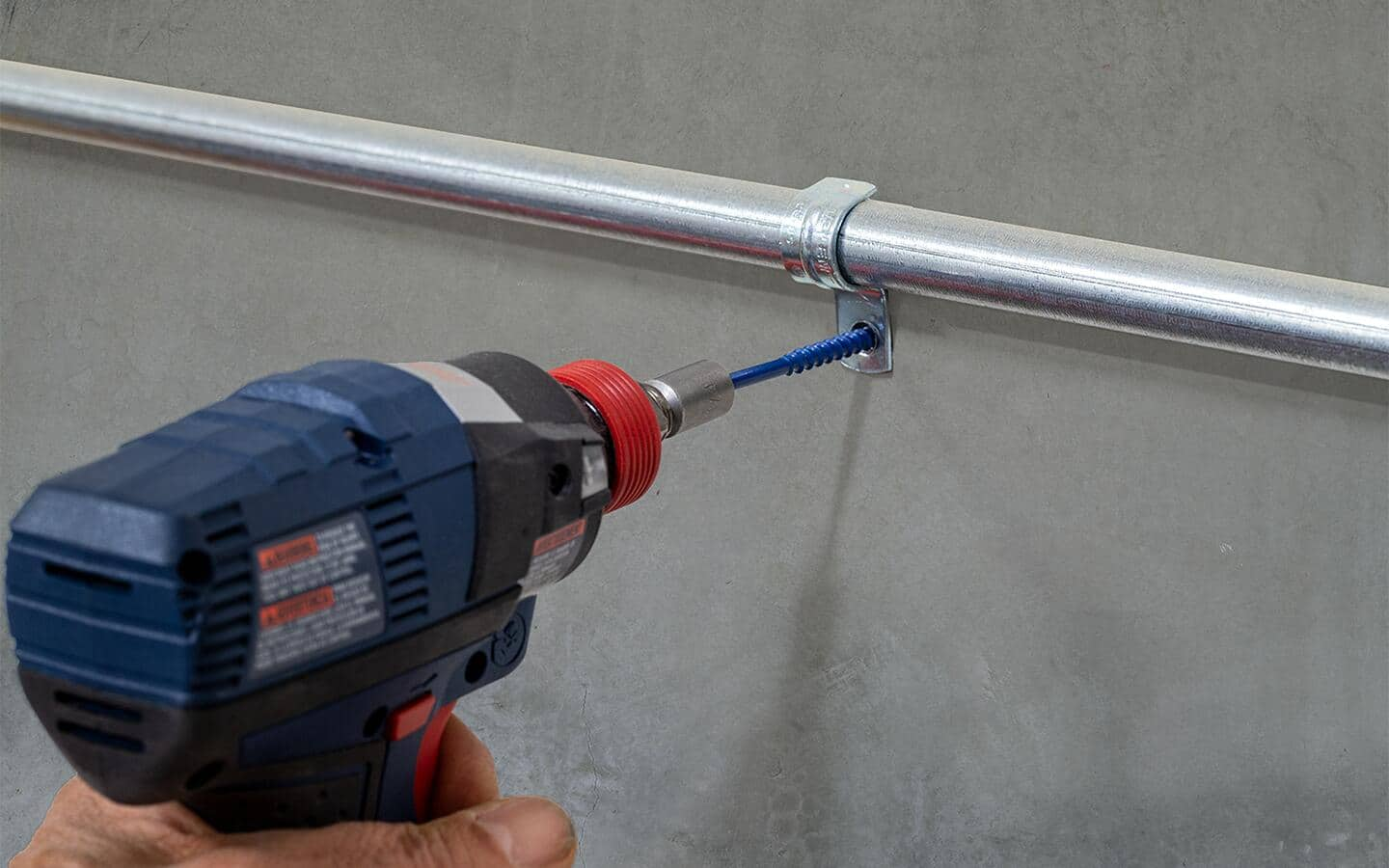
Switch your drill to hammer mode for concrete. The hammer action breaks up the hard surface as the bit rotates. This makes drilling faster and easier. Keep the drill steady and aligned with your mark.
Applying Proper Pressure
Press the drill firmly but gently. Too much force can damage the bit or drill motor. Too little pressure slows progress. Let the drill do the work with a steady, even push. Pause if the drill struggles or stalls.
Clearing Dust And Cooling
Pull the drill bit out regularly to clear dust and debris. This prevents clogging and overheating. Blow or brush out the hole if needed. Allow the bit to cool, especially during long drilling sessions. Cool bits last longer and work better.
:max_bytes(150000):strip_icc()/SPR-how-to-drill-into-concrete-5025037-hero-de019c17ce5c4fe2adb7f6dd9f3ad193.jpg)
Credit: www.thespruce.com
Finishing Touches
Finishing touches are crucial after drilling through concrete. They prepare the hole for its intended use. Proper finishing ensures durability and safety. Neglecting these steps may weaken your installation or cause damage.
Cleaning The Hole
Remove dust and debris from the drilled hole. Use a wire brush or a vacuum to clean inside. Cleaning improves the grip of anchors and fasteners. It also prevents dirt from weakening the bond.
Ensuring Anchor Strength
Choose the right anchor for your hole size and load. Insert anchors carefully to avoid damaging the hole. Tighten screws slowly to maintain anchor hold. Strong anchors keep fixtures secure and stable over time.
Inspecting The Hole
Check the hole for cracks or chips around the edges. Small damages can reduce holding power. Measure the hole depth to match anchor length. Confirm the hole is straight and clean for best results.
Common Challenges
Drilling through concrete poses several challenges. These obstacles can slow down your work or damage tools. Understanding common issues helps you avoid mistakes. Prepare to face bit breakage, overheating, and tough concrete. Each requires careful handling to ensure success.
Avoiding Bit Breakage
Bit breakage happens often with wrong pressure or poor-quality bits. Use a carbide-tipped masonry bit for strength. Apply steady, moderate pressure without forcing the drill. Let the drill do the work. Pull the bit out occasionally to clear dust. This prevents jamming and reduces stress on the bit. Replace dull bits immediately to avoid breakage.
Dealing With Overheating
Overheating wears out bits and damages concrete. Heat builds up from friction during drilling. Pause drilling regularly to cool the bit. Use water or a coolant spray to lower temperature. Keep the drill speed moderate to avoid excess heat. Overheating can also harm the drill motor, so watch for signs of strain.
Handling Tough Concrete
Some concrete is harder due to additives or age. Tough concrete slows drilling and wears bits faster. Start with a smaller pilot hole for better control. Use a hammer drill or rotary hammer for power. Maintain steady pressure and patience. Avoid pushing too hard, which can damage bits or drill. Break the task into stages if needed.
Advanced Tips
Advanced drilling techniques improve efficiency and safety when working with concrete. These tips help tackle tougher jobs and extend your tool’s life. Follow these strategies to handle challenging tasks smoothly.
Using Rotary Hammers
Rotary hammers deliver more power than regular hammer drills. They use a piston mechanism to create strong hammering action. This makes drilling faster and easier in hard concrete.
Choose a rotary hammer with adjustable speed and hammer settings. Use an SDS-plus or SDS-max bit for better bit retention. Keep the drill steady and apply moderate pressure. Let the tool do the work to avoid bit damage.
Drilling Large Diameter Holes
Large holes require special bits called core bits or hole saws. These bits cut a circle instead of grinding the concrete. They reduce dust and make cleaner holes.
Start with a pilot hole to guide the core bit. Use water to cool the bit and reduce dust. Drill slowly and steadily to prevent overheating. Pause often to clear debris and let the bit cool down.
Maintaining Equipment
Proper maintenance keeps your drill working well and lasting longer. Clean bits after each use to remove dust and debris. Inspect bits for wear and replace dull or damaged ones.
Lubricate moving parts of the drill according to the manufacturer’s instructions. Store the drill and bits in a dry place to avoid rust. Regular checks prevent breakdowns and improve safety during drilling.
Frequently Asked Questions
Is There A Trick To Drilling Into Concrete?
Use a hammer drill with a carbide-tipped masonry bit. Apply steady pressure, pull out the bit often to clear dust, and avoid overheating. Wear safety goggles and a dust mask for protection.
What Is The Best Tool To Drill Through Concrete?
The best tool to drill through concrete is a hammer drill or rotary hammer with a carbide-tipped masonry bit. Use the hammer function and steady pressure. Pull out the bit periodically to clear debris and prevent overheating. Always wear safety goggles and a dust mask for protection.
Why Won’t My Drill Bit Go Through Concrete?
Your drill bit may not penetrate concrete due to using the wrong bit type or insufficient hammer action. Use a carbide-tipped masonry bit with a hammer drill, apply steady pressure, and clear debris frequently to prevent overheating and ensure effective drilling.
Will A Regular Drill Go Through Concrete?
A regular drill can struggle with concrete. Use a hammer drill and a carbide-tipped masonry bit for effective drilling.
Conclusion
Drilling through concrete takes patience and the right tools. Use a hammer drill with a carbide-tipped bit for best results. Apply steady pressure and clear dust often to keep the bit cool. Always wear safety gear to protect your eyes and lungs.
Take your time and follow each step carefully. This approach helps create clean, precise holes in concrete. With practice, drilling concrete becomes easier and safer. Keep these tips in mind for your next project.