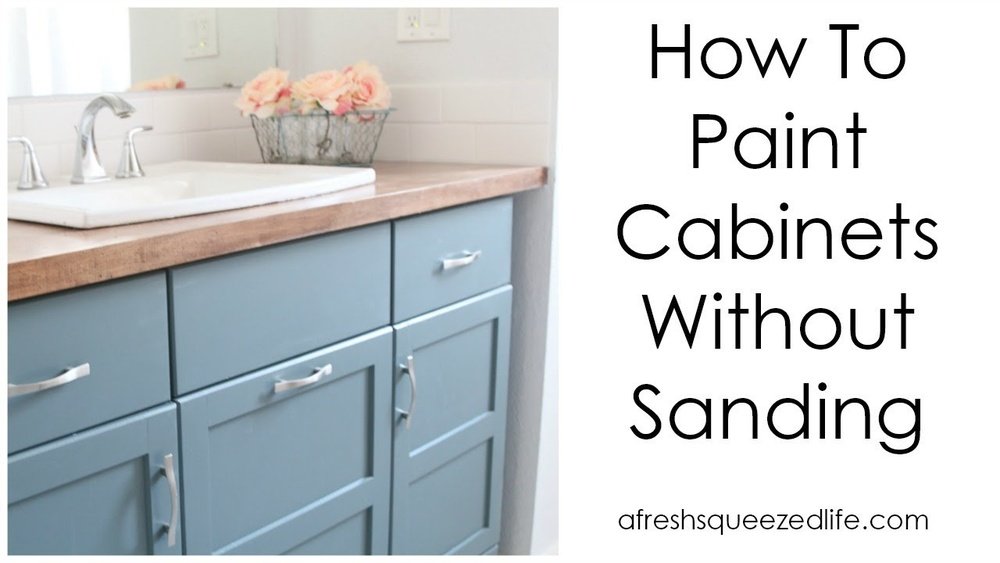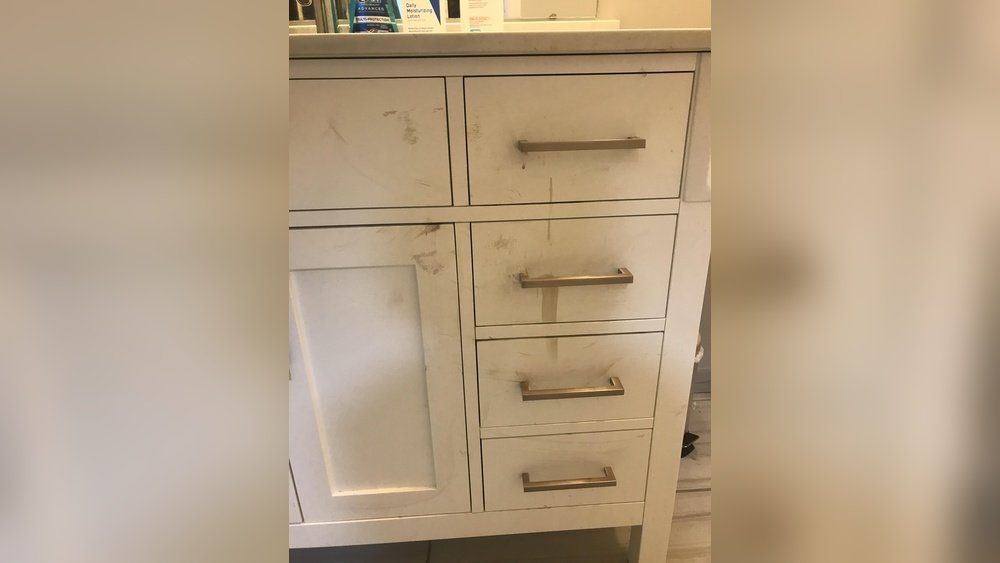
Cleaning cabinet hardware is one of those small home tasks that makes a big difference. Shiny handles and knobs can make your kitchen or bathroom look new, while dirty or sticky hardware can ruin the whole look. But many people don’t know the right way to clean these small but important parts.
Sometimes, scrubbing too hard or using the wrong cleaner can cause damage. Other times, people forget to clean them at all, letting grease and dust build up for months.
If you want your cabinet hardware to look its best and last longer, you need the right cleaning method. The good news? Most hardware is easy to clean if you follow the right steps. In this guide, you’ll learn how to clean all kinds of cabinet hardware, what supplies you need, and expert tips to keep them shining. Whether your hardware is metal, wood, or painted, you’ll find clear, simple instructions here.
Understanding Cabinet Hardware Types
Before you start cleaning, it’s important to know what type of hardware you have. Different materials need different cleaning methods. Using the wrong cleaner can cause scratches, rust, or faded color.
Common Hardware Materials
1. Brass
Brass hardware is popular for its warm gold color. It can tarnish and develop green spots if not cleaned properly.
2. Stainless Steel
Stainless steel handles and knobs are modern and easy to maintain. They can show fingerprints and water spots.
3. Chrome
Chrome is shiny and bright. It needs gentle cleaning to avoid scratching the surface.
4. Bronze
Oil-rubbed and antique bronze hardware is dark and stylish. Harsh chemicals can remove its special finish.
5. Nickel
Nickel is usually brushed or polished. It’s durable but can lose shine if cleaned with strong chemicals.
6. Glass Or Crystal
These knobs look elegant but attract fingerprints and dust. They can chip if handled roughly.
7. Ceramic Or Porcelain
Ceramic hardware is often painted or glazed. Acidic cleaners can damage the finish.
8. Wood
Wooden knobs are soft and need gentle cleaning. Too much water can cause swelling.
Why Material Matters
Each material reacts differently to cleaners and water. For example, vinegar cleans glass well but can eat away at brass or nickel. Always check the manufacturer’s instructions if you’re not sure. If there are no instructions, test your cleaner on a small spot first.
Essential Supplies For Cleaning
Having the right supplies makes the job easier and safer for your hardware. Here’s what you’ll need for most jobs:
- Mild dish soap
- Warm water
- Soft cloths or microfiber towels
- Old toothbrush or soft-bristled brush
- Cotton swabs (for tight spots)
- Baking soda (for tough stains)
- White vinegar (for mineral deposits on glass or chrome)
- Small bowl or bucket
- Screwdriver (if you plan to remove hardware)
- Gloves (to protect your hands, especially with brass cleaner)
- Polishing cloth (for metal hardware)
You do not need fancy products. Most homes already have what’s required for basic cleaning.
Step-by-step: How To Clean Cabinet Hardware
Let’s go through the cleaning process. For best results, remove the hardware before cleaning. This way, you can reach every part. If you can’t remove it, be careful not to get water on the cabinet doors.
1. Remove The Hardware
Use a screwdriver to gently take off knobs, pulls, and handles. Keep the screws in a small container so you don’t lose them. If you have many pieces, label them so you remember where each one goes.
2. Prepare A Cleaning Solution
Fill a small bowl with warm water and add a few drops of mild dish soap. Mix gently to create suds. Avoid using harsh chemicals, especially on painted or coated hardware.
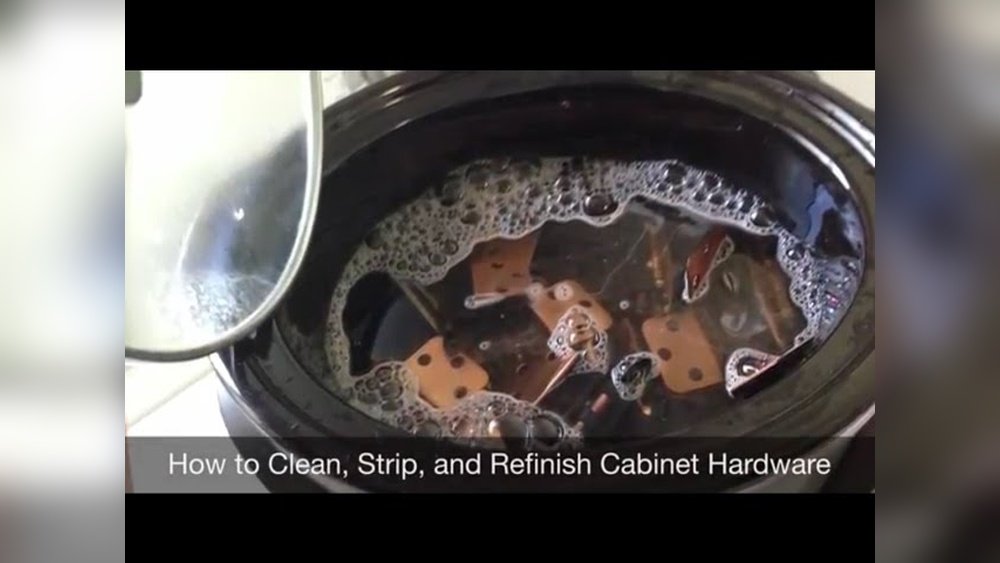
3. Soak The Hardware
Place the hardware in the soapy water. Let it soak for 10–15 minutes. This softens sticky grime and dried food.
4. Scrub With A Soft Brush
Use an old toothbrush or a soft brush to clean around grooves, screws, and detailed parts. For stubborn dirt, dip the brush in baking soda, then scrub gently.
5. Rinse And Dry
Rinse each piece under warm running water. Dry immediately with a soft towel to prevent water spots or rust.
6. Polish (for Metal Hardware)
If your hardware is brass, chrome, or stainless steel, buff with a polishing cloth. For extra shine, use a small amount of metal polish, following the product’s instructions.
7. Reinstall Carefully
Once the hardware is dry and shiny, screw it back onto the cabinets. Do not over-tighten, as this can strip the screw holes or damage painted pieces.
Special Cleaning Methods By Material
Different materials need special care. Here are the best methods for each type.
Brass
Brass hardware can tarnish over time. For light tarnish, use a paste of baking soda and lemon juice. Rub gently with a cloth, then rinse and dry. For deeper tarnish, use a commercial brass cleaner, but test it first.
Stainless Steel
Wipe with a soapy cloth, rinse, and dry. For fingerprints or streaks, use a little white vinegar on a cloth. Always rub in the direction of the grain to avoid scratches.
Chrome
Clean with soapy water and a soft cloth. For hard water spots, use a 50/50 mix of vinegar and water. Buff with a dry towel for a mirror-like finish.
Bronze
Just use a damp cloth, then dry. Avoid any acid or bleach. If the finish looks dull, rub with a little olive oil on a cloth.
Nickel
Use soapy water and a soft cloth. Avoid ammonia or bleach, which can damage the finish. For extra shine, use a nickel-specific polish.
Glass Or Crystal
Wipe with a damp cloth, then dry. For extra sparkle, clean with a glass cleaner sprayed on the cloth, not directly on the hardware.
Ceramic Or Porcelain
Wash gently with soapy water. Avoid scrubbing painted designs. For tough spots, use a baking soda paste, but do not let it sit long.
Wood
Wipe with a damp (not wet) cloth. Dry right away. Never soak wood, as it can warp or crack.
How Often Should You Clean?
Routine cleaning keeps hardware looking fresh and prevents tough buildup. Here’s a simple schedule:
- Weekly: Wipe high-touch hardware, like kitchen cabinet pulls, with a damp cloth.
- Monthly: Deep clean all hardware, including the back and screw holes.
- Seasonal: Remove and soak hardware, especially in kitchens and bathrooms.
Common Mistakes To Avoid
1. Using Harsh Chemicals
Products like bleach or ammonia can damage many finishes.
2. Scrubbing With Steel Wool
This scratches metal and removes protective coatings.
3. Letting Hardware Air-dry
Water spots or rust can develop if you don’t dry hardware right away.
4. Ignoring Hidden Grime
Dirt hides under handles and inside screw holes. Remove hardware to clean these spots.
5. Mixing Up Hardware Pieces
Not labeling or sorting hardware can make reinstallation frustrating.
Many people think all metal can handle tough scrubbing or any cleaner. This is not true. Even stainless steel can scratch or dull if cleaned carelessly.
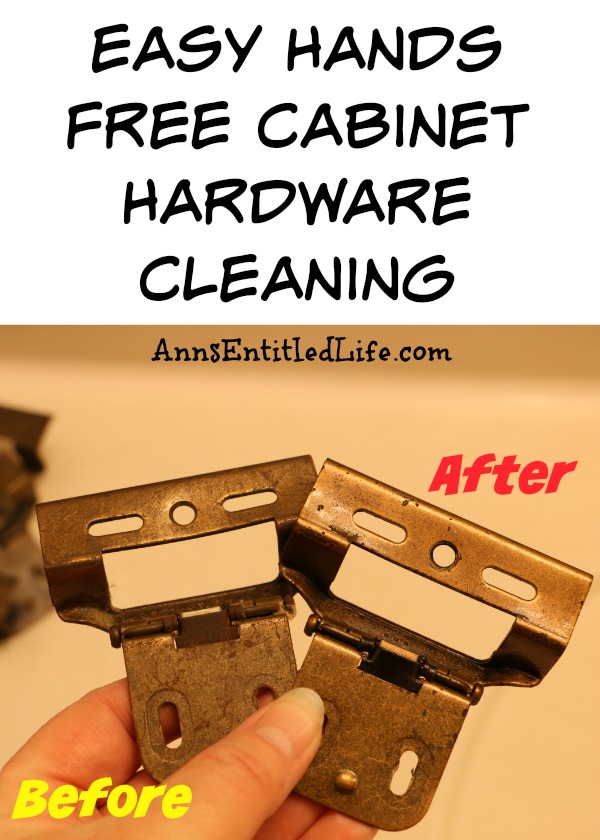
Credit: www.annsentitledlife.com
Table: Cleaning Methods For Different Hardware Materials
Here’s a quick comparison of the best methods for each material.
| Material | Best Cleaner | What to Avoid | Extra Tips |
|---|---|---|---|
| Brass | Baking soda & lemon | Ammonia, vinegar | Test cleaner first |
| Stainless Steel | Soapy water, vinegar | Steel wool | Wipe with the grain |
| Chrome | Soapy water, vinegar | Abrasive pads | Buff for shine |
| Bronze | Damp cloth, olive oil | Acids | Avoid soaking |
| Nickel | Soapy water | Bleach, ammonia | Use nickel polish |
| Glass/Crystal | Glass cleaner | Acids | Spray on cloth |
| Ceramic/Porcelain | Soapy water | Strong acids | Avoid harsh scrubbing |
| Wood | Damp cloth | Soaking, too much water | Dry quickly |
How To Remove Tough Stains And Tarnish
Sometimes, normal cleaning isn’t enough. Sticky grease, rust, or deep tarnish need extra attention.
Grease Build-up
Kitchen hardware often gets greasy. Mix a solution of warm water and a few drops of dish soap. For stubborn grease, sprinkle baking soda on a damp cloth and rub the area. Rinse and dry.
Rust
For small rust spots on metal hardware, make a paste of baking soda and water. Spread it on the rust, wait 10 minutes, then scrub gently with a toothbrush. Rinse and dry.
Deep Tarnish
Brass and copper can develop thick tarnish. Use a commercial metal polish or a homemade paste of vinegar, salt, and flour. Rub gently, rinse, and dry. Be careful: too much scrubbing can remove the finish.
Table: How Different Cleaners Affect Cabinet Hardware
This table explains which cleaners are safe and which should be avoided for each material.
| Cleaner | Safe For | Not Safe For |
|---|---|---|
| Mild dish soap | All materials | None |
| Vinegar | Stainless steel, glass, chrome | Brass, nickel, bronze |
| Baking soda | Brass, stainless steel, ceramic | Nickel (test first), painted wood |
| Commercial metal polish | Brass, copper, nickel | Painted or coated hardware |
| Bleach | None | All materials (avoid) |
Tips For Keeping Hardware Clean Longer
- Wipe hardware with a dry cloth after cooking or cleaning to stop water spots.
- Ask family members to use clean hands when opening cabinets.
- Use cabinet hardware covers or bumpers in heavy-use areas.
- Once a month, check for loose screws and tighten them gently.
- For homes near the sea, clean hardware more often to prevent salt corrosion.
When To Replace Instead Of Clean
Sometimes, cleaning is not enough. If hardware is pitted, broken, or stripped, it’s time to replace it. Old hardware can make cabinets look dated even if they are clean. Modern, well-chosen hardware can improve both the look and value of your home.
Professional Help
If you have expensive or antique hardware, consider professional cleaning or restoration. Experts can remove tarnish and repair finishes without causing damage. For rare metals or detailed designs, it’s worth the investment.

Credit: www.youtube.com
Additional Resources
For more information on cleaning and maintaining home fixtures, the Family Handyman website offers useful guides and expert advice.
Frequently Asked Questions
How Often Should I Clean Cabinet Hardware?
Clean high-touch hardware weekly with a damp cloth. Deep clean all hardware once a month to prevent buildup of grease and dust.
Can I Put Cabinet Hardware In The Dishwasher?
No, most hardware should not go in the dishwasher. High heat and detergents can damage finishes and cause rust.
What’s The Best Way To Clean Antique Brass Hardware?
Use a gentle paste of baking soda and lemon juice. Avoid harsh chemicals. Test on a small area first to make sure it does not remove the patina.
Is Vinegar Safe For All Types Of Cabinet Hardware?
No, vinegar is safe for stainless steel, glass, and chrome, but it can damage brass, nickel, and bronze finishes.
How Do I Stop Hardware From Tarnishing Quickly?
After cleaning, dry hardware completely. For metal hardware, a light coat of wax or oil can help protect against moisture and tarnish.
Cleaning cabinet hardware takes a little time but gives big results. With these steps, you can keep your cabinets looking fresh and inviting for years to come.

Credit: www.reddit.com