Mold is a common problem in many bathrooms. The warm, damp air creates the perfect environment for mold to grow on tiles, walls, ceilings, and even under the sink. Besides looking bad and smelling musty, mold can cause health issues, especially for people with allergies or asthma.
If you notice black or green spots in your bathroom, it’s time to act. Removing mold is not just about cleaning; it’s about fixing the source and preventing it from returning. With the right steps, you can make your bathroom clean, safe, and mold-free.
Let’s explore proven ways to get rid of mold in a bathroom and keep it away for good.
Why Mold Grows In Bathrooms
Mold loves moisture. Bathrooms stay humid because of hot showers, poor ventilation, and water splashes. Mold spores are everywhere—in the air, on your clothes, and even inside your home. When these spores land on a damp surface, they start growing quickly.
Soap scum, shampoo, and even dust can feed mold, helping it spread across grout lines, silicone seals, and painted walls. Some common places where mold appears include behind toilets, under sinks, and around windows.
Health Risks Of Bathroom Mold
Many people think mold is just ugly, but it can be dangerous. Breathing in mold spores can lead to sneezing, coughing, itchy eyes, and skin rashes. For people with asthma or weak immune systems, mold exposure can cause more serious problems, including lung infections and chronic sinus issues.
Studies from the CDC show that indoor mold increases the risk of asthma attacks in sensitive people. That’s why removing mold from your bathroom is important for your health.

Credit: www.familyhandyman.com
How To Identify Mold In The Bathroom
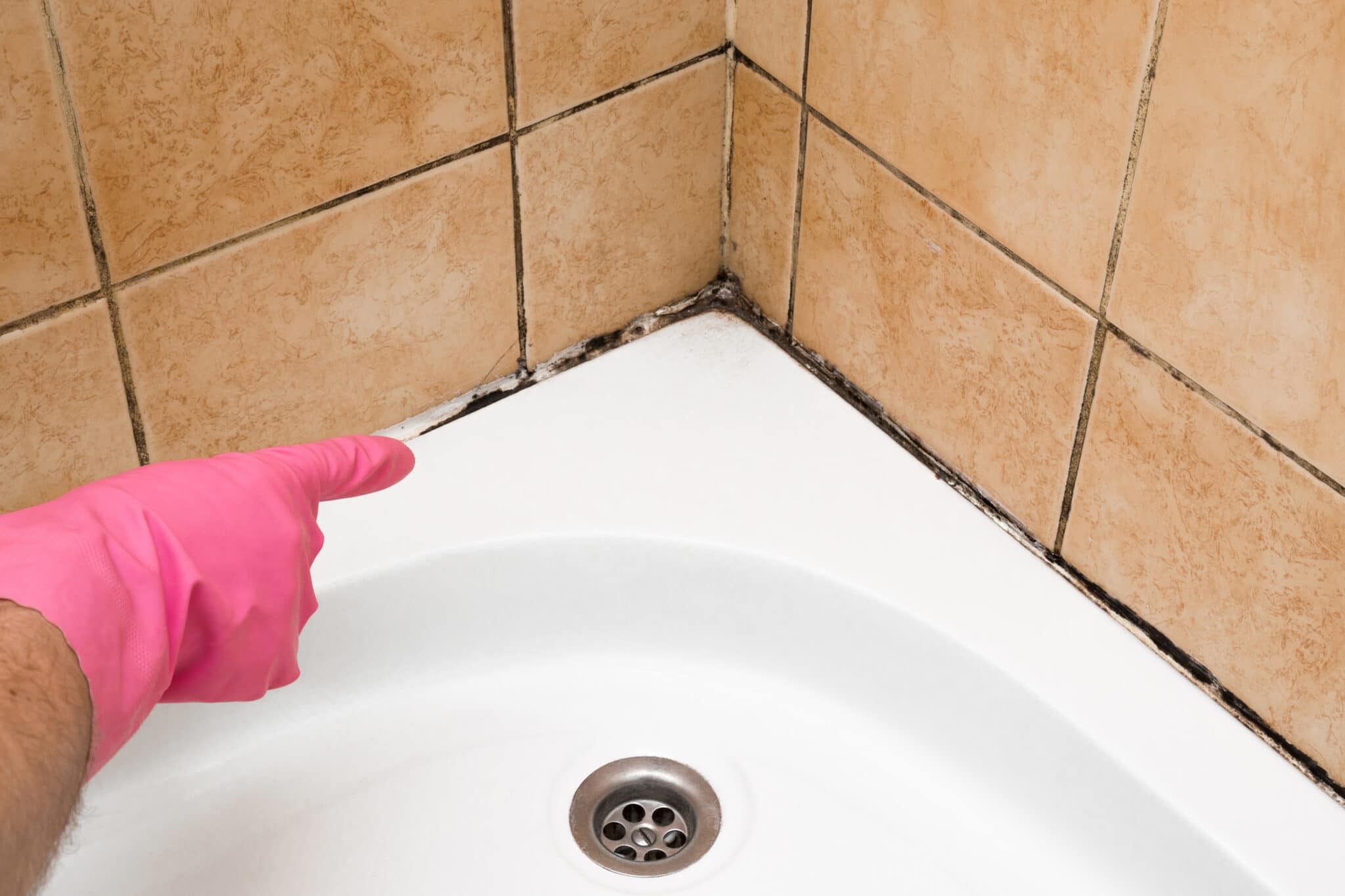
Mold is not always obvious. It often appears as black spots, but it can also be green, brown, or white. Sometimes, you’ll notice a musty smell before you see any spots. Check these common places:
- Shower grout and caulk lines
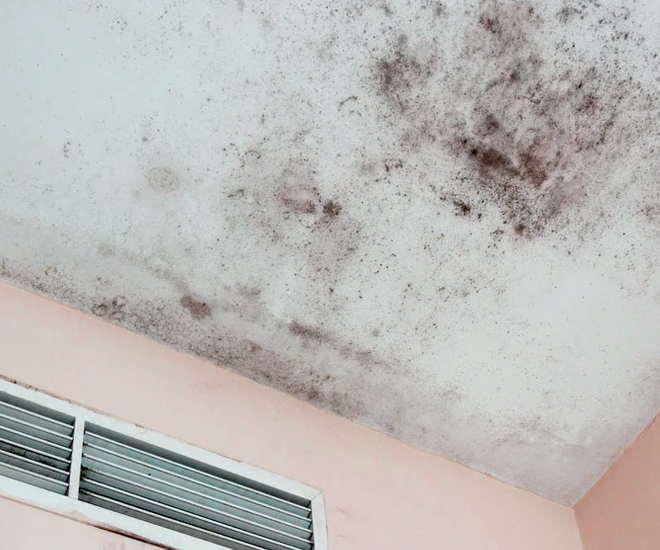
- Ceilings above showers
- Behind the toilet and under sinks
- Window sills
- Bathroom rugs and shower curtains
If you see peeling paint, stained walls, or notice a sour odor, you probably have mold. In rare cases, you may need a test kit to confirm if the spots are mold or just dirt.
Tools And Supplies Needed
Before you start cleaning, gather the right tools. Using the right products makes the job easier and safer.
- Rubber gloves – to protect your hands
- N95 mask – to avoid breathing in spores
- Safety goggles – to keep mold out of your eyes
- Scrub brush or old toothbrush – for grout and corners
- Spray bottle – to apply cleaning solution
- Bucket and sponge
- White vinegar
- Baking soda
- Hydrogen peroxide (3%)
- Bleach (optional, for tough mold)
- Paper towels or old rags
- Fan or dehumidifier
Make sure the bathroom is well-ventilated by opening windows or turning on the exhaust fan.
Step-by-step Guide To Remove Mold
Getting rid of mold is a process. Follow these steps for the best results.
1. Protect Yourself
Wear rubber gloves, a mask, and goggles. Mold spores can irritate your lungs and skin. Keep children and pets out of the room while you clean.
2. Mix A Cleaning Solution
You can use several home products to kill mold:
- White vinegar: Pour undiluted vinegar into a spray bottle. Vinegar kills most types of household mold.
- Hydrogen peroxide (3%): Spray directly onto the moldy area.
- Baking soda: Mix one teaspoon in a spray bottle with water. Baking soda scrubs away mold and deodorizes.
- Bleach: For stubborn mold, mix one cup of bleach with one gallon of water. Never mix bleach with ammonia or vinegar.
3. Spray And Wait
Spray your chosen cleaner generously on moldy surfaces. Let it sit for at least 10–15 minutes. This gives the solution time to kill the mold.
4. Scrub The Area
Use a scrub brush or old toothbrush to clean grout lines, corners, and rough spots. For flat areas, use a sponge. Rinse the brush often to avoid spreading spores.
5. Rinse And Dry
Wipe the area with a clean, damp cloth. Then dry the surface completely. Mold grows back quickly if you leave any moisture behind.
6. Repeat If Needed
Some mold is stubborn. If you still see spots, repeat the process or try a stronger cleaner.
7. Dispose Of Cleaning Materials
Throw away paper towels, used sponges, and dirty gloves. Wash your hands and clean any tools you want to keep with hot, soapy water.
Comparing Mold Removal Products
Different products work for different mold types. Here’s a quick comparison:
| Product | Effectiveness | Odor | Safe for Kids/Pets | Price |
|---|---|---|---|---|
| White Vinegar | High | Mild | Yes | Low |
| Baking Soda | Medium | None | Yes | Low |
| Hydrogen Peroxide | High | Mild | Yes | Low |
| Bleach | Very High | Strong | No | Low |
| Commercial Mold Remover | Very High | Varies | Check Label | Medium |
For most bathrooms, vinegar and baking soda are safe, effective, and eco-friendly. Use bleach only for stubborn or large mold patches, but remember to ventilate the room well.
Credit: www.jdogcarpetcleaning.com
How To Clean Mold From Different Surfaces
Mold can grow on many surfaces in a bathroom. Each surface needs a slightly different cleaning method.
Tiles And Grout
Spray with vinegar or hydrogen peroxide. Let it sit, then scrub with a stiff brush. Baking soda helps remove tough stains from grout.
Painted Walls
Use a mixture of vinegar and water. Do not scrub too hard, or you may damage the paint. If the paint peels, you may need to repaint with mold-resistant paint.
Caulk And Silicone Seals
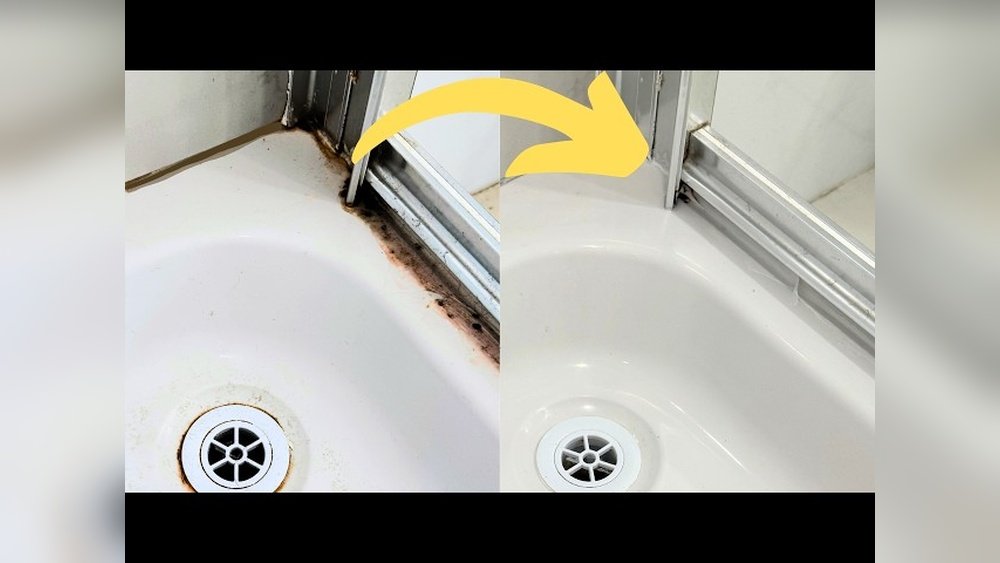
These areas are often the worst for mold. If cleaning does not work, remove the old caulk and replace it with new, mold-resistant caulk.
Shower Curtains And Bath Mats
Wash fabric curtains in hot water with baking soda. For plastic curtains, scrub with vinegar and hang to dry. Wash bath mats weekly to prevent mold buildup.
Ceilings
Spray with hydrogen peroxide and wipe gently. If the ceiling is stained or soft, you may need to repaint or repair the drywall.
Preventing Mold From Returning
Cleaning is only half the battle. To keep your bathroom mold-free, focus on prevention.
- Ventilate: Run the exhaust fan during and after showers for at least 20 minutes.
- Open windows: If possible, let in fresh air.
- Use a dehumidifier: Keeps humidity below 50%.
- Fix leaks: Repair dripping faucets, showerheads, and pipes.
- Wipe surfaces: Dry tiles, glass, and counters after use.
- Wash towels and mats: Clean them weekly.
- Seal grout lines: Use a grout sealer every year.
- Install mold-resistant products: Use paint, caulk, and drywall made to resist mold.
A surprising tip: keep your bathroom door open after a shower. This helps moisture escape and lowers humidity.
When To Call A Professional
Most bathroom mold is easy to handle yourself. However, you should call a professional if:
- The mold covers more than 10 square feet
- You smell mold but can’t find the source (it could be inside walls)
- You have repeated water damage
- You or your family get sick often after being in the bathroom
Professionals use special equipment to remove mold safely and check for hidden problems.
Common Mistakes To Avoid
Many people make errors that let mold return:
- Ignoring moisture: Mold will always return if surfaces stay wet.
- Using only bleach: Bleach can hide mold but not always kill the roots.
- Skipping protective gear: Breathing in spores can cause health issues.
- Not drying after cleaning: Leaving surfaces damp invites mold back.
- Painting over mold: This traps moisture and makes things worse.
Remember: prevention is cheaper and easier than repeated cleaning.
Cost Comparison: Diy Vs. Professional Mold Removal
Knowing what you might spend can help you choose the best option.
| Method | Average Cost | Pros | Cons |
|---|---|---|---|
| DIY Cleaning | $10 – $50 | Cheap, fast, good for small areas | Time-consuming, may not fix root causes |
| Professional Service | $500 – $2,000 | Thorough, safe for large areas, detects hidden mold | Expensive, scheduling needed |
If you’re unsure, start with DIY for small spots. For serious mold problems, a professional is worth the cost.
Two Non-obvious Insights
- Check your exhaust fan: Many fans do not vent outside but just recirculate air. Make sure your fan vents to the outdoors. Otherwise, humidity stays high, and mold keeps growing.
- Monitor humidity: Buy a cheap humidity meter. Mold grows above 60% humidity. If your bathroom stays above this, use a dehumidifier or improve ventilation.
Credit: miamimoldspecialists.com
Frequently Asked Questions
What Kills Bathroom Mold Instantly?
Products like hydrogen peroxide and bleach can kill most mold on contact. However, always let the solution sit for at least 10 minutes to ensure it reaches the mold roots.
Is Bathroom Mold Dangerous To Health?
Yes. Mold can cause allergies, asthma attacks, and respiratory irritation. People with weak immune systems are at greater risk. Learn more from the Centers for Disease Control and Prevention.
Can I Paint Over Mold?
No. Painting over mold traps moisture and lets mold grow underneath. Always remove the mold and let the area dry fully before repainting.
How Do I Keep Mold From Coming Back?
Reduce humidity, ventilate the room, wipe surfaces dry, and fix leaks quickly. Use mold-resistant paint and caulk for extra protection.
When Should I Replace Bathroom Caulk Or Grout?
If you see mold growing under or inside caulk/grout that does not clean away, it’s time to replace it. Use new, mold-resistant products for best results.
With the right approach, you can get rid of bathroom mold and keep your space clean, safe, and fresh. Staying proactive is the best way to avoid mold problems in the future.