Moving to a new home can be exciting, but packing up your kitchen often feels like a mountain to climb—especially when it comes to small appliances. Think blenders, coffee makers, toasters, slow cookers, and food processors. These gadgets are essential for daily life, but their odd shapes, fragile components, and tangled cords can make them tricky to pack.
If not done right, you risk broken parts, missing pieces, or a big mess to clean later. But with the right steps, you can move your appliances safely and stress-free. Let’s walk through how to pack small kitchen appliances for moving, with real-life tips and expert advice.
Understanding The Challenges Of Packing Small Appliances
Small kitchen appliances are not just boxes—they’re often made up of delicate parts, glass, and electronics. Some have sharp blades, others have removable trays, and many have cords that can get damaged or lost. Unlike dishes or clothes, you can’t just toss them in a box and hope for the best.
For example, a blender might seem tough on the outside, but its glass jar and motor base can break if not cushioned. A coffee maker has a glass carafe and small parts that are easy to misplace. Even a toaster can get crumbs everywhere if you don’t prep it right.
Knowing these risks helps you plan ahead and use the right packing techniques.
Gather The Right Packing Materials
Before you start, collect all the supplies you’ll need. Using the right materials is one of the best ways to avoid damage and make unpacking easier later.
Here’s what you’ll need:
- Sturdy moving boxes (small or medium, not too large)
- Bubble wrap for cushioning
- Packing paper (plain, not newspaper to avoid ink stains)
- Packing tape
- Plastic zip bags for small parts and screws
- Permanent marker for labeling
- Stretch wrap (optional, for added protection)
- Twist ties or rubber bands for cords
It’s tempting to use whatever boxes you find, but investing in quality materials pays off. According to the American Moving & Storage Association, most moving damage comes from poor packing or weak boxes. Choose boxes that feel strong and don’t bend easily.
Clean And Prepare Each Appliance
Never pack a dirty appliance. Food residue, crumbs, or old coffee grounds can attract pests and cause odors. Cleaning also gives you a chance to inspect for damage and make sure everything works before you move.
Steps to prepare:
- Unplug and cool down all appliances at least 24 hours before packing.
- Remove all detachable parts—trays, blades, jars, lids, filters, etc.
- Wash and dry everything completely, including small parts.
- Empty any water from tanks or reservoirs (like in coffee makers or kettles).
- Shake out crumbs from toasters or toaster ovens.
- Wrap cords with twist ties or rubber bands to avoid tangling.
Packing a clean, dry appliance helps prevent mold, bad smells, and messes during the move.
Disassemble And Organize Components
Small appliances often have removable parts that need extra care. For example, a food processor has a bowl, blades, and lid, while a stand mixer might have several attachments. Packing these together but separated keeps them safe and easy to reassemble later.
Tips for organizing:
- Put small parts in zip bags and label them (“Blender blade,” “Coffee maker filter”).
- Keep each appliance’s parts together in the same box if possible.
- If you have the original box, use it! It’s designed to protect the appliance during shipping.
If you no longer have the original packaging, don’t worry. Just make sure to cushion all parts well and prevent them from moving around in the box.
The Best Way To Wrap And Cushion Appliances
Proper wrapping is the most important part of protecting your appliances. Here’s how to do it right:
- Wrap detachable parts first: Use bubble wrap or several layers of packing paper. Pay special attention to glass or sharp edges.
- Secure the main body: Wrap the appliance itself in bubble wrap, making sure all sides are covered.
- Use packing paper for gaps: Fill any empty spaces in the box with crumpled packing paper. This keeps the appliance from shifting.
- Double-boxing for fragile items: For extra protection, place the wrapped appliance in a slightly larger box with more padding around it.
Here’s a quick comparison of wrapping materials:
| Material | Protection Level | Best For |
|---|---|---|
| Bubble Wrap | High | Glass, electronics, delicate items |
| Packing Paper | Medium | Plastic, metal, filling gaps |
| Towels/Cloths | Low-Medium | Extra cushioning, eco-friendly |
Bubble wrap is best for high-value or fragile parts, while packing paper is good for general wrapping and filling spaces. Using your own towels or cloths can save money, but don’t skip protective layers if the appliance is especially delicate.
How To Pack Different Types Of Small Appliances
Each type of appliance has its own challenges. Here’s how to handle the most common ones:
Blender Or Food Processor
- Remove the jar, lid, and blades.
- Wrap the jar and lid in bubble wrap, paying attention to the glass.
- Place blades in a zip bag, then wrap in paper for safety.
- Pack all parts together with plenty of padding between them.
Coffee Maker
- Remove the carafe, filter basket, and water tank if possible.
- Wrap the carafe separately in bubble wrap.
- Secure the main unit with bubble wrap or paper.
- Place small parts in a labeled bag.
Toaster Or Toaster Oven
- Shake out all crumbs and clean trays.
- Remove and wrap the crumb tray and any racks.
- Wrap the main body in bubble wrap.
- If the toaster oven has glass, protect it with extra padding.
Stand Mixer
- Remove the bowl and attachments.
- Wrap the bowl and each attachment separately.
- Secure the mixer head with stretch wrap so it doesn’t move.
- Place all items in the same box.
Slow Cooker Or Multi-cooker
- Take out the insert, lid, and accessories.
- Wrap the glass lid carefully.
- Place the insert and accessories in zip bags or wrap in paper.
- Secure the cord.
Packing appliances by type helps you avoid confusion when unpacking and reduces the risk of loss or breakage.
Box Sizes And Weight Distribution
Choosing the right box size is key. A box that’s too big can collapse under weight, while one that’s too small can crush items inside.
- Use small or medium boxes for heavy appliances.
- Don’t overload boxes—aim for 30-40 pounds max.
- Place heavier items at the bottom and lighter, softer items on top.
Here’s a quick look at the best box sizes for common appliances:
| Appliance | Best Box Size | Estimated Weight |
|---|---|---|
| Blender | Small | 6-8 lbs |
| Coffee Maker | Small/Medium | 7-10 lbs |
| Toaster Oven | Medium | 10-15 lbs |
| Stand Mixer | Medium | 15-20 lbs |
| Slow Cooker | Medium | 10-12 lbs |
Distribute weight evenly so boxes are easy to carry and won’t break during the move.
Labeling And Inventory Tips
Labeling is not just for organization—it saves time and reduces stress. Write clearly on each box:
- Appliance name (“Toaster and parts”)
- Room (“Kitchen”)
- Fragile if the box has glass or delicate parts
- This Side Up to avoid spills or damage
It’s also smart to make a simple inventory list. Write down each appliance and its parts, especially if you have many gadgets. This helps you check if anything is missing when you unpack.
For expensive appliances, take photos before packing. If something is damaged during the move, you’ll have proof for insurance.
Extra Protection: What Most People Forget
There are a few details even experienced movers overlook:
- Moisture control: Place a silica gel packet or a bit of dry rice in bags with electronics to absorb moisture.
- Padding under the box: Line the bottom of each box with a thick layer of packing paper or even a towel before adding the appliance.
- Insurance: If moving long-distance or hiring movers, check if your appliances are covered by insurance. Sometimes you need extra coverage for electronics.
- Moving during extreme weather: Sudden temperature changes can damage electronics. Try not to leave packed appliances in a hot car or freezing garage.
Common Packing Mistakes To Avoid
Even with a good plan, it’s easy to make mistakes. Here are some of the most common—and how to avoid them:
- Packing wet appliances: Always dry completely to avoid mold.
- Forgetting small parts: Use zip bags and label them.
- Overloading boxes: Heavy boxes break and are hard to lift.
- Poor labeling: Unlabeled boxes cause confusion and lost items.
- Ignoring fragile parts: Wrap glass, blades, and electronics with extra care.
Many people forget to secure cords, which leads to tangling or even snapping. Always wrap cords and tape them to the main appliance body.
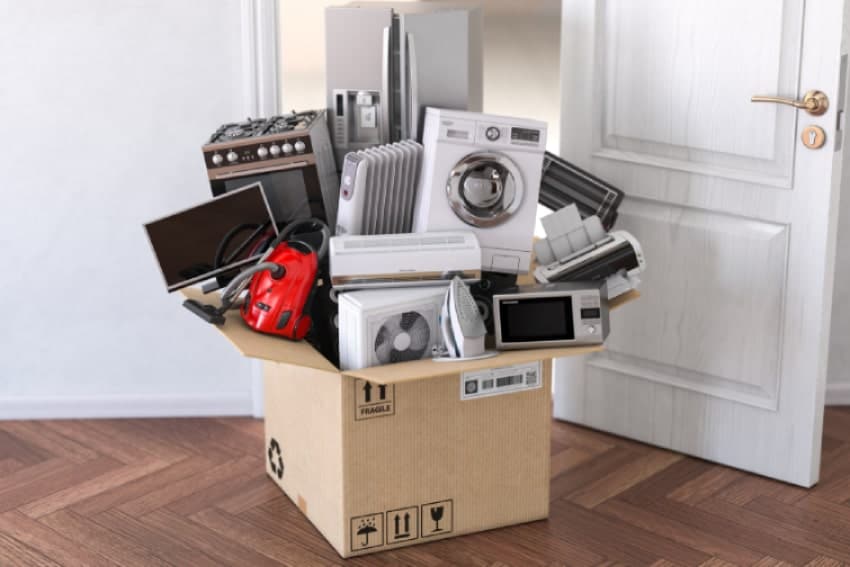
Credit: wemovetheworld.com
Unpacking And Reassembling Appliances
Once you arrive at your new home, unpack kitchen appliances first—these are often needed right away. Unpack one box at a time, check for damage, and use your inventory list to make sure all parts are present.
Tips for easier reassembly:
- Keep the instruction manuals or download digital copies before moving.
- Lay out all parts on a clean counter before putting them together.
- If anything is missing, check the zip bags or padding inside the box—small parts can get hidden.
Environmentally Friendly Packing Tips
If you want to reduce waste, consider these eco-friendly packing options:
- Use towels, blankets, or old clothes as padding.
- Save and reuse boxes from previous moves or local stores.
- Avoid plastic foam peanuts, which are hard to recycle.
- Recycle packing materials after the move.
These steps not only help the environment but also save money on packing supplies.

Credit: moving.tips
When To Hire Professional Packers
If you have high-value appliances or little time, professional packers can help. They have experience with fragile items and often provide insurance. However, always check their reviews and ask about their process for packing electronics and small appliances.
For more guidance on moving and packing, the American Moving & Storage Association offers helpful resources.
Frequently Asked Questions
How Far In Advance Should I Pack Small Kitchen Appliances Before Moving?
It’s best to pack small kitchen appliances one to two weeks before your move. Pack them after you finish using them daily, but not so early that you’ll need to unpack them again. Save a few essentials for the last few days.
Can I Use Old Newspapers To Wrap Appliances?
Avoid using newspapers for wrapping appliances. The ink can rub off and stain surfaces, especially plastics and glass. Instead, use plain packing paper or bubble wrap for safer, cleaner results.
What Should I Do If I Lost The Original Box?
No problem! Choose a strong, small or medium box, wrap the appliance and parts with bubble wrap, and fill empty spaces with packing paper. Make sure the box is sturdy and clearly labeled.
Do I Need To Remove Batteries From Appliances Before Moving?
Yes, always remove batteries from any appliance before moving. Batteries can leak or corrode, which may damage the appliance or other items in the box.
How Do I Keep Track Of All The Small Parts And Accessories?
Put all small parts (like blades, filters, trays) in labeled zip bags and tape them to the main appliance or pack them in the same box. Consider making a checklist or taking photos before you pack.
Packing your small kitchen appliances may take a little extra time, but careful preparation pays off. With the right materials, good organization, and a bit of patience, you’ll arrive at your new home with all your kitchen gadgets safe and ready to use.
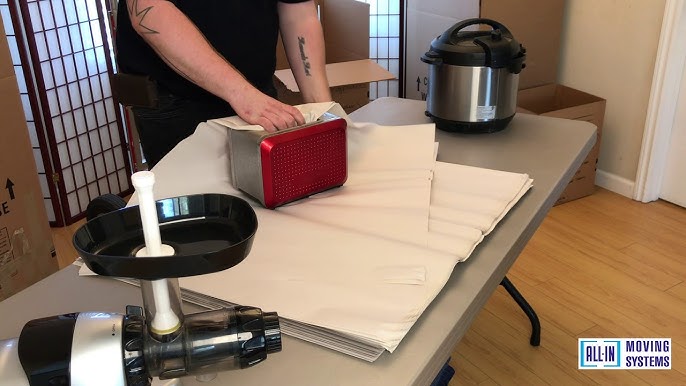
Credit: www.youtube.com