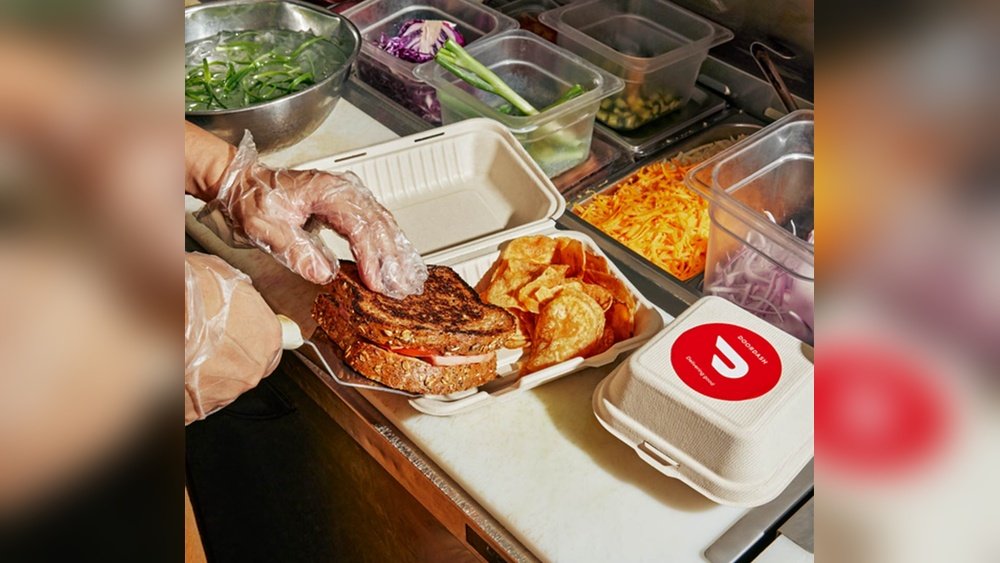
Launching a ghost kitchen on DoorDash can be a smart way to enter the food delivery market without huge upfront costs. Many entrepreneurs and restaurant owners are now using ghost kitchens to test new menus, boost income, or reach more customers.
If you want to know exactly how to set up a ghost kitchen on DoorDash, this guide will walk you through every step, from planning and permits to menu setup and marketing. You will also learn how to avoid common mistakes and use practical strategies that beginners often miss.
What Is A Ghost Kitchen?
A ghost kitchen is a delivery-only restaurant. It has no physical dining area for customers. Instead, it operates from a commercial kitchen and sells food through apps like DoorDash. Ghost kitchens can be completely new brands or virtual versions of existing restaurants. This model is growing fast—by 2022, the global ghost kitchen market reached $43 billion, and experts expect it to double in the next five years.
Many famous brands use ghost kitchens to test new recipes or expand with less risk. For example, Wendy’s and Chick-fil-A have launched ghost kitchens in many cities.
How Doordash Supports Ghost Kitchens
DoorDash is one of the top platforms for ghost kitchens. It gives access to millions of customers, handles online ordering, and offers delivery support. The platform allows you to create a virtual brand or operate multiple menus from one kitchen. Some DoorDash partners use their kitchens for several brands, increasing their income and testing new concepts quickly.
DoorDash also provides analytics and marketing tools. You can track sales, customer reviews, and adjust your menu in real time. This flexibility is a major advantage for ghost kitchens.
Planning Your Ghost Kitchen Concept
Before signing up on DoorDash, you need a clear plan.
- Choose a cuisine and menu: Focus on foods that travel well. Fried items, burgers, noodles, and rice dishes tend to survive delivery better than delicate salads or ice cream. Keep your menu simple—too many items can slow down operations.
- Research the local market: Check what is popular in your area. Use DoorDash to see which cuisines and dishes are selling. Look for gaps where you can stand out.
- Create a unique brand: Your ghost kitchen needs a name, logo, and identity. Unique branding helps you attract customers and look professional online.
A common mistake is copying existing menus without thinking about delivery challenges. For example, some foods become soggy or lose flavor after delivery. Always test your menu first.
Finding The Right Kitchen Space
Ghost kitchens must operate from a licensed commercial kitchen. You cannot cook from home for DoorDash.
Options include:
- Renting a space in a shared kitchen facility (commissary kitchens)
- Leasing your own commercial kitchen
- Partnering with an existing restaurant outside of their main hours
Shared kitchens are popular for ghost kitchens because they offer flexible leases and basic equipment. Costs vary, but renting a shared kitchen can range from $20 to $50 per hour in US cities.
Here’s a comparison of kitchen space options:
| Type | Cost | Flexibility | Best For |
|---|---|---|---|
| Shared Kitchen | $20–$50/hr | High | Startups, new brands |
| Own Kitchen | $2,000–$10,000/mo | Medium | Established restaurants |
| Restaurant Partnership | Negotiable | Medium | Small operators |
When choosing a kitchen, check its location. Kitchens close to busy neighborhoods reduce delivery times and costs.

Credit: www.youtube.com
Permits, Licenses, And Regulations
Operating a ghost kitchen means following all local health, safety, and business rules. DoorDash requires:
- Food business license
- Health department permit
- Food handler certification for staff
- Business insurance
Rules differ by city and state. Some areas need extra permits for delivery-only restaurants. Contact your local health department for details.
Failing to get the right permits is a common mistake. DoorDash will remove your listing if you cannot show valid licenses.
Setting Up Your Doordash Ghost Kitchen Account
Once your kitchen is ready and legal, you can join DoorDash.
- Go to the DoorDash Merchant Signup page.
- Fill in your business details, kitchen location, and contact info.
- Submit documents (licenses, insurance, and menu).
- Set up your menu. Add photos, prices, and descriptions.
- Choose your brand name and logo.
DoorDash reviews your application. If approved, your kitchen will appear on the app within days.
Here is a quick overview of the signup process:
| Step | Description | Time Required |
|---|---|---|
| Apply Online | Enter business info, kitchen details | 30 minutes |
| Upload Documents | Licenses, insurance, menu | 1–2 days |
| Menu Setup | Add items, photos, descriptions | 1–2 hours |
| Approval | DoorDash reviews and approves | 2–7 days |
Tip: Use clear, attractive photos. Menus with photos sell up to 30% more on DoorDash.

Credit: www.restaurantbusinessonline.com
Optimizing Your Menu For Delivery
Menu optimization is key for ghost kitchens. Items must stay fresh, hot, and tasty during delivery.
- Offer combo meals: Bundled items are easier for customers to order and often increase ticket size.
- Limit fragile dishes: Avoid foods that spill, melt, or lose quality quickly.
- Use smart packaging: Invest in containers that keep food warm and prevent leaks.
- Write clear descriptions: Use simple words and highlight unique flavors.
Many beginners forget to adjust their menu for delivery. For example, adding rice under saucy dishes prevents spills and keeps flavors together.
Setting Prices And Managing Costs
Pricing for a ghost kitchen must cover all costs, including ingredients, kitchen rent, DoorDash fees (usually 15–30%), and packaging.
- Check local prices for similar dishes.
- Calculate your cost per item, including all fees.
- Aim for a profit margin of 20–30%.
DoorDash fees can surprise new ghost kitchen owners. Always factor these fees into your menu prices.
Here’s a comparison of cost breakdown for a typical ghost kitchen burger meal:
| Expense | Amount | % of Sale Price |
|---|---|---|
| Ingredients | $2.00 | 20% |
| Packaging | $0.50 | 5% |
| Kitchen Rent | $1.00 | 10% |
| DoorDash Fees | $2.00 | 20% |
| Profit | $4.50 | 45% |
If your costs are too high, simplify your menu or renegotiate your kitchen rent.
Marketing Your Ghost Kitchen On Doordash
DoorDash offers built-in marketing tools, but your ghost kitchen needs extra promotion to stand out.
- Offer discounts and deals: First-time customer offers, combo meals, and free delivery boost sales.
- Promote on social media: Use Instagram, Facebook, and TikTok to build your brand. Share photos and videos of your dishes.
- Ask for reviews: Positive reviews help your kitchen rank higher in DoorDash searches.
- Run DoorDash ads: Paid ads can increase visibility, especially during peak hours.
Many ghost kitchen owners forget to use social media. Even small brands can grow fast with consistent posts and engaging content.
If you want more data on ghost kitchen marketing, see National Restaurant Association.
Managing Orders And Customer Experience
Your kitchen must handle orders quickly and accurately. DoorDash sends orders through a tablet or app.
- Prepare orders fast: Most customers expect delivery in 30–45 minutes.
- Double-check packaging: Make sure all items are included and sealed.
- Respond to customer issues: DoorDash allows customers to rate their experience and report problems. Handle complaints quickly to avoid bad reviews.
- Use DoorDash analytics: Track sales, review trends, and adjust your menu based on what sells best.
One insight beginners miss: DoorDash sometimes refunds customers if food is late or missing. Keep communication open with drivers and update the app if you run out of an item.
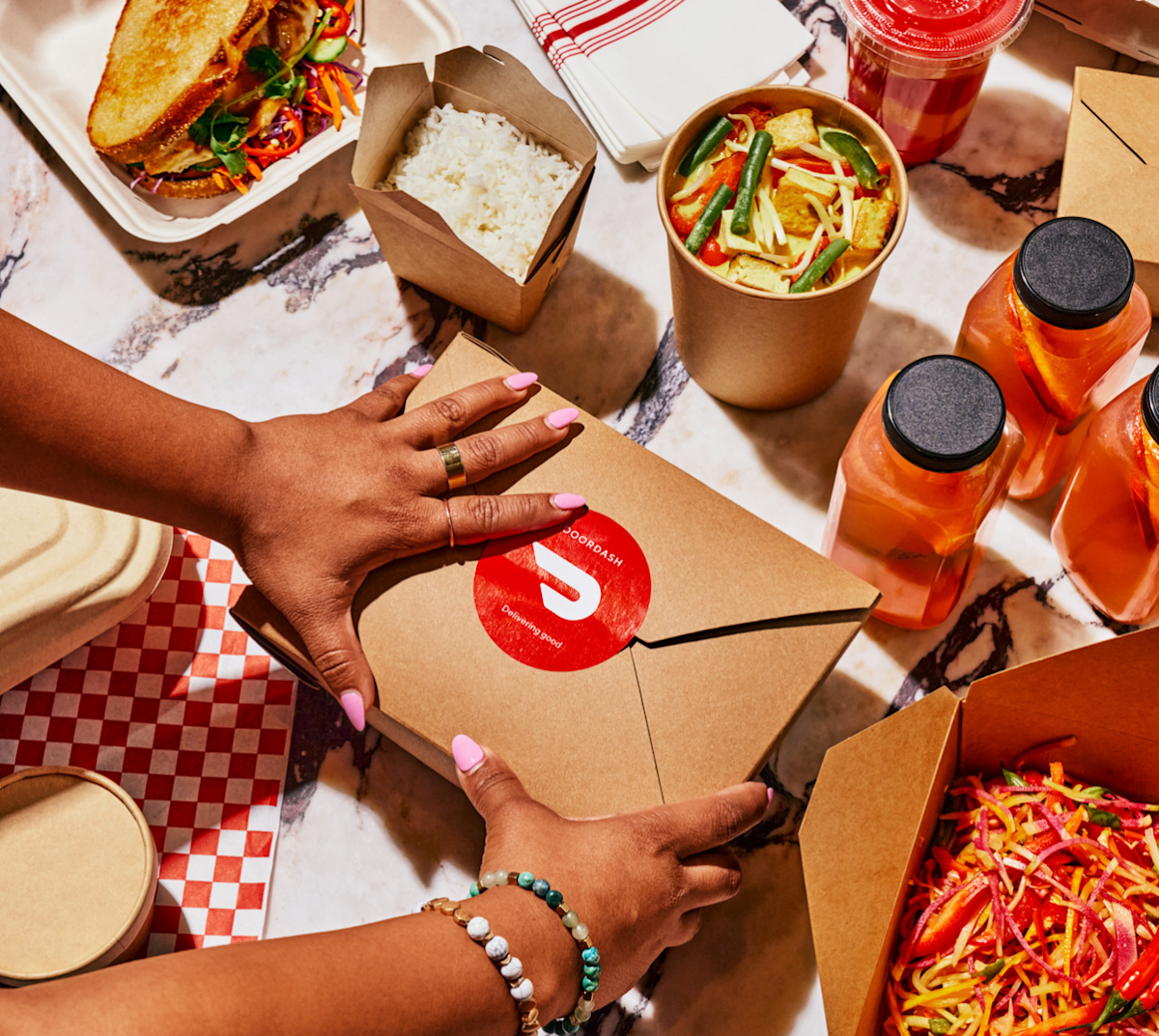
Credit: merchants.doordash.com
Scaling Up: Growing Your Ghost Kitchen
Once your ghost kitchen is running well, you can grow your brand.
- Launch new menus or cuisines under the same kitchen.
- Add more delivery apps (Uber Eats, Grubhub).
- Move to a bigger kitchen if demand grows.
- Collaborate with local chefs to create special dishes.
Successful ghost kitchens often run multiple brands from one location. This lets you test new ideas and reach more customers without extra rent.
Common Mistakes And How To Avoid Them
Ghost kitchens are easy to start but can fail if you miss key details.
- Ignoring delivery challenges: Not all foods travel well. Always test your dishes.
- Skipping permits: Operating without proper licenses leads to shutdowns.
- Overcomplicating the menu: Simple menus are easier to deliver and manage.
- Underestimating costs: Always factor in all fees and expenses.
- Neglecting customer feedback: Monitor reviews and fix problems fast.
A non-obvious tip: Use delivery tracking tools to monitor delays. This helps you improve timing and avoid DoorDash penalties.
Frequently Asked Questions
What Is The Minimum Cost To Start A Ghost Kitchen On Doordash?
You need about $2,000–$5,000 to start, depending on kitchen rent, permits, and equipment. Shared kitchens and simple menus lower costs.
Can I Run A Ghost Kitchen From Home?
No, DoorDash requires a licensed commercial kitchen. Home kitchens are not allowed for food delivery services.
How Long Does It Take To Get Approved By Doordash?
Approval takes 2–7 days after submitting your application and documents. Menu setup and photo uploads can speed up the process.
What Are The Main Doordash Fees For Ghost Kitchens?
DoorDash charges 15–30% of each order. Fees depend on your agreement and location. Always include these fees in your menu prices.
How Can I Make My Ghost Kitchen Stand Out On Doordash?
Create a unique brand, use attractive photos, offer deals, and ask for reviews. Social media promotion and DoorDash ads help you reach more customers.
Setting up a ghost kitchen on DoorDash is a powerful way to grow your food business with less risk and lower costs. By planning carefully, optimizing your menu, and focusing on customer experience, you can build a successful delivery-only restaurant.
Stay flexible, learn from feedback, and use smart marketing to stand out in a crowded market.