Storing duffle bags may sound simple, but it can be surprisingly tricky if you want to keep them clean, undamaged, and ready to use. Whether you travel often, use them for sports, or just need a way to keep your closet tidy, knowing how to store duffle bags the right way can save you time, money, and frustration.
Many people just toss their bags in a corner or stuff them under the bed, but this can lead to problems like bad smells, mildew, or even broken zippers. With a little attention and a few smart tips, your duffle bags can last for many years and always be ready for your next adventure.
Why Proper Storage Of Duffle Bags Matters
Many people underestimate the importance of proper duffle bag storage. But storing your bag well can make a big difference in its life and usefulness. Duffle bags are often made from materials like canvas, nylon, or leather. If these materials are not cared for, they can break down, tear, or develop unpleasant odors.
Improper storage can also cause:
- Mold and mildew from moisture
- Crushed or deformed shapes that make bags hard to use
- Broken zippers and straps from being bent or tangled
- Color fading from too much sunlight
Taking a few extra minutes to store your duffle bags carefully can help you avoid these problems and keep your bags looking and working like new.
Preparing Duffle Bags For Storage
Before you put your duffle bag away, it’s important to do some basic preparation. This step is often missed, but it’s one of the most important ways to keep your bag in good shape.
Cleaning Your Duffle Bag
- Empty the bag completely. Check all pockets and corners for items, dirt, or trash.
- Shake out dust and debris. Hold the bag upside down and give it a few shakes.
- Wipe the inside and outside. Use a damp cloth and mild soap for most materials. If your bag is leather, use a cleaner made for leather.
- Wash if needed. Some fabric duffle bags can be machine washed. Always check the label.
- Dry the bag fully. Leave the bag open in a well-ventilated area until it is completely dry, inside and out. Never store a wet or damp bag.
Inspecting For Damage
Take a moment to check:
- Zippers (do they run smoothly?)
- Straps and handles (are they secure?)
- Seams (any loose threads or tears?)
If you find damage, fix it before storing. Small repairs now prevent bigger problems later.
Credit: blueistyle.blogspot.com
Choosing The Right Storage Location
Where you store your duffle bag is as important as how you store it. The wrong environment can damage even the best bags.
Best Places To Store Duffle Bags
- Closets: Easy to access, usually dry and dark.
- Under-bed storage: Good for saving space, but make sure the area is clean and dry.
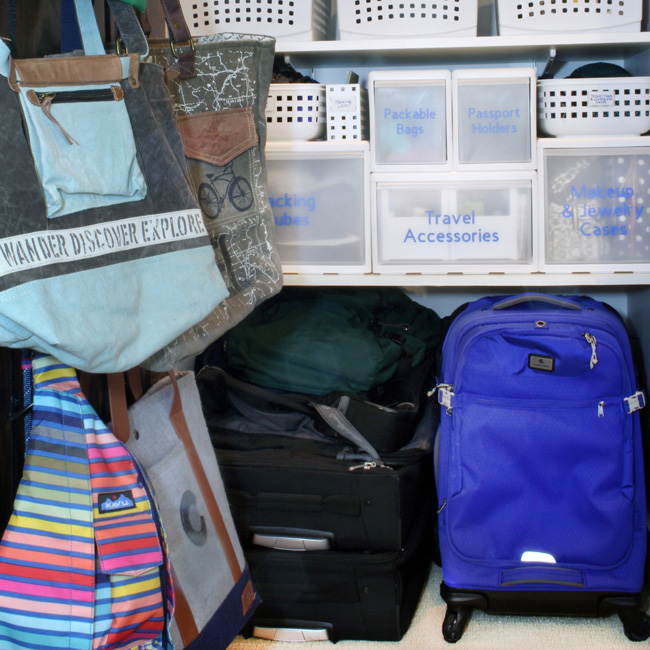
- Shelving units: Great for organizing multiple bags.
- Storage bins: Protects bags from dust and moisture.
Areas To Avoid
- Damp basements (risk of mold)
- Attics with extreme temperatures
- Garages where pests may be present
- Direct sunlight, which can fade colors
For an easy comparison, here is a look at different storage locations:
| Storage Location | Pros | Cons |
|---|---|---|
| Closet | Dry, dark, easy access | Limited space |
| Under Bed | Space-saving, hidden | May collect dust, needs cleaning |
| Garage | Lots of space | Temperature changes, pests |
| Basement | Extra storage | Moisture risk, possible mold |
How To Fold Or Roll Duffle Bags For Storage
One of the best things about duffle bags is their flexibility. You can fold, roll, or flatten them to save space. But doing it the wrong way can cause creases or damage.
Folding Method
- Lay the bag flat on a clean surface.
- Fold in the sides toward the center.
- Fold the ends over each other.
- Press gently to remove air.
Rolling Method
- Lay the bag flat and smooth out any wrinkles.
- Roll from one end to the other, making the roll tight but not too tight.
- Secure with an elastic band if needed.
Rolling is especially good for soft or fabric bags. It helps prevent deep creases.
Protecting Duffle Bags From Dust, Moisture, And Pests
Even in a clean home, dust and pests can find their way into your bags. Moisture is a bigger enemy, as it can cause mold, bad smells, and material damage.
Using Dust Bags Or Covers
Many duffle bags come with a dust bag or storage pouch. If yours did not, you can use a cotton pillowcase or a large, breathable bag.
- Avoid plastic bags for long-term storage; they trap moisture.
- Use cotton or canvas for better air flow.
Adding Moisture Protection
Place a small silica gel packet inside your bag before storing. These packets absorb moisture and help prevent mold. You can also use baking soda in a small fabric pouch.
Preventing Pests
Store your bags in places less likely to attract pests. If you are worried, add a natural repellent like cedar blocks or lavender sachets.
Here’s a quick comparison of protection methods:
| Protection Method | Main Benefit | Tip |
|---|---|---|
| Dust Bag | Keeps out dust, lets air flow | Use cotton for breathability |
| Silica Gel | Absorbs moisture | Replace every 6 months |
| Cedar Blocks | Repels pests | Refresh scent yearly |
| Plastic Bag | Protects from water (short term) | Avoid for long-term use |
Storing Multiple Duffle Bags: Space-saving Tips
If you have more than one duffle bag, storing them can be a challenge, especially in small homes or apartments. Here are some smart ways to keep your collection organized and tidy.
Nesting Smaller Bags Inside Larger Ones
One simple trick is to nest smaller bags inside bigger ones. This not only saves space but also keeps your bags together, so you always know where to find them.
- Place the smallest bag inside the next size up.
- Continue until all bags are inside the largest bag.
- Store the largest bag in a dust bag or on a shelf.
Vertical Storage
Hang bags from sturdy hooks or a pegboard in a closet. This method works well for bags that need to keep their shape, such as leather duffles.
- Use padded hooks to prevent marks.
- Don’t hang heavy bags by their straps for a long time, as this can stretch or damage them.
Using Storage Bins
Clear plastic bins are useful for stacking bags on shelves or under beds. Label each bin so you can quickly find the bag you need.
- Make sure bins are clean and dry before use.
- Leave the lid slightly open for airflow if storing long-term.

Credit: travelpro.com
Storing Specialty Duffle Bags
Some duffle bags need extra care. For example, leather duffle bags and wheeled duffle bags have special requirements.
Leather Duffle Bags
Leather is beautiful but sensitive. Always:
- Clean with a leather-safe cleaner.
- Condition with a leather conditioner twice a year.
- Stuff the bag with tissue paper to keep its shape.
- Store in a dust bag, never in plastic.
- Keep away from direct sunlight and heat sources.
Wheeled Duffle Bags
These bags are bulkier and often have hard bottoms.
- Store standing up if possible, so wheels do not press into fabric.
- Wipe wheels before storing to avoid dirt inside.
- If storing flat, do not stack heavy items on top.
Mistakes To Avoid When Storing Duffle Bags
Even with the best intentions, there are some common mistakes people make that can shorten the life of their duffle bags.
- Storing while dirty or wet: This is the fastest way to get mold or bad smells.
- Using airtight plastic for long-term storage: These can trap moisture and cause damage.
- Leaving bags in hot cars or attics: Heat can warp or weaken materials.
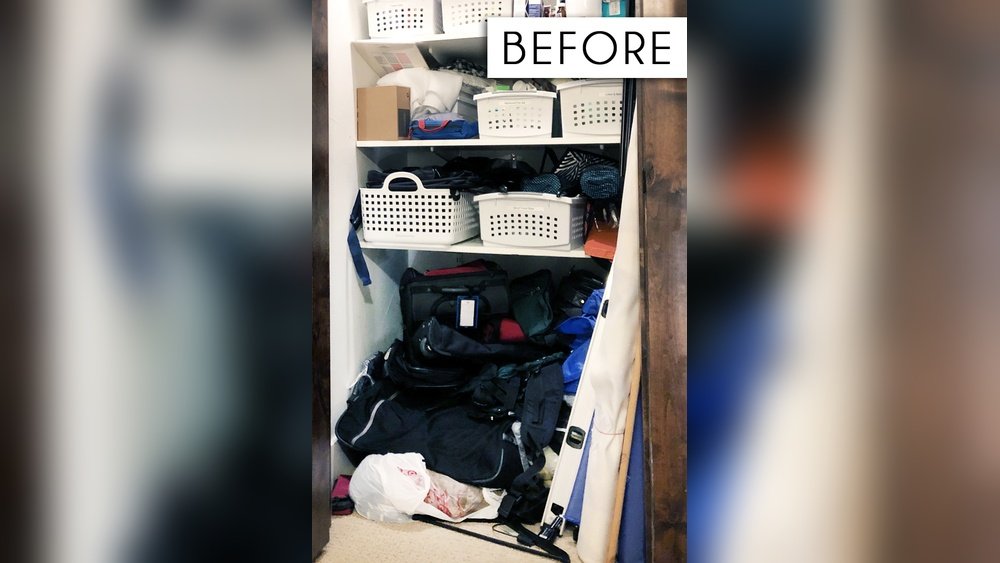
- Stuffing too many bags together: This can crush or deform them.
- Forgetting to check stored bags regularly: Over time, problems can grow unnoticed.
How To Keep Duffle Bags Smelling Fresh
Nobody likes opening a bag and smelling something musty. Here are a few simple ways to keep your duffle bags smelling great.
- Place a dryer sheet or charcoal deodorizer inside before storing.
- Air out your bags every few months, even if you’re not using them.
- Store with a lavender sachet for a natural, pleasant scent.
How Often Should You Check On Stored Duffle Bags?
It’s smart to check on your stored duffle bags every 3–4 months. Open them up, air them out, and make sure there are no signs of moisture, pests, or damage. If you catch a problem early, it’s much easier to fix.
When To Replace A Duffle Bag
Even with the best storage, all bags eventually wear out. Replace your duffle bag if you notice:
- Large tears or holes that can’t be repaired
- Broken zippers that won’t close
- Permanent smells that do not go away
- Material that is cracking or flaking
Quality duffle bags can last for many years with proper care, but it’s better to let go of a bag that can no longer do its job.
Eco-friendly Storage Tips
If you want to be kind to the environment, use reusable storage bags or bins made from recycled materials. Avoid plastic whenever possible. Donate old bags instead of throwing them away.

Credit: www.huntleyequestrian.com
Frequently Asked Questions
How Do I Store A Duffle Bag To Save Space?
The best way is to fold or roll the bag and nest smaller bags inside larger ones. Use vertical space by hanging or use storage bins under the bed.
Can I Store A Duffle Bag In The Garage?
It’s possible, but only if the garage is dry and not too hot or cold. Protect the bag from dust, pests, and moisture. Use a dust cover or storage bin.
What Is The Best Way To Keep A Leather Duffle Bag In Good Shape?
Clean and condition the leather, stuff the bag with tissue to keep its shape, and store in a breathable dust bag away from sunlight and heat. Never use plastic for long-term storage.
Is It Safe To Store Duffle Bags In Plastic Bags?
Plastic bags can trap moisture, which may cause mildew or odor. Use a cotton dust bag or pillowcase for long-term storage instead.
How Often Should I Clean My Duffle Bag Before Storing?
Clean your duffle bag every time before storing it for more than a month. Make sure it is dry and free of dirt or spills to prevent odors and mold.
Storing duffle bags the right way is not just about saving space—it’s about protecting your investment and making sure your bag is always ready when you need it. A little care goes a long way. For more ideas on organizing and storing luggage, check out this helpful resource from the Good Housekeeping team. With these tips, your duffle bags will stay clean, fresh, and in top condition for years to come.