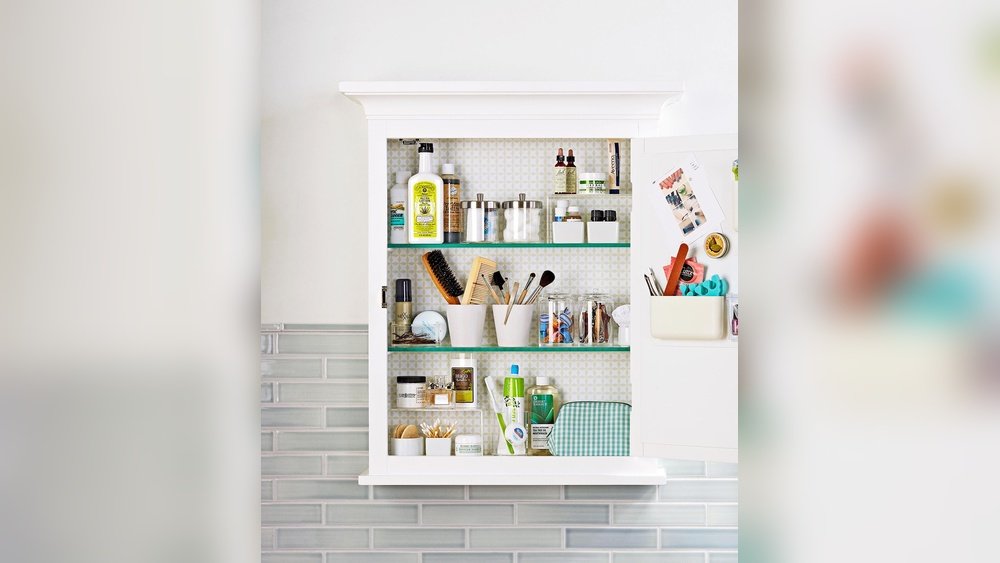
A medicine cabinet in a small bathroom is often a mess—full of expired pills, half-empty bottles, and items you forgot existed. It’s easy for things to get lost or mixed up, especially when space is tight. But a well-organized medicine cabinet saves time, reduces stress, and even keeps your family safer.
With a few smart strategies and some practical tools, you can turn even the tiniest bathroom cabinet into a tidy, efficient storage spot for your health essentials.
Why Organizing Your Medicine Cabinet Matters
A cluttered medicine cabinet is more than just an eyesore. It can actually be dangerous. Expired medications may not work or could even cause harm. Mixing up pills, ointments, and first-aid supplies wastes time in emergencies. In a small bathroom, the problem gets worse—there’s less space, so things pile up fast. Organizing your medicine cabinet helps you:
- Find what you need quickly
- Avoid accidental misuse of expired or wrong medicines
- Prevent spills and mess
- Make the most of limited space
Surprisingly, a survey by the American Pharmacists Association found that over 50% of households keep expired or unused medications at home. Regularly cleaning and organizing your cabinet can help you avoid becoming part of this statistic.
Assessing Your Medicine Cabinet Space
Before you start, take a good look at your cabinet. Is it a classic mirrored box above the sink? A shallow shelf? Or maybe a drawer or small basket? Measure the height, width, and depth. Write these numbers down. Knowing your exact space helps you pick the right organizers and avoid buying things that won’t fit.
Think about how you use the space, too. Do you share the bathroom? Do you keep only medicines, or also first-aid, skincare, and dental products? The answers will shape your plan.
Decluttering: The First And Most Important Step
Don’t try to organize around clutter. Start by emptying the entire cabinet. Place everything on a towel or tray. Now, check each item carefully:
- Check expiration dates: Throw away anything expired. Don’t flush meds—take them to a pharmacy or a local medicine take-back program.
- Remove duplicates: If you have multiple open bottles of the same thing, combine if safe, or keep just one.
- Toss damaged packaging: If labels are unreadable, get rid of it.
- Separate non-medical items: Remove makeup, perfume, and razors unless you need them in the cabinet.
You’ll be surprised how much space you free up just by clearing out old and unneeded items. This step alone can reclaim up to 30% of your cabinet space.
Sorting And Categorizing Medicines And Supplies
Now sort what’s left into groups. This makes everything easy to find and put back. Common categories include:
- Daily medications (for regular use)
- Occasional medicines (like allergy pills or painkillers)
- First-aid supplies (bandages, ointments, antiseptics)
- Children’s medicines
- Vitamins and supplements
- Topical treatments (creams, ointments)
If you live with others, consider sorting by person or by type. For example, keep children’s medicines on a higher shelf or in a separate bin for safety.
:strip_icc()/bhg-medicine-cabinet-organization-storage-towels-101559564-57cb0b54268a4d0f918bab723a9dd2f0.jpg)
Credit: www.bhg.com
Choosing Smart Storage Solutions For Small Spaces
Small cabinets need creative storage. The right organizers can double your space. Here are some of the best solutions for tiny bathrooms:
Stackable Bins And Drawers
These use vertical space. Clear plastic bins let you see what’s inside. Stackable drawers are perfect for separating categories (like cold vs. pain medicine).
Shelf Risers
Shelf risers add an extra layer, so you can store more without losing sight of things. Use a riser for small bottles on top, larger items below.
Magnetic Strips
Attach a magnetic strip to the inside of the door for tweezers, nail clippers, or scissors. This frees up shelf space for bottles and boxes.
Door-mounted Organizers
Slim racks or pockets on the inside of the cabinet door give extra space for flat items like bandages or ointment tubes.
Lazy Susans (turntables)
A small turntable helps you access everything without knocking over other items. Great for round bottles and jars.
Labeled Containers
Labeling is essential in a small cabinet. Use waterproof labels to mark bins and shelves. This makes it easy to put things back in the right spot.
Here’s a comparison of popular small cabinet organizers:
| Organizer Type | Best For | Pros | Cons |
|---|---|---|---|
| Stackable Bins | Small bottles, grouped meds | Space-saving, easy to move | Can hide back items |
| Shelf Risers | Short and tall items | Improves visibility | Needs enough height |
| Magnetic Strips | Metal tools | Keeps tools handy | Not for heavy items |
| Door Pockets | Flat, light products | Uses wasted space | Door must close fully |
Arranging Items For Maximum Efficiency
Once you’ve chosen your organizers, it’s time to put everything back. How you arrange items makes a big difference in daily use.
- Place daily-use items at eye level. These should be easiest to reach.
- Rarely used or seasonal items go higher or lower. For example, keep cold medicine up high during summer.
- First-aid supplies should be quick to grab in an emergency.
- Child or pet medicines: Store out of reach, ideally in a locked box or high shelf.
- Heavy or large bottles: Place on the bottom shelf to avoid falling hazards.
A practical tip: Store each group in its own bin or section. That way, if you need pain relief, you grab the “pain” bin, not every bottle in the cabinet.
Here’s an example of how to arrange a small cabinet:
| Cabinet Area | What to Store | Why |
|---|---|---|
| Eye-level shelf | Daily meds, toothbrush, toothpaste | Fast access |
| Top shelf | Rarely used items, backup supplies | Out of the way |
| Bottom shelf/drawer | Large bottles, first-aid | Stability, safety |
| Door pockets | Bandages, ointments, small tools | Easy to grab |
Safety First: Storage Tips For Medicine
Safety is critical, especially if you have children, elderly family members, or pets. Here are important guidelines:
- Keep all medicines out of reach of children. Use a locked box if possible.
- Store away from humidity and heat. Bathrooms can get steamy, which can damage some medications. If your bathroom is very humid, consider moving sensitive medicines to a bedroom or kitchen cabinet.
- Separate human and pet medicines to prevent mix-ups.
- Keep original packaging with labels for dosage and expiration info.
One insight many people miss: insulin, some antibiotics, and liquid vitamins may require refrigeration, not bathroom storage. Always check medicine instructions.
Maintenance: Keeping Your Cabinet Organized Long-term
A tidy cabinet doesn’t stay organized on its own. Set a reminder to review your cabinet every three to six months. Here’s how to keep things neat:
- Remove expired or unused items regularly.
- Wipe shelves and organizers with a damp cloth.
- Re-label bins if your needs change.
- Restock basics: Keep a list of essentials like pain relievers, allergy meds, and bandages.
A good routine: Every time you buy new medicine, check for old items to remove. This prevents clutter from building up again.

Credit: www.robern.com
Common Mistakes To Avoid
Even with the best intentions, some mistakes can ruin your organization efforts:
- Overfilling shelves: Too many items make it impossible to see what you have.
- Ignoring expiration dates: Out-of-date medicine is dangerous and takes up space.
- Mixing categories: If you toss everything together, you’ll waste time searching.
- Storing in humid conditions: Shortens shelf life of pills and creams.
- No labels: Unmarked bins confuse everyone.
An extra tip: If you have family visiting often, keep a small guest kit with travel-size pain relievers and bandages in a labeled bin. This keeps your main supplies untouched.
Creative Space-saving Ideas
Small bathrooms require out-of-the-box thinking. Here are a few advanced tips:
- Use adhesive hooks inside cabinet doors for scissors, thermometers, or pill organizers.
- Install a narrow shelf above the cabinet for surplus items you rarely use.
- Try a pull-out spice rack as a slim, vertical medicine shelf beside your sink.
- Hang a clear shoe organizer on the back of the bathroom door for overflow items.
Some people even store their main medicine kit outside the bathroom—like in a hallway closet—to avoid humidity and make more space. This is a smart move if your bathroom is extremely small.
When To Replace Or Upgrade Your Medicine Cabinet
If your cabinet is too small, has broken shelves, or won’t close properly, it may be time to upgrade. Look for cabinets with adjustable shelves or built-in organizers. Some modern cabinets come with built-in LED lights and even USB charging ports for electric toothbrushes or razors.
For renters or those on a tight budget, stick-on shelves or over-the-door organizers are affordable options that don’t require drilling.
Here’s a quick comparison of medicine cabinet upgrade options:
| Upgrade Type | Cost Range | Installation | Best For |
|---|---|---|---|
| Stick-on shelves | $5–$20 | No tools needed | Renters, low budgets |
| Over-the-door racks | $10–$30 | Easy, no damage | Extra storage |
| Built-in cabinets | $50–$200+ | Professional or DIY | Permanent solution |
| Portable medicine boxes | $10–$40 | None | Shared bathrooms |
Two Insights Beginners Often Miss
- Humidity matters more than you think. Many medicines lose strength if stored in a steamy bathroom, even if they’re not expired. If your cabinet is always foggy after showers, move key medicines elsewhere.
- Original packaging is important. Some people pour pills into generic containers to save space. But the original packaging includes important safety, dosage, and expiry information. Keep at least one labeled box or bottle per medicine.
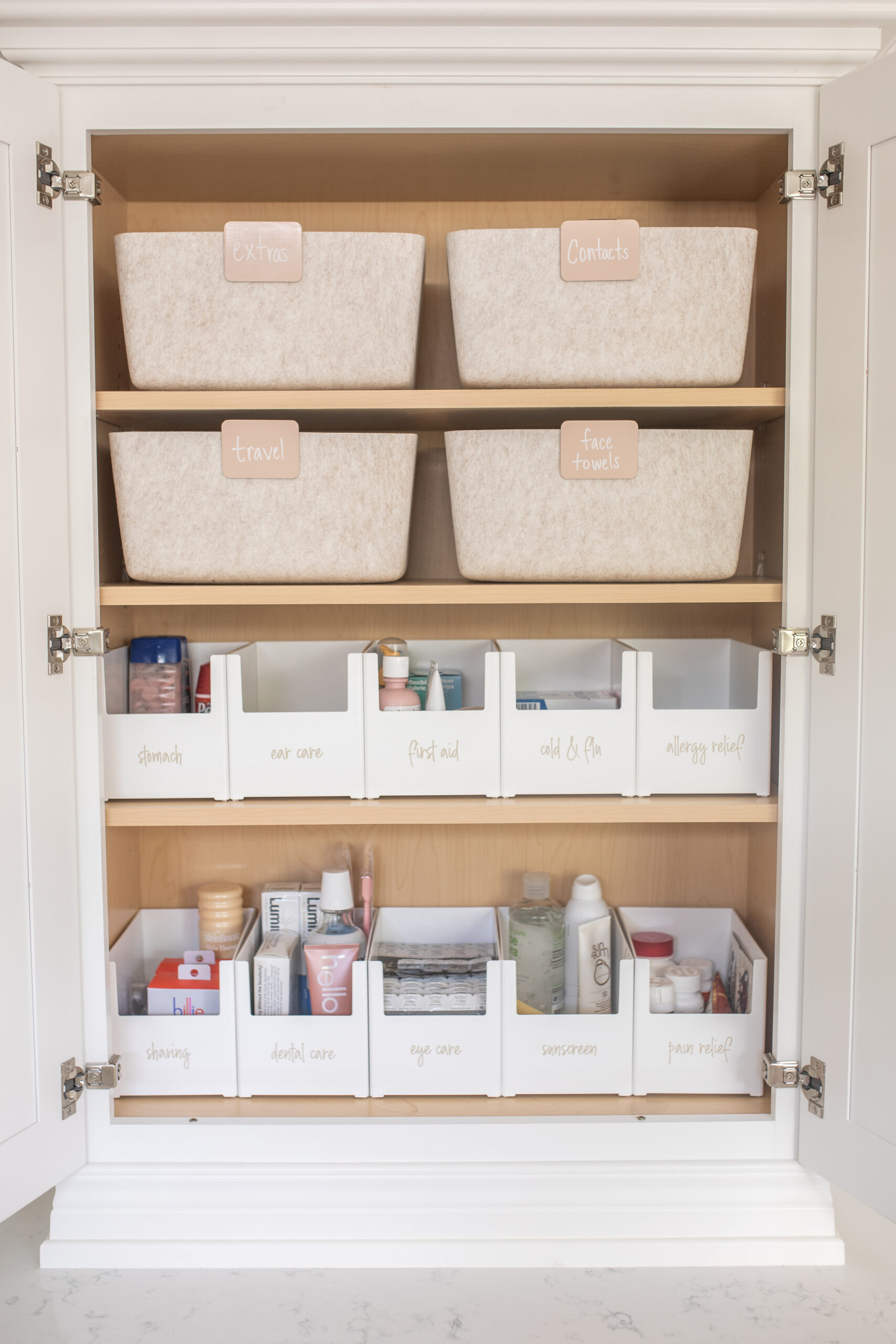
Credit: teresacaruso.com
Resources For Safe Medicine Disposal
Never throw old medicines in the trash or flush them. Many pharmacies accept expired pills, and some cities have medicine take-back programs. The U.S. Food and Drug Administration (FDA) offers a searchable list of safe disposal locations at FDA.gov.
Frequently Asked Questions
How Often Should I Clean And Organize My Medicine Cabinet?
Check and organize your cabinet every three to six months. Remove expired items, wipe down surfaces, and restock basic supplies. This keeps your cabinet tidy and your medicines safe to use.
What Is The Best Way To Organize Medicine In A Small Space?
Use vertical space with stackable bins, shelf risers, and door-mounted organizers. Group items by type and label everything clearly. Keep daily essentials at eye level for easy access.
Can I Store All My Medicines In The Bathroom?
Not always. Humidity and heat in bathrooms can damage some medicines. Check labels—if a medicine says “store in a cool, dry place,” consider keeping it in a bedroom or hallway cabinet instead.
How Do I Safely Dispose Of Expired Medicine?
Don’t throw medicines in the trash or flush them. Take them to a pharmacy or a local medicine take-back program. Check the FDA website for disposal locations in your area.
What If My Cabinet Is Still Too Small After Organizing?
Consider using extra storage, like over-the-door racks, stick-on shelves, or portable medicine boxes. If possible, store rarely used items in another room to free up bathroom space.
Organizing a medicine cabinet in a small bathroom is challenging, but with a bit of effort and the right tools, you can create a space that’s tidy, safe, and easy to use. Your future self—and your family—will thank you every time you reach for what you need, right when you need it.