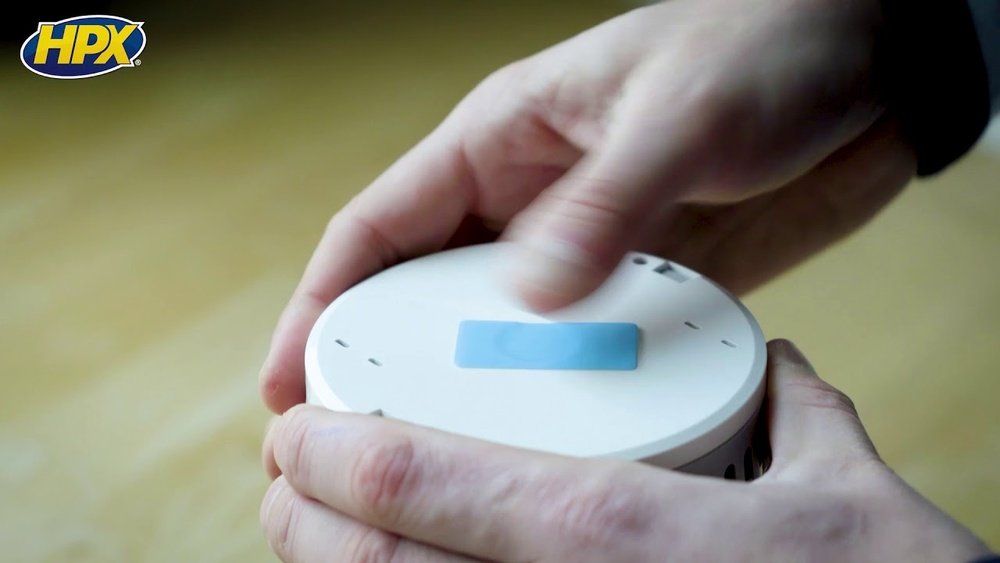
Installing a smoke detector is one of the most important steps you can take to protect your home and loved ones from fire hazards. But what if you’re not allowed to drill holes in your walls or ceiling? Maybe you’re renting, or perhaps you simply want a cleaner, less permanent installation. Good news: there are effective ways to install a smoke detector without drilling. In this guide, you’ll learn step-by-step how to do it right, avoid common mistakes, and make your home safer without making a mess.
Why Install A Smoke Detector Without Drilling?
Not everyone wants or can use power tools at home. Many renters face strict rules about drilling, and homeowners may wish to avoid permanent marks or damage. If your walls are made of materials like concrete, tile, or delicate plaster, drilling can be risky or difficult.
But the need for fire safety doesn’t change. In fact, according to the National Fire Protection Association, three out of five home fire deaths happen in homes without working smoke alarms. Installing smoke detectors, even without drilling, can save lives. Modern technology and clever products now make it easy to mount smoke detectors securely without leaving holes behind.
Types Of No-drill Smoke Detector Mounting Solutions
Today, you can find several strong alternatives to screws and wall plugs. Here are the main options:
- Adhesive Mounting Tapes
- Magnetic Mounting Kits
- Command Strips or Hook-and-Loop Fasteners
Let’s compare these options, so you can pick the right one for your needs.
| Mounting Method | Strength | Removability | Best Surface |
|---|---|---|---|
| Adhesive Tape | Strong | Easy (may leave residue) | Flat, clean walls/ceilings |
| Magnetic Kit | Very Strong | Easy (no marks) | Flat, smooth surfaces |
| Command Strips | Medium | Very easy (no residue) | Painted drywall, tiles |
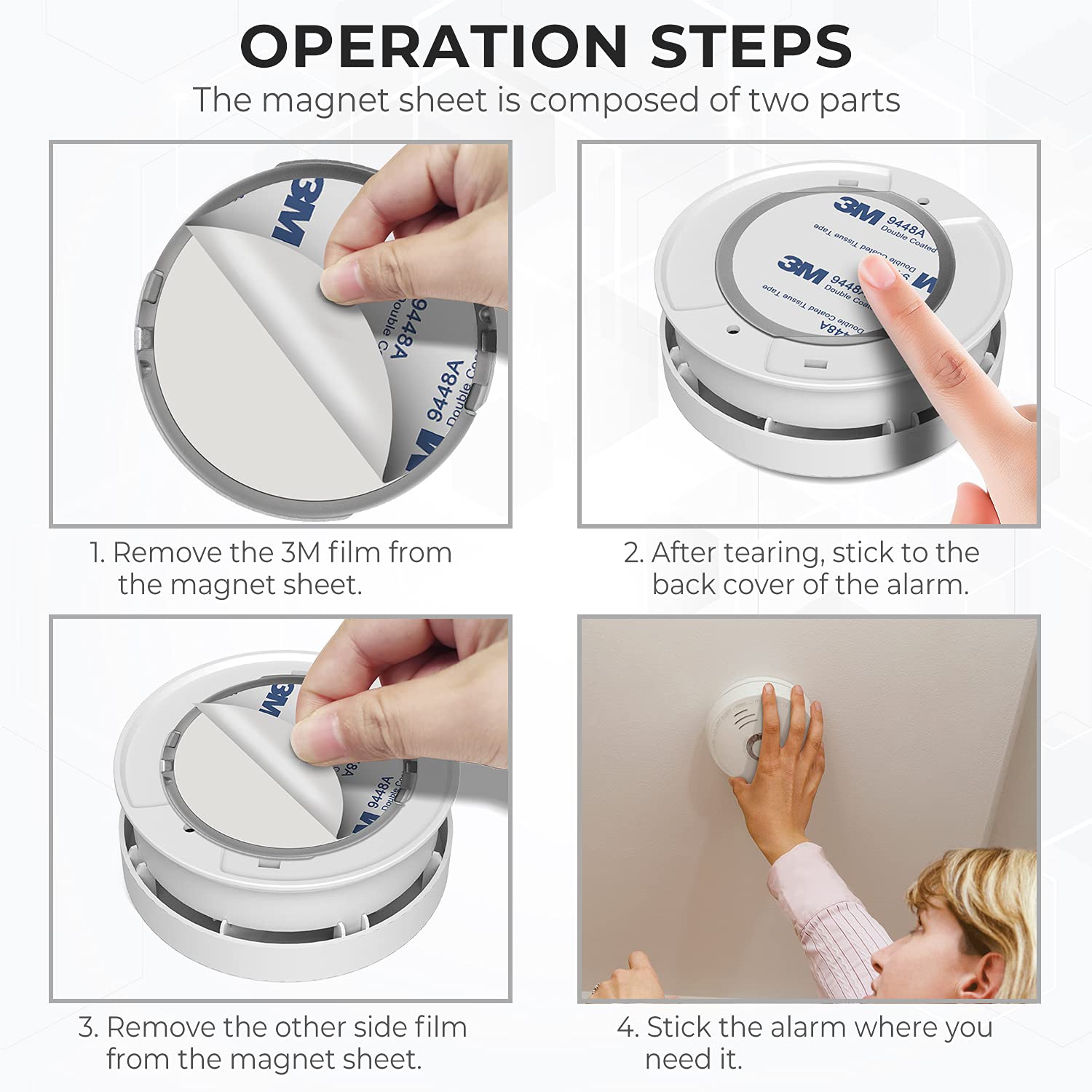
Adhesive mounting tapes are double-sided tapes designed for heavy-duty use. They’re simple and reliable, but some can leave sticky residue when removed.
Magnetic mounting kits use strong magnets to hold the detector in place. They are easy to remove and reposition, making battery changes faster.
Command strips or hook-and-loop fasteners (like Velcro) are gentle on walls and good for lighter smoke detectors. They’re perfect for renters who want to avoid any marks.
What To Consider Before Installing
Before you start, think about these important factors:
- Weight of the smoke detector: Make sure your mounting solution can hold the detector securely. Most smoke detectors are light, but some smart models are heavier.
- Surface material: Smooth, clean surfaces work best for adhesives and magnets. Textured or dirty surfaces reduce grip strength.
- Ceiling vs. wall mounting: Ceilings are usually preferred for smoke detectors because smoke rises, but some products allow wall installation if needed.
- Battery access: Pick a method that makes it easy to remove the detector for battery changes or testing.
Installing on a clean, flat surface is key for safety and long-lasting results.
Tools And Materials You’ll Need
You don’t need many tools for a no-drill installation. Here’s what you’ll need:
- Smoke detector (with batteries)
- Mounting kit (adhesive tape, magnetic kit, or command strips)
- Rubbing alcohol or mild cleaner
- Cloth or paper towel
- Pencil (for marking)
- Step stool or ladder
Some smoke detectors come with their own adhesive or magnetic kits. If not, you can buy universal kits at most hardware stores or online.

Credit: www.amazon.com
Step-by-step Guide: Installing A Smoke Detector Without Drilling
Let’s walk through the full process, from preparation to testing.
1. Choose The Right Location
Smoke detectors work best when installed:
- On the ceiling, at least 10-12 inches from any wall
- If on a wall, 4-12 inches below the ceiling
- Away from windows, fans, or vents that could blow smoke away
- Not in kitchens or bathrooms (to avoid false alarms from steam or cooking)
If you’re unsure, check the smoke detector’s manual for manufacturer advice.
2. Clean The Surface
Adhesives and magnets need clean surfaces to stick well. Use a cloth and some rubbing alcohol to wipe away dust, grease, or moisture. Let it dry completely.
3. Mark The Spot
Use a pencil to lightly mark where the detector will go. This helps you align the adhesive or mounting plate perfectly.
4. Prepare The Mounting Kit
- Adhesive Tape: Cut the tape to fit the back of the mounting plate or smoke detector.
- Magnetic Kit: Attach the magnetic plates as directed (usually one on the ceiling, one on the detector).
- Command Strips: Separate the strips, press them together, then stick to the detector and the surface.
Always follow the instructions provided with your mounting kit for best results.
5. Attach The Mounting Plate
Carefully press the adhesive, magnet, or strip-backed mounting plate onto the marked spot. Hold it in place for 30-60 seconds to ensure a strong bond.
6. Mount The Smoke Detector
Attach the smoke detector to the mounting plate or magnetic base. Listen for a click or gentle snap to be sure it’s secure.
7. Test The Detector
Install the batteries (if not already inside), then press the test button. The alarm should sound briefly. If not, check the battery or mounting connection.
8. Wait Before Trusting The Bond
Some adhesives need a few hours to reach full strength. Avoid disturbing the detector during this time. Check your product’s instructions for waiting time—usually, 1 hour is enough.
How Do No-drill Methods Compare To Traditional Drilling?
You might wonder if no-drill methods are as safe or reliable as screws. Let’s compare them.
| Feature | No-Drill Mounting | Drilled Mounting |
|---|---|---|
| Installation Time | 5-10 minutes | 10-30 minutes |
| Wall Damage | None (if removed properly) | Permanent holes |
| Strength | Medium to High | Very High |
| Suitable for Rental Homes | Yes | No |
| Removal | Easy, usually no marks | Requires patching holes |
In most cases, no-drill mounting is strong enough for smoke detectors, especially lighter models. For large, heavy, or hardwired units, traditional installation may still be best.
Common Mistakes To Avoid
Even with simple tools, mistakes can happen. Avoid these errors for best safety:
- Skipping surface cleaning: Dust and grease can weaken adhesives, causing detectors to fall.
- Mounting near vents or fans: This reduces effectiveness.
- Not pressing long enough: Quick presses don’t bond as strongly—hold firmly for 30-60 seconds.
- Overloading with weight: Don’t try to mount heavy, wired detectors with adhesive; they need screws.
- Ignoring battery checks: Easy installation means nothing if the battery is dead.
Maintenance Tips For No-drill Smoke Detectors
Your work isn’t done after installation. Keep your smoke detector working with these habits:
- Test the alarm every month by pressing the test button.
- Change batteries at least once a year, or as soon as the low battery warning sounds.
- Check that the detector is firmly attached every few months.
- If you need to paint or clean, remove the detector first (adhesive and magnet types make this easy).
- Replace the entire smoke detector every 8–10 years.
Real-world Examples
Let’s consider two scenarios:
1. Renter in an Apartment:
Maria lives in a rented apartment with strict rules against wall damage. She chooses a magnetic mounting kit for her smoke detector. Installation takes less than 10 minutes, and when she moves out, she simply slides the detector off—no marks left behind.
2. Homeowner with Plaster Ceiling:
John owns an old house with delicate plaster ceilings. Drilling could cause cracks. He uses heavy-duty adhesive tape to mount his detectors. He checks them every month to ensure they’re still secure.
Both solutions keep the home safe, with no mess or damage.
Advantages And Disadvantages Of No-drill Methods
Here’s a quick look at the pros and cons:
Advantages:
- Fast and easy installation
- No tools or special skills needed
- Ideal for renters or delicate surfaces
- Easy to remove or reposition
Disadvantages:
- May not hold very heavy detectors
- Some adhesives can leave residue
- Not suitable for all surfaces (e.g., textured or dirty areas)
Credit: www.amazon.sa
Where To Buy No-drill Mounting Kits
Most hardware stores, big box retailers, and online shops sell adhesive and magnetic mounting kits. Some recommended brands are:
- 3M Command
- Velcro
- X-Sense Magnetic Mounting Kit
- Tesa Powerstrips
Always check that the kit supports the weight of your smoke detector.
For more safety tips, you can visit NFPA’s official smoke alarm page.
Frequently Asked Questions
Can I Trust Adhesive Or Magnetic Mounting For Smoke Detectors?
Yes, if you follow the product’s weight guidelines and install on a clean, flat surface, these methods hold well. For most standard smoke detectors, quality adhesives and magnets are strong enough for long-term use.
How Do I Remove A Smoke Detector Mounted Without Drilling?
Gently twist or pull the detector as described in the mounting kit’s instructions. For adhesives, pull slowly to avoid damaging paint. Some command strips have tabs for easy removal without leaving marks.
Can I Use Double-sided Tape From The Hardware Store?
You can, but it’s best to use tape designed for smoke detectors or heavy objects. Regular double-sided tape may lose strength over time, especially in humid or hot conditions.
Is It Safe To Install A Smoke Detector On The Wall Instead Of The Ceiling?
Ceiling mounting is best, but if not possible, place the detector on the wall 4–12 inches below the ceiling. Never install too close to the floor, windows, or vents.
Do No-drill Mounts Work For Carbon Monoxide Detectors Too?
Yes, most carbon monoxide detectors are similar in weight and size to smoke detectors. You can use the same no-drill mounting methods for both, just ensure you follow the device’s placement instructions.
Installing a smoke detector without drilling is practical, safe, and renter-friendly. By choosing the right mounting method and following these steps, you can keep your home secure—and your walls and ceilings free from damage. Remember, the most important part is that your smoke detector is installed and working, no matter how you mount it.

Credit: www.wisualarm.co.uk